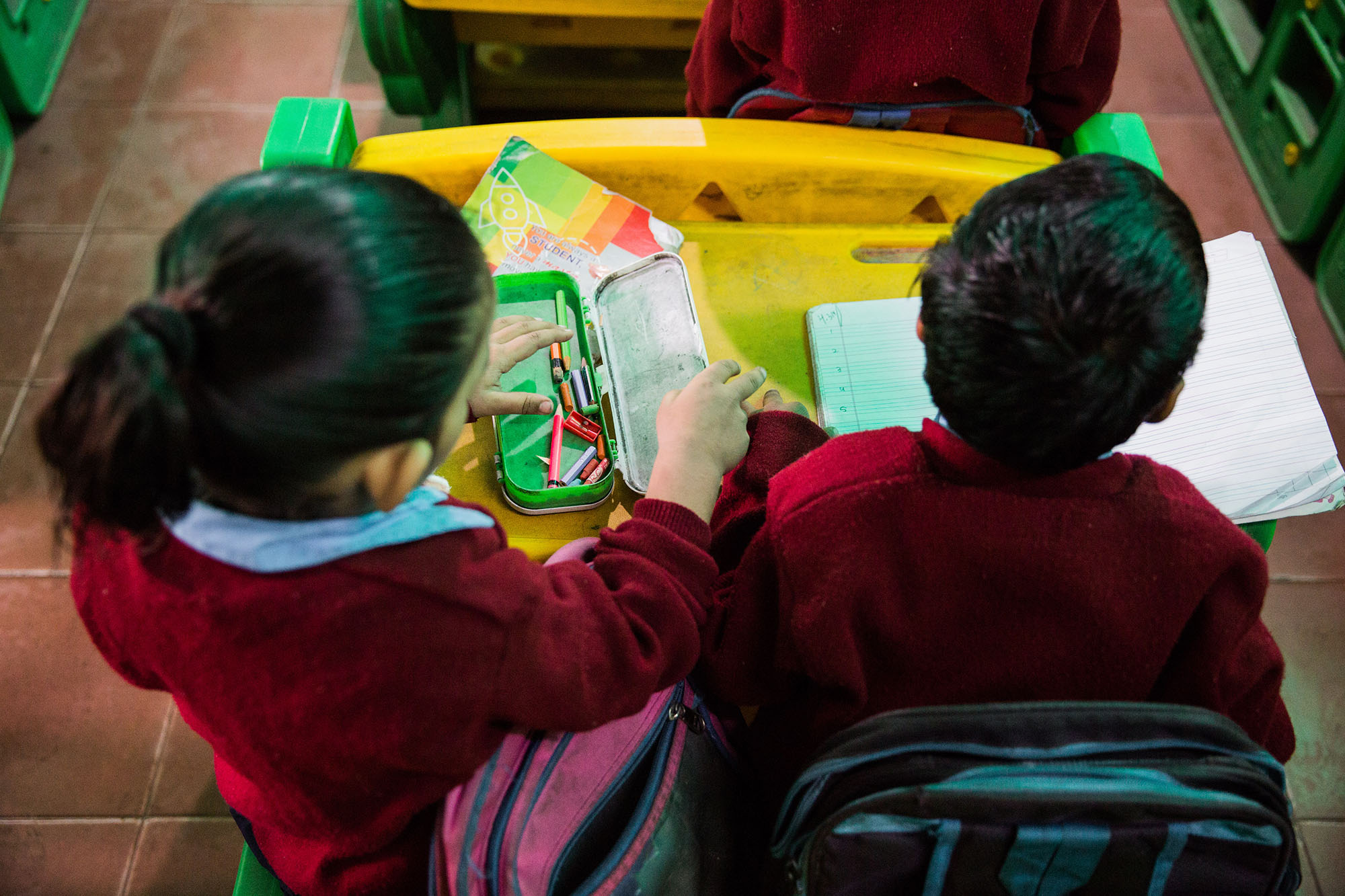
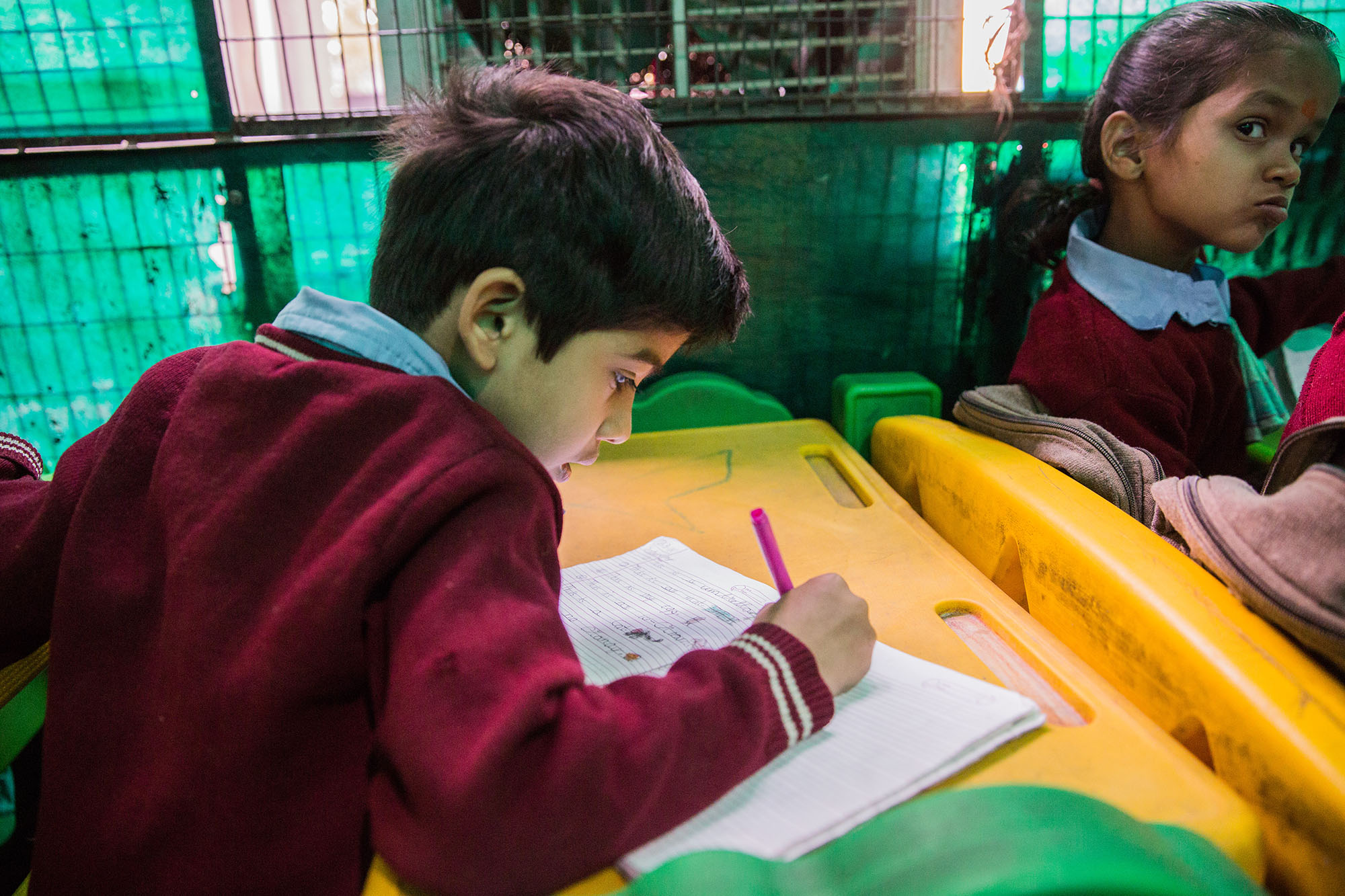
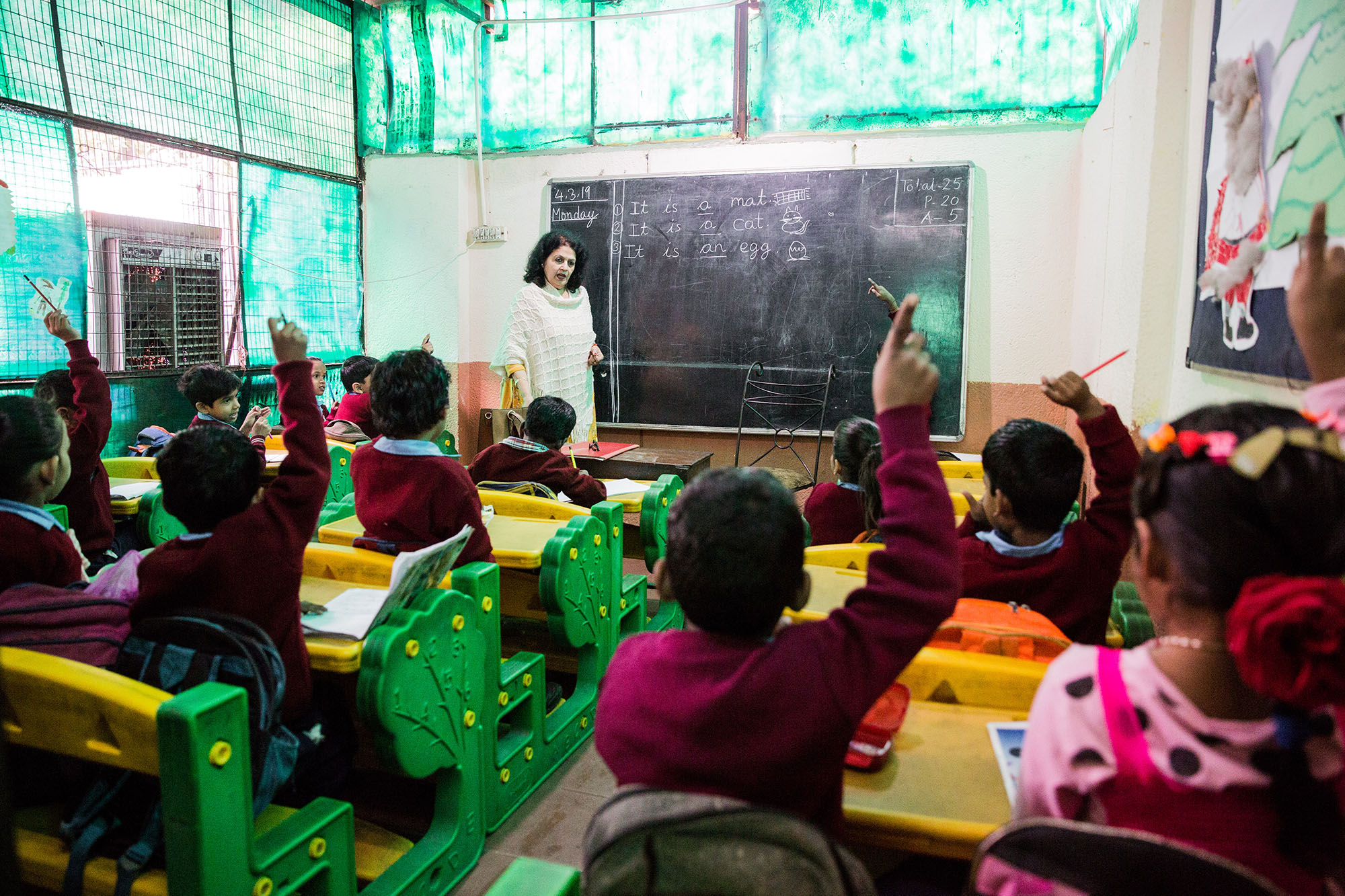
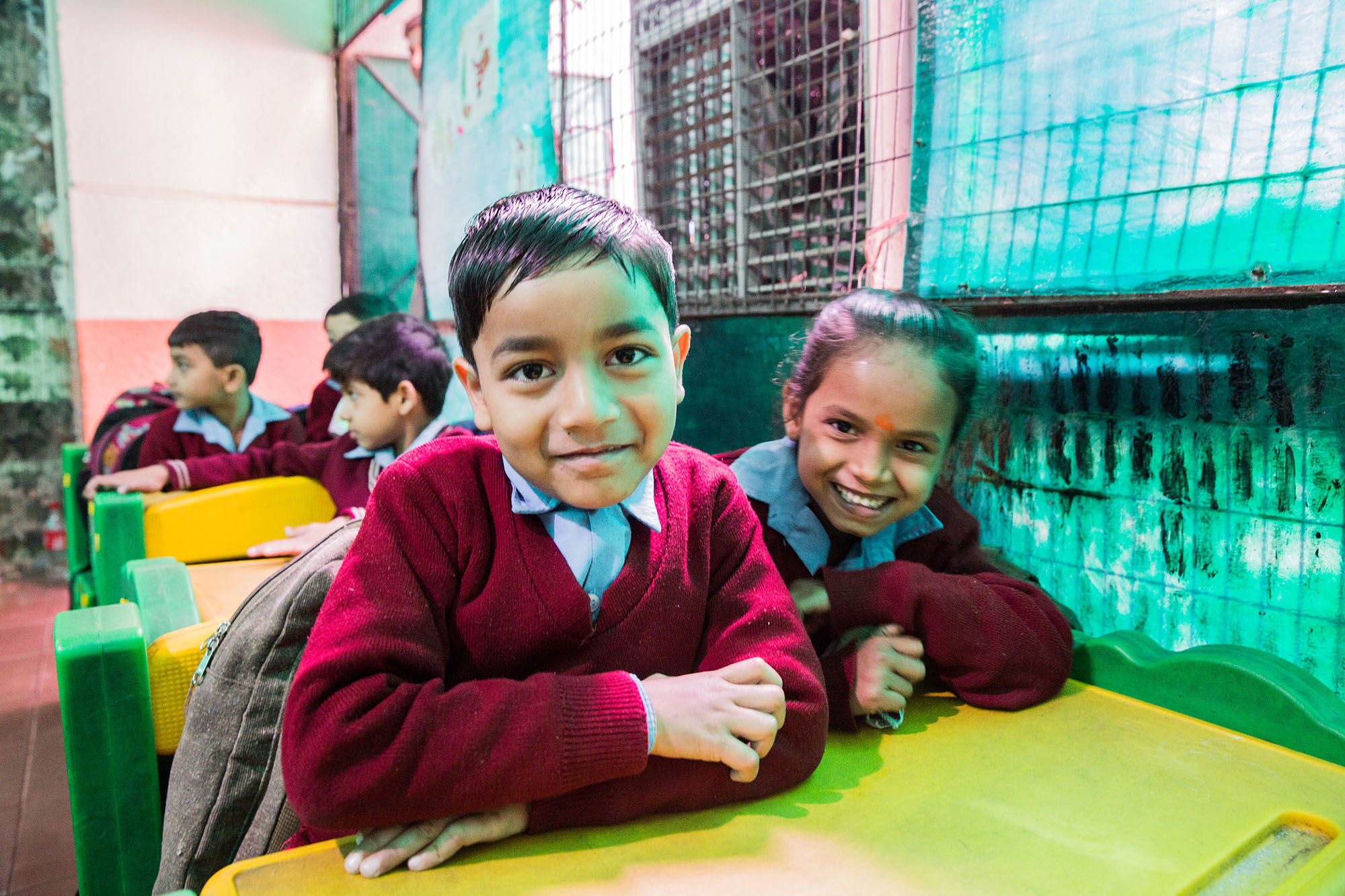
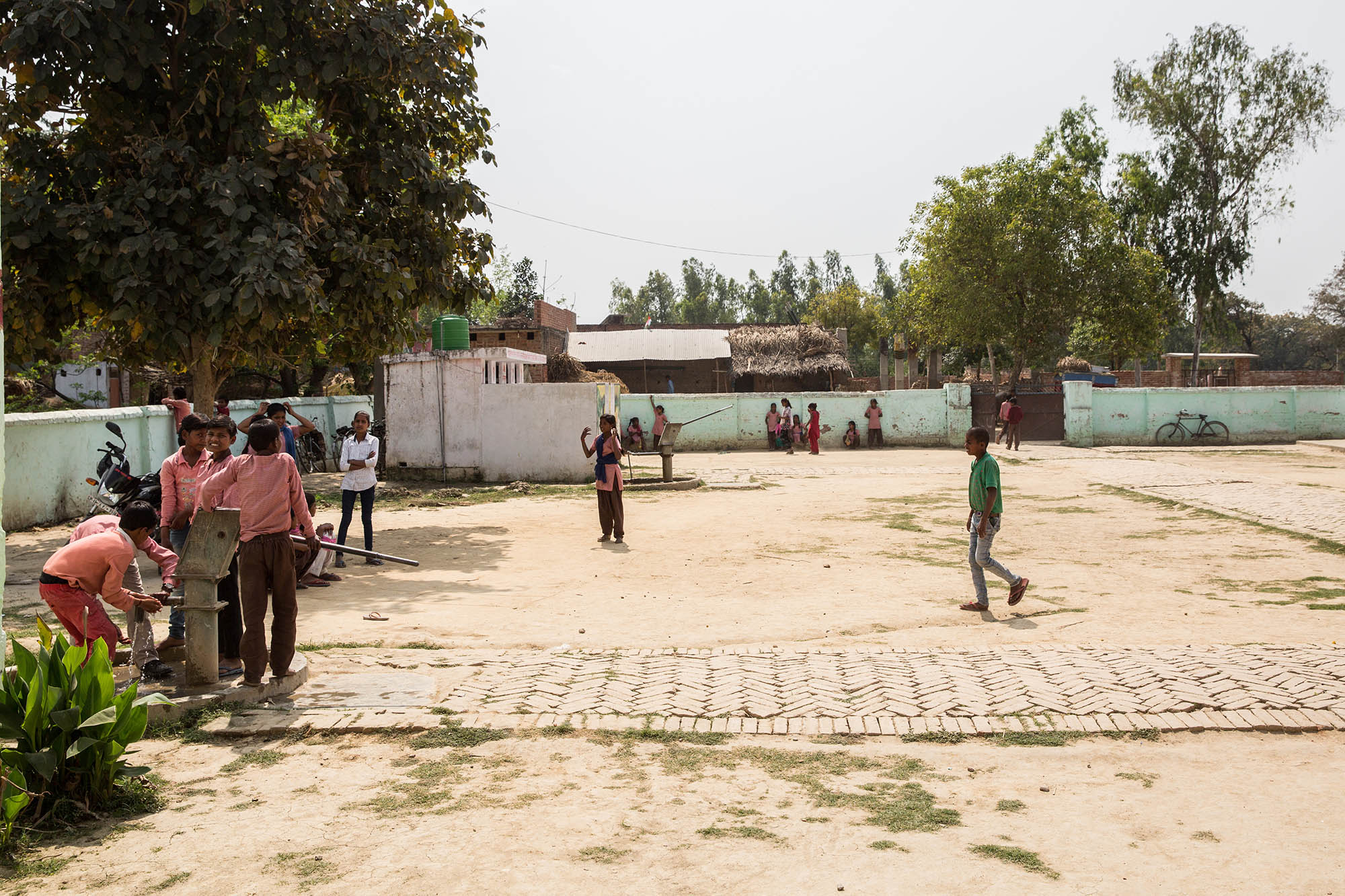
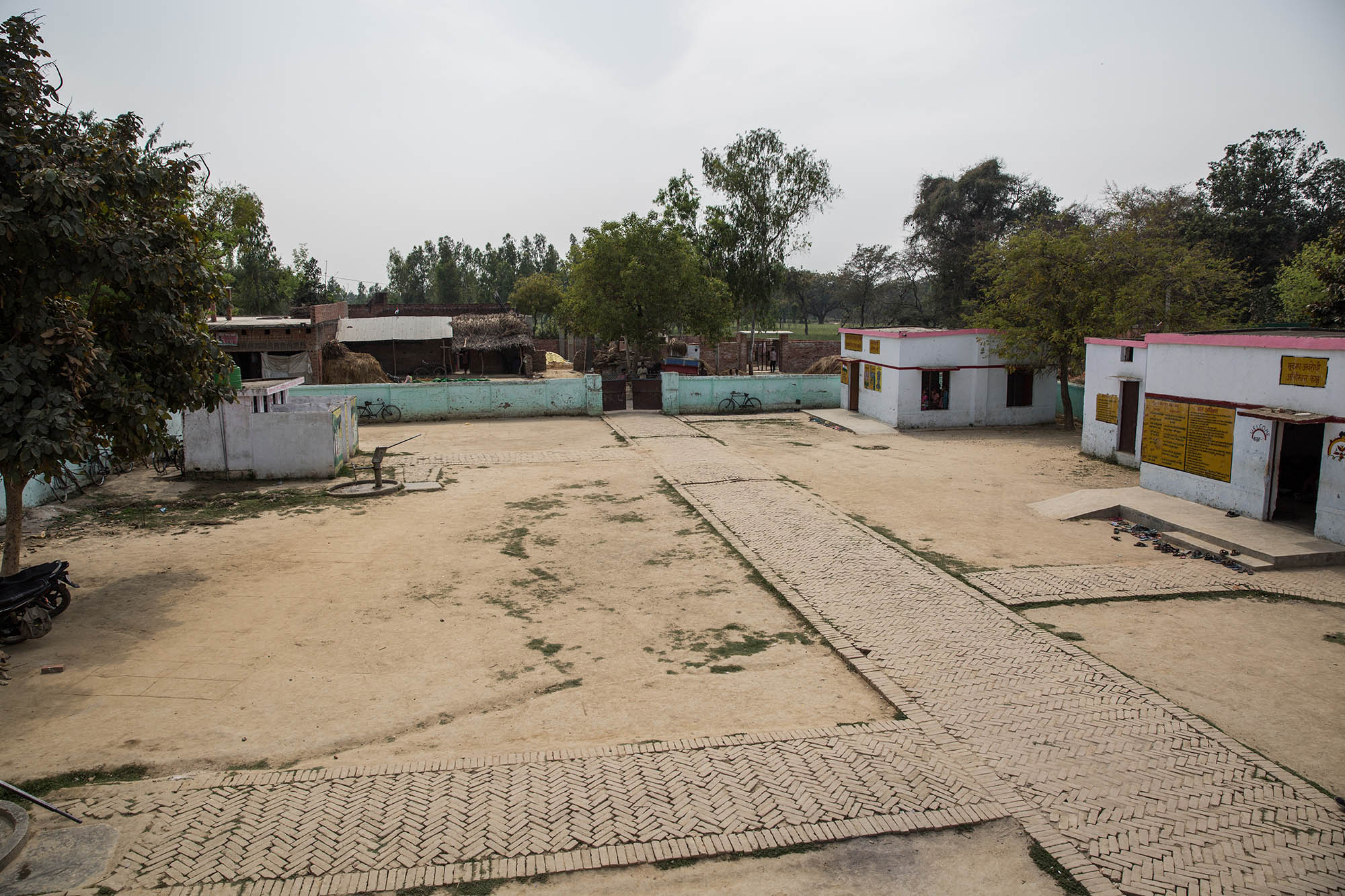
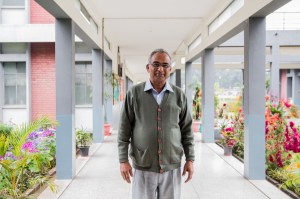
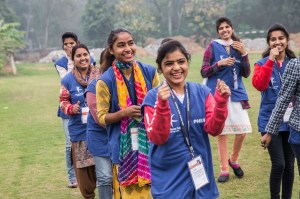
BRAC – A remote school to be at the heart of the need

Here we are, Nepal! So excited to finally visit this amazing country famously known for having the highest mountains in the world.
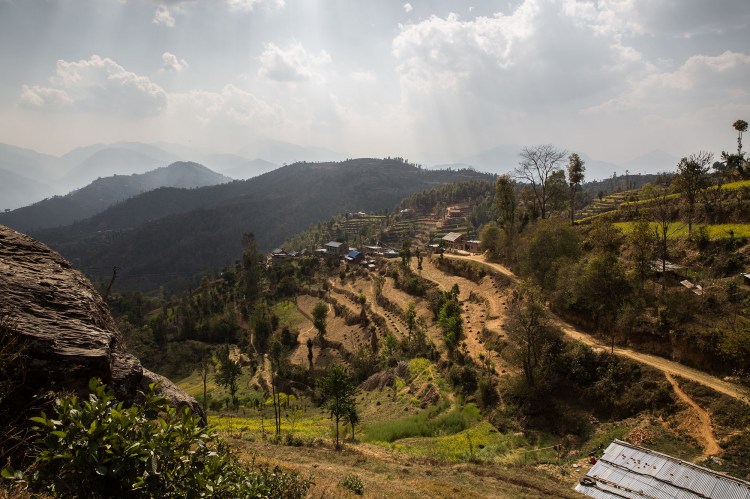
We’ve dreamed about that day since we decided to include Nepal in our trip and especially when we heard from Signify Foundation that they have a pilot project with BRAC in the Katmandu region.

Today this is exactly what I want to share with you, the amazing experience we had with BRAC. Of course if you’re interested by the rest of our trip, everything is available on our blog.

We first met Khemraj Upadhyaya and his team in Katmandu to introduce ourselves, discuss about the project and organize the visit. It was really a nice moment, we had the feeling to meet people we know already, friends.

BRAC Nepal is actively involved in 2 initiatives. The first one which is to help people from slums and the second one, sponsored by Signify Foundation, to empower women in isolated villages by providing an electrician formation.

Walking in Katmandu’s slums

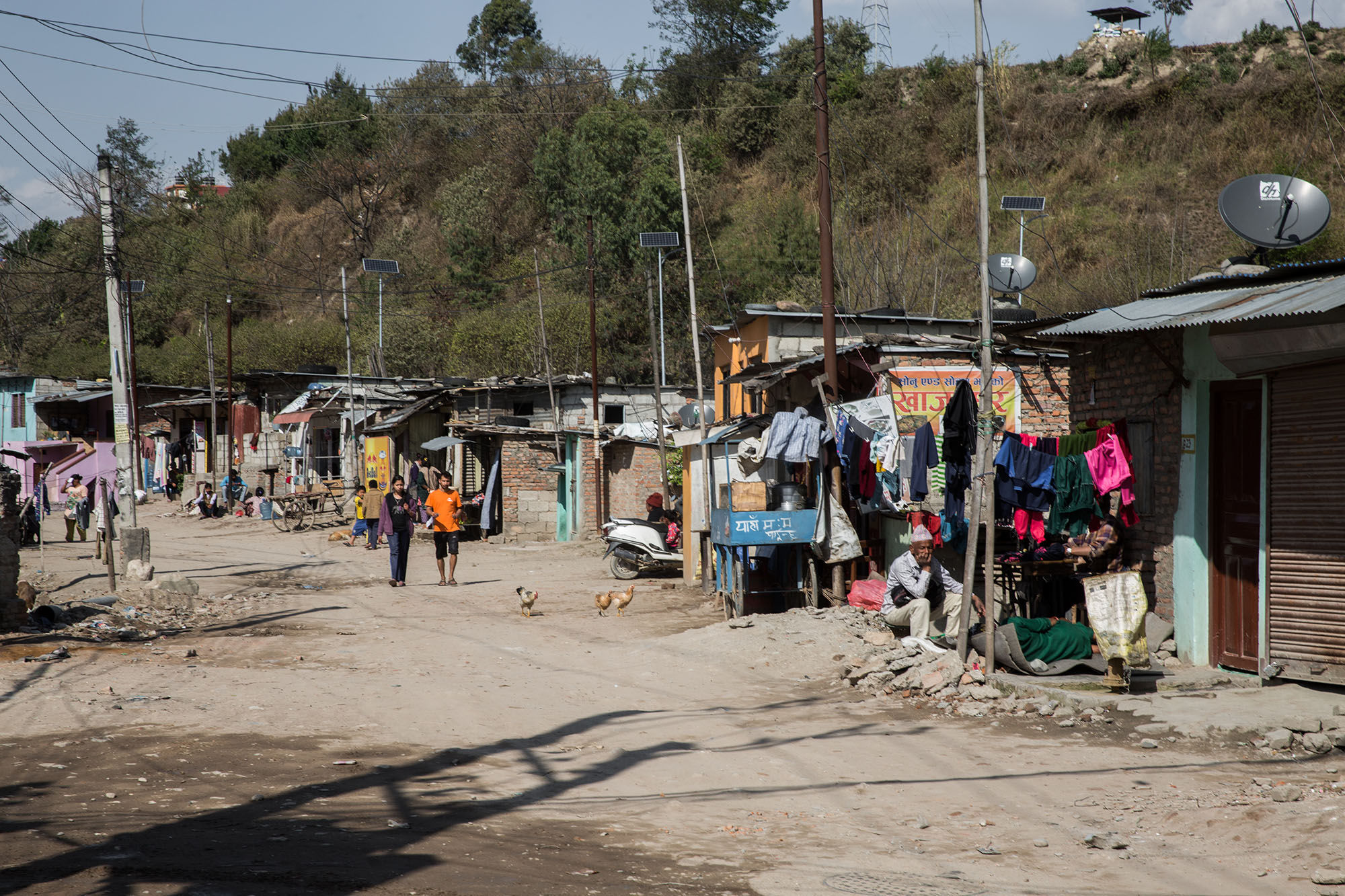
We arrived in a slum along the river not so far from the center of Katmandu.

There are 700 houses hosting each at least 5 persons. Most of the inhabitants came from the countryside to the city with the ambition to find a job and get a better life. Unfortunately, getting a sustainable job isn’t an easy task if you have no qualifications.
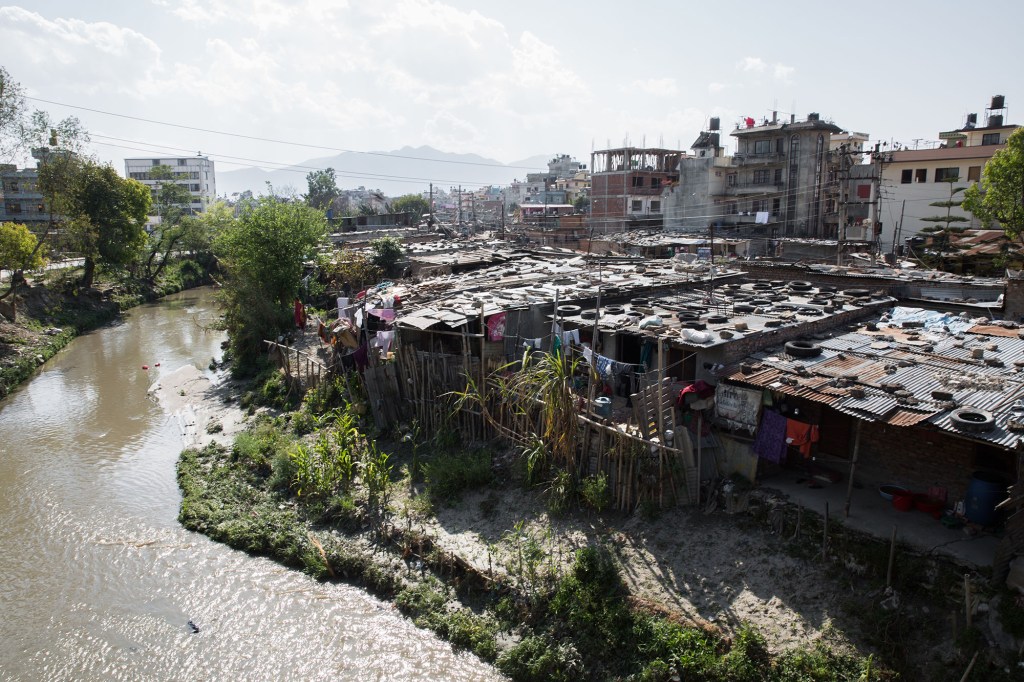
Slums in Katmandu

That’s why BRAC is working in those slums to bring alternatives, they peer learner and master to give education and bring a better future.

The principle is quite simple, the learner will be taught by his master during 3 months on the job. The financial part is covered by the NGO so the master get a free extra labor and the trainee get the desired qualification. A perfect win-win process.

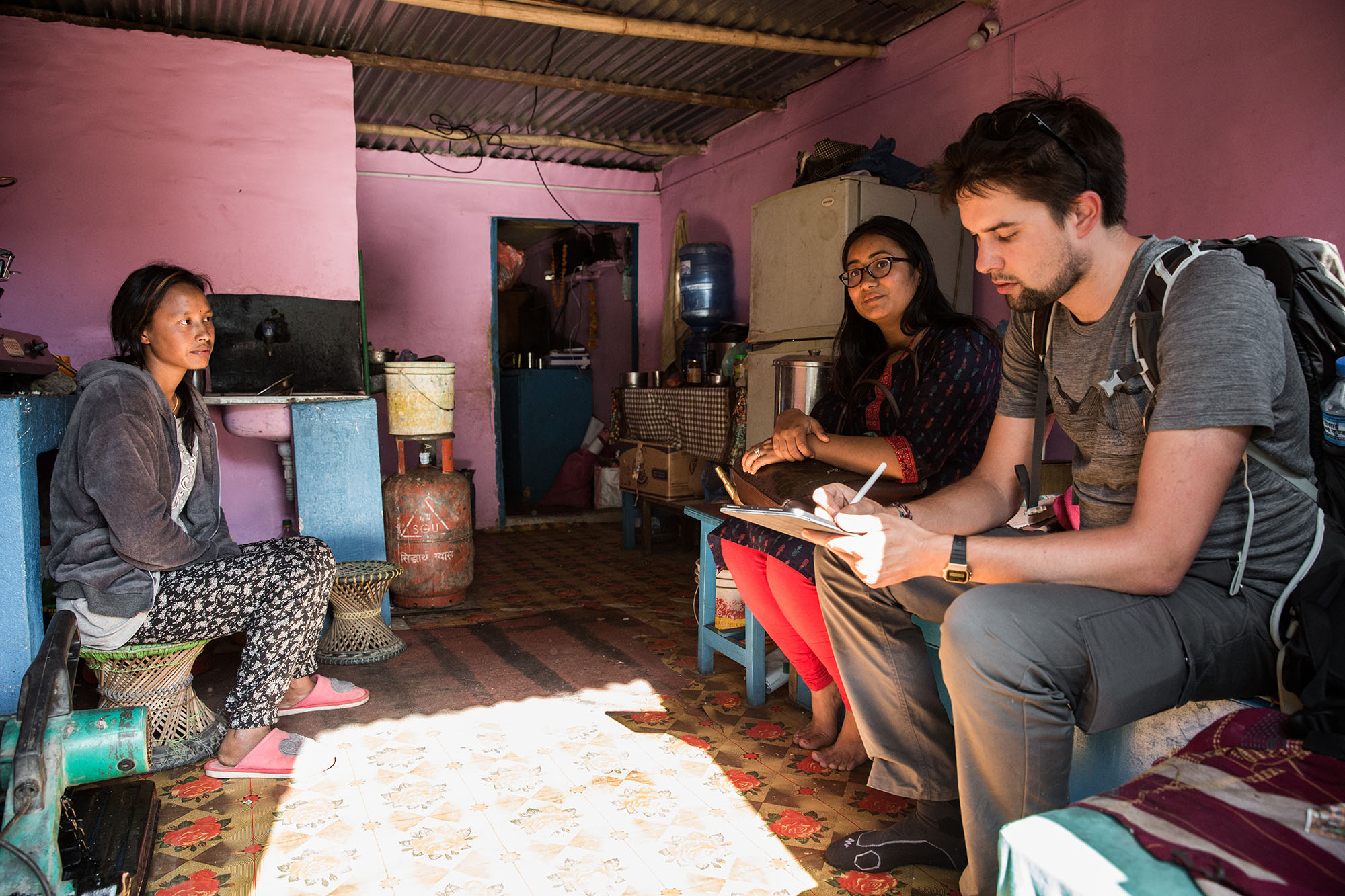
We walked into the slum and one thing we noticed is that even if those persons live in precarious conditions they are all very welcoming and we could easily get some interviews.

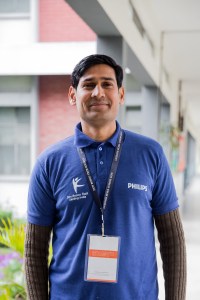
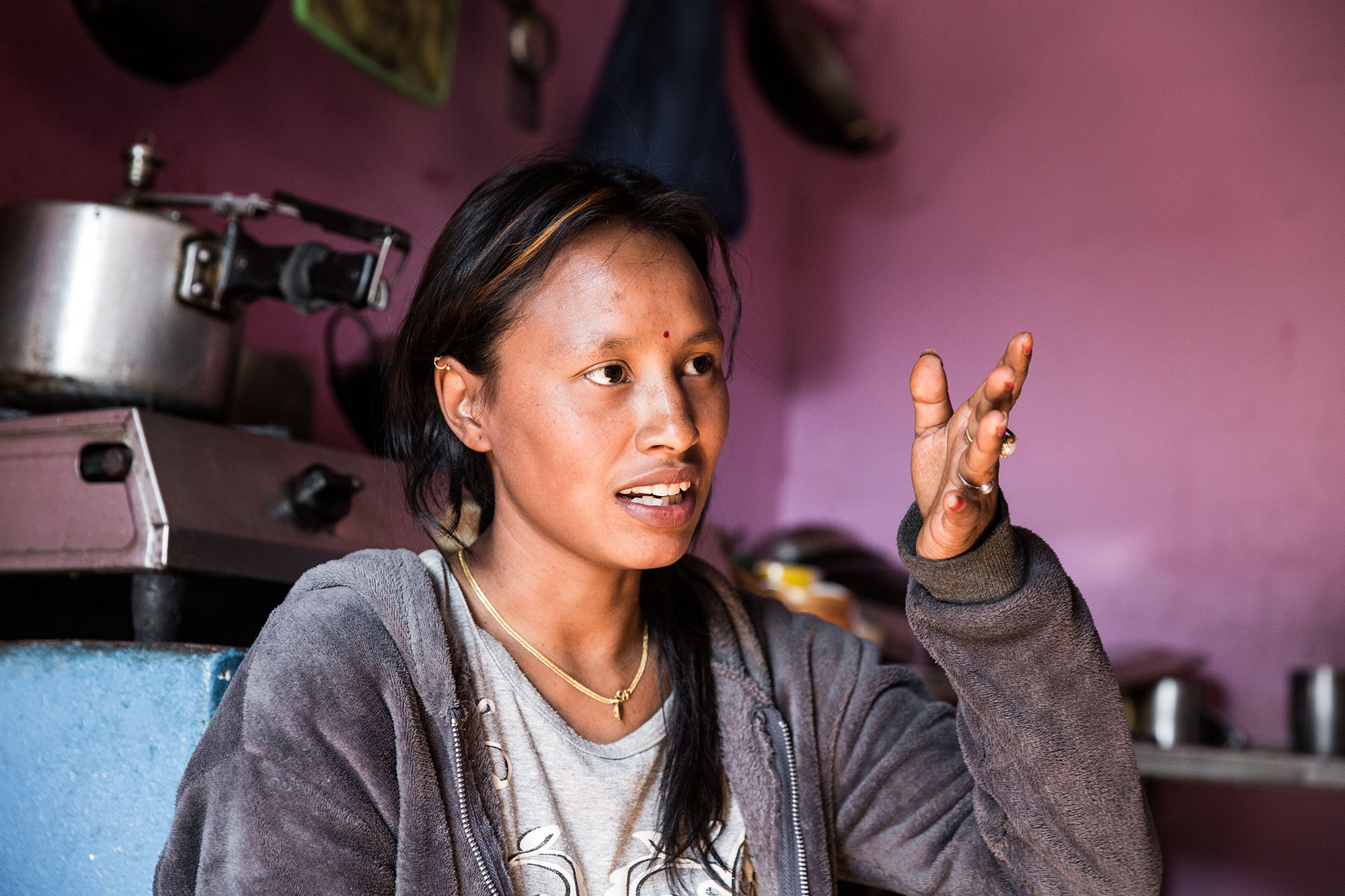
We first met Renu Shrestha, 27 years old.
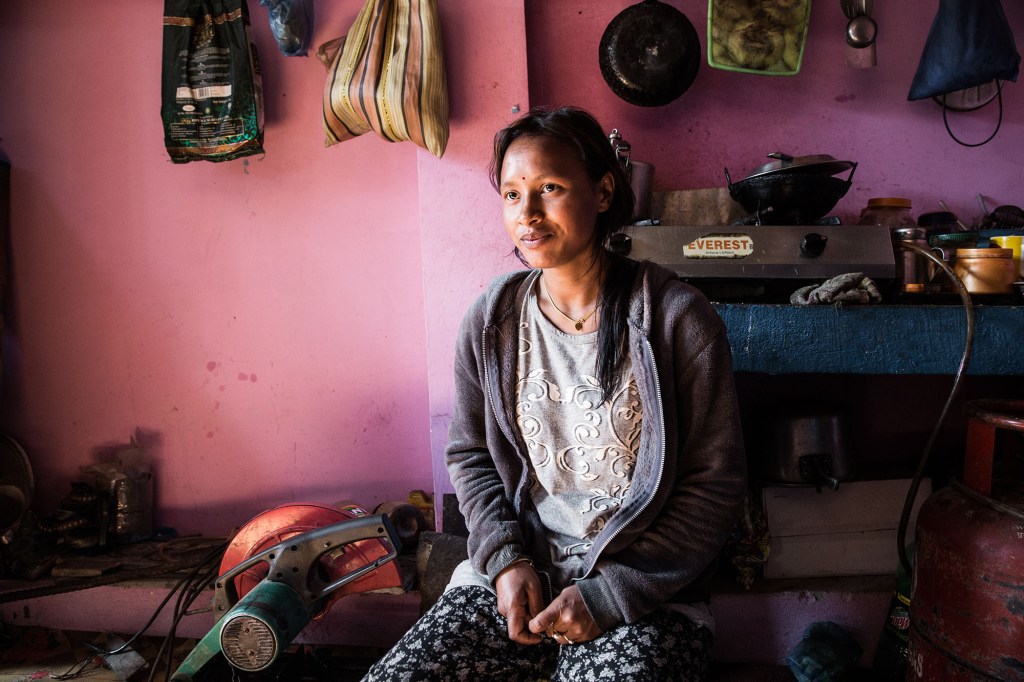
She is master of the ELA (Empowerment of Livelihoods of Adolescent girls).

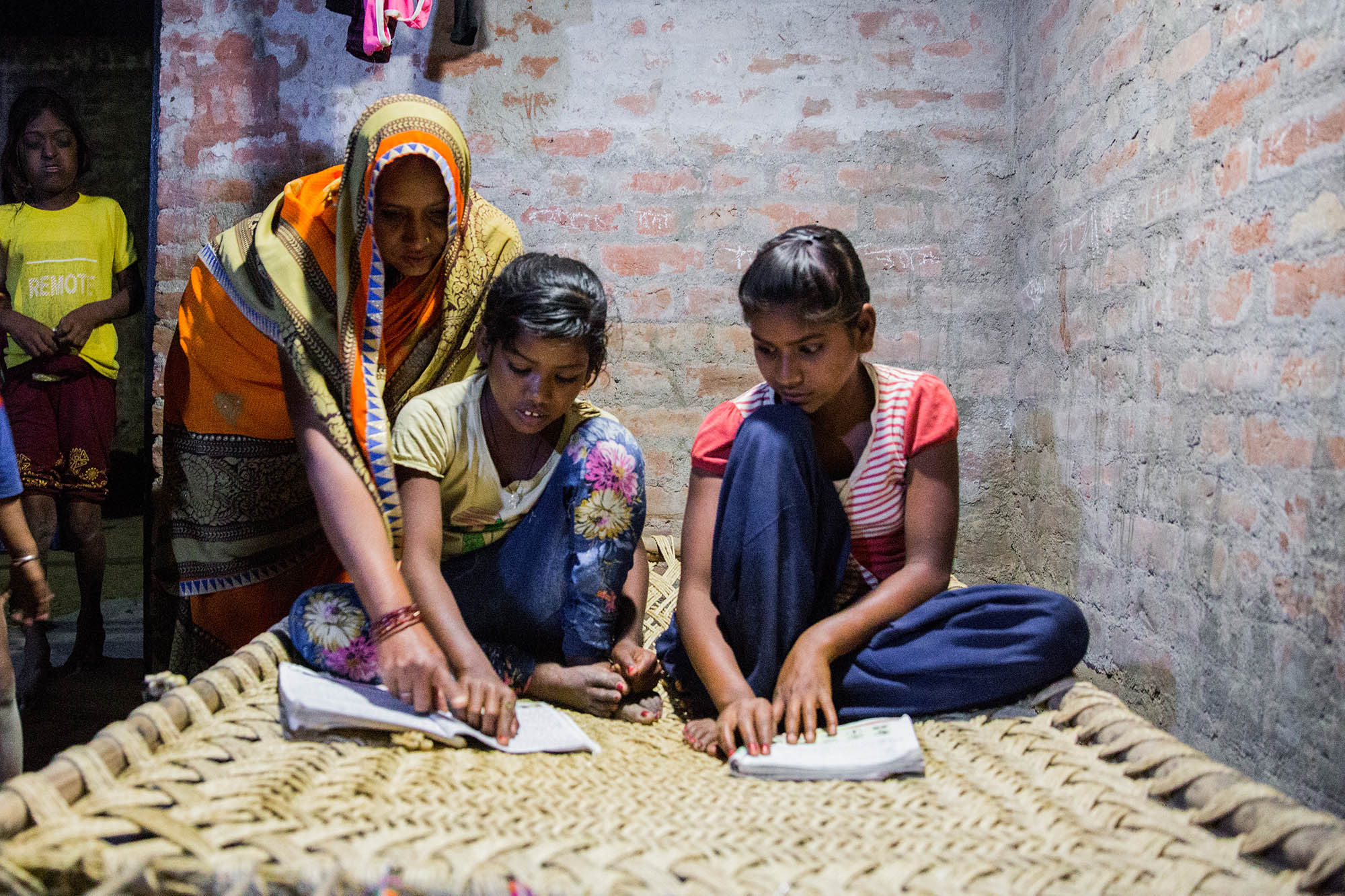
Every week she meets for 2 hours in the back of her house, in an improvised classroom, 15 girls from the slum to read books and discuss a lot of topics (menstruation, mariage prevention, education,…).

She likes to be a mentor and to provide those meetings. It was not really difficult to kickoff the project since she’s from the community. However, she would like to have more women joining the club but most of them are too busy.
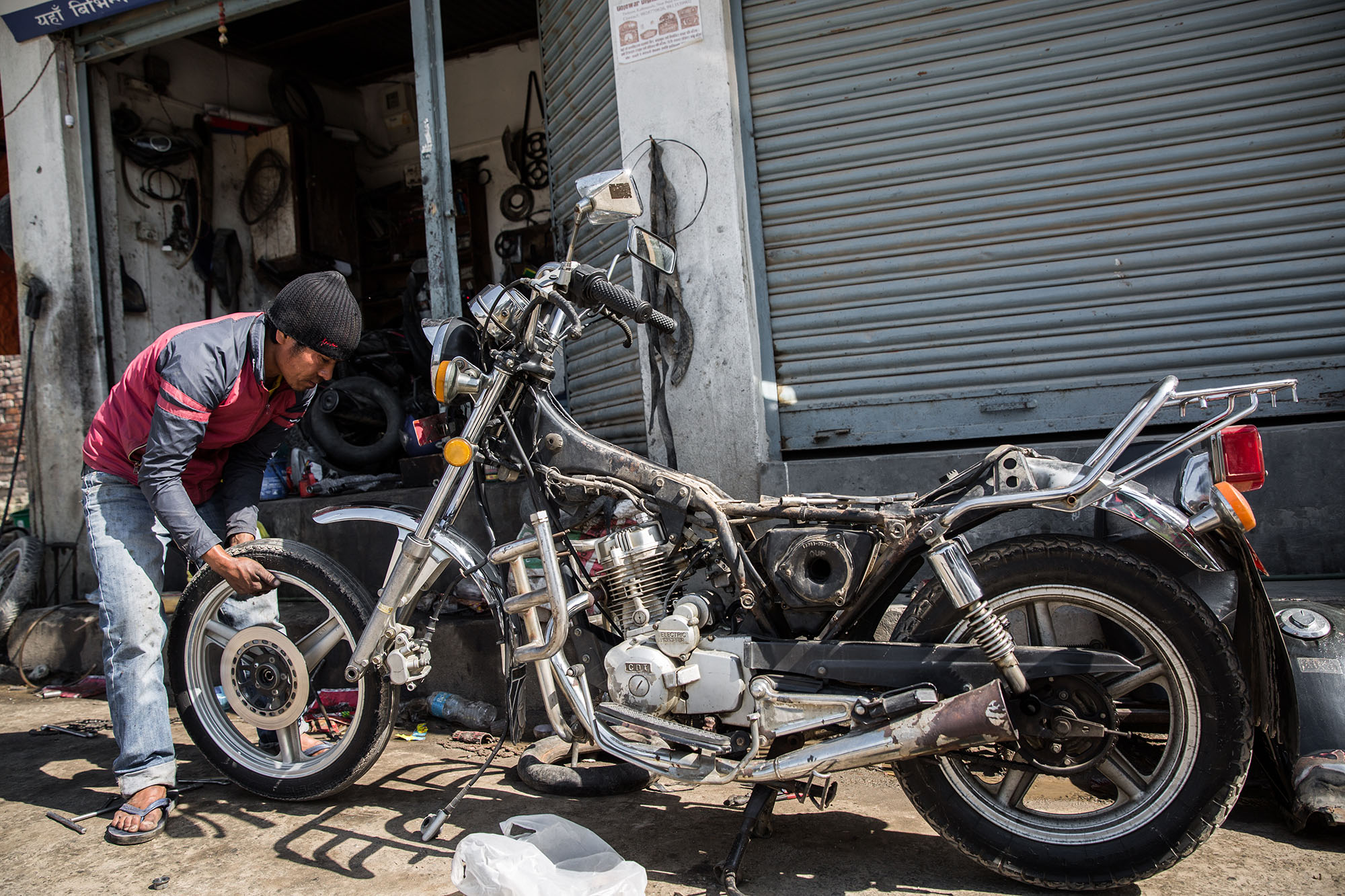
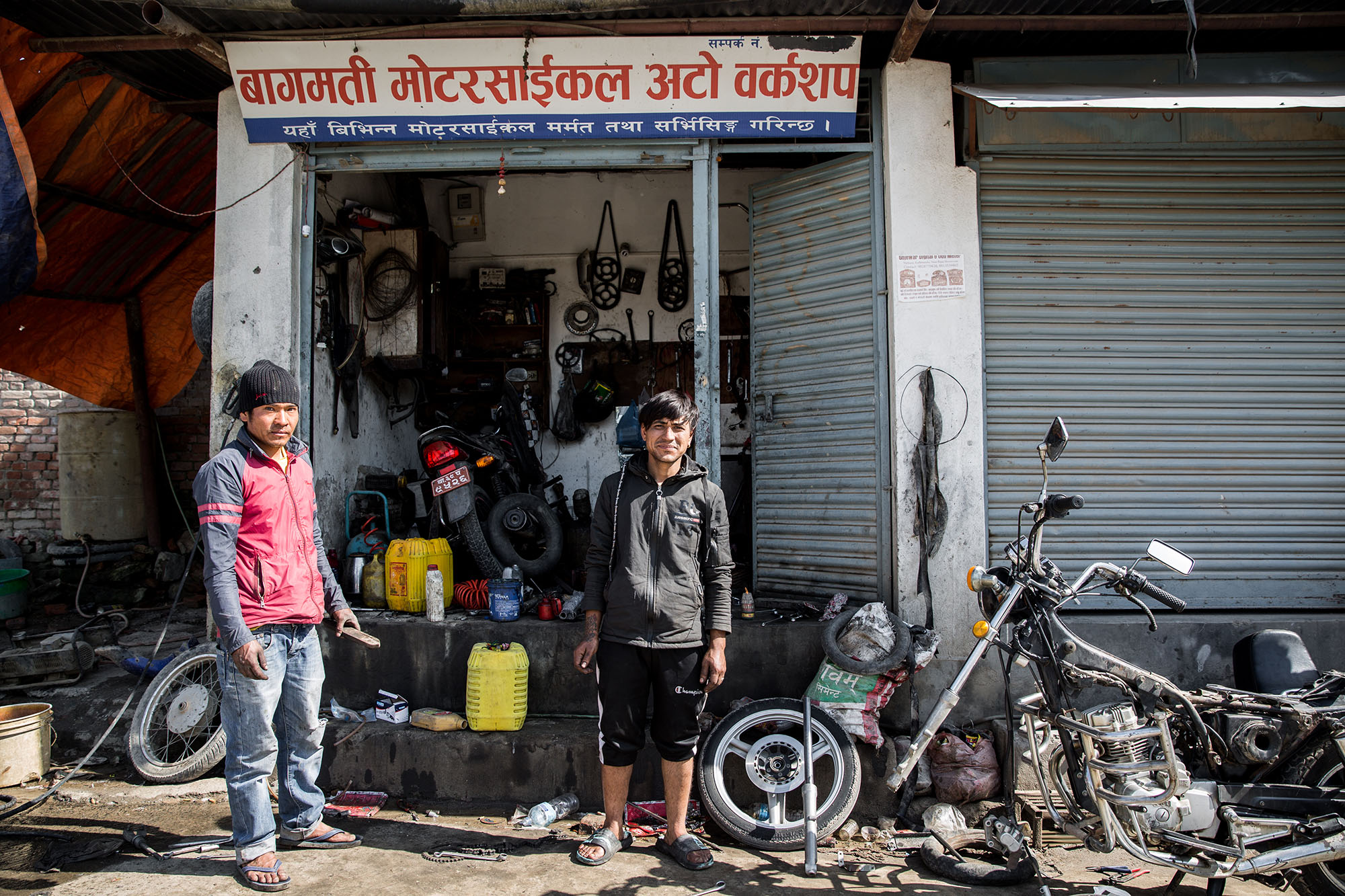
Then we met 2 persons following the on-the-job cursus. One boy is learning how to fix motorcycle and with the amount of motorbikes in Katmandu is convinced he now has a sustainable job.
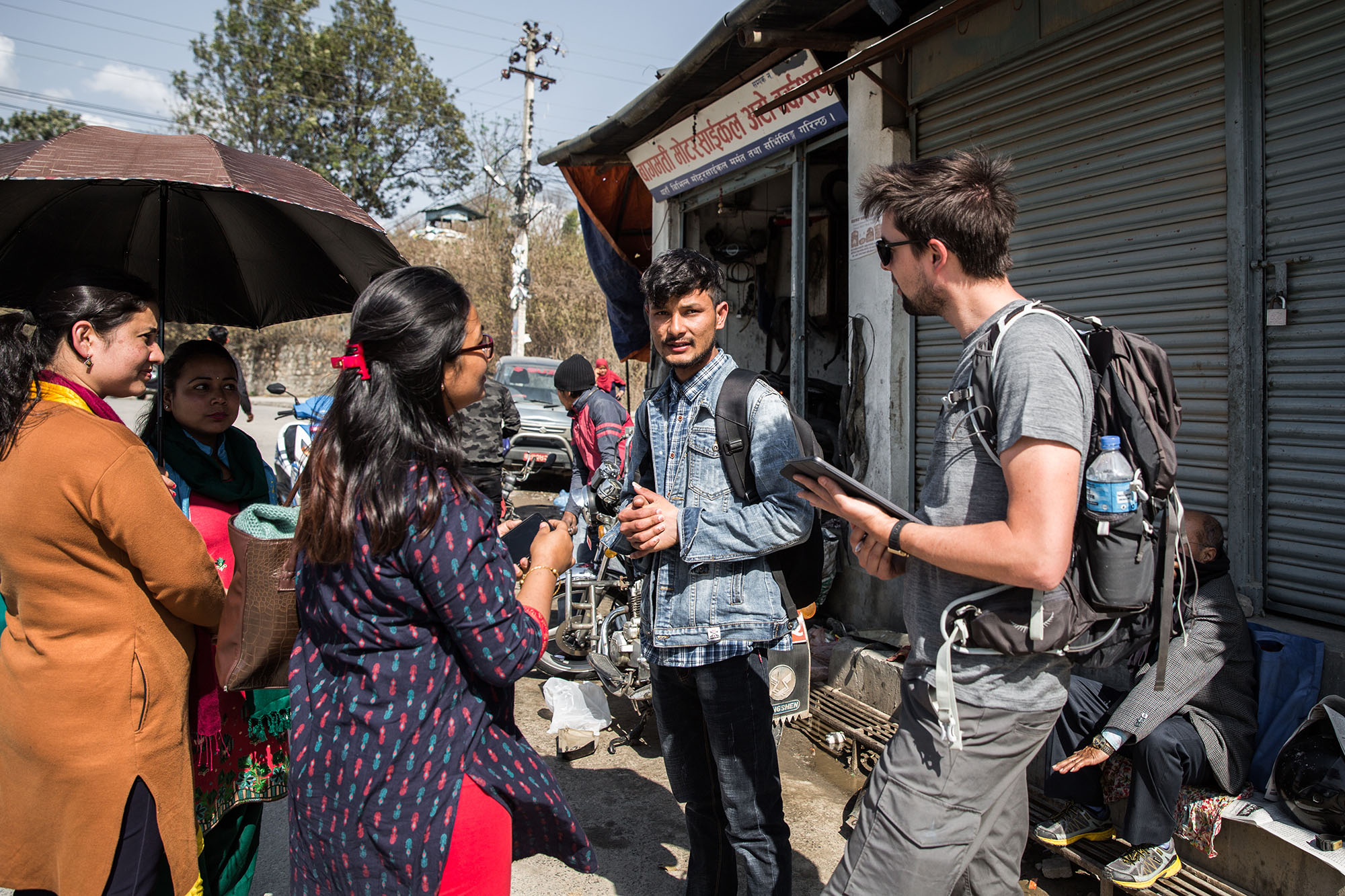
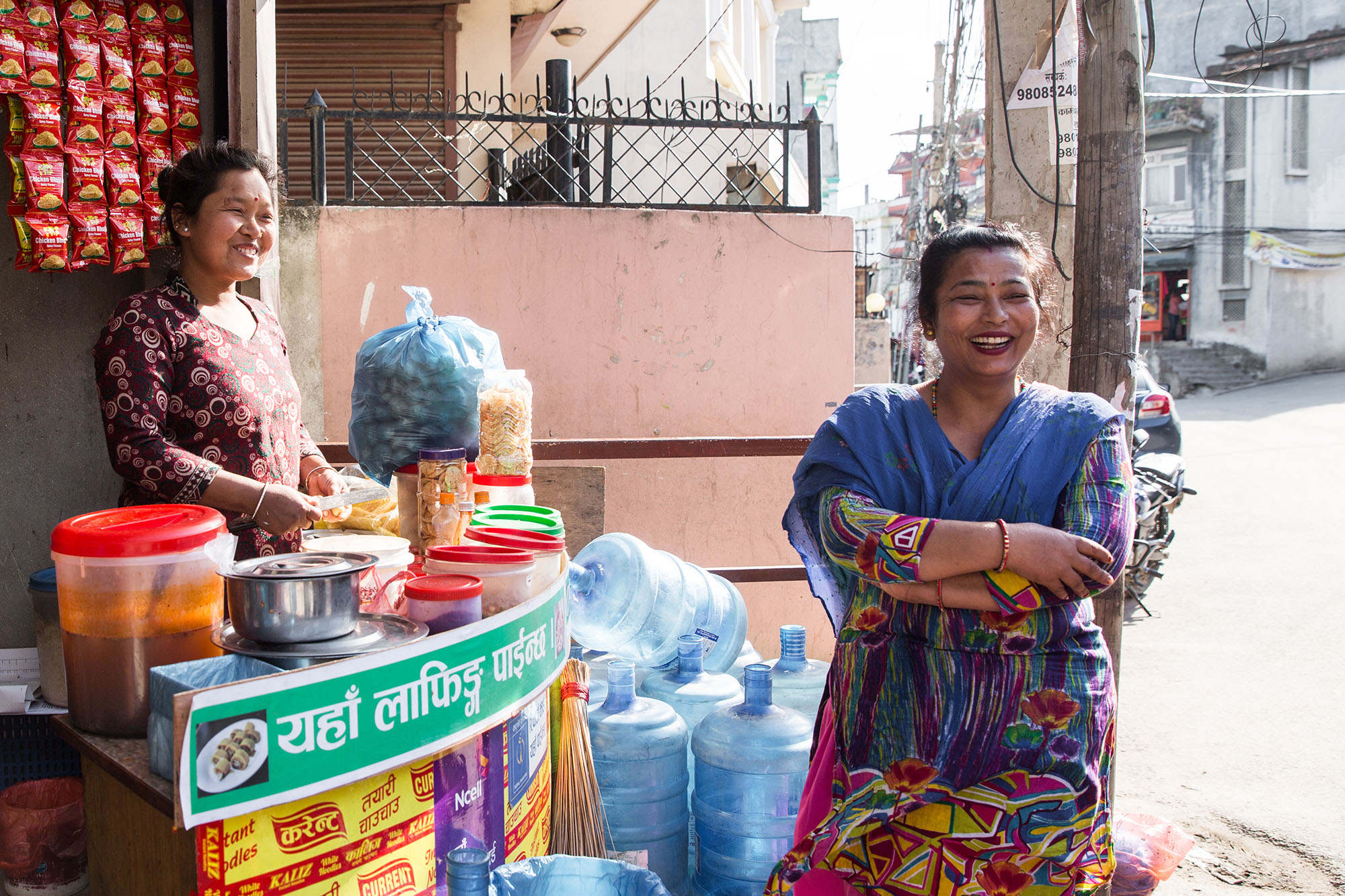
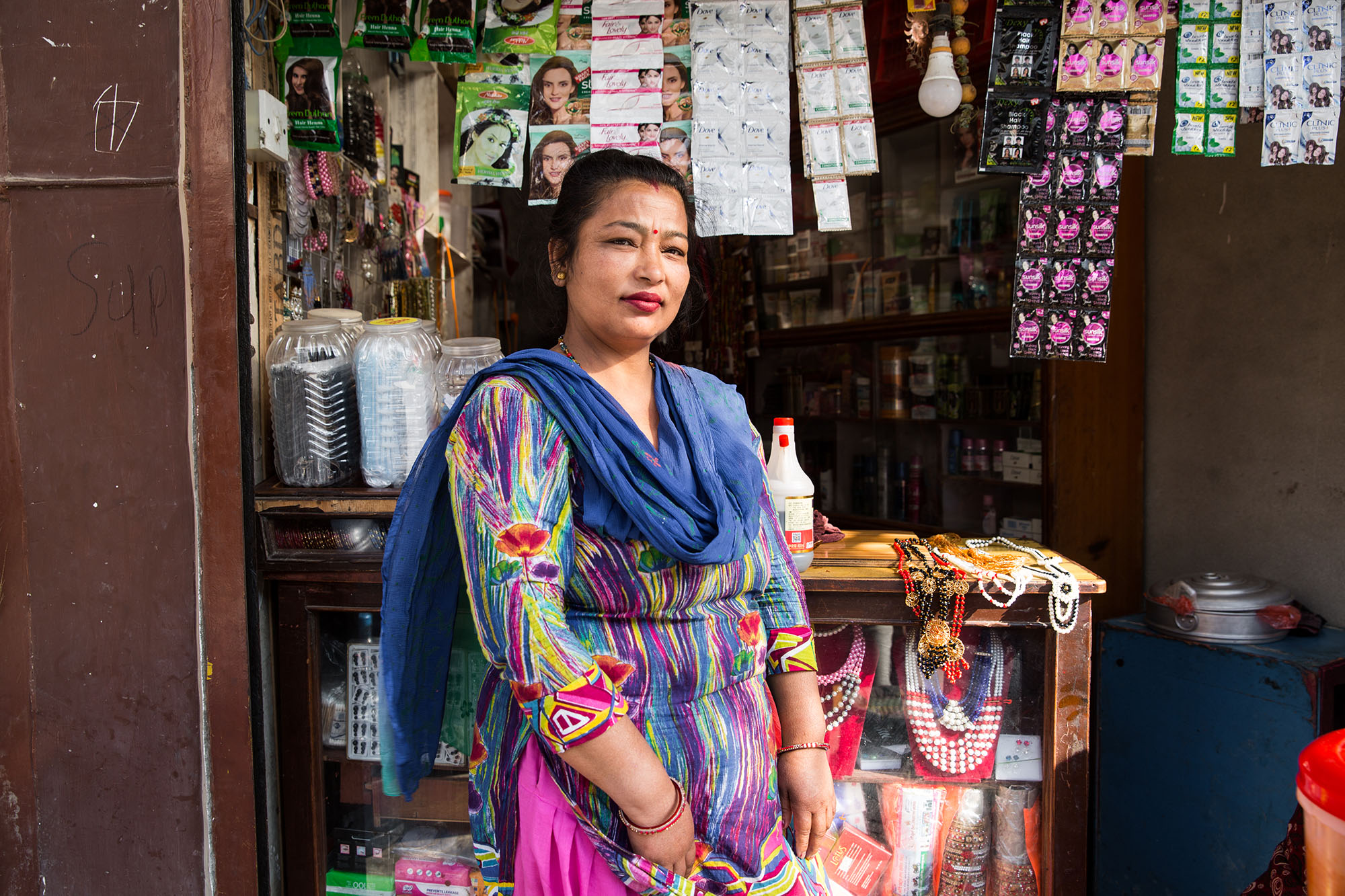
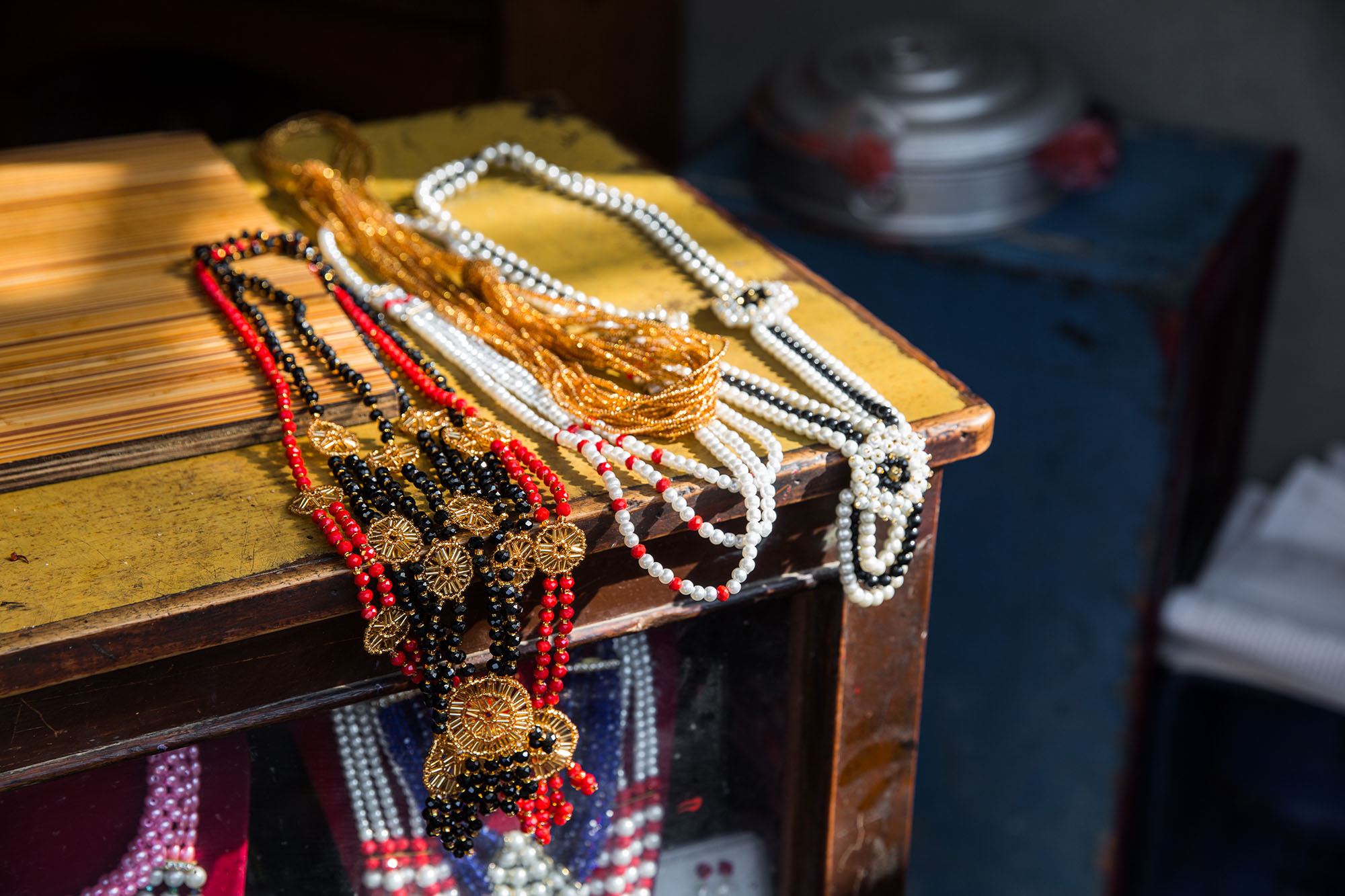
The second is a woman, she always wanted to open her own jewelry but she didn’t have entrepreneur skills. Now she’s teaming up with a grocery store which gave her shelves to expose her creations. She’s learned a lot, especially about accounting.
Remote school in Namobuddha

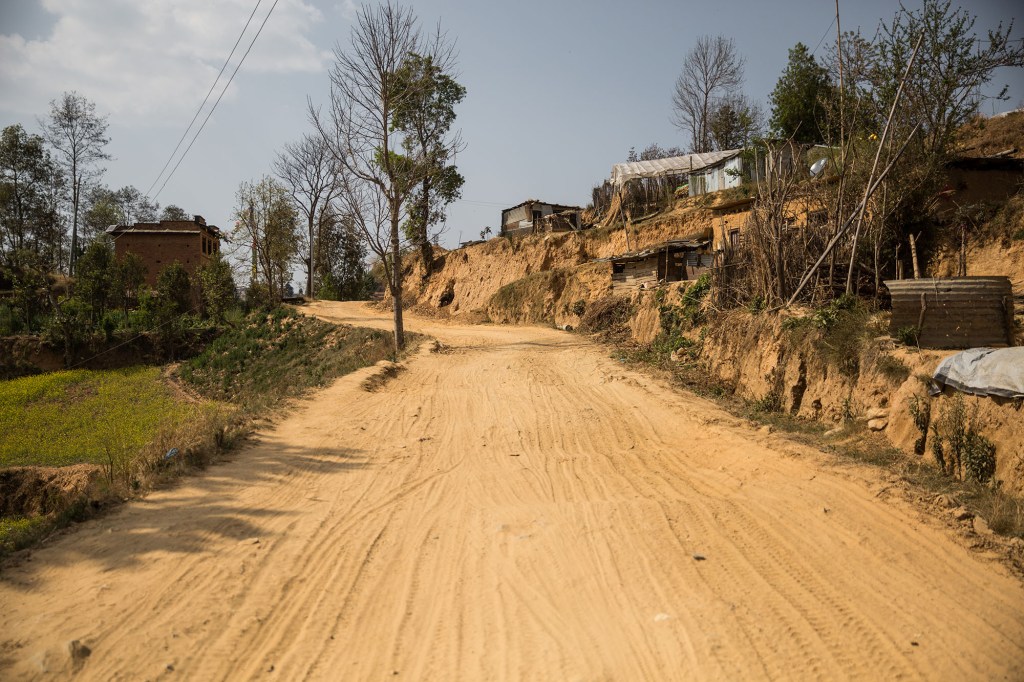
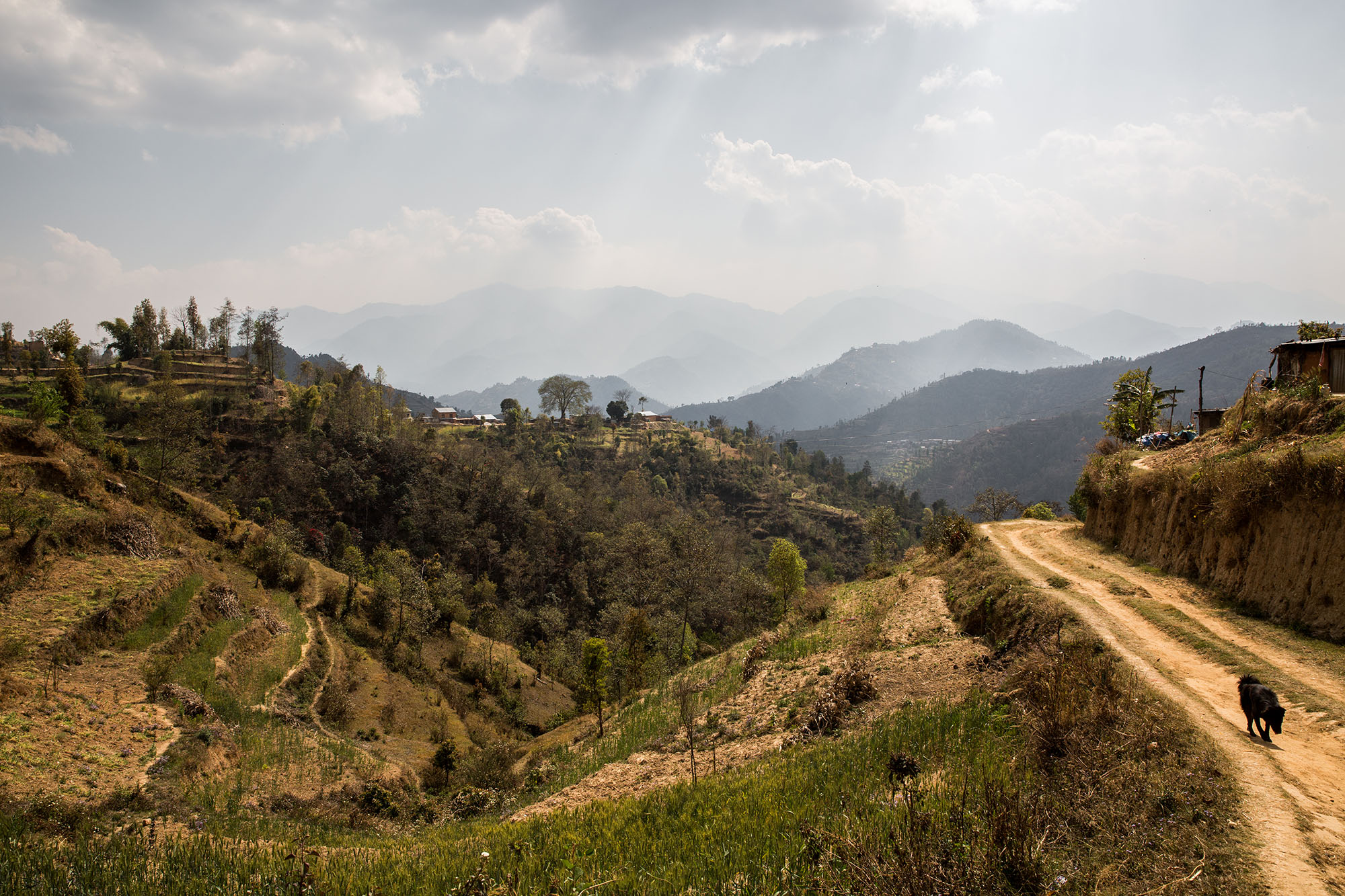
On the second day we went to Namobuddha at 3 hours from Katmandu through bumpy roads. So bumpy that Laura had a headache when we arrived.
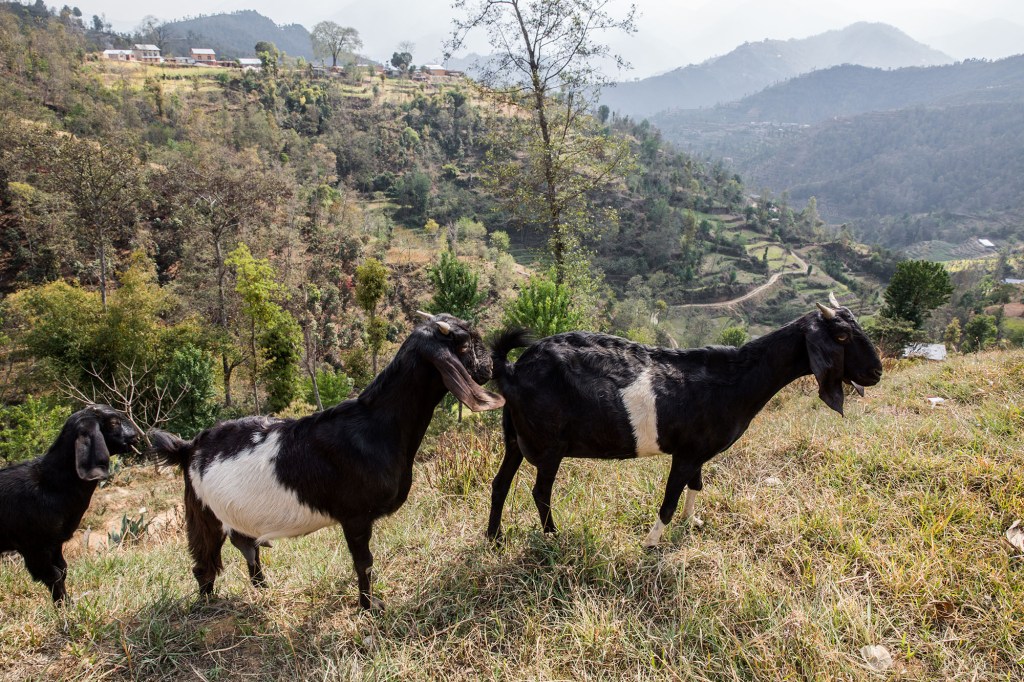
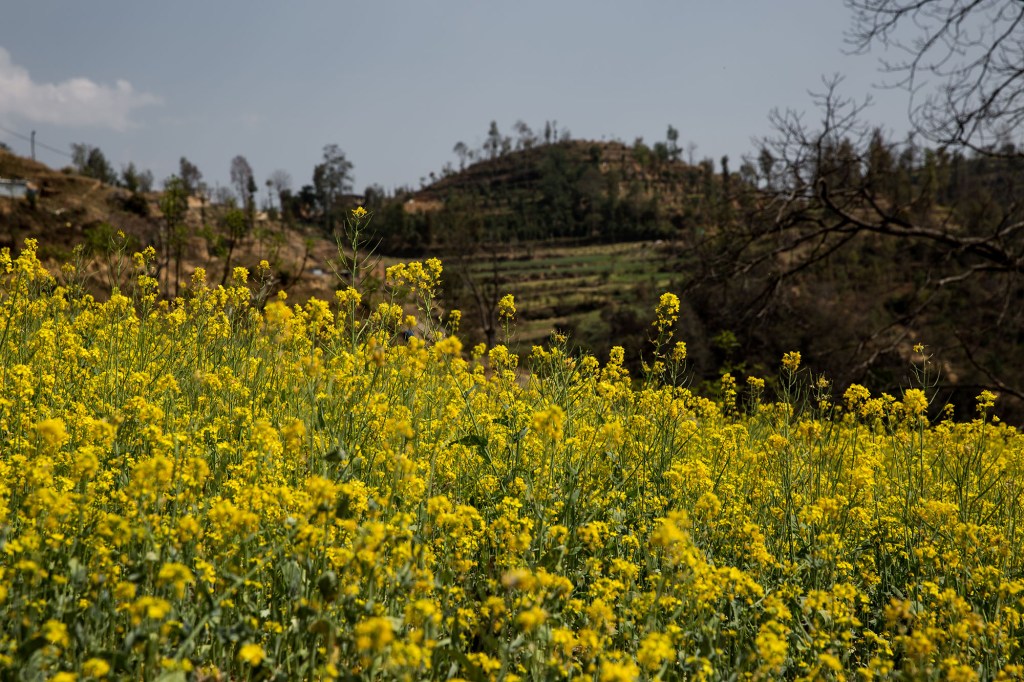
Namobuddha is also famous for its monastery, at the top of a hill with a panoramic view on the Himalayan mountains and where you can meet the novice (young boys) learning to become monk.

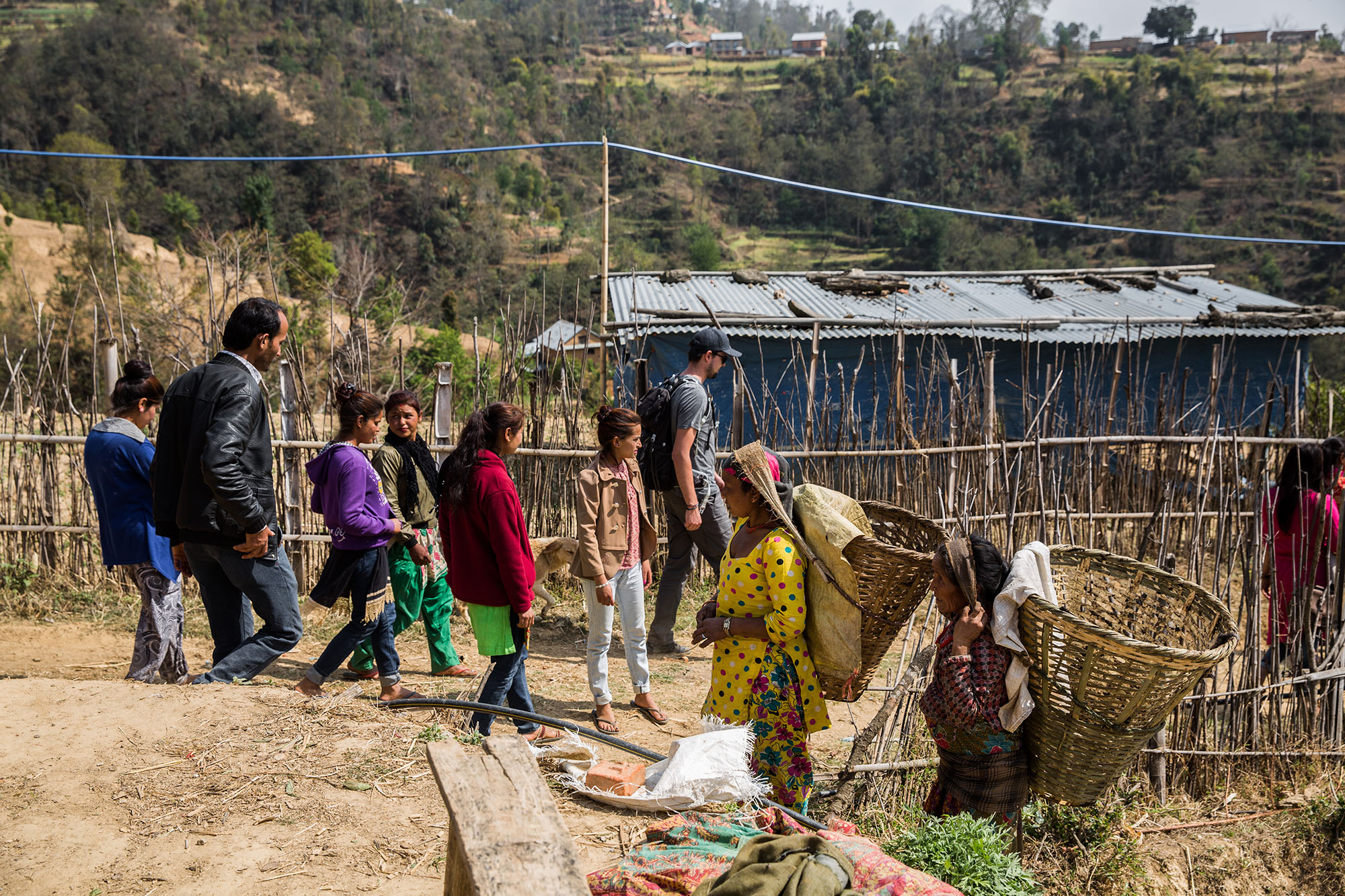
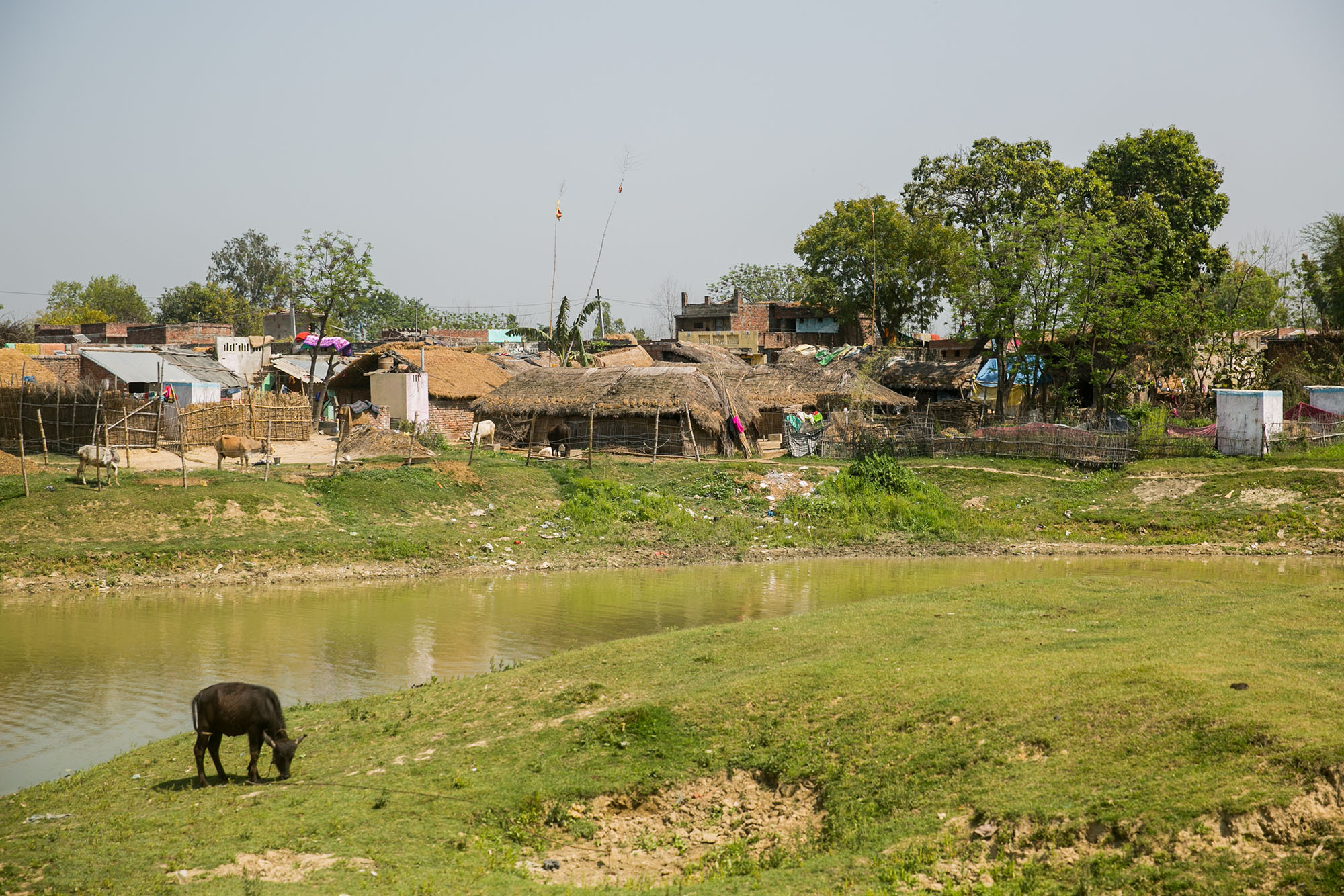
In this village agriculture is the main source of living and it’s so isolated that people can’t afford to go to university or high school. Therefore their destiny is to be farmer.

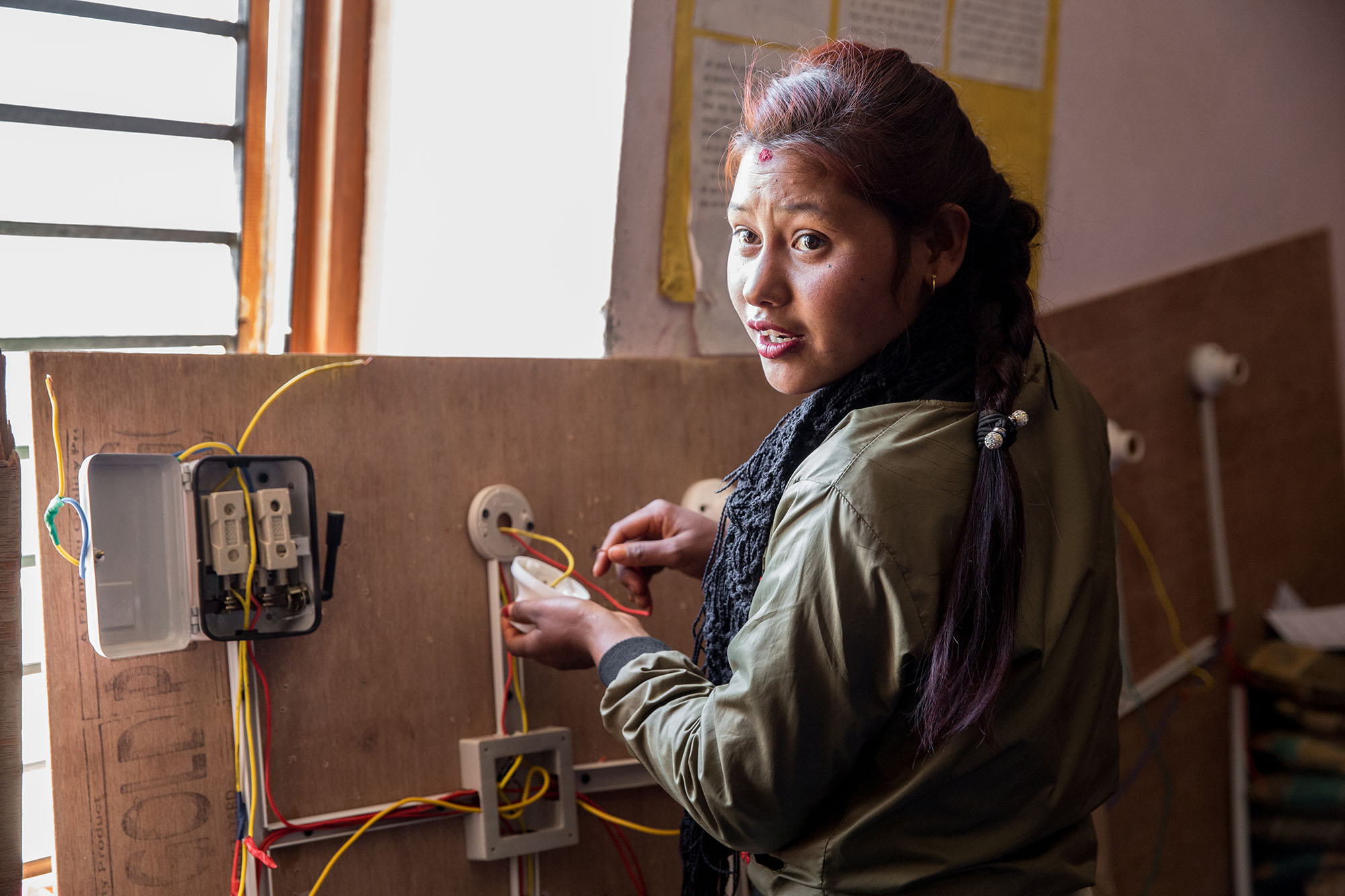
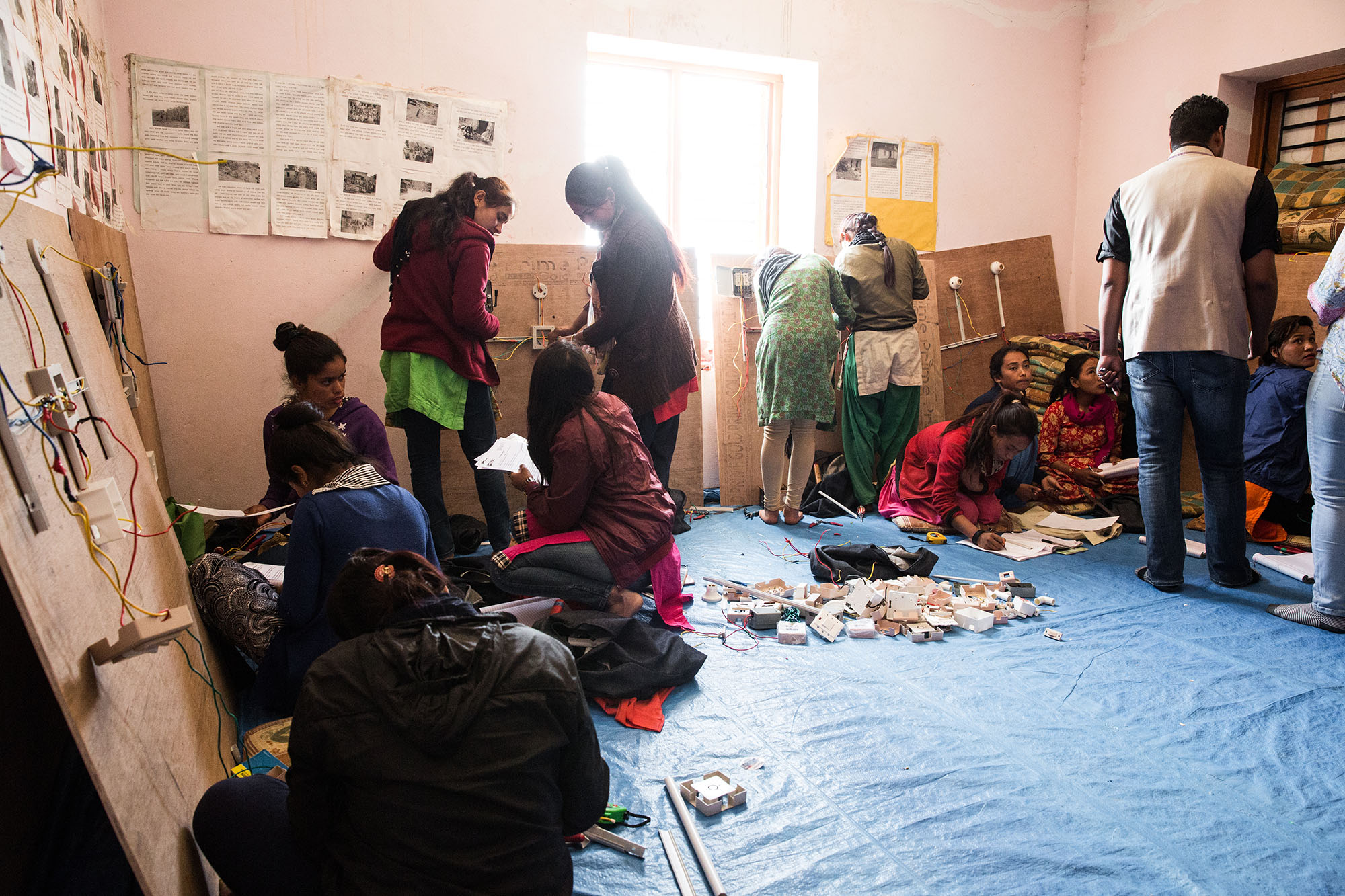
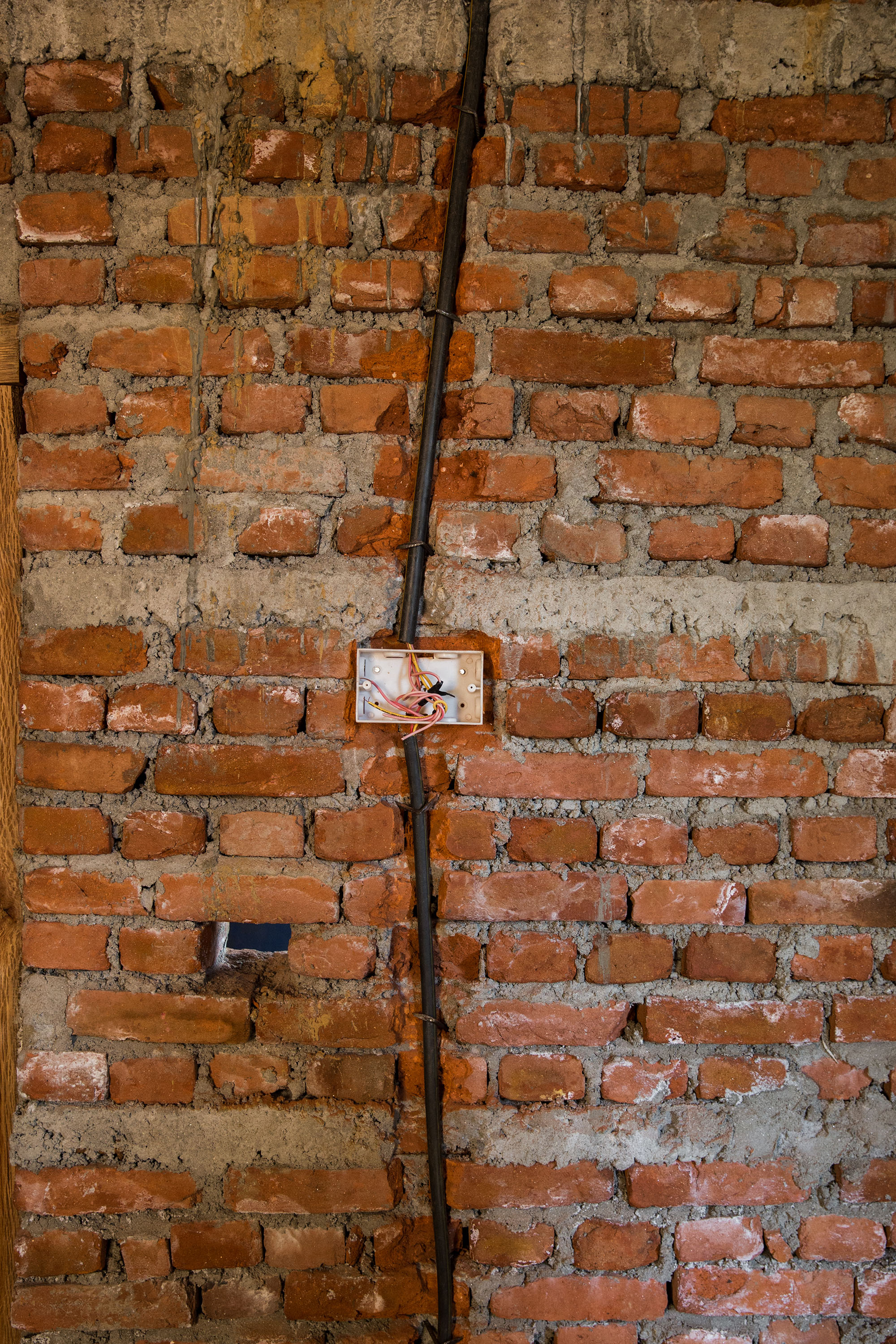
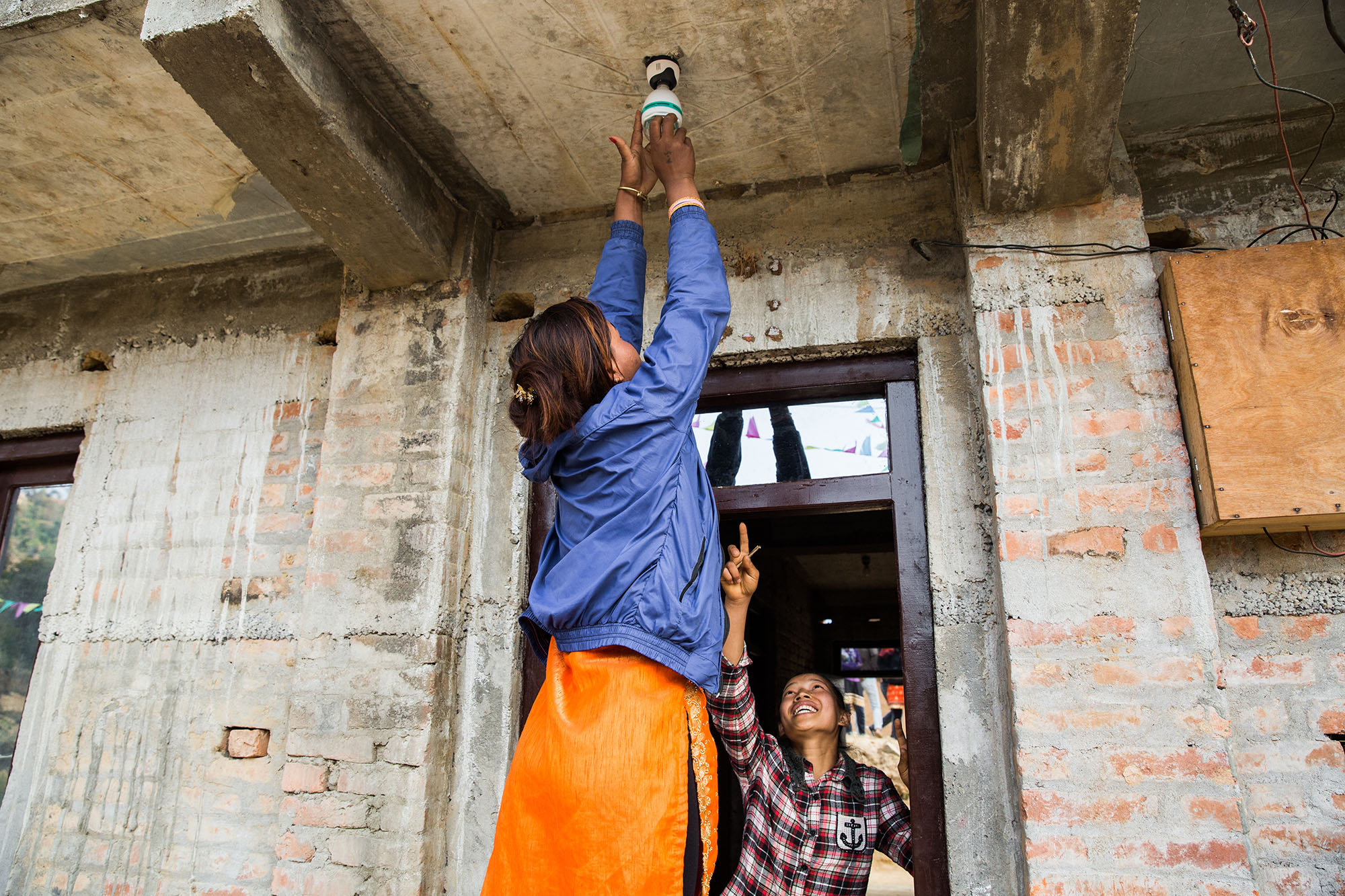
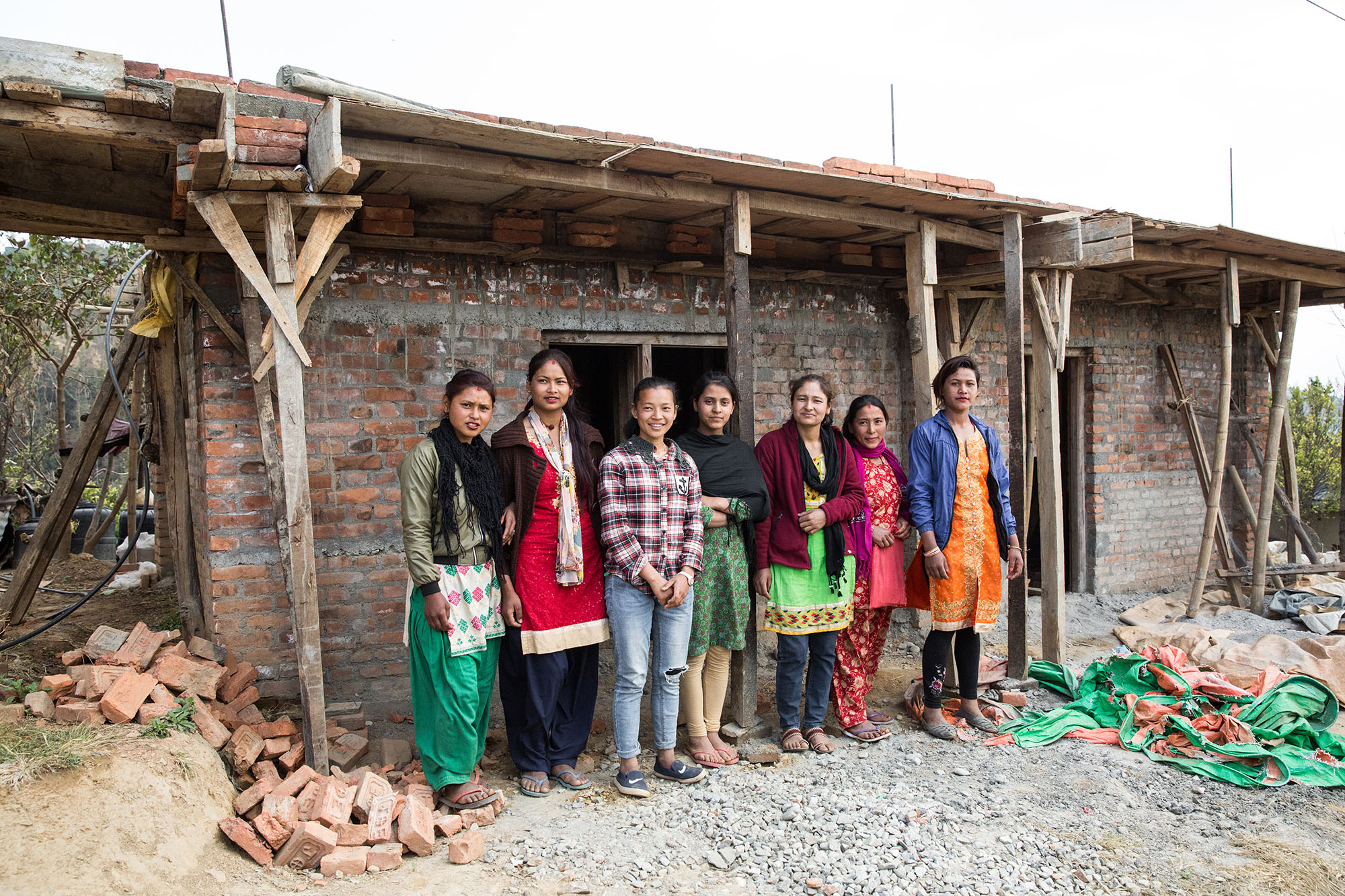
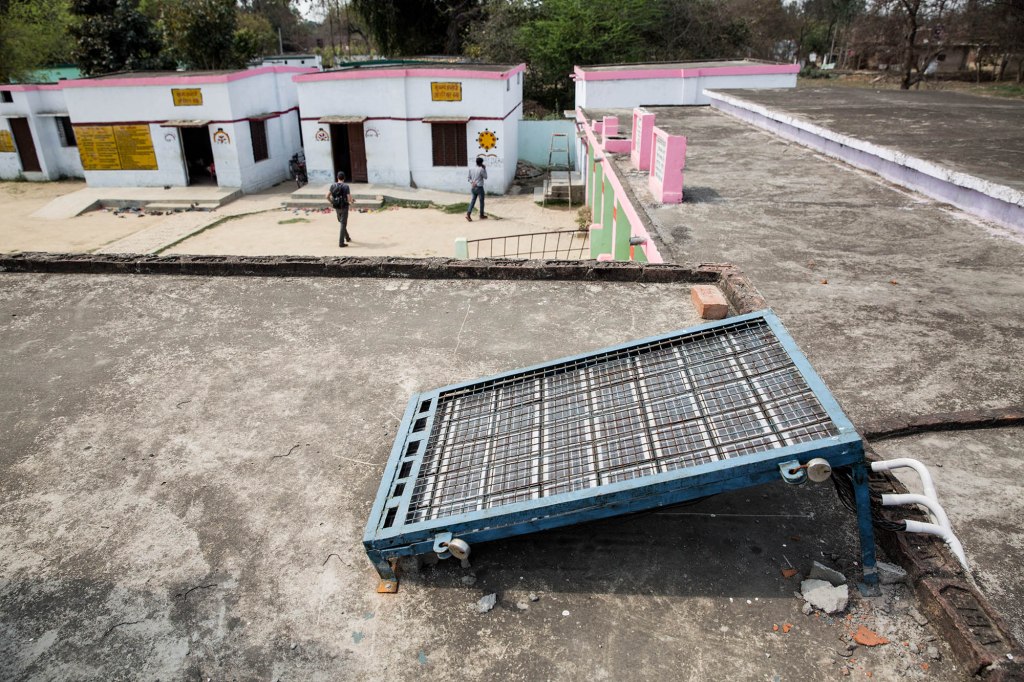
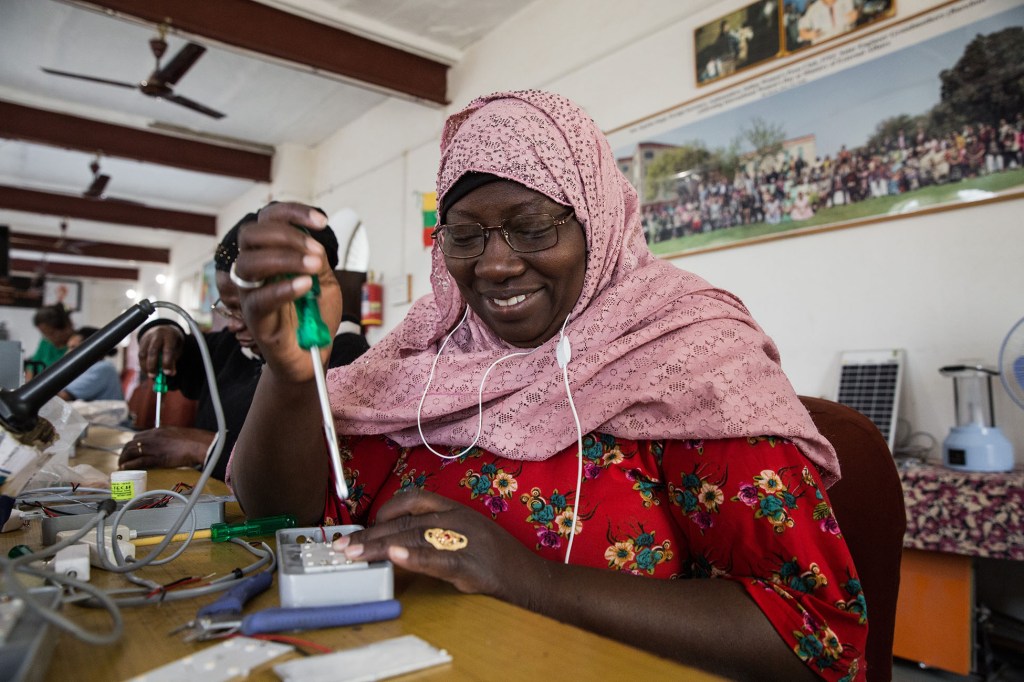
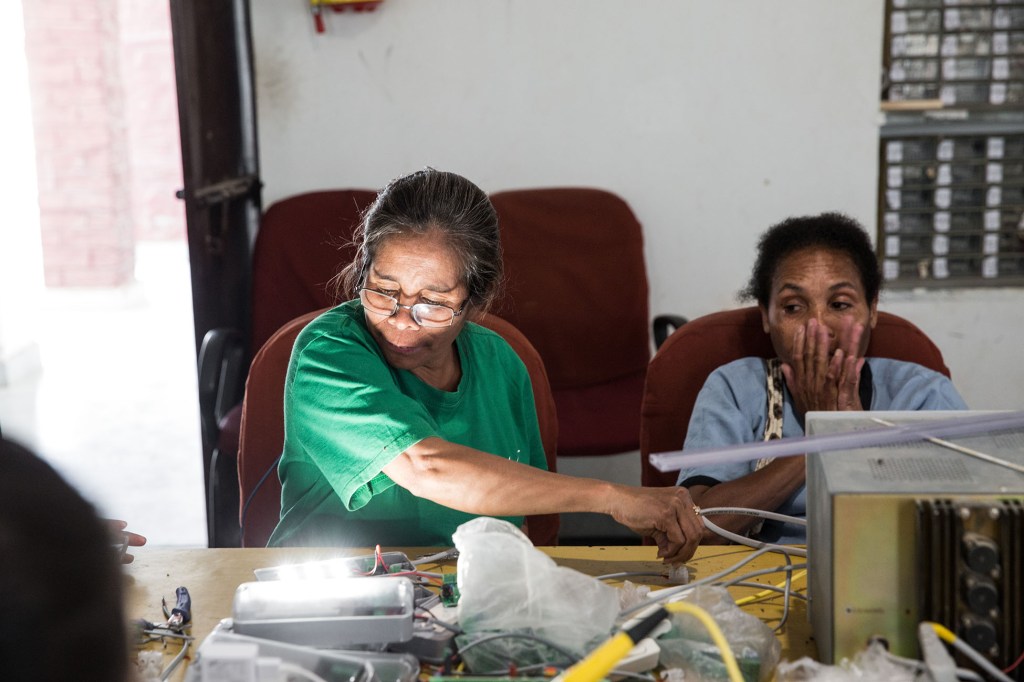
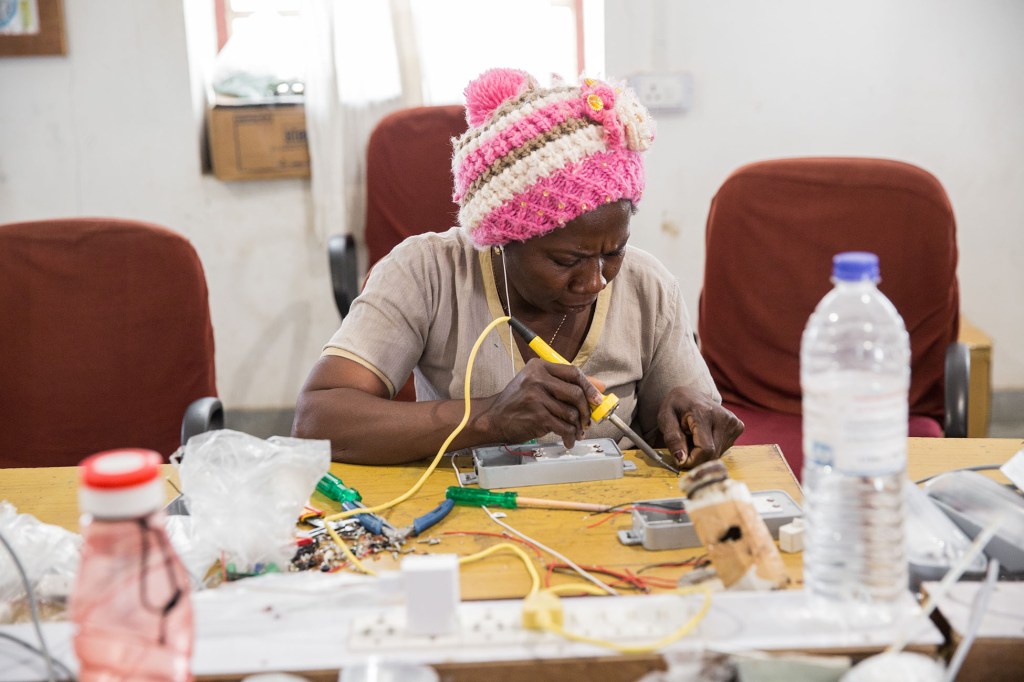
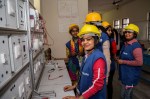
Signify foundation and BRAC came with the idea to create a remote school giving a 3 months formation to become electrician.
Namobuddha is the first village, the pilot, and after this village the school will do the same exercise in another isolated village.
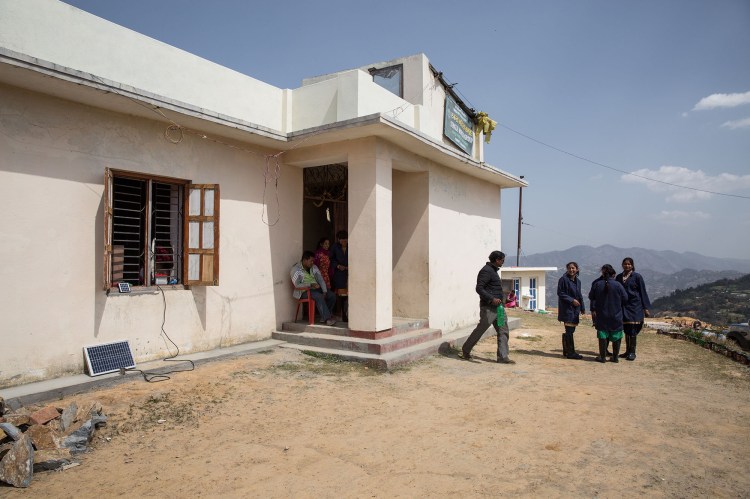
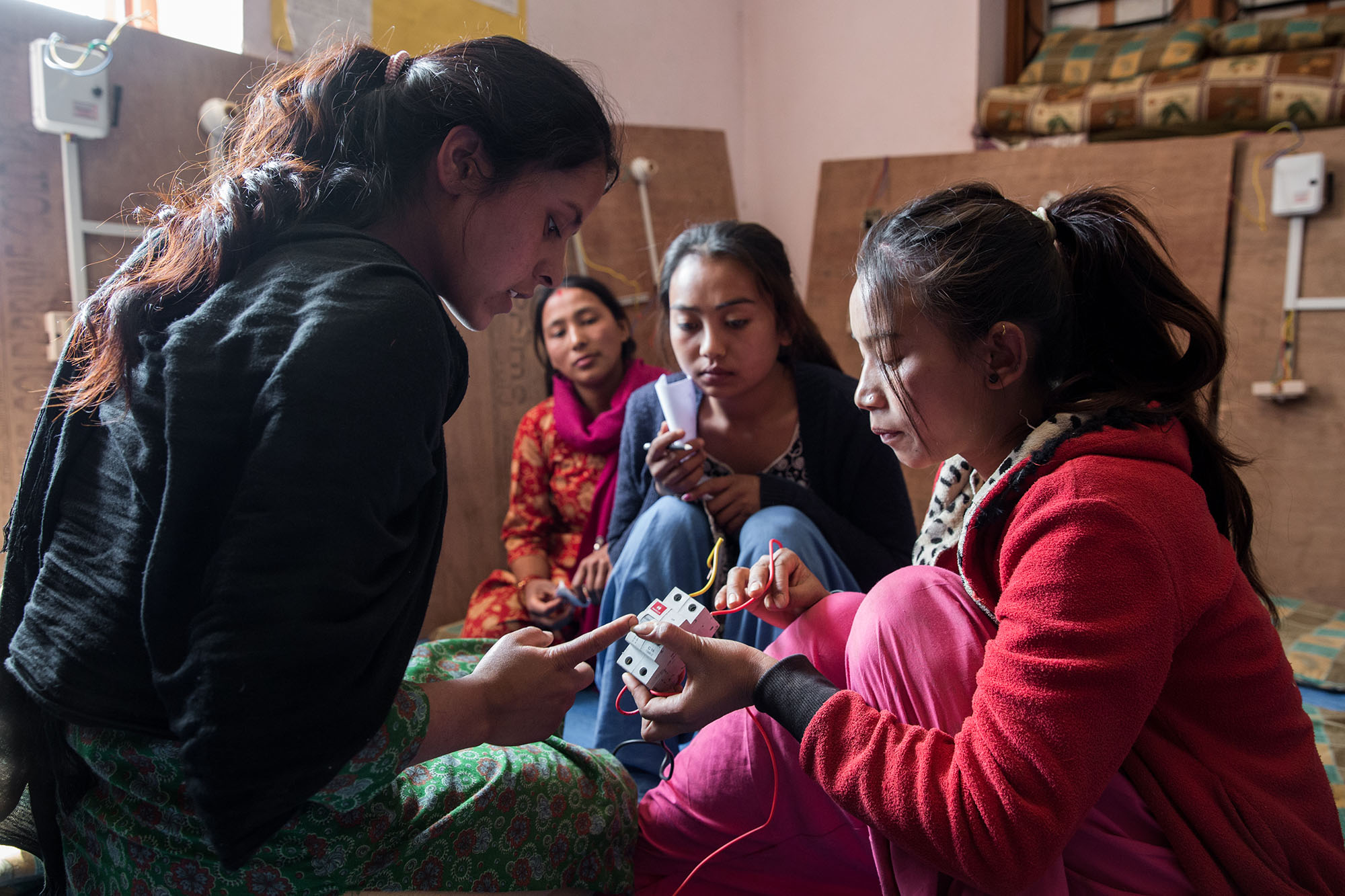
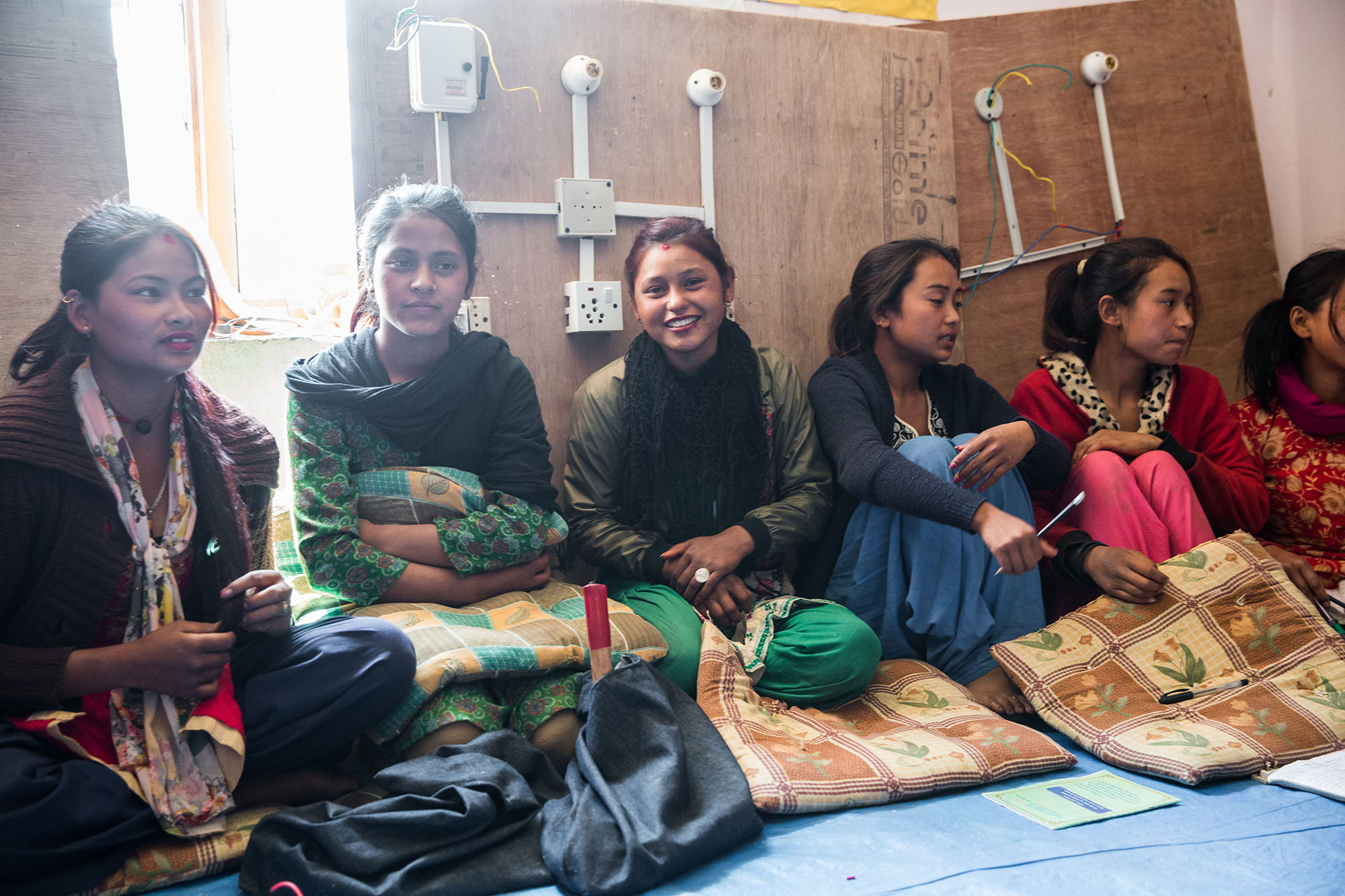
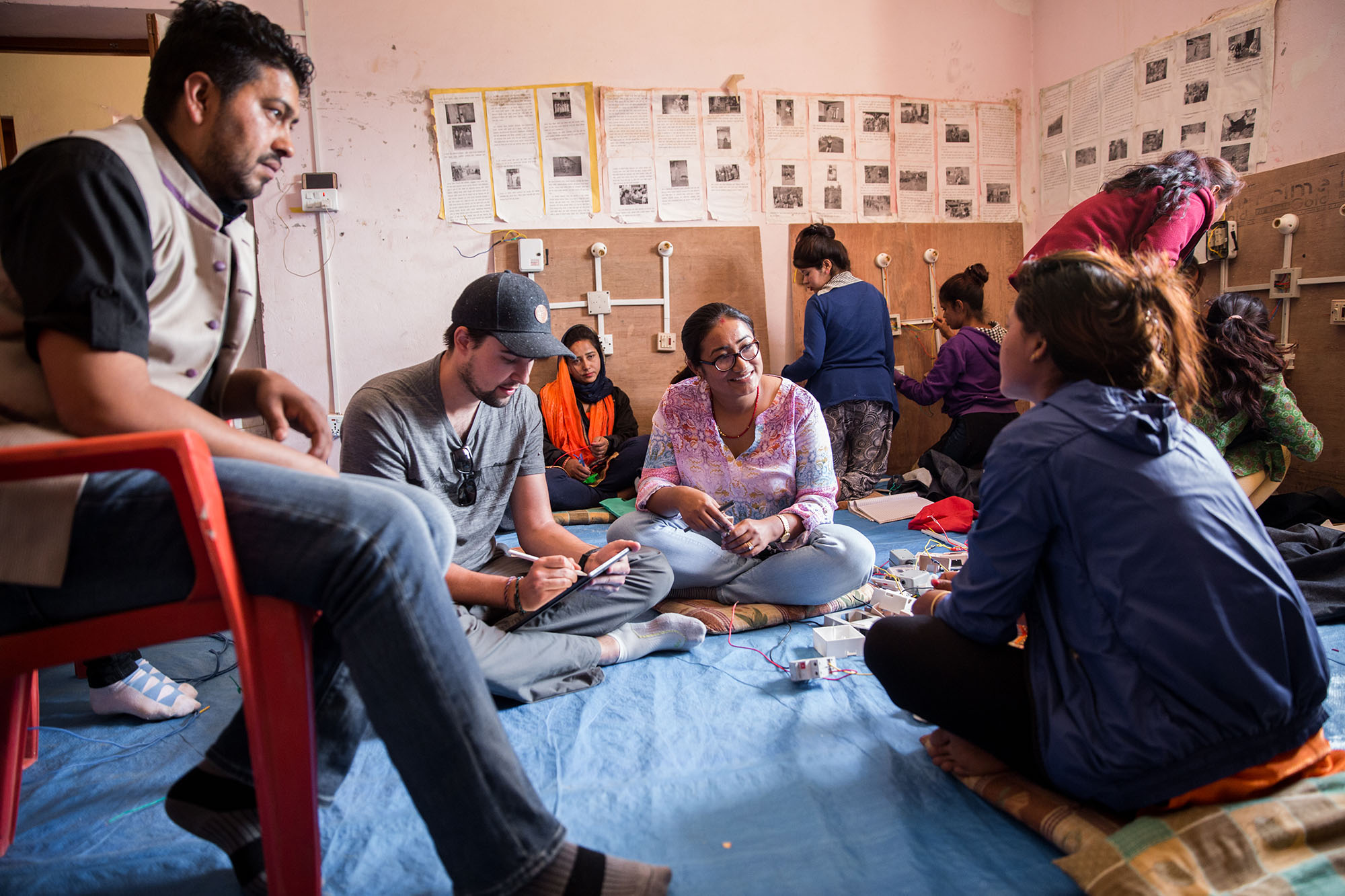
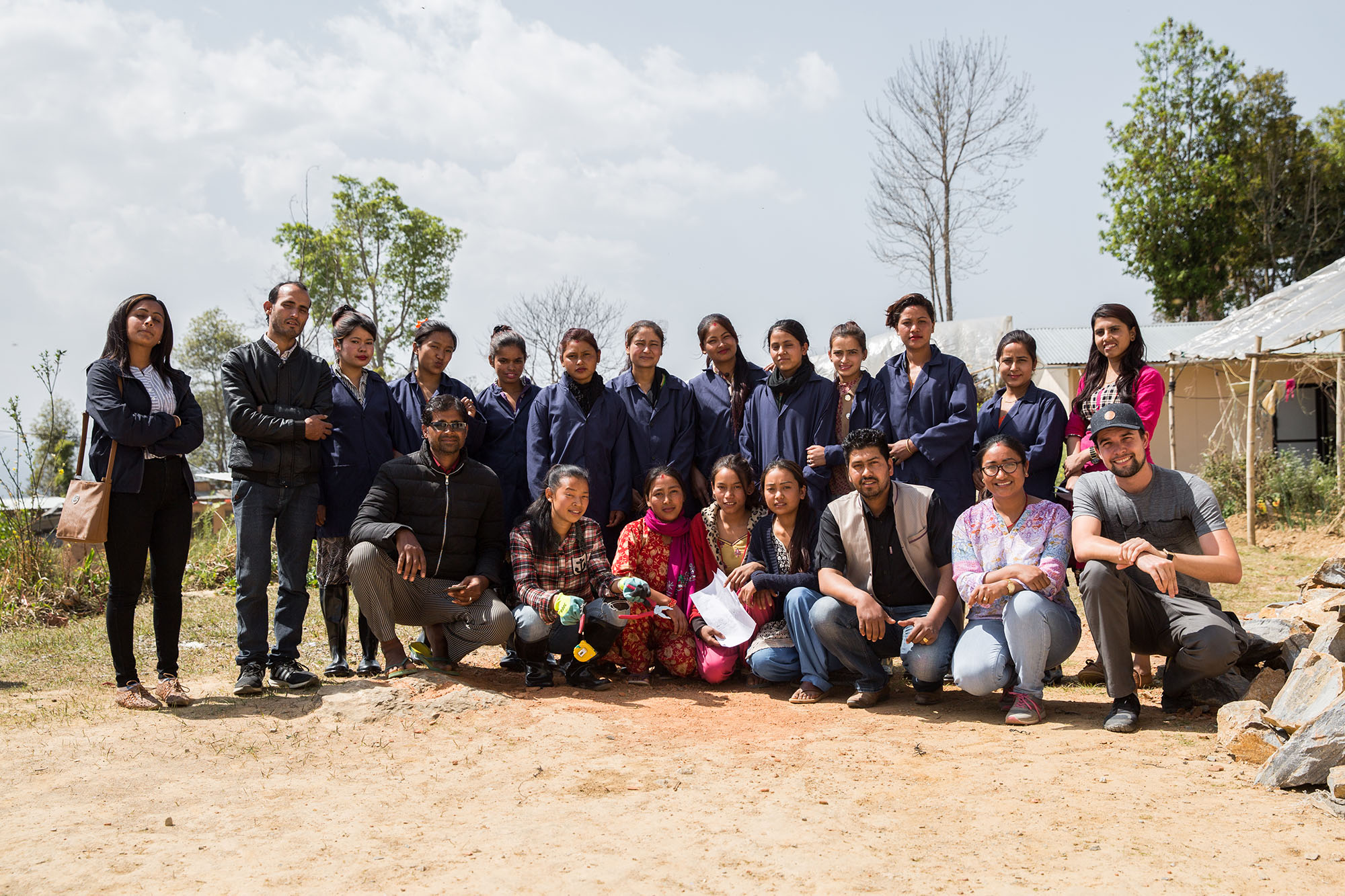
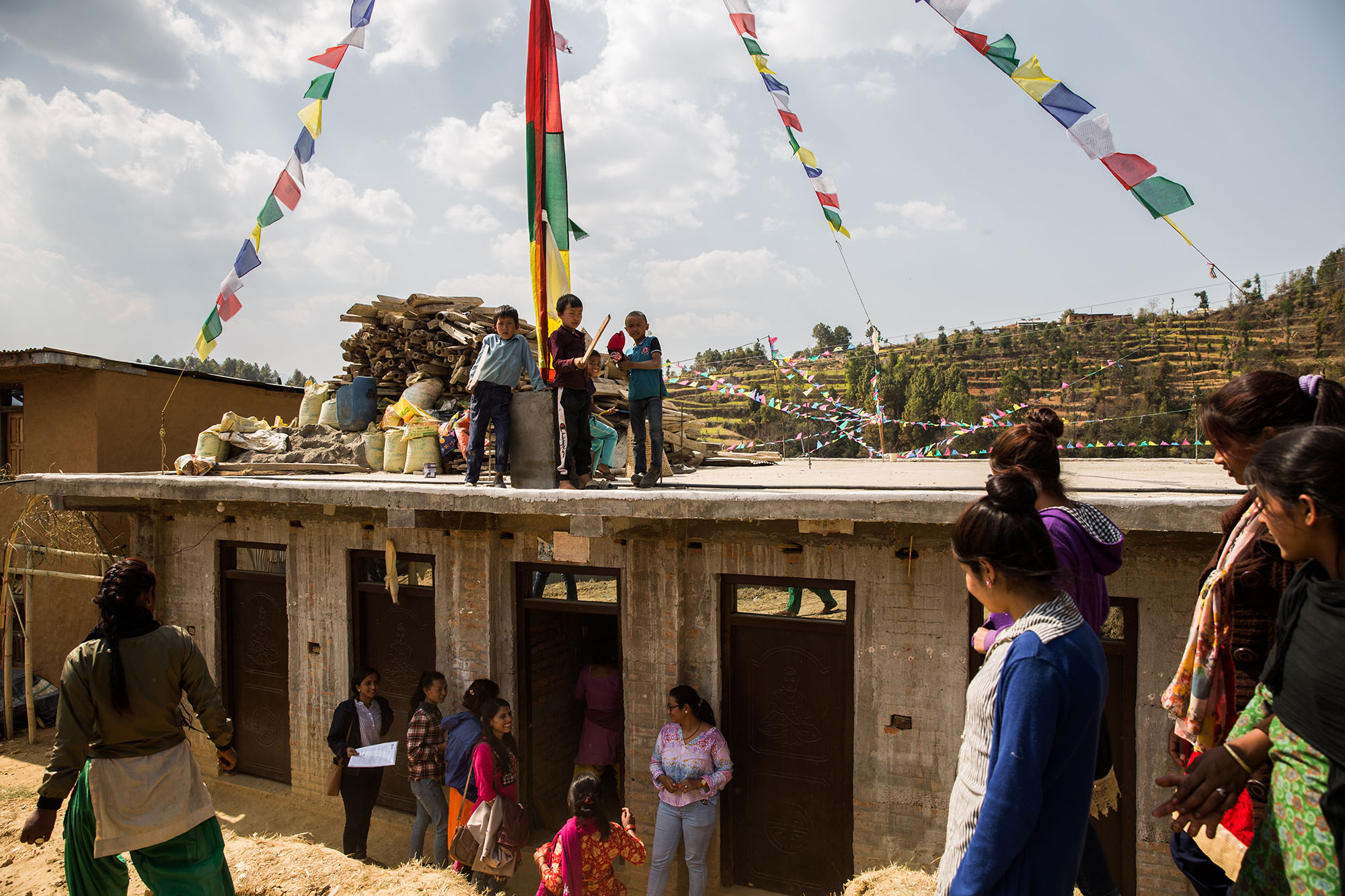
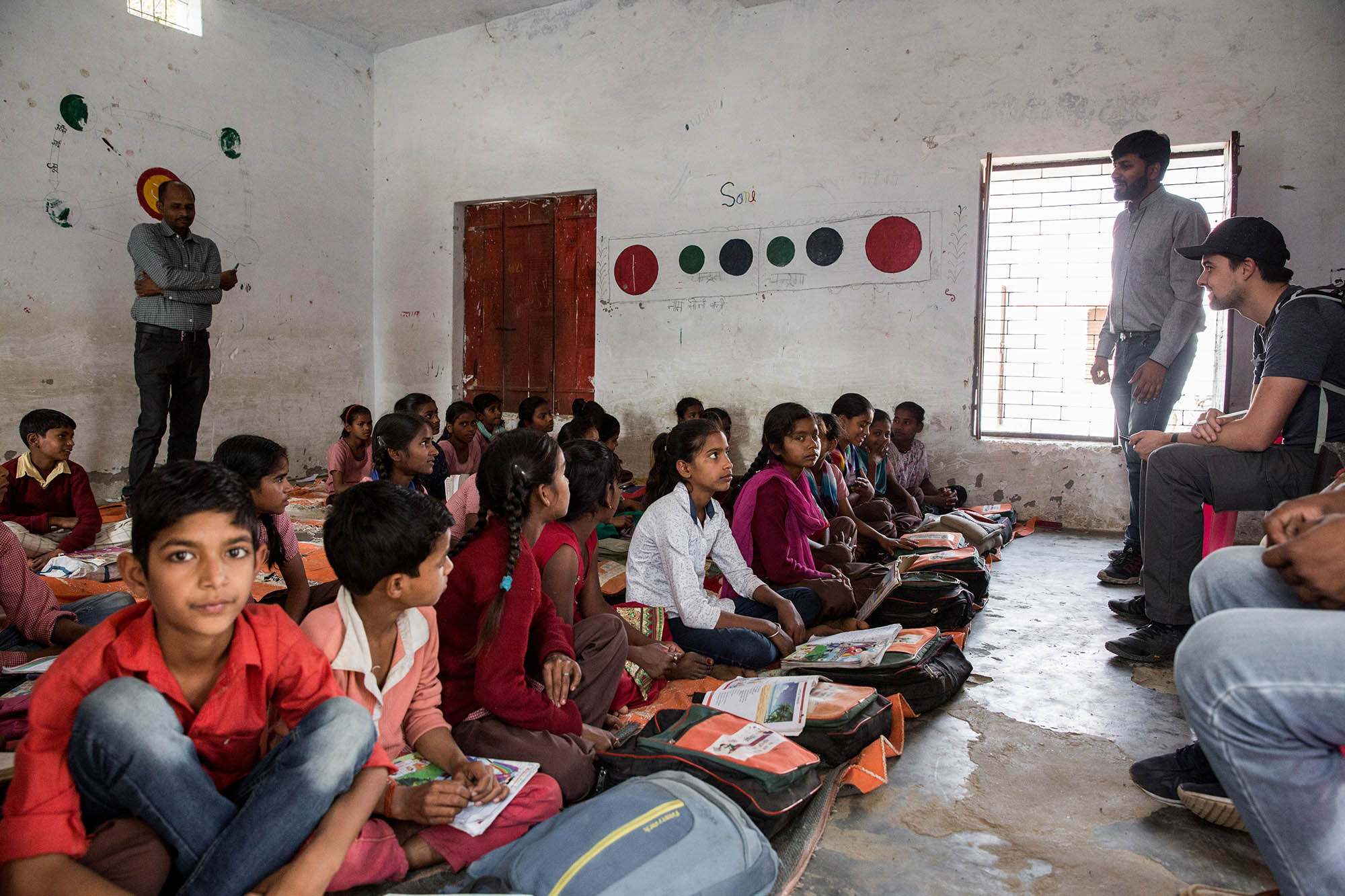
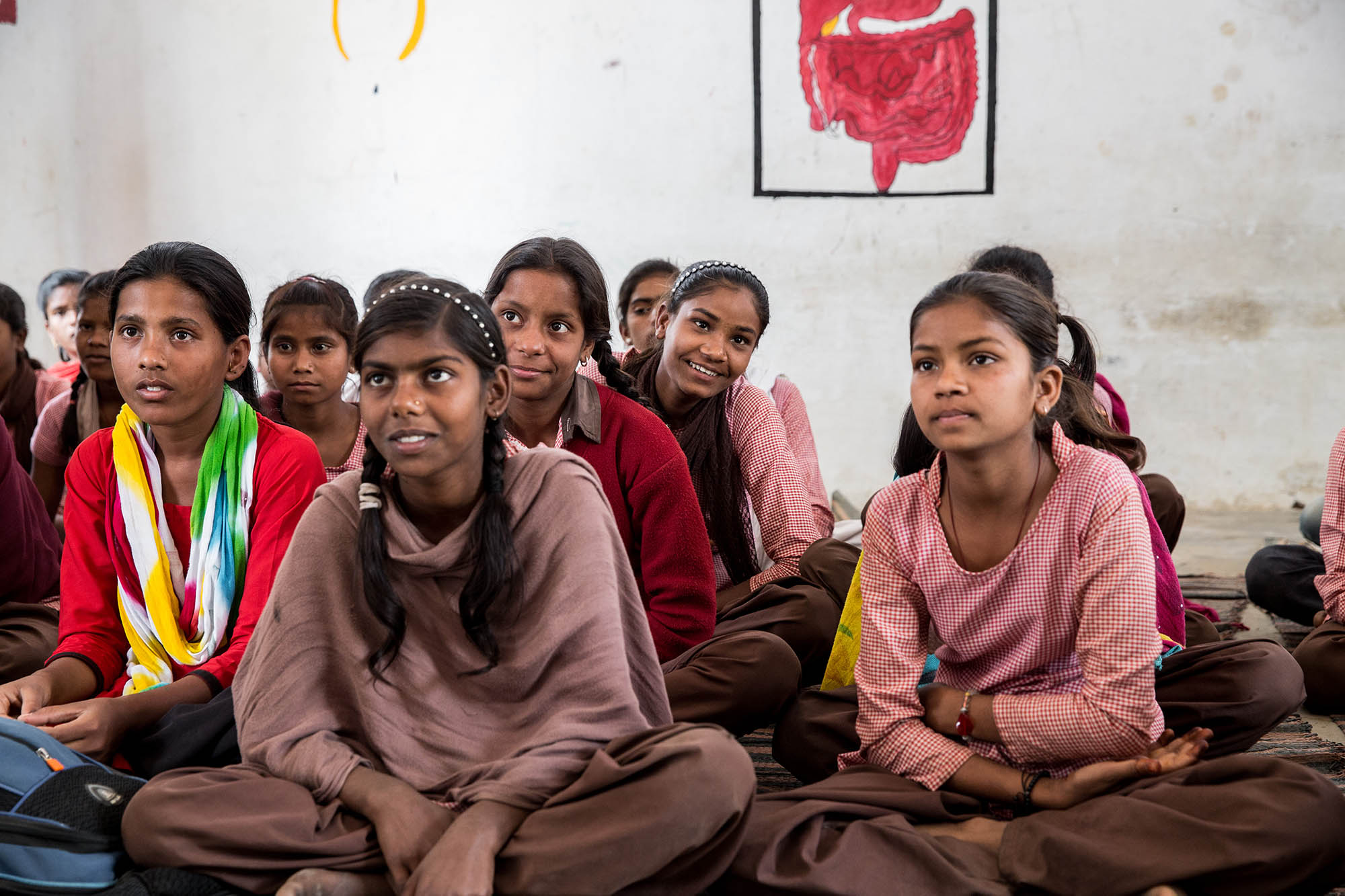
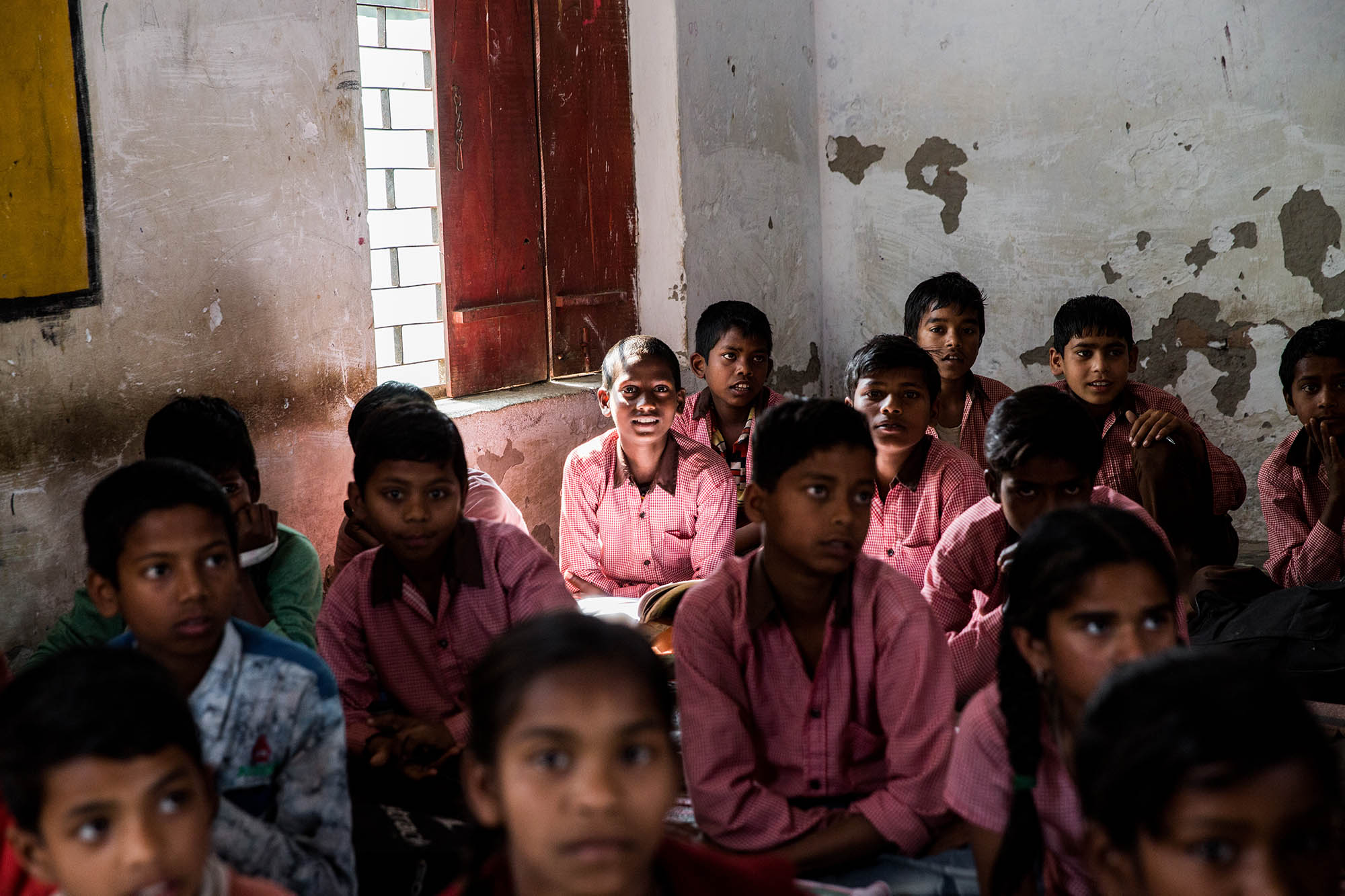
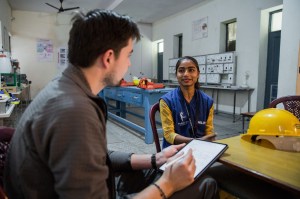
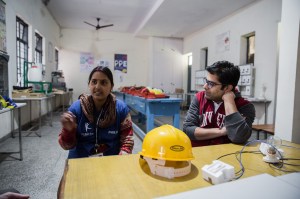
We were lucky to visit the school and meet the 17 girls few weeks before their exams.
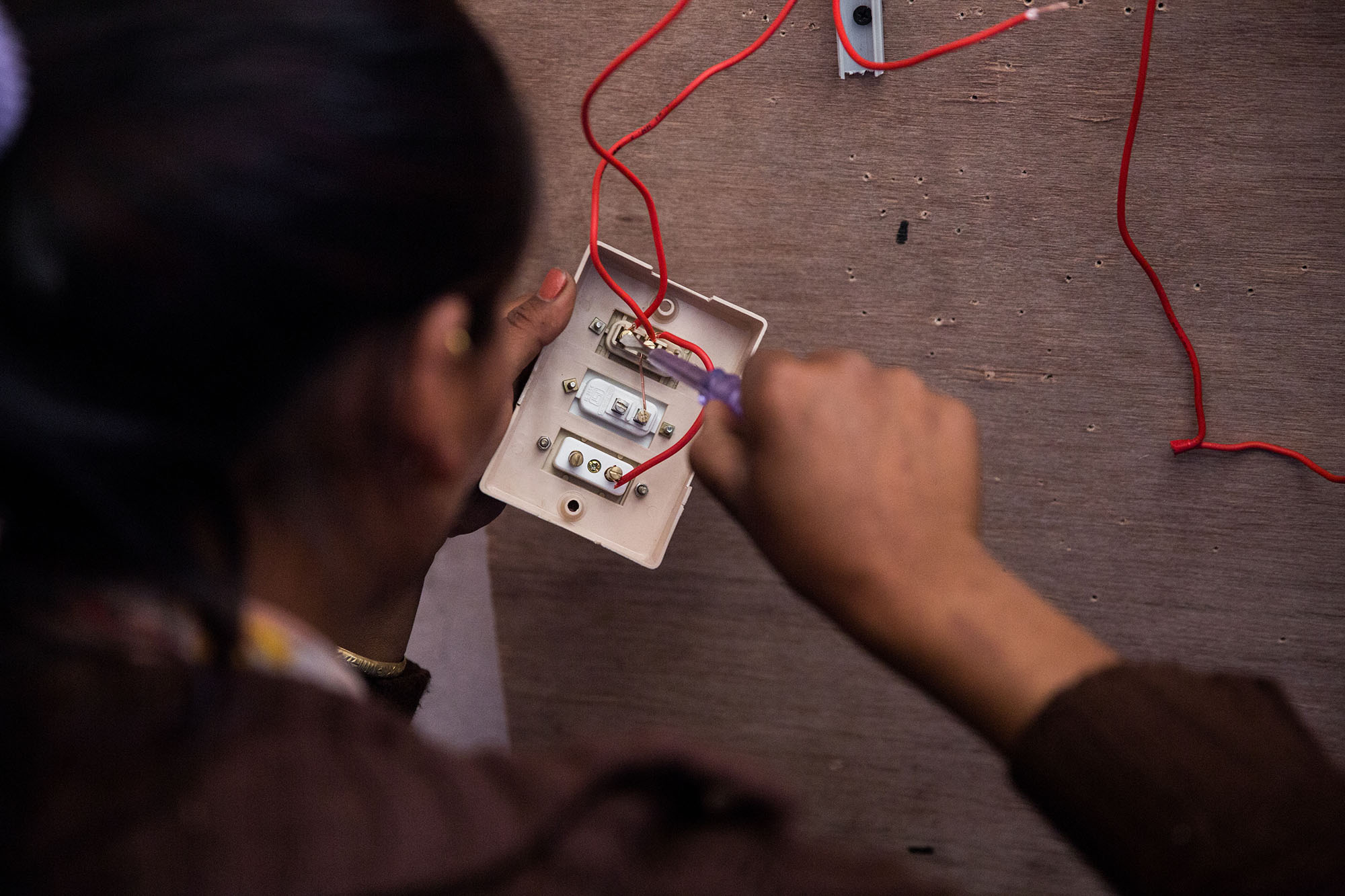
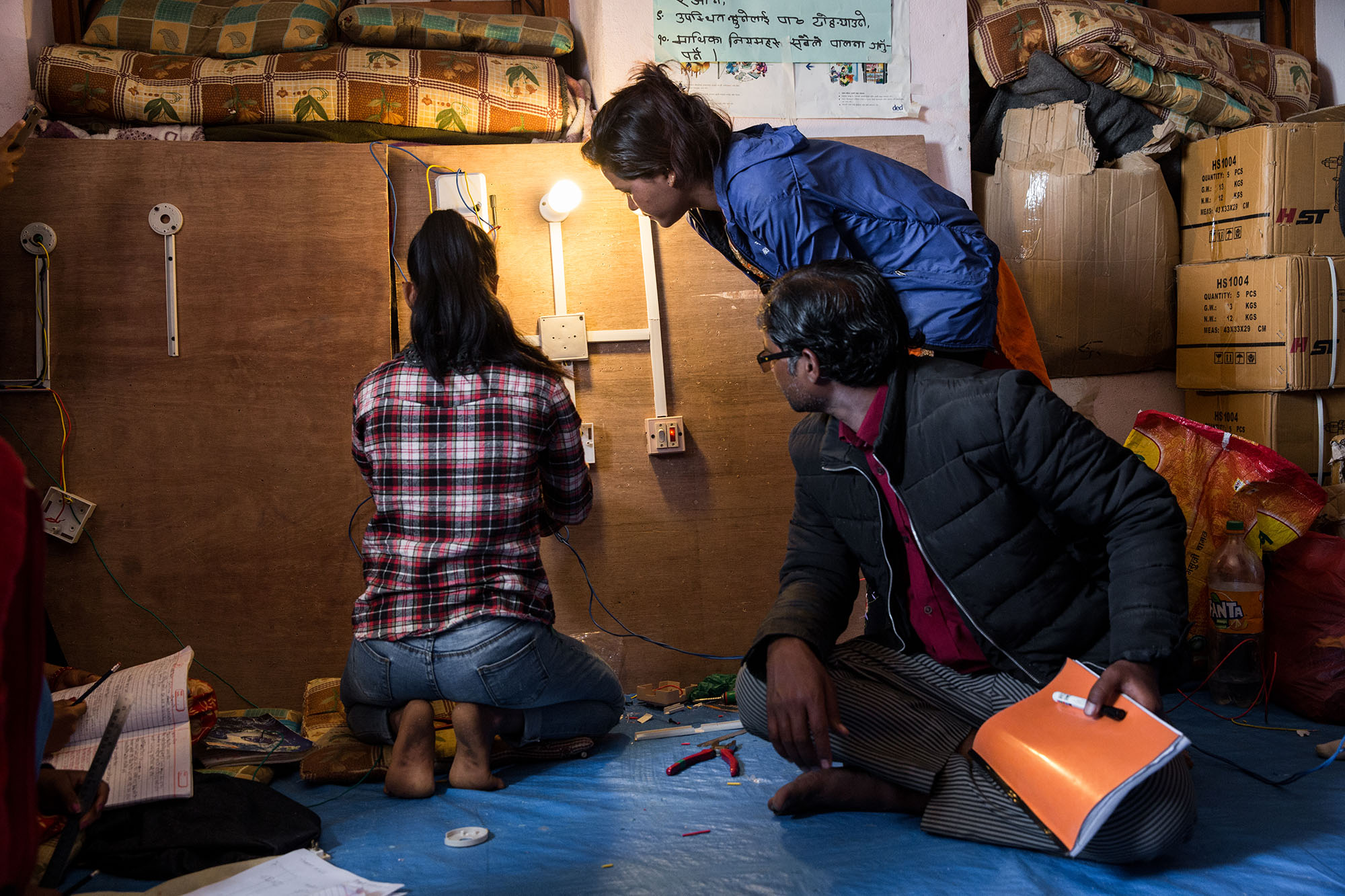
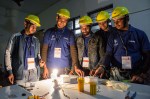
The cursus is one month of theory and then two months of practice.
The teacher, Mr Tika Ram Bhatta has 16 years of experience but it’s the first time he teaches to women. “There is no big difference except they are silent and focus”, he admits.
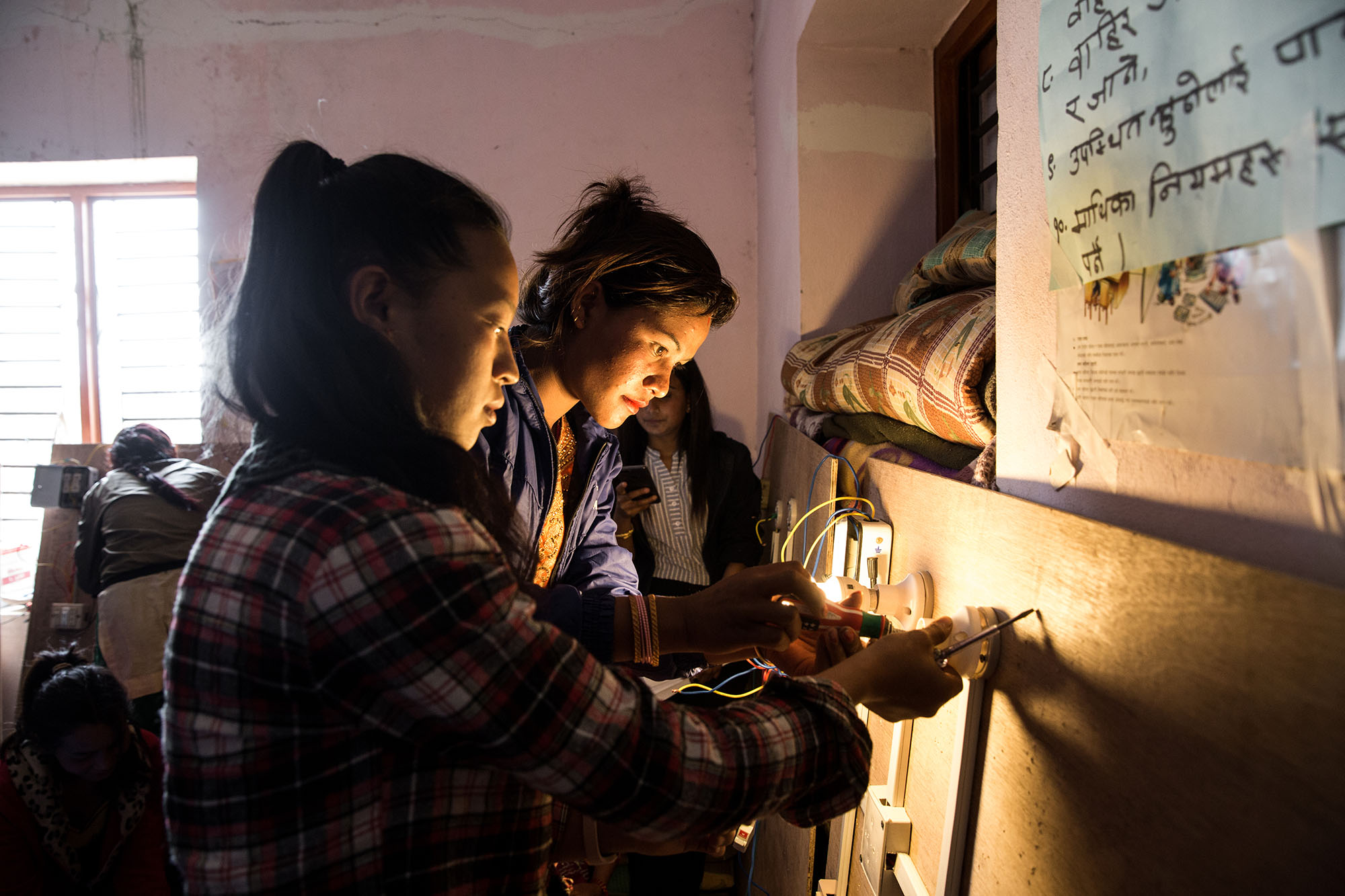
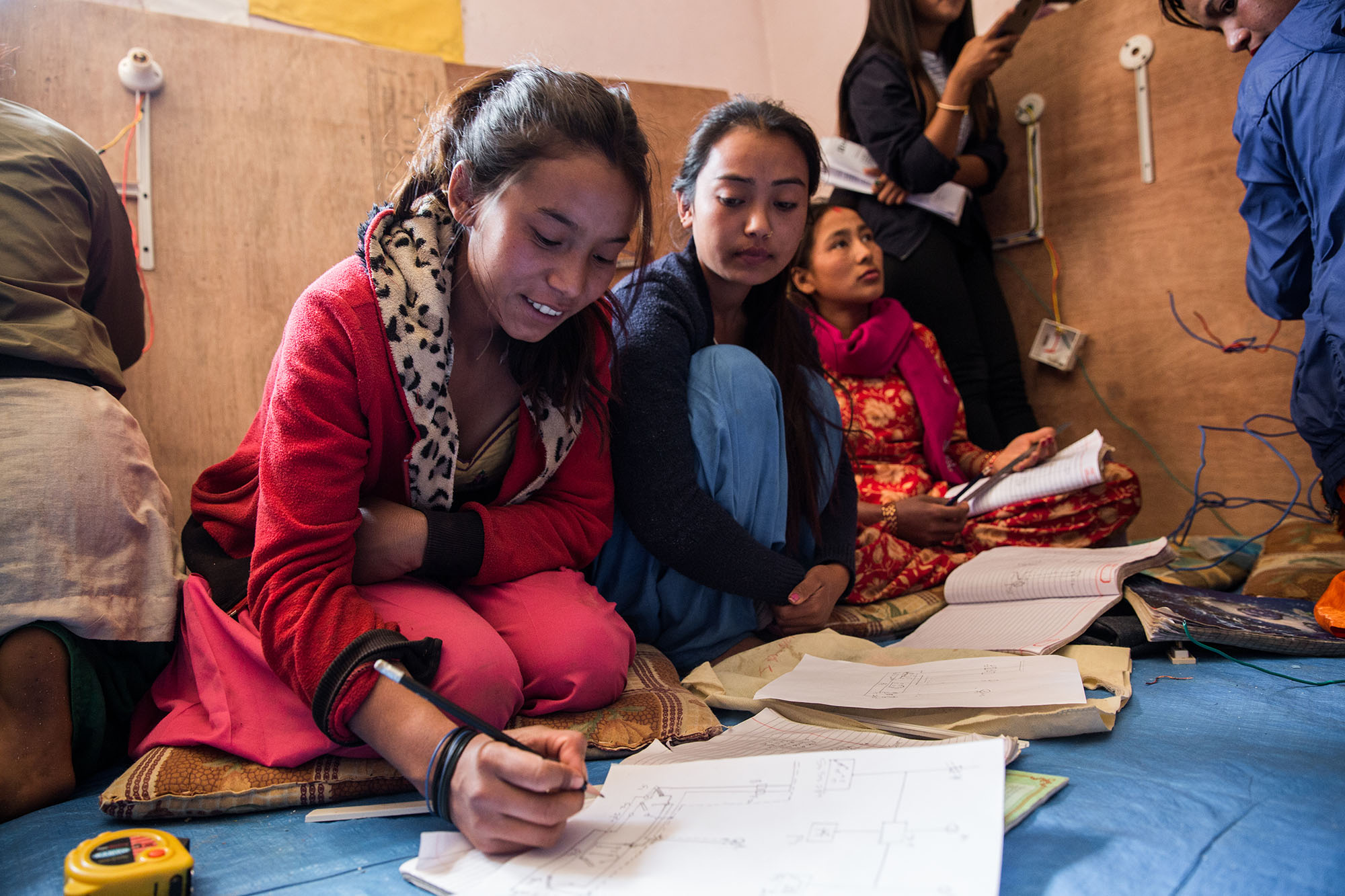
He’s really confident about their future especially thanks to the on-the-job training.

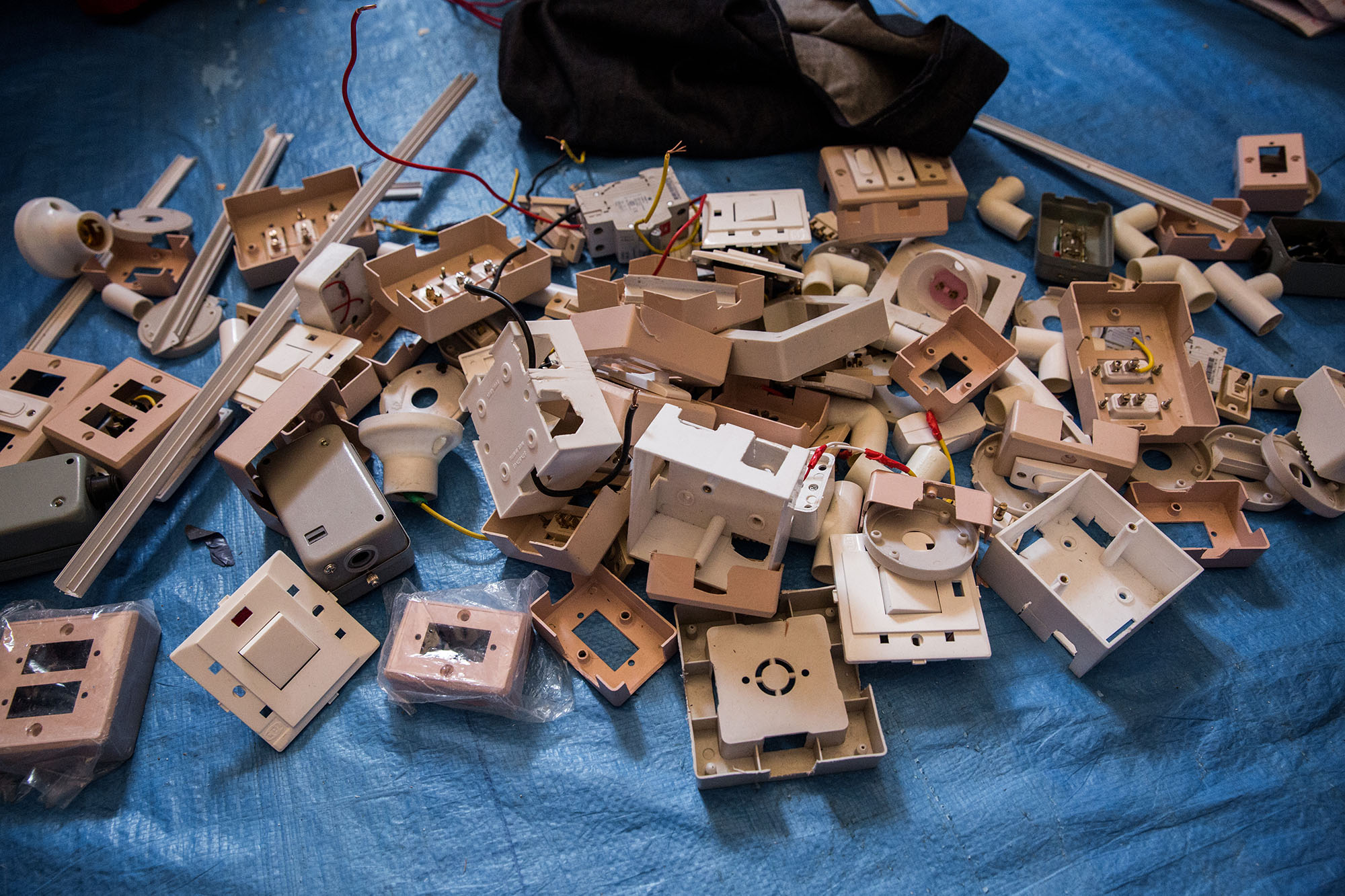
Since it’s a pilot, I was also interested to hear from the teacher what could help to make the formation even better. Having one electric board for every student will help but surprisingly he also suggested to get some cheap products. The reason is that when those girls will work outside they’ll mostly work with cheap products than high end ones.
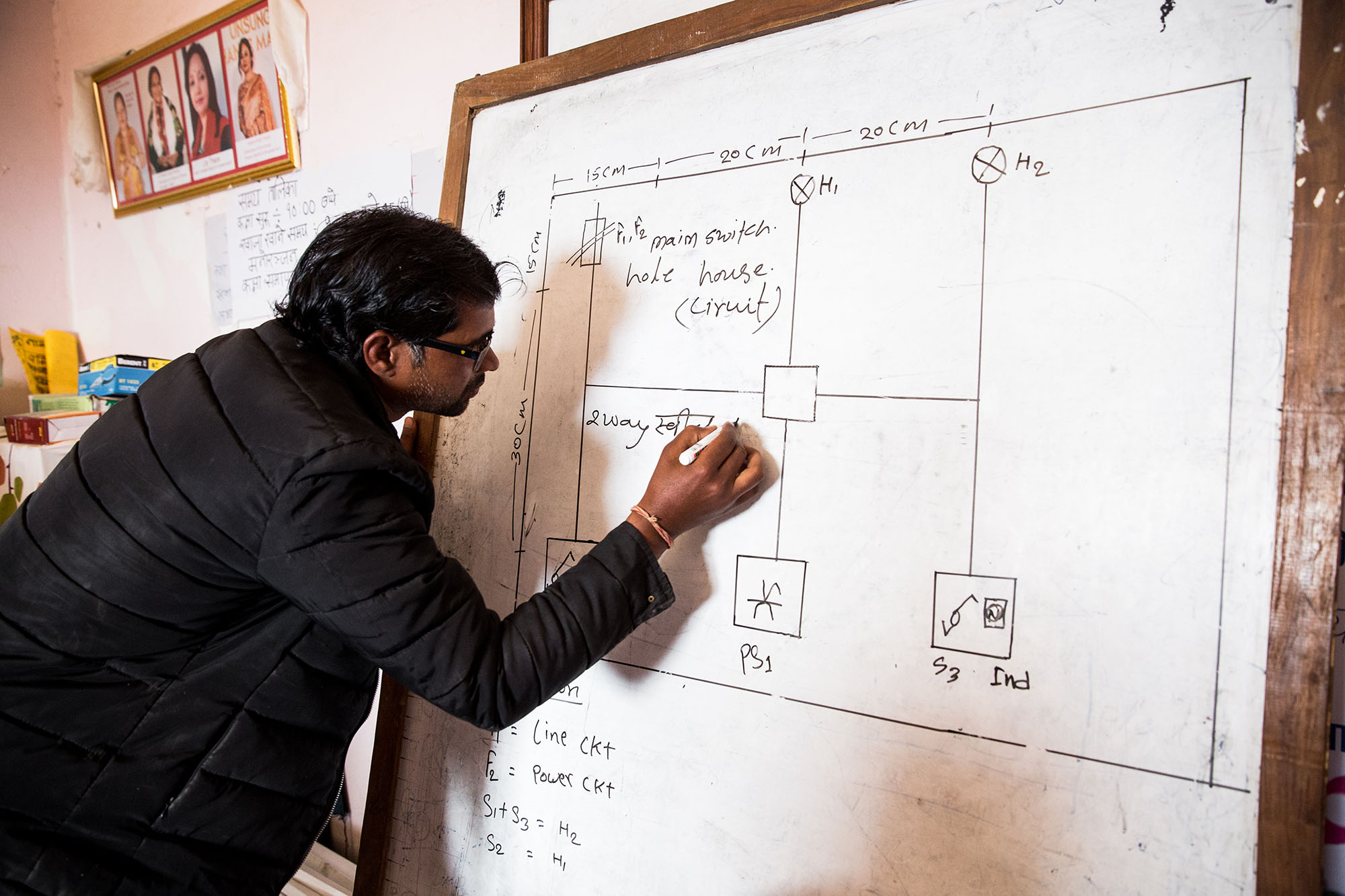
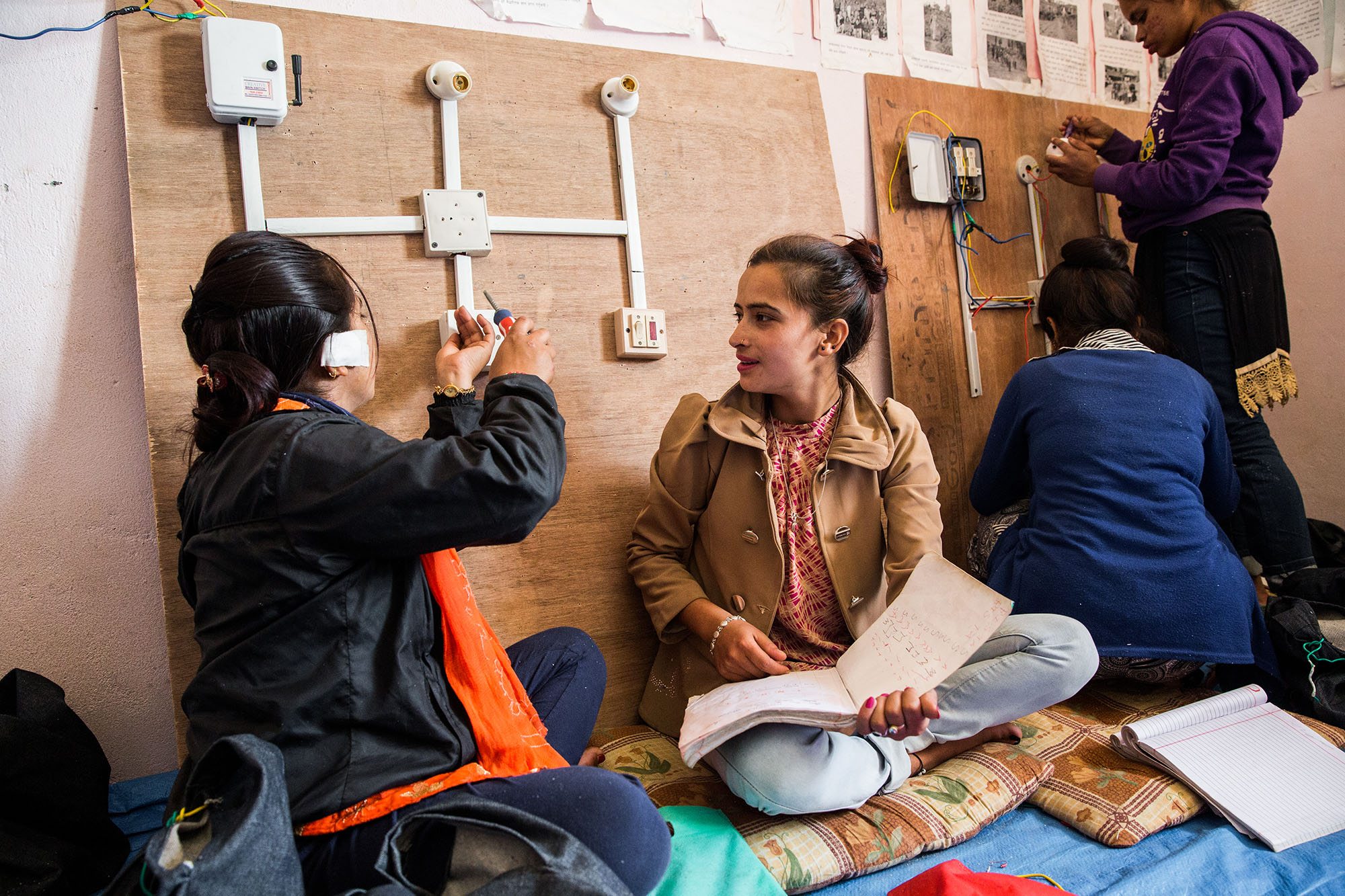
There are few criteria to access the school: the girl must have between 18 and 22 years old, have no other skills (to give a change to everyone) and they must pass an interview to evaluate their motivation.

At the end they will all receive a starter kit to allow them to start and sale their own business.
Interview of 2 students
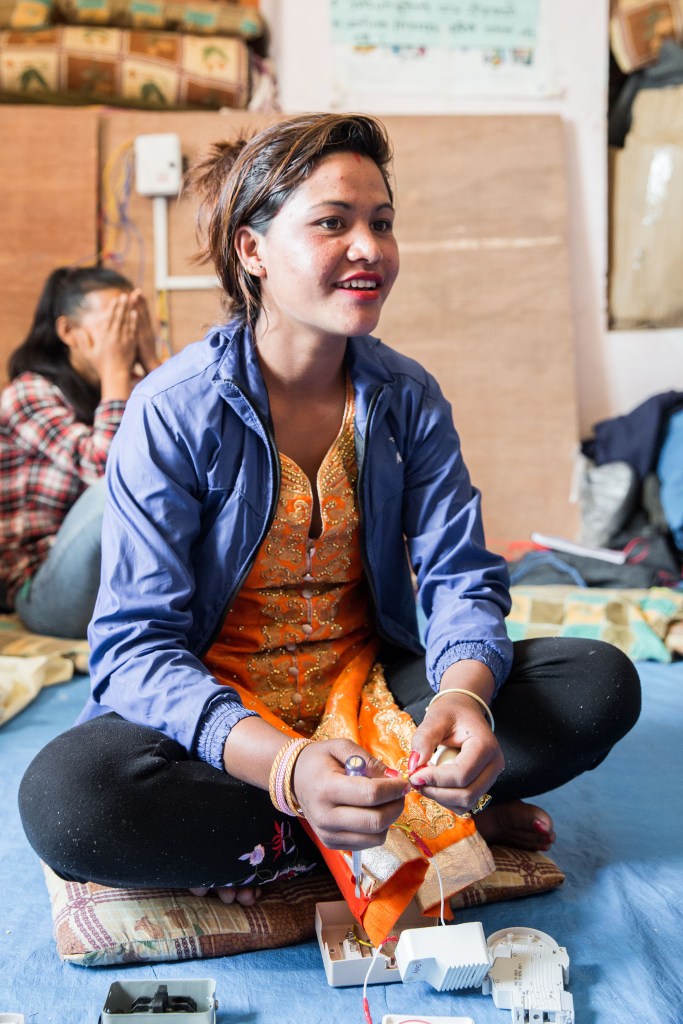
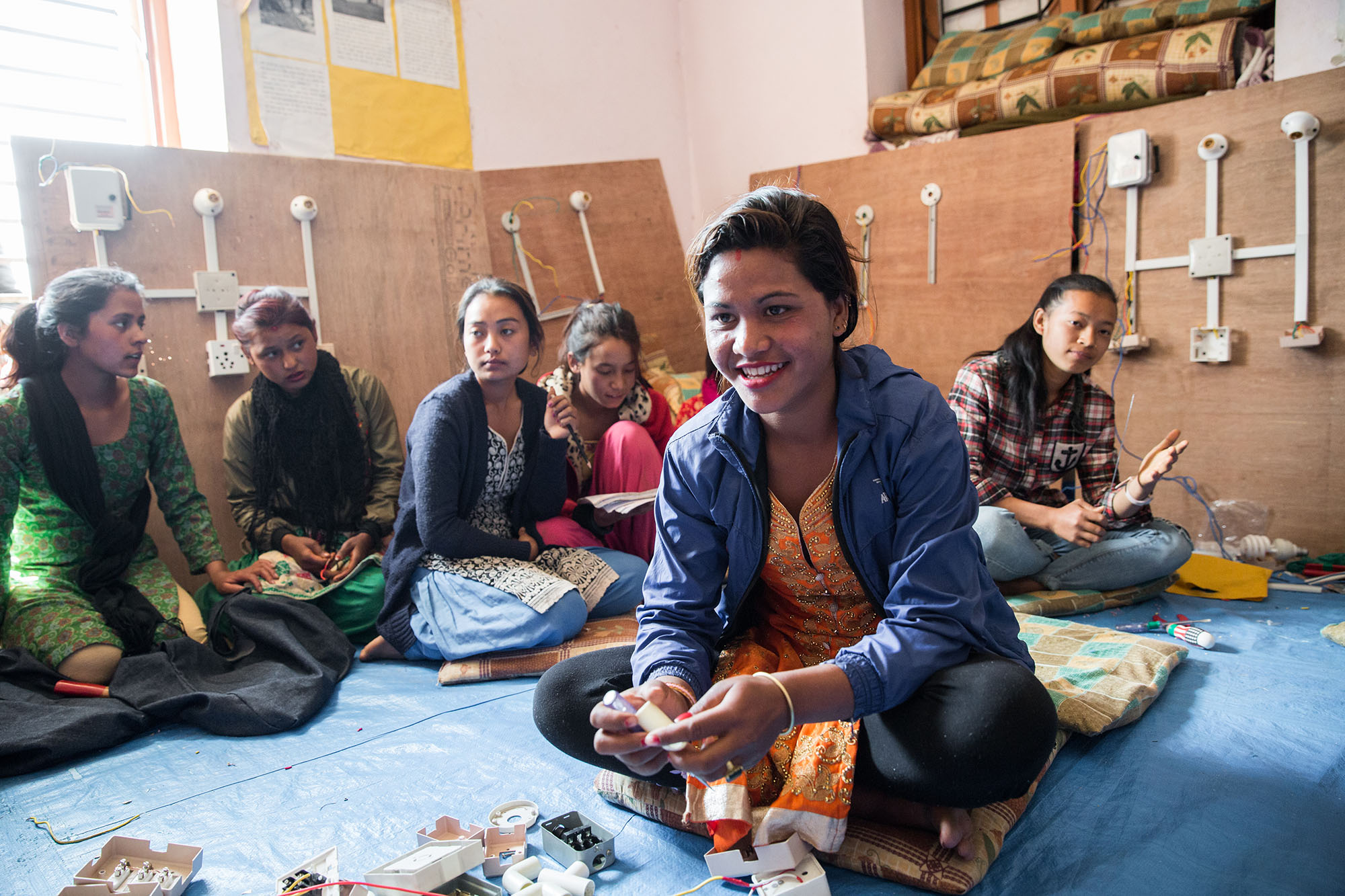
Chitrakumari Shrestha,
22 years old.
She is married and has 2 children of 2 and 5 years old.

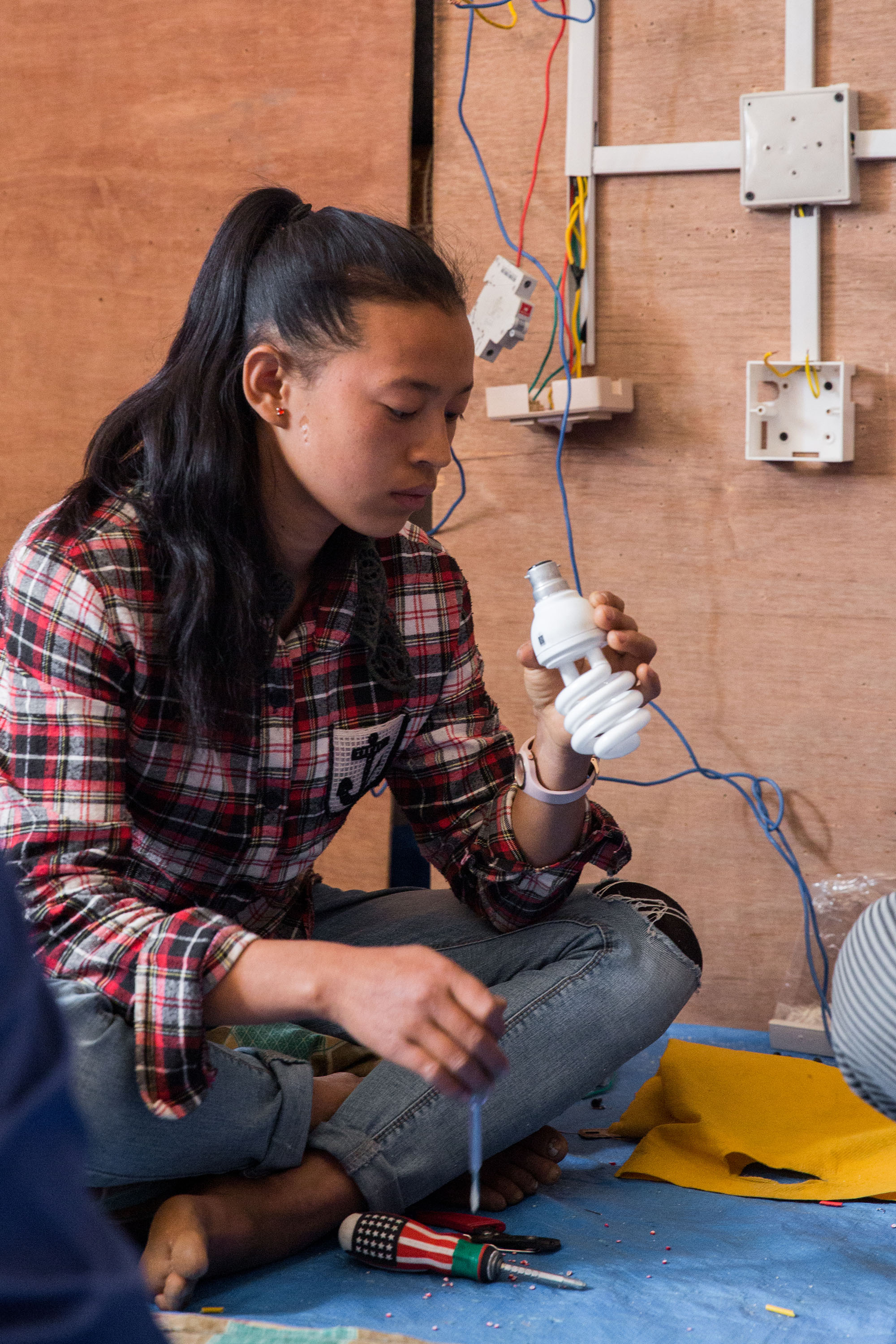
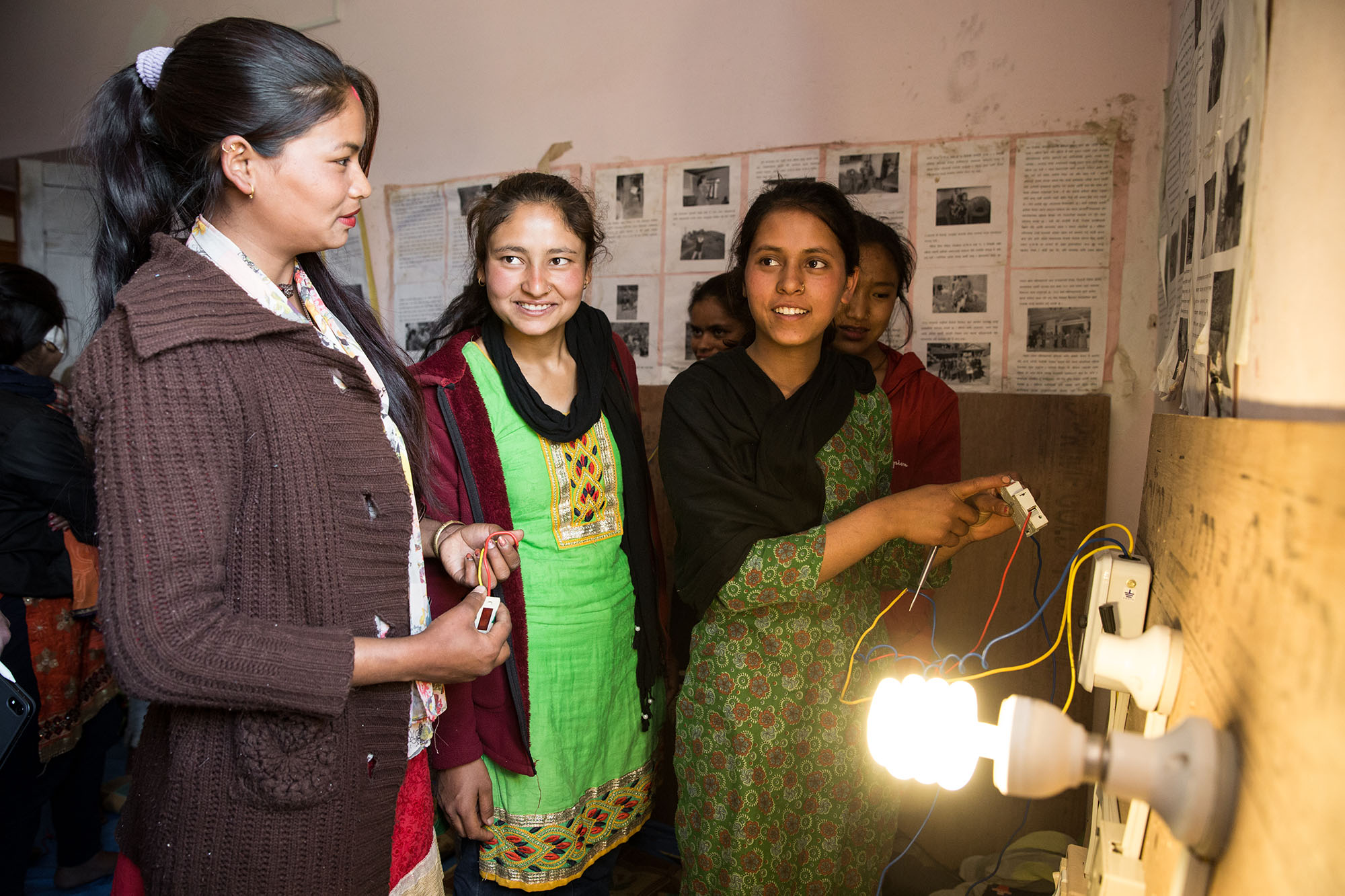
She didn’t know anything about electricity and she was even scared about electric chock. Now she is confident and even says “this is not rocket science”.

When the social mobilizer came to her village explaining the program she saw a door to a new life. Her family welcomed the idea positively as long as she manages to keep a balance with her current obligations.

Now, only few months later, thanks to the on-the-job training she already got a full time job offer.
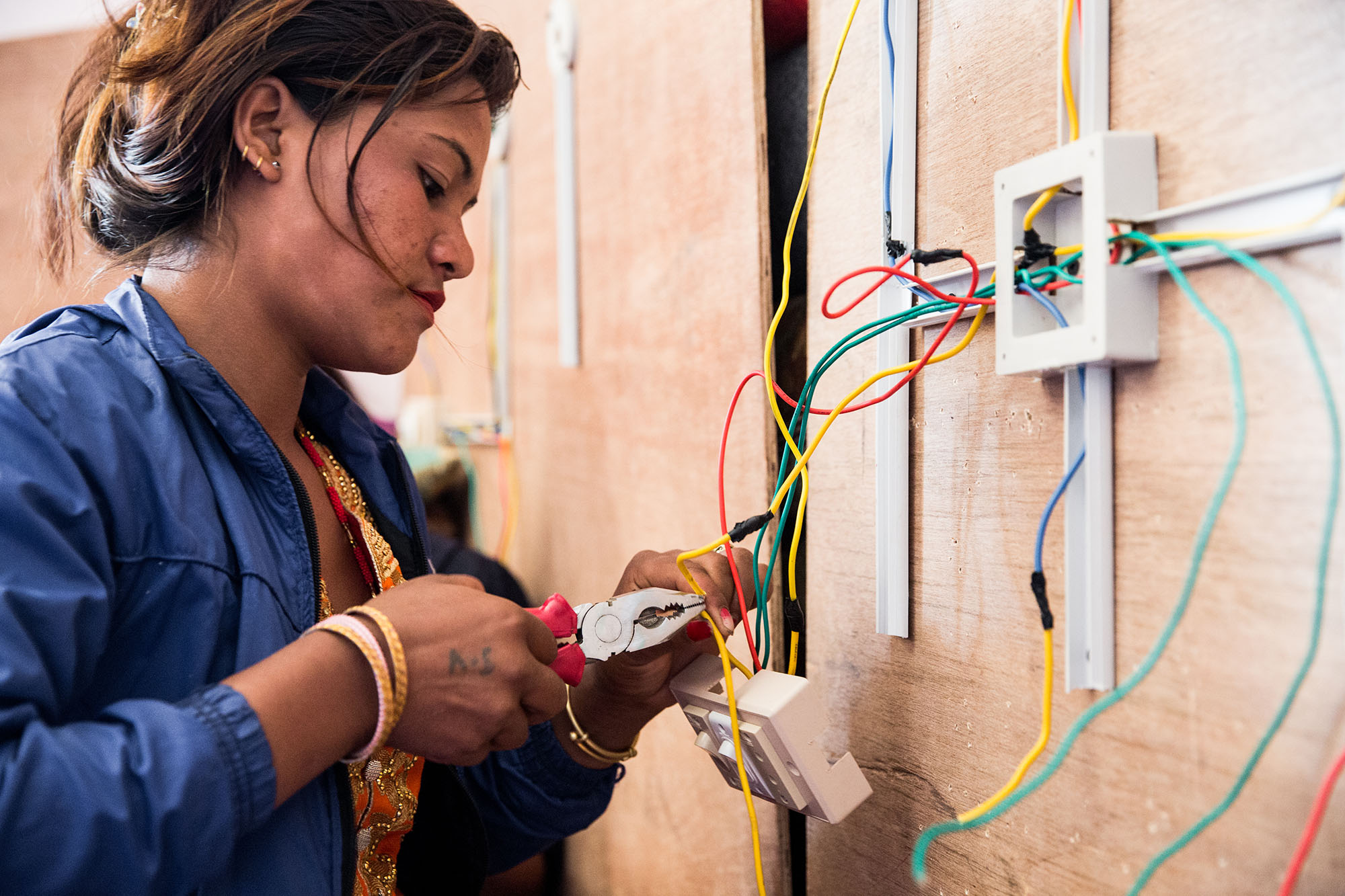
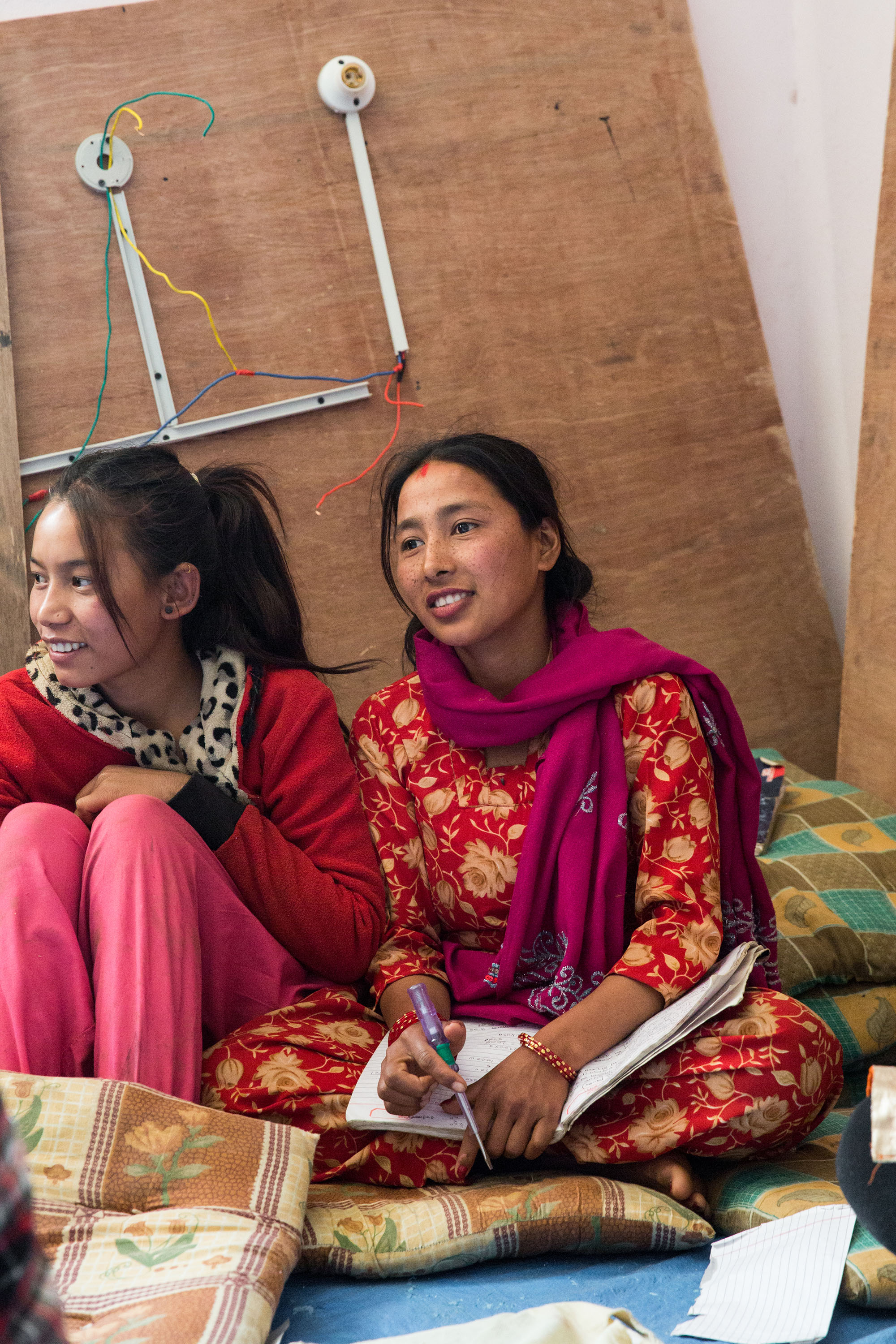
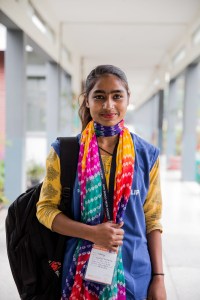
Ramita Tamang, 18 years old.
She still lives with her family and is the youngest of her 2 sisters and 1 brother.
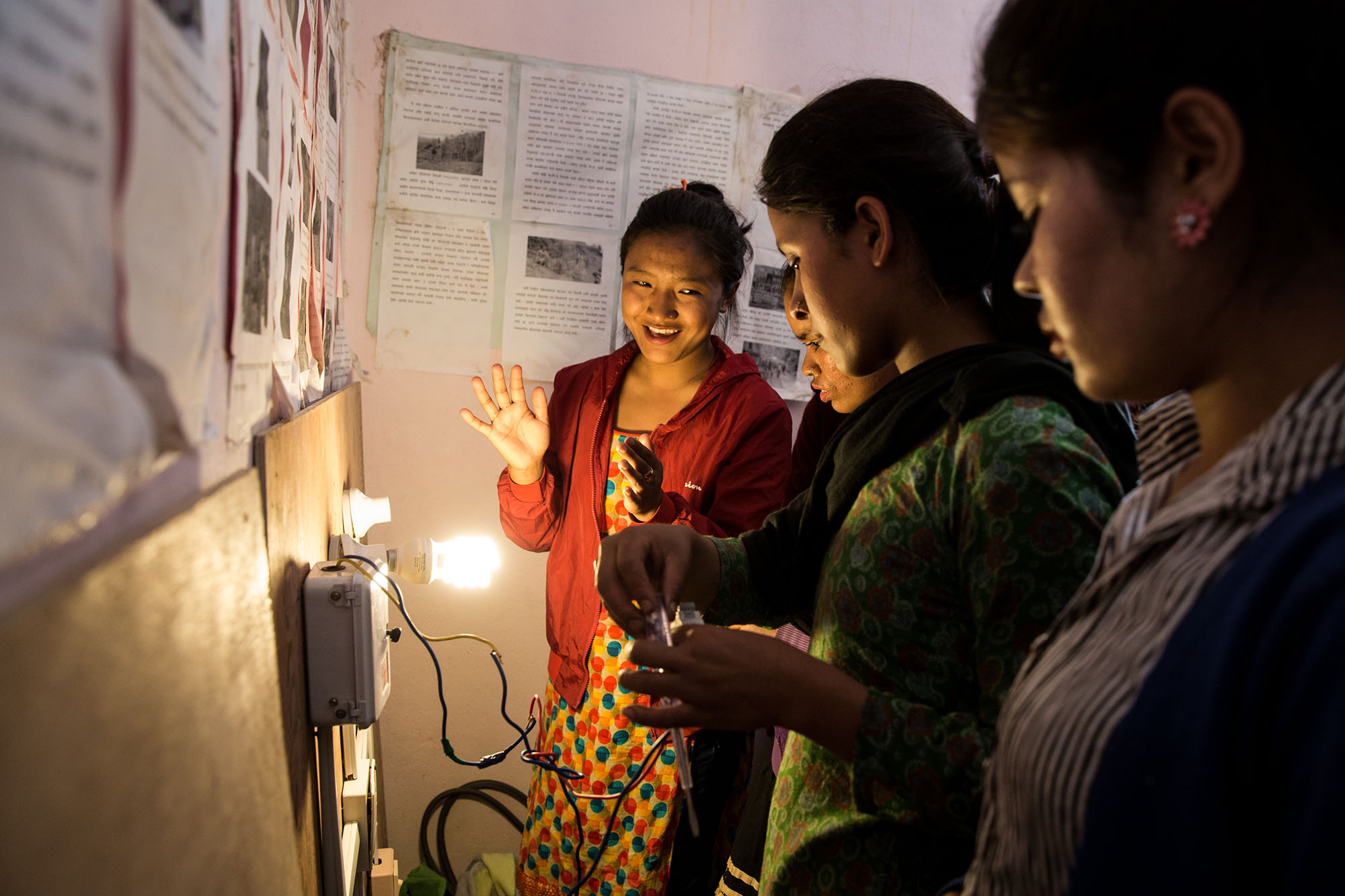
She stopped school at grade 10th because she didn’t like it. However, with this training she sees an opportunity to become independent and she also likes learning as a group of 2,3 girls.

She obviously wants to become electrician but first she’d rather join a team since she doesn’t feel ready to electrify a whole house alone yet.

Like Chitrakumari she was afraid by electricity and she didn’t dare changing a bulb. Now, she’s proud of her knowledge and likes to show off by changing fuses in friend’s houses.
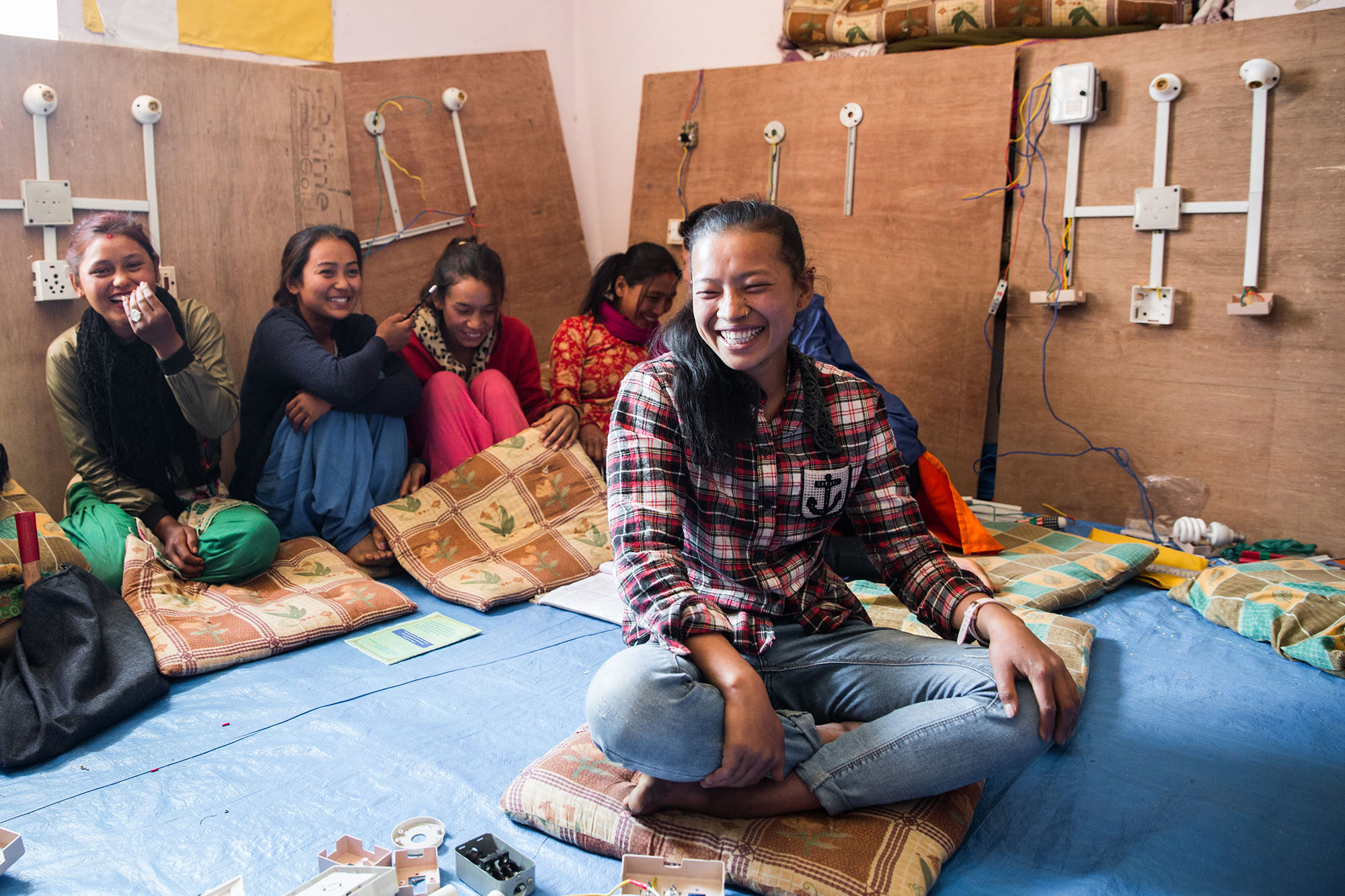
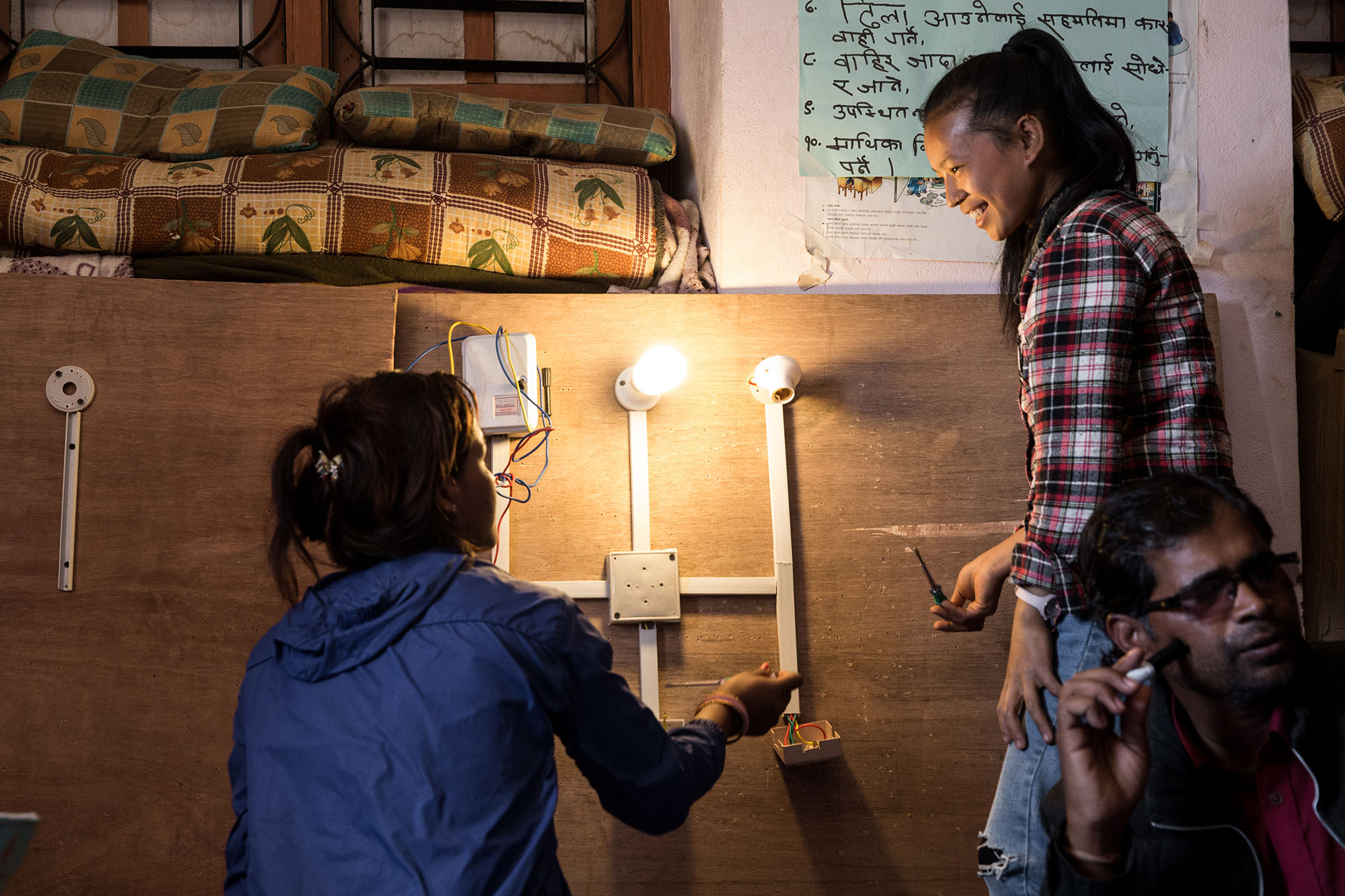
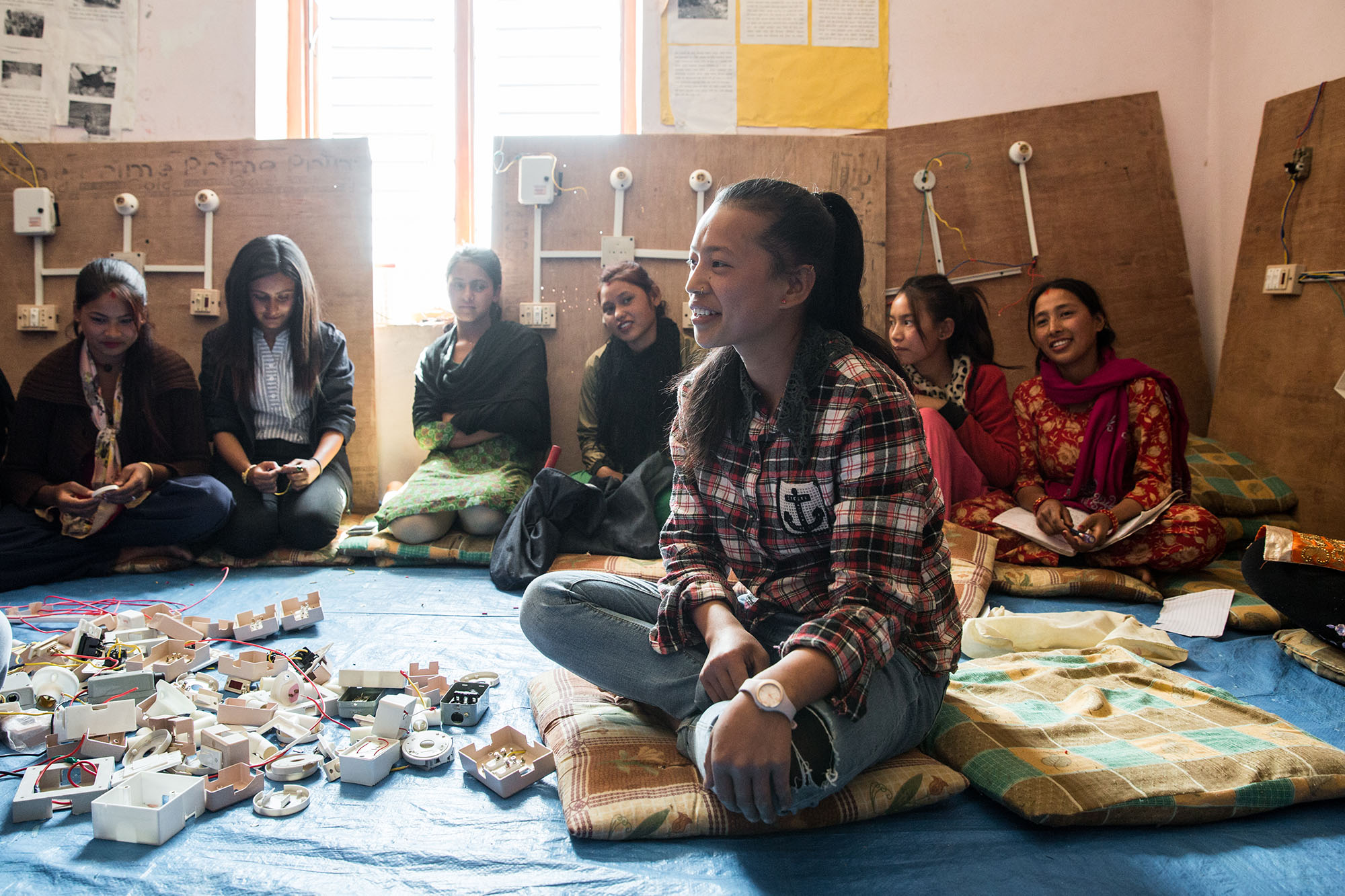
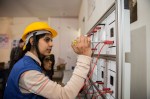
Here again we felt that eager to learn we experienced with Don Bosco. The girls were happy to share the wirings they made on their boards but they were even more excited to show real projects they have made in the village.
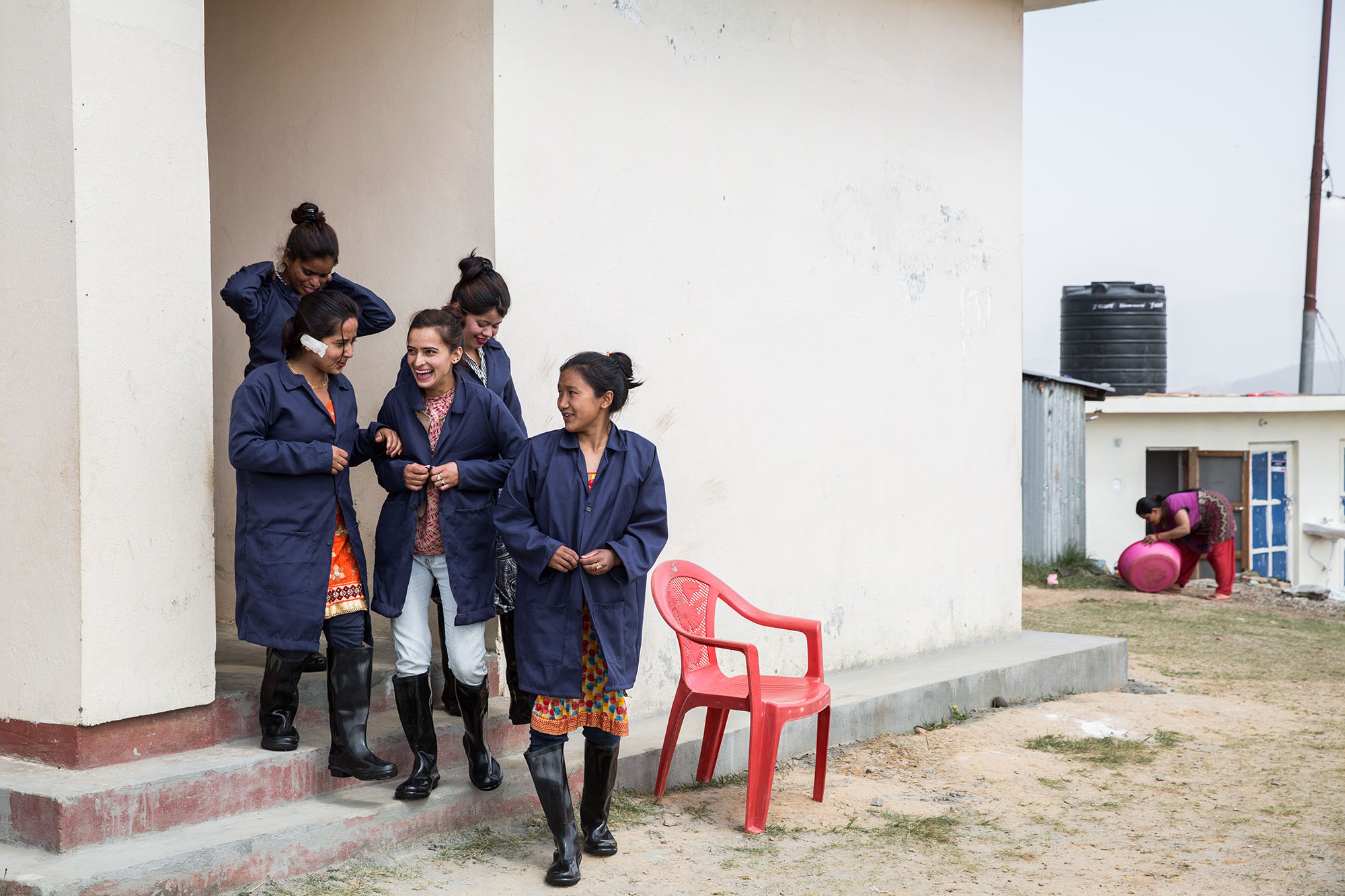
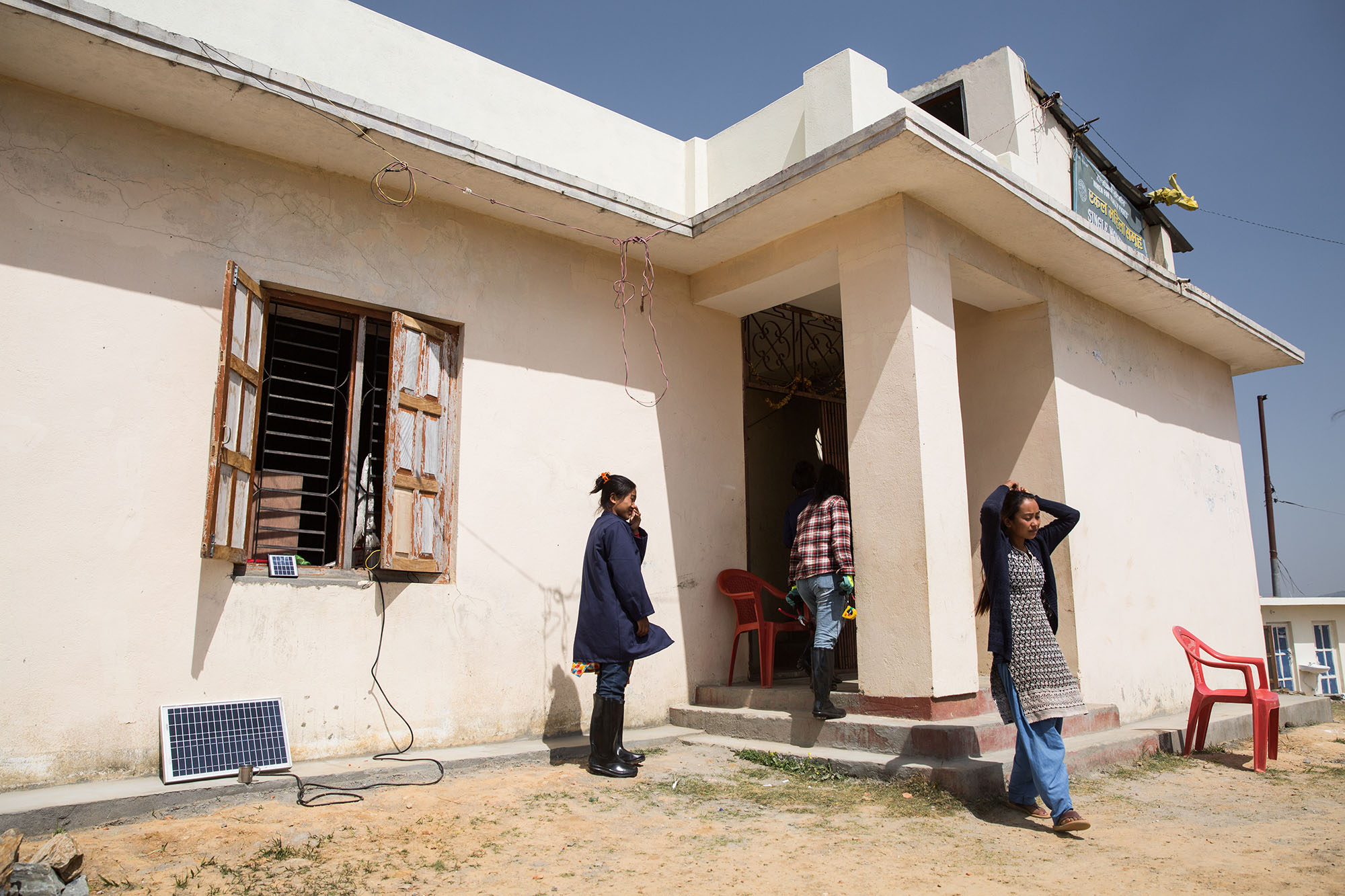
A tour in the village
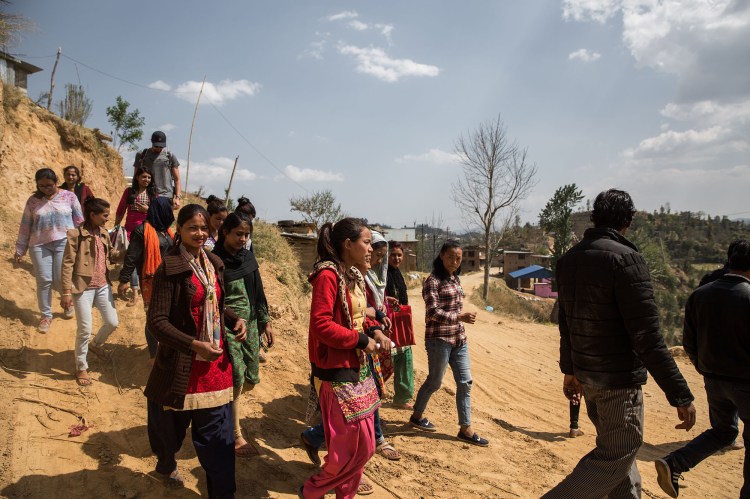
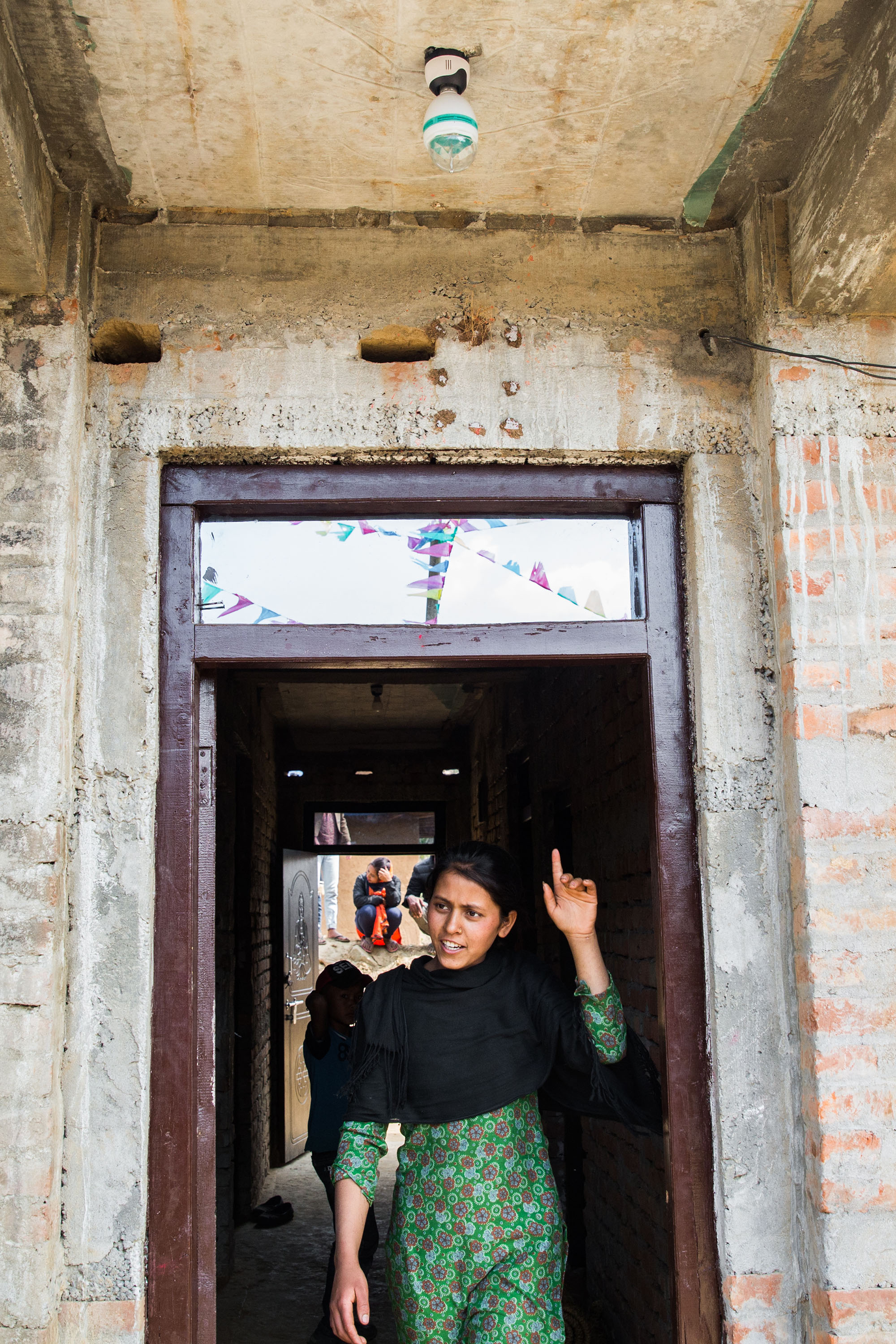
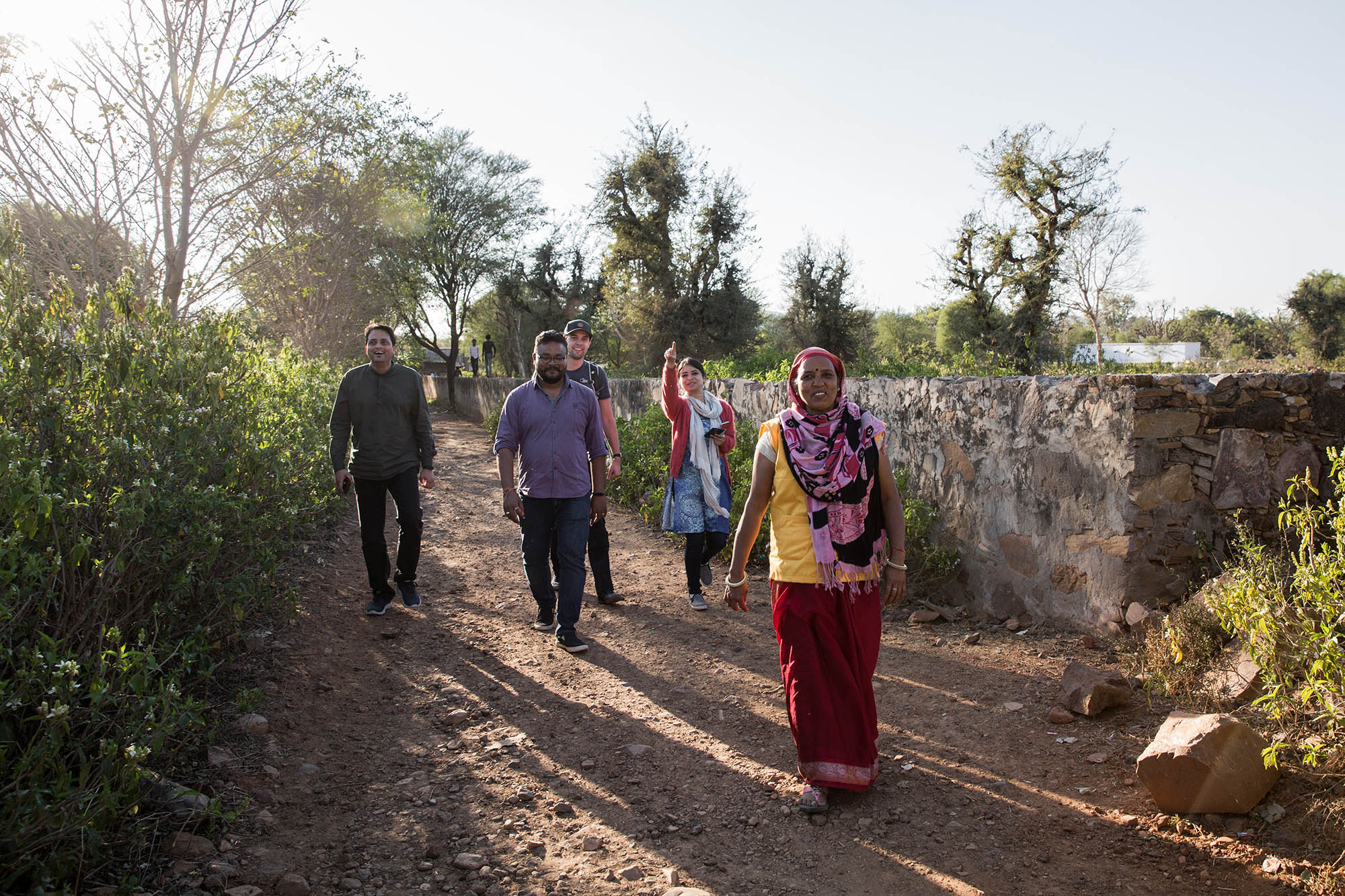
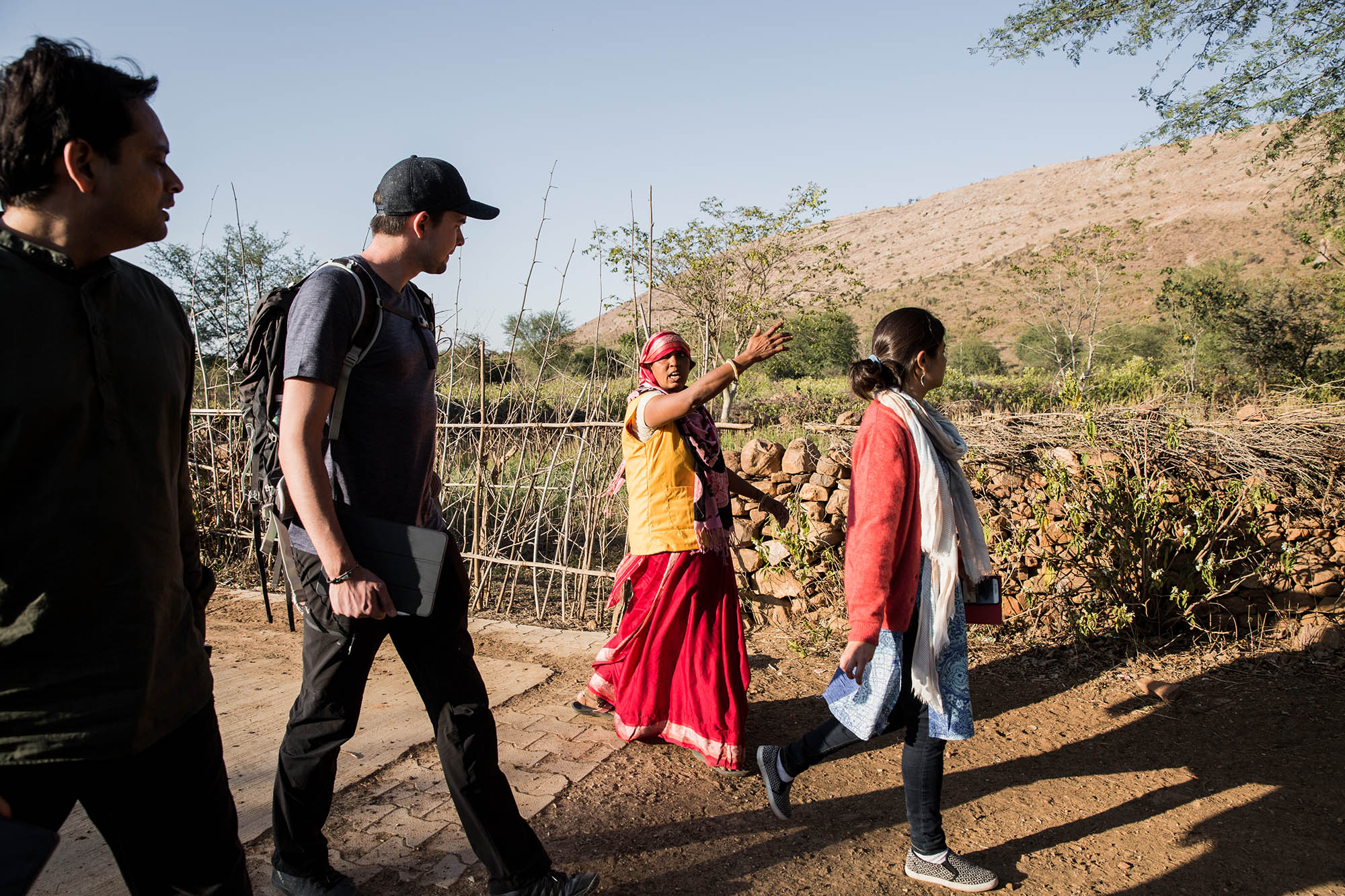
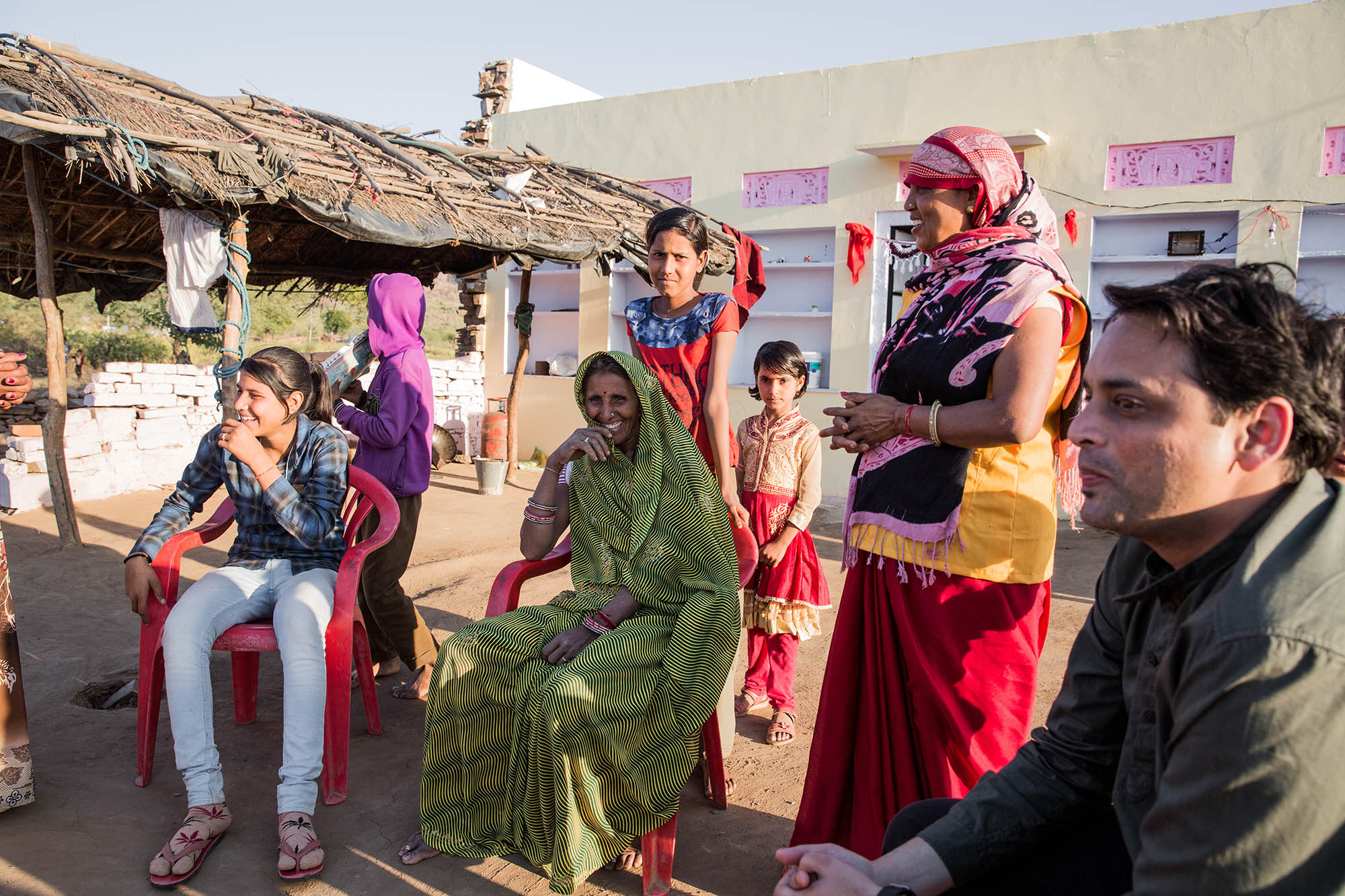
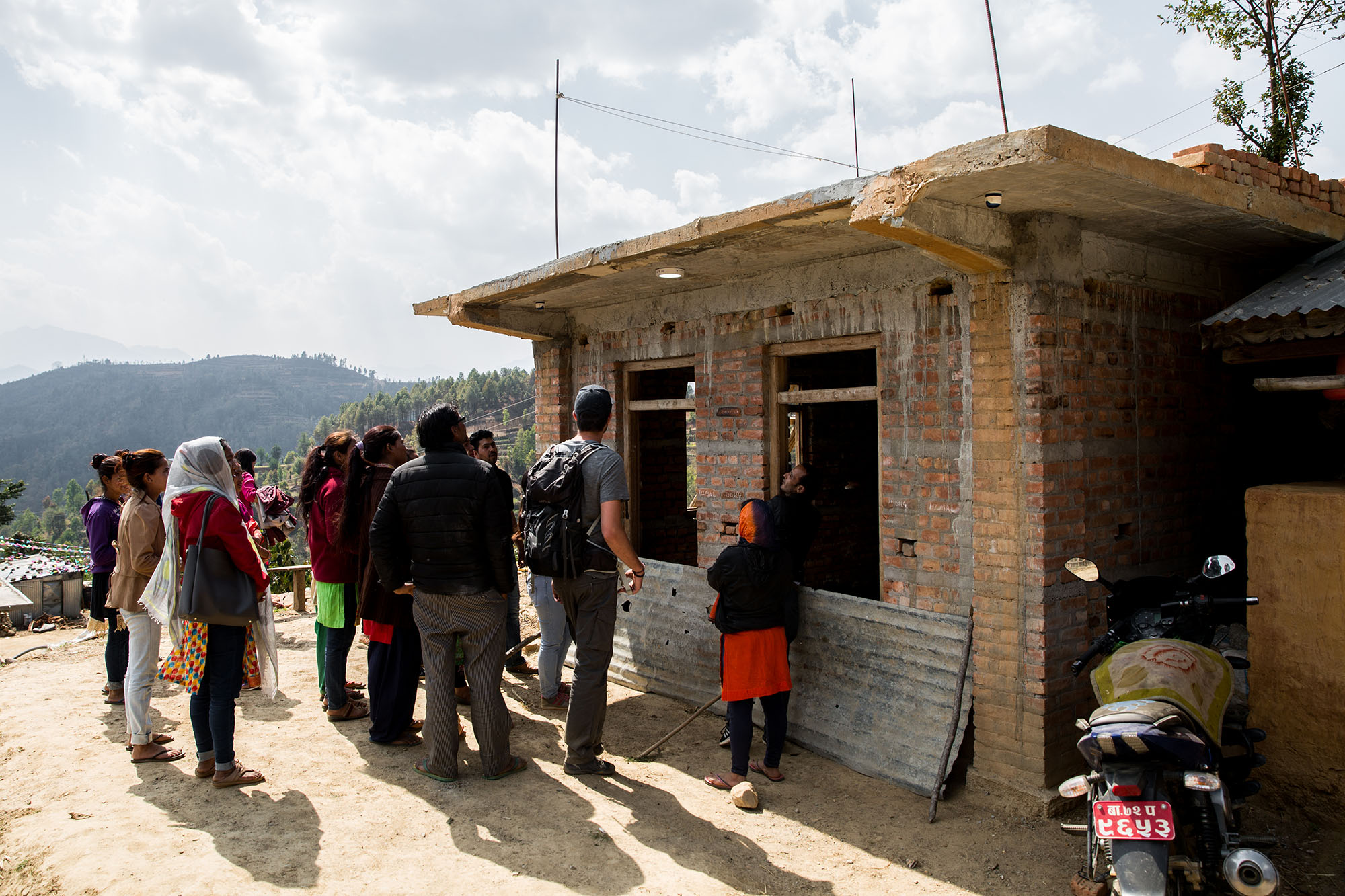
Without hesitation, even if the sun was burning outside, we walked on the hills to visit some houses where group of girls have done the home wirings together. They basically approached house owners to offer their skills to wire the house from scratch. Amazing, isn’t it?
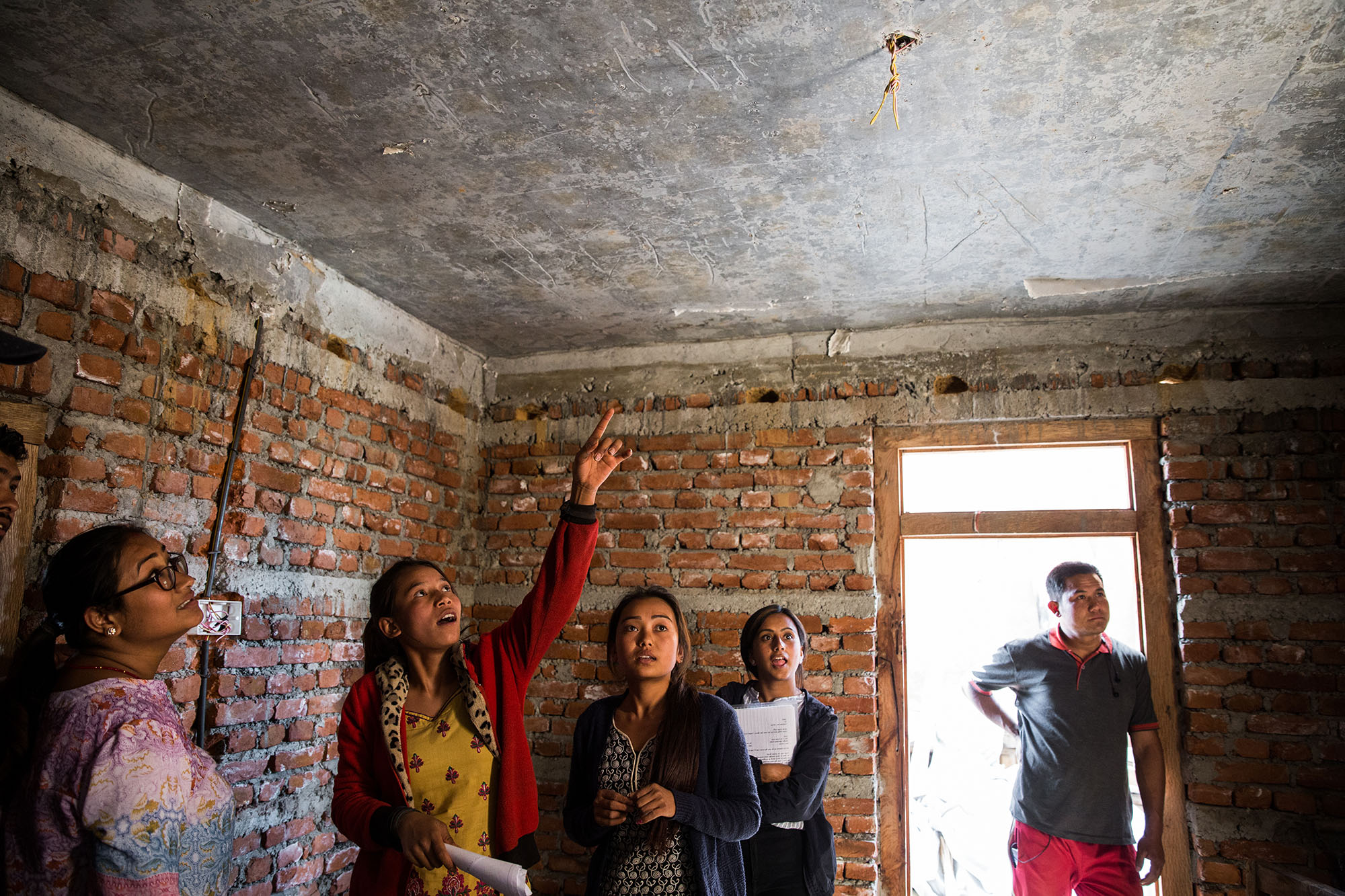
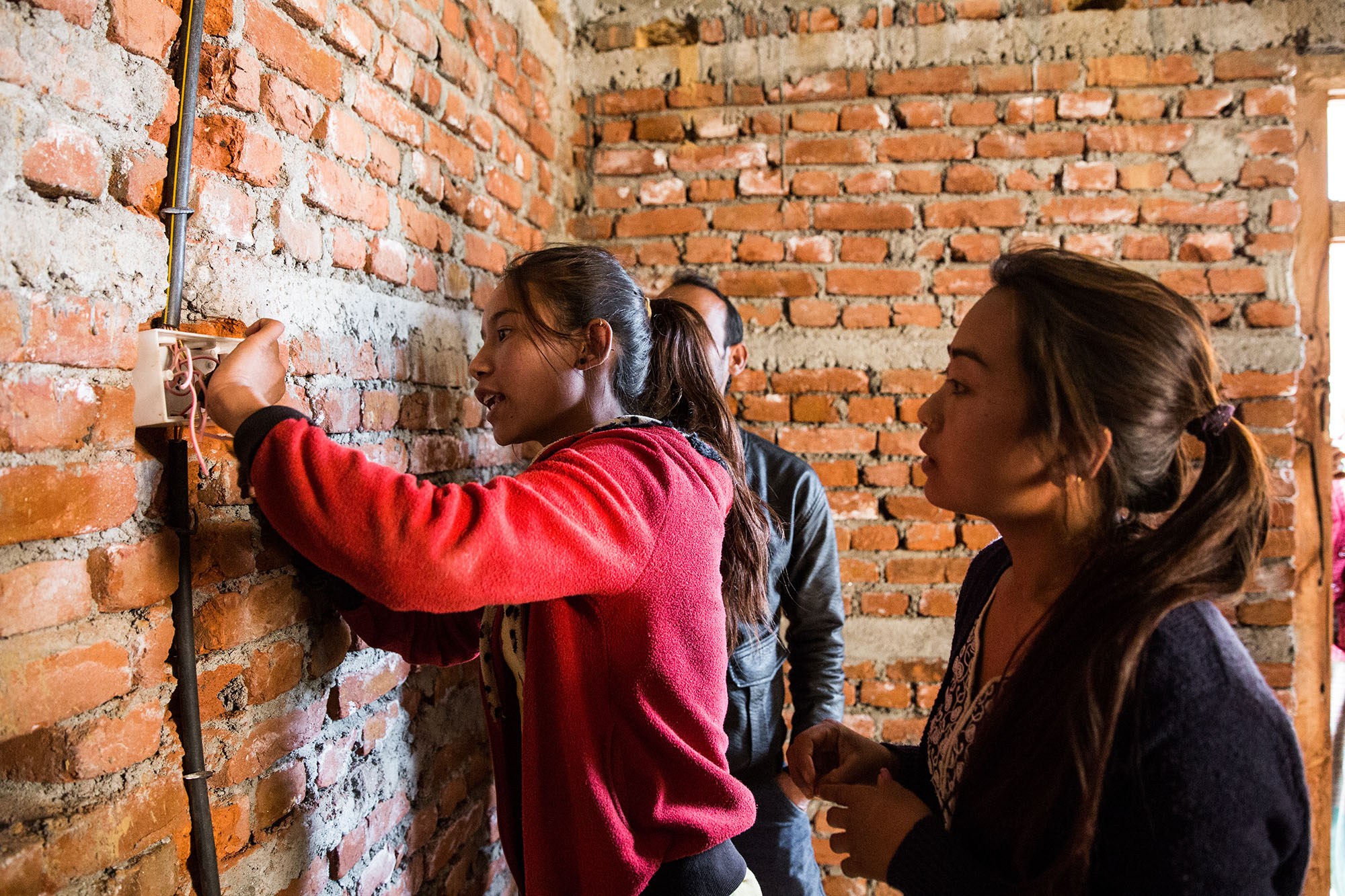
They were really proud to share their work with us. I don’t remember how many houses we visited but we went from one to another where sometimes the owner was also there to testify on the quality of their job.

We really loved that moment, we could have stayed forever at Namobhudda. What the team is doing is just exceptional. I truly believe in this remote school concept, it brings alternatives to girls in isolated villages. So I wish all the best to the team and a lot of success for the upcoming villages!
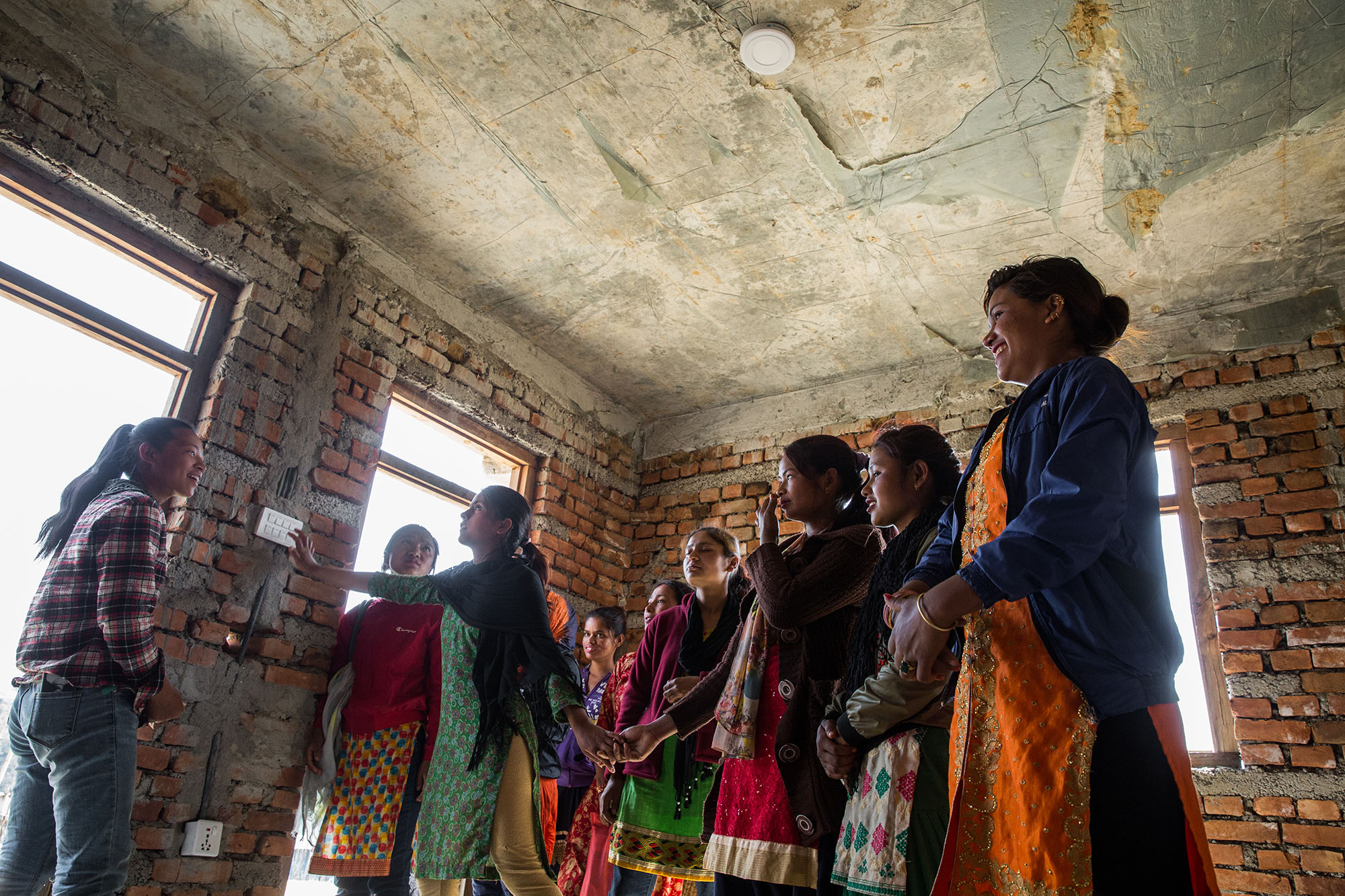
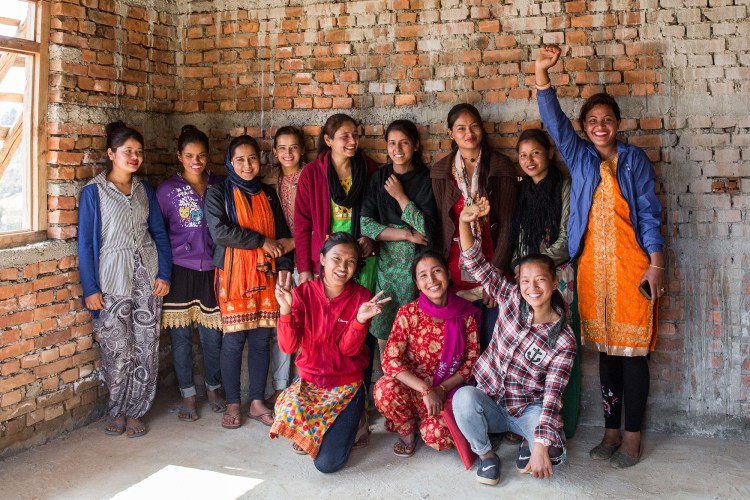
The last word is for those girls, keep believing in your dreams what you’ve achieved in just few weeks is unbelievable!
TARAurja – How technology can serve NGO’s mission

If you look around you’ll notice that we are surrounded by technologies. The last decades have been full of breakthroughs at such point that we don’t even talk about those findings anymore, there are so many innovations every day that media can’t follow and in the industry we had to create jobs with the goal to track them and identify which ones will enable the next killer features.

I used to be technology program manager so I can’t be neutral in this article since I do, myself, have a huge passion for innovation. I just completed Elon Musk’s book and I’m also convinced technologies help us to get an easier and better life.

I know a lot of people will disagree with my previous statement. Indeed, I also have to recognize that most of today’s pollution is coming from those first stages technologies. It’s a philosophical topic I’d be happy to discuss with you but let’s park it for the time being.

What we can agreed on is that by nature human is an explorer. Nowadays, people are busy trying to figure out a way to colonize March and during their race they have released a myriad of technologies.

Why not using those findings to improve quality of life to marginalized or disadvantaged people? Why not using those technologies to bring electricity to off grid areas?

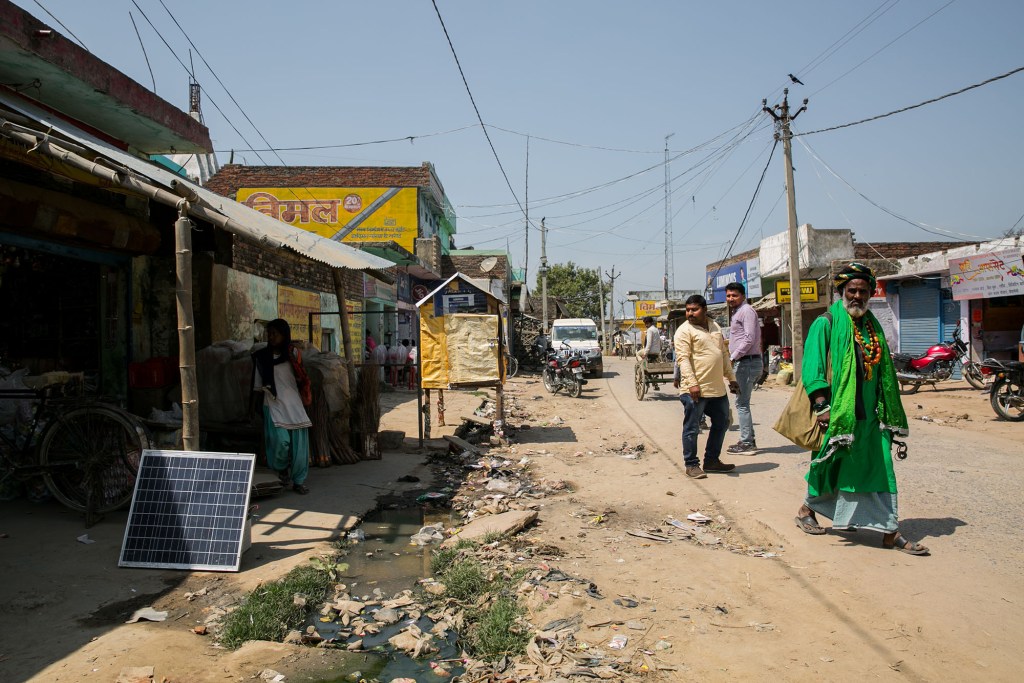
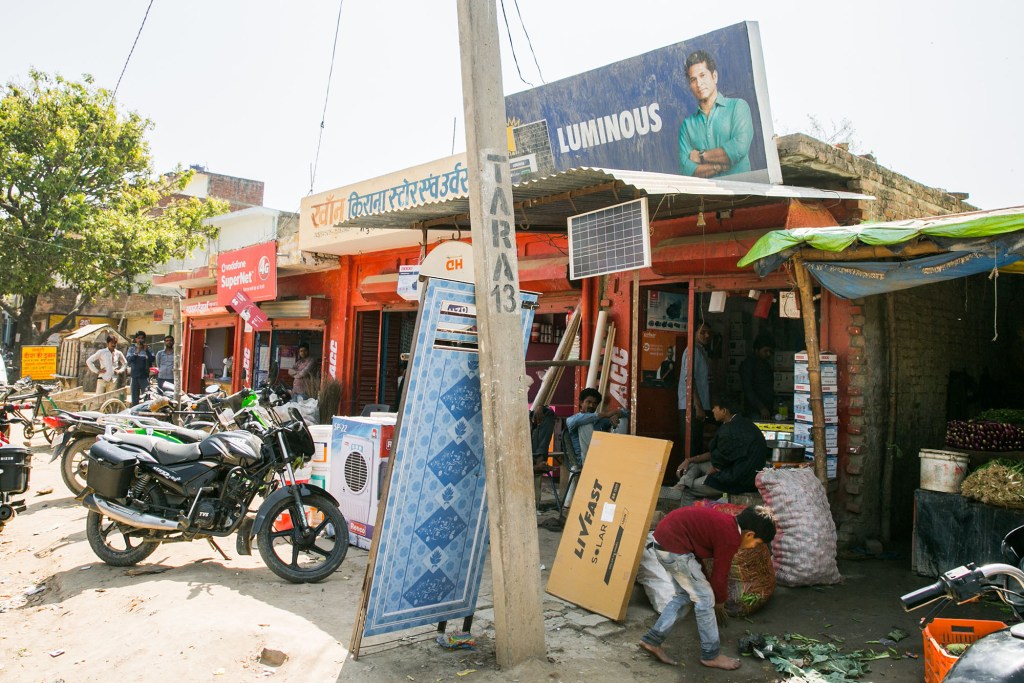
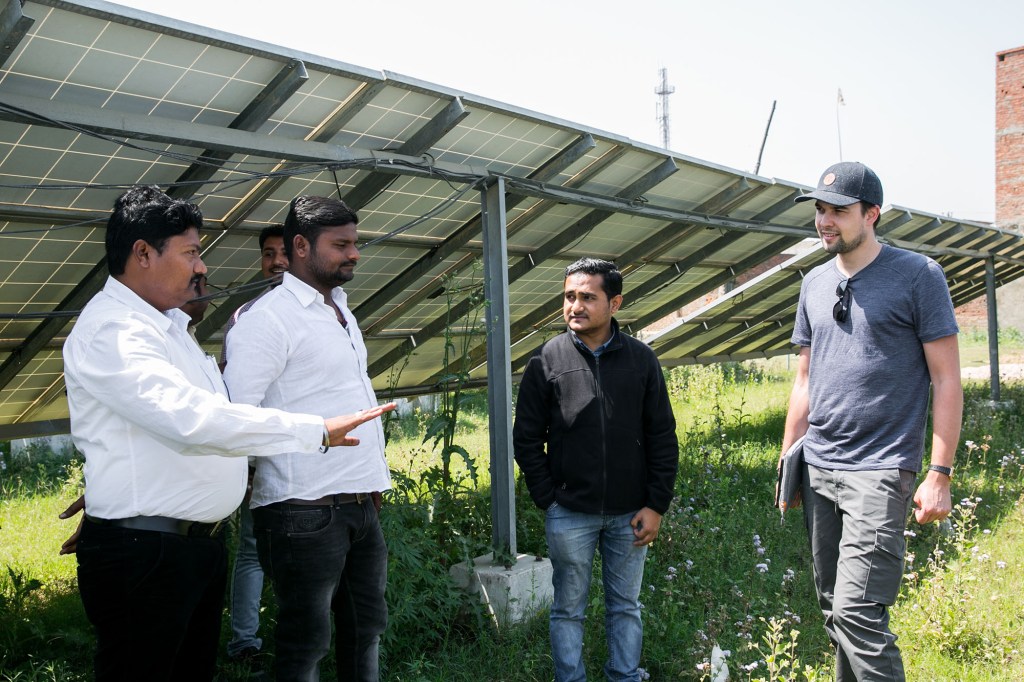
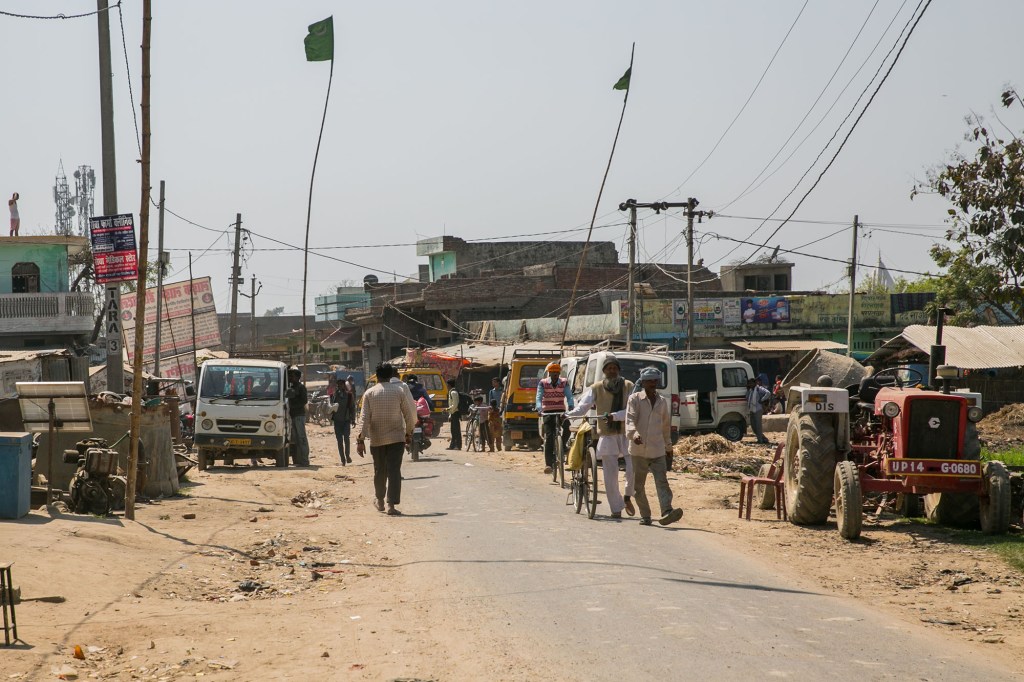
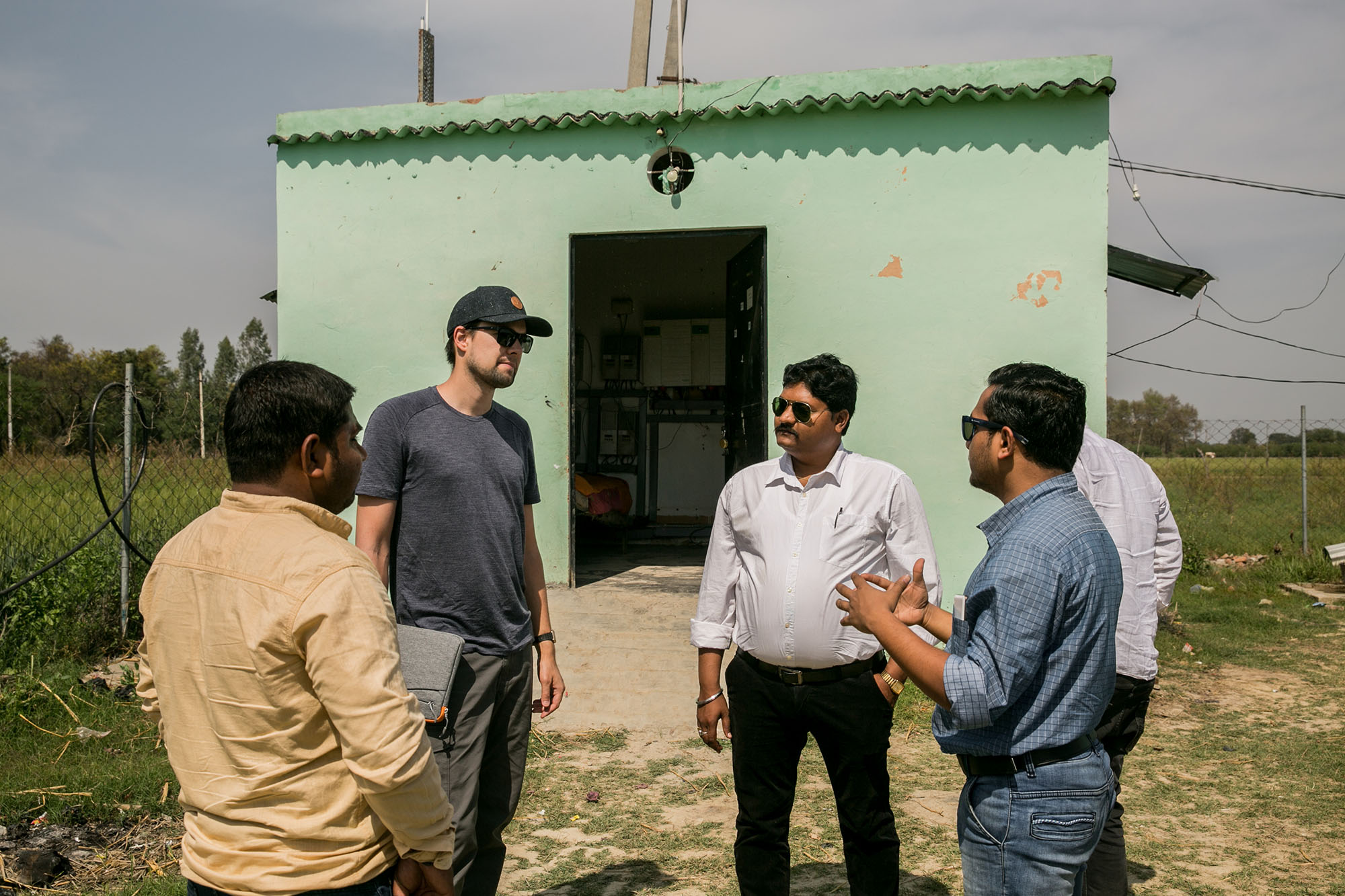
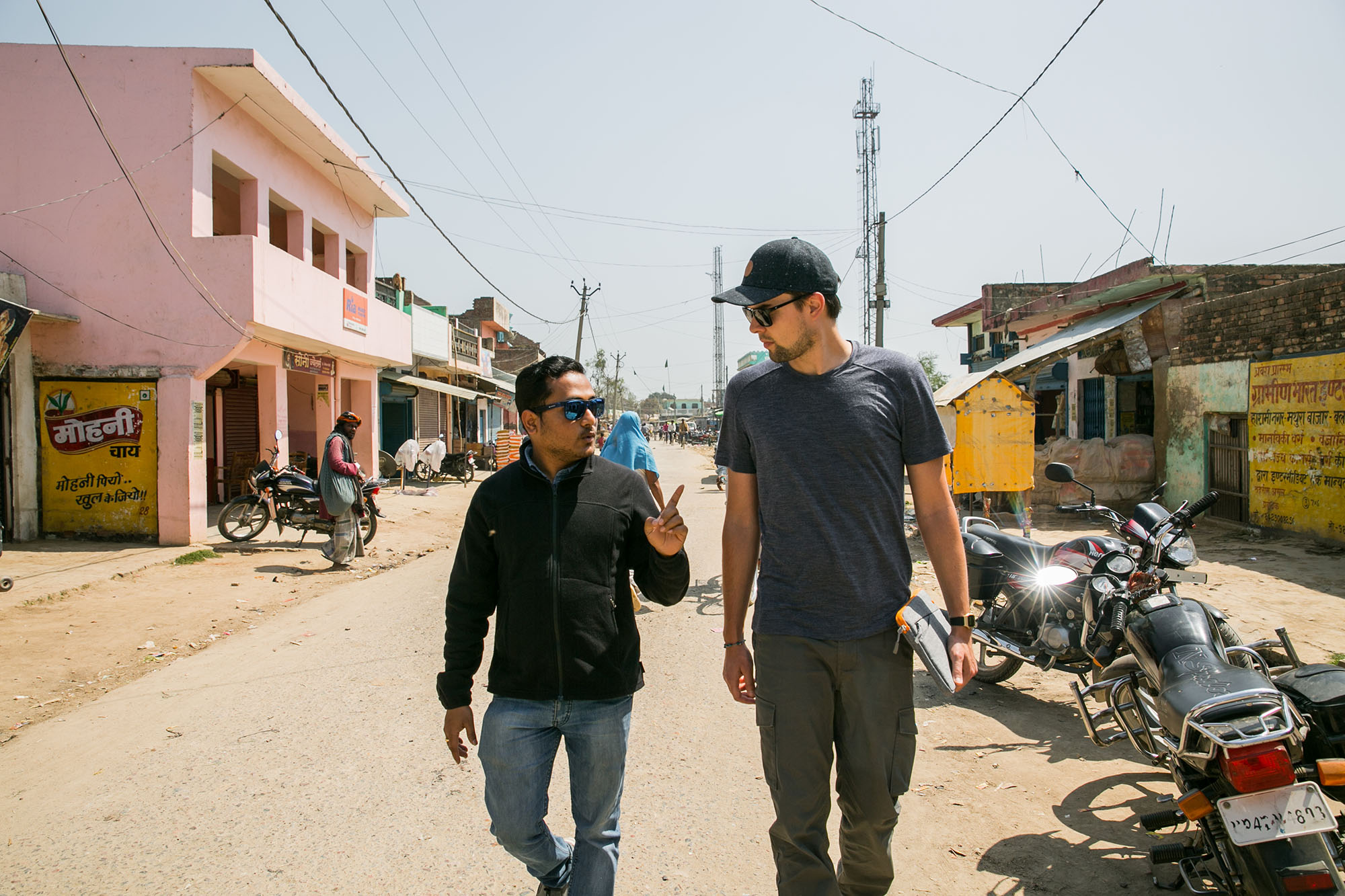
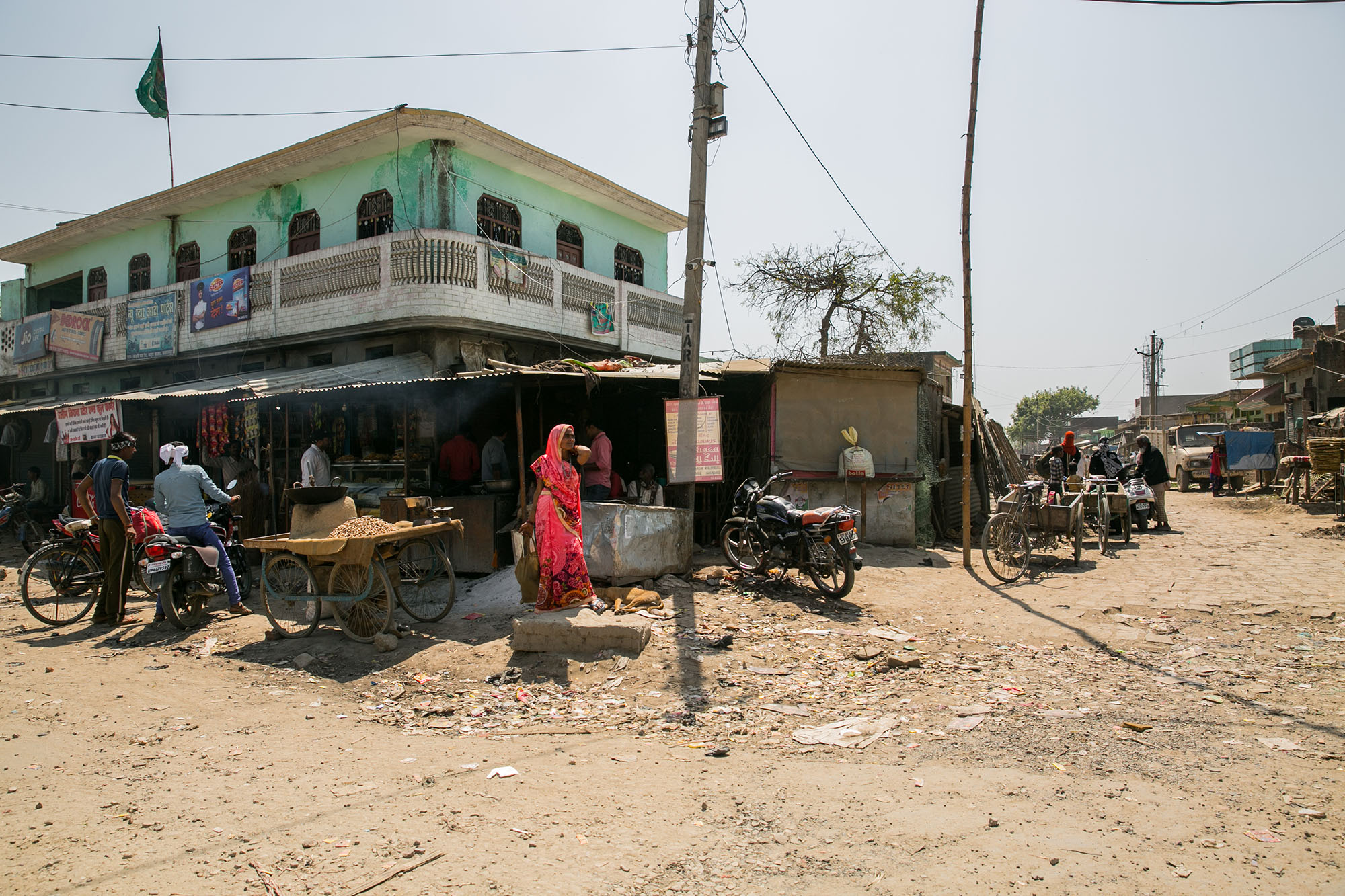
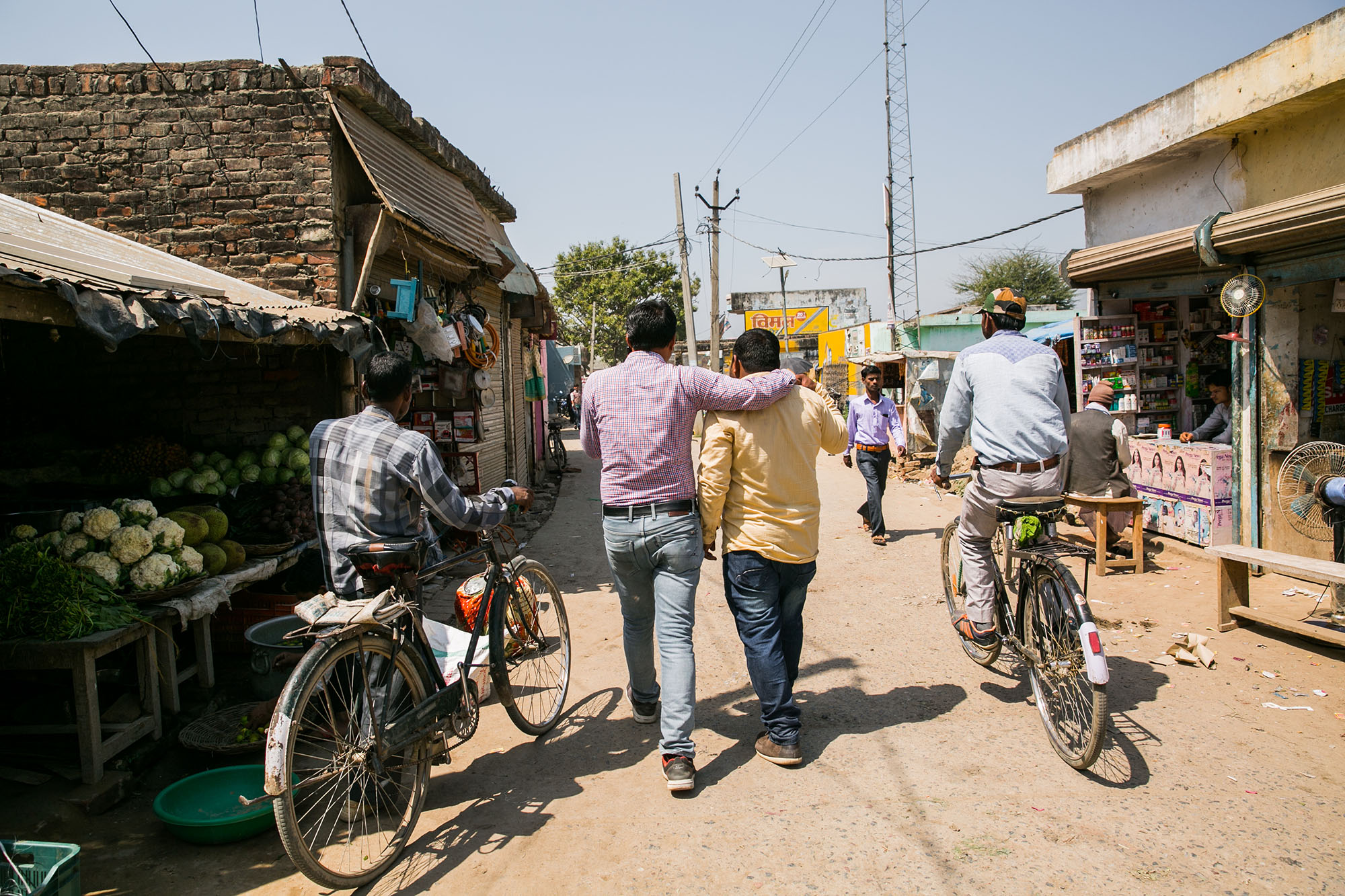
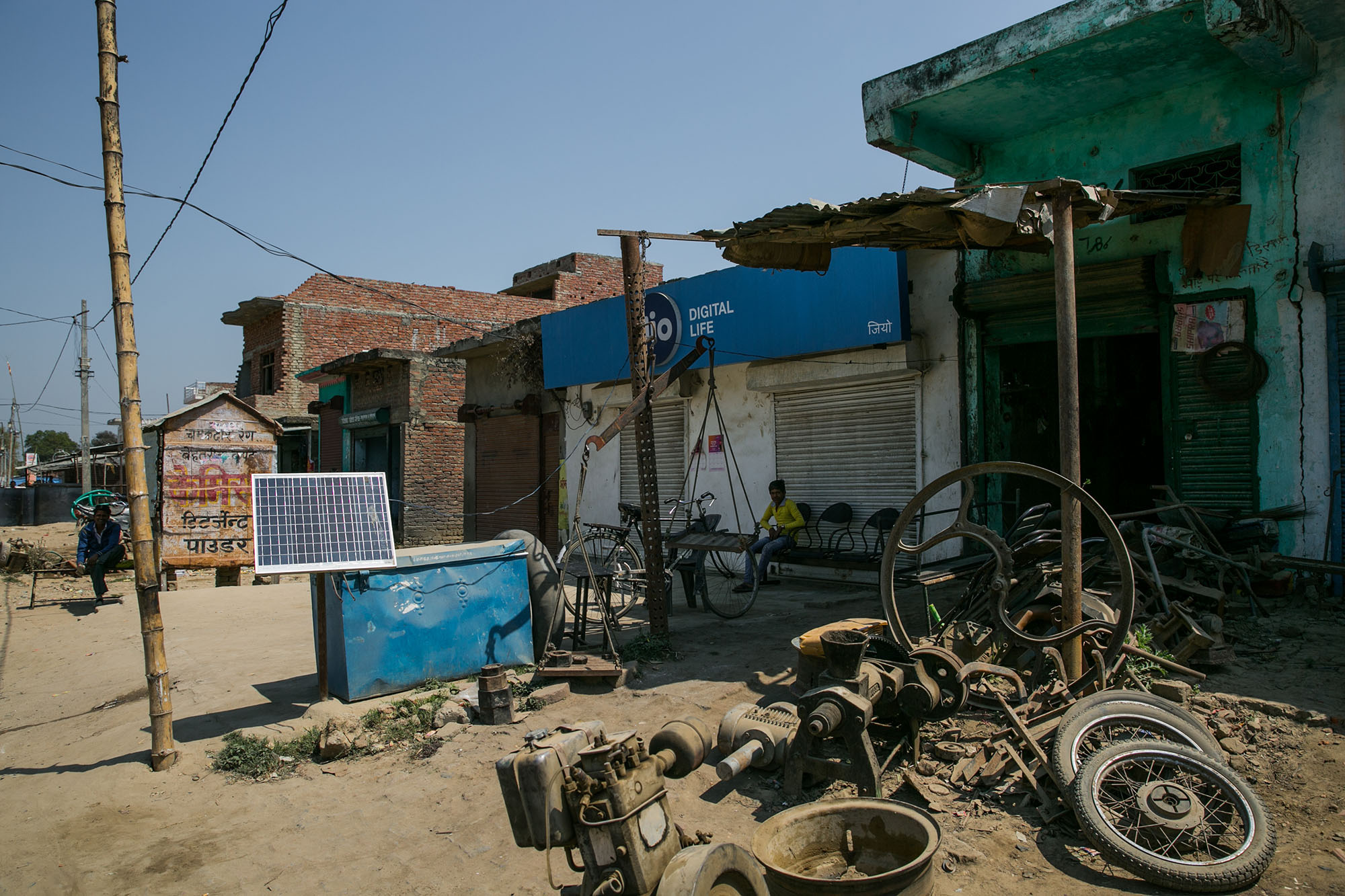
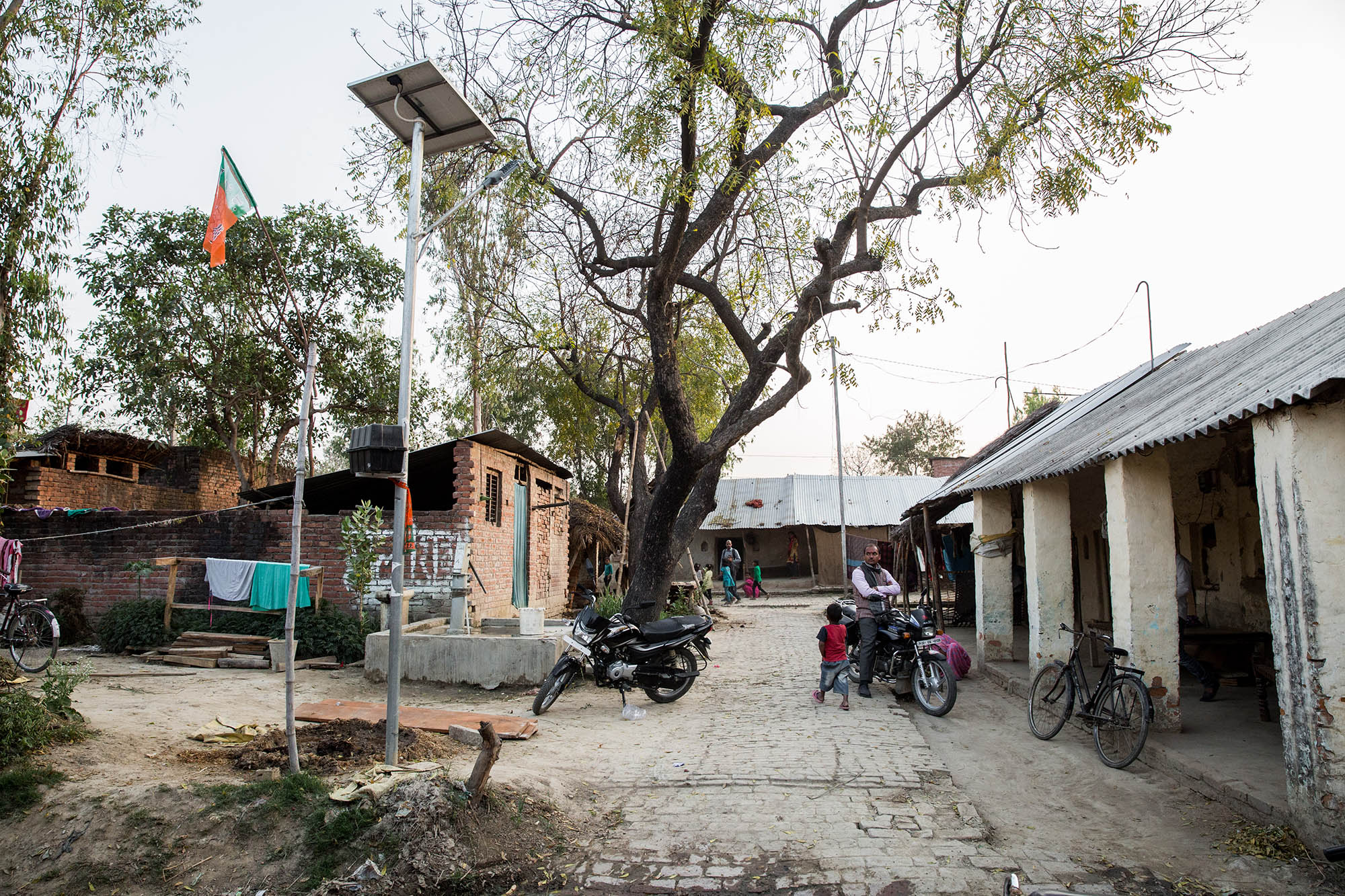
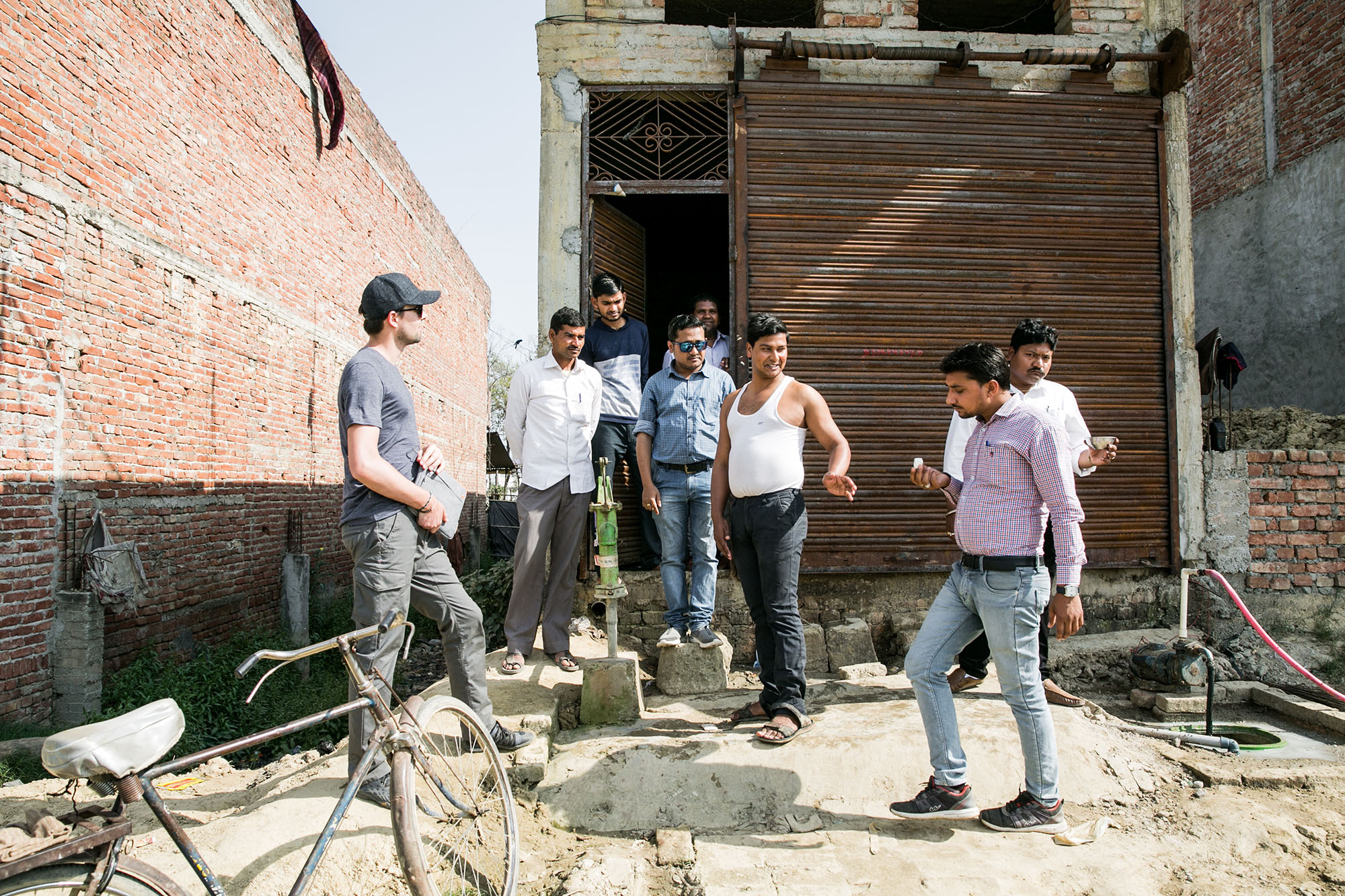
Signify Foundation and TARA partnered to make this possible. Laura and I have visited two micro grid solar farms in Uttar Pradesh region and interviewed customers to understand how it works and the benefits of those solar farms to villages.

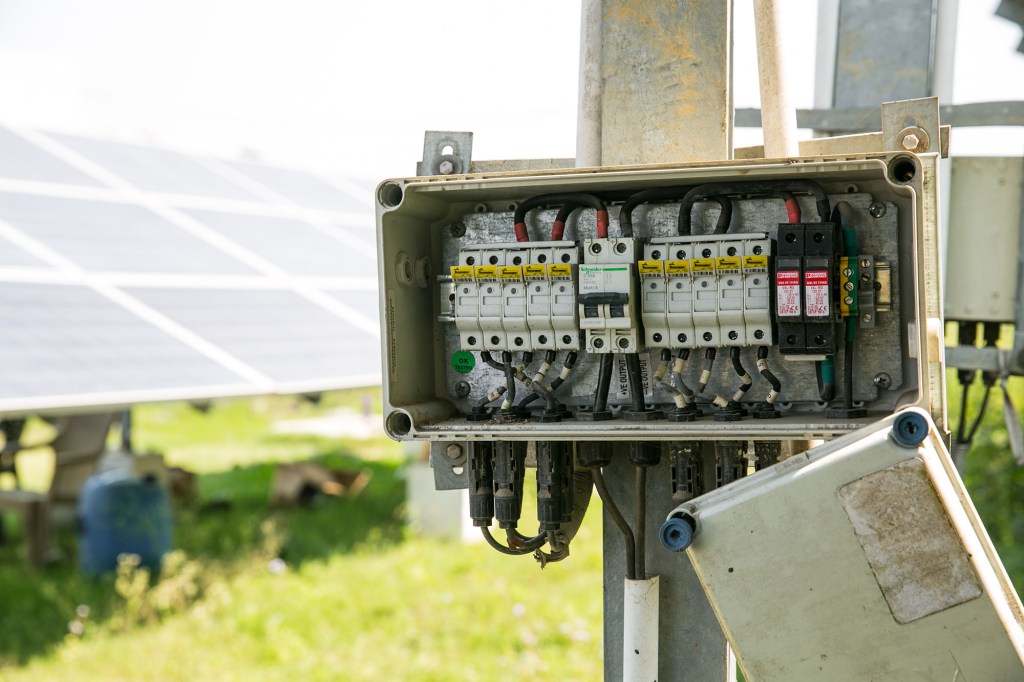
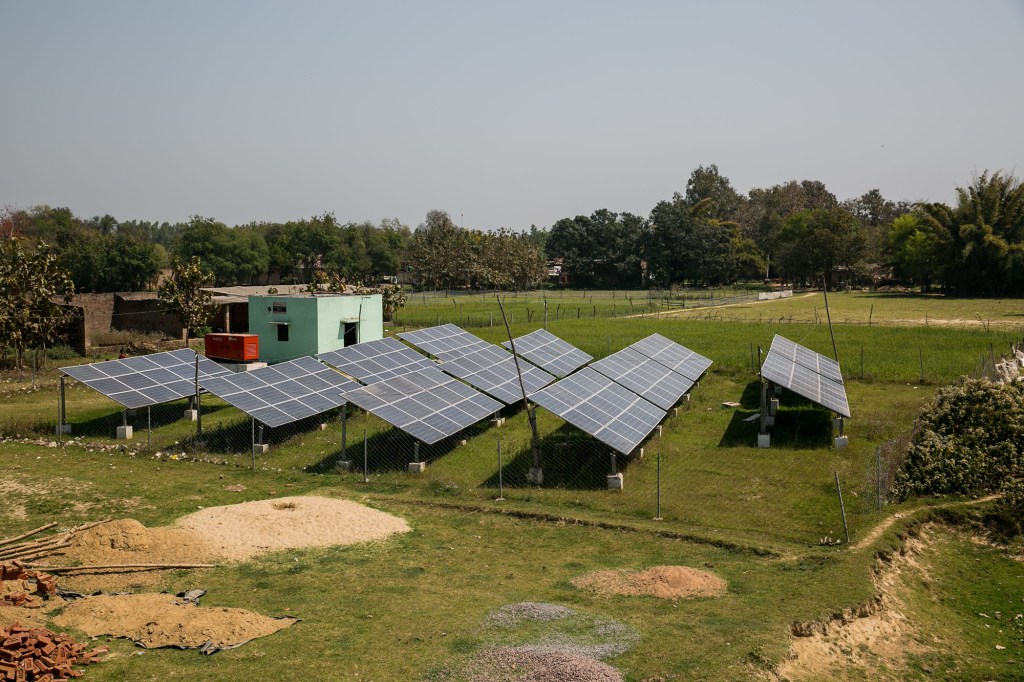
The micro grid powered by Solar Energy

Before to speak about the solar farm itself it’s important to understand how Tara Power did the site assessment.

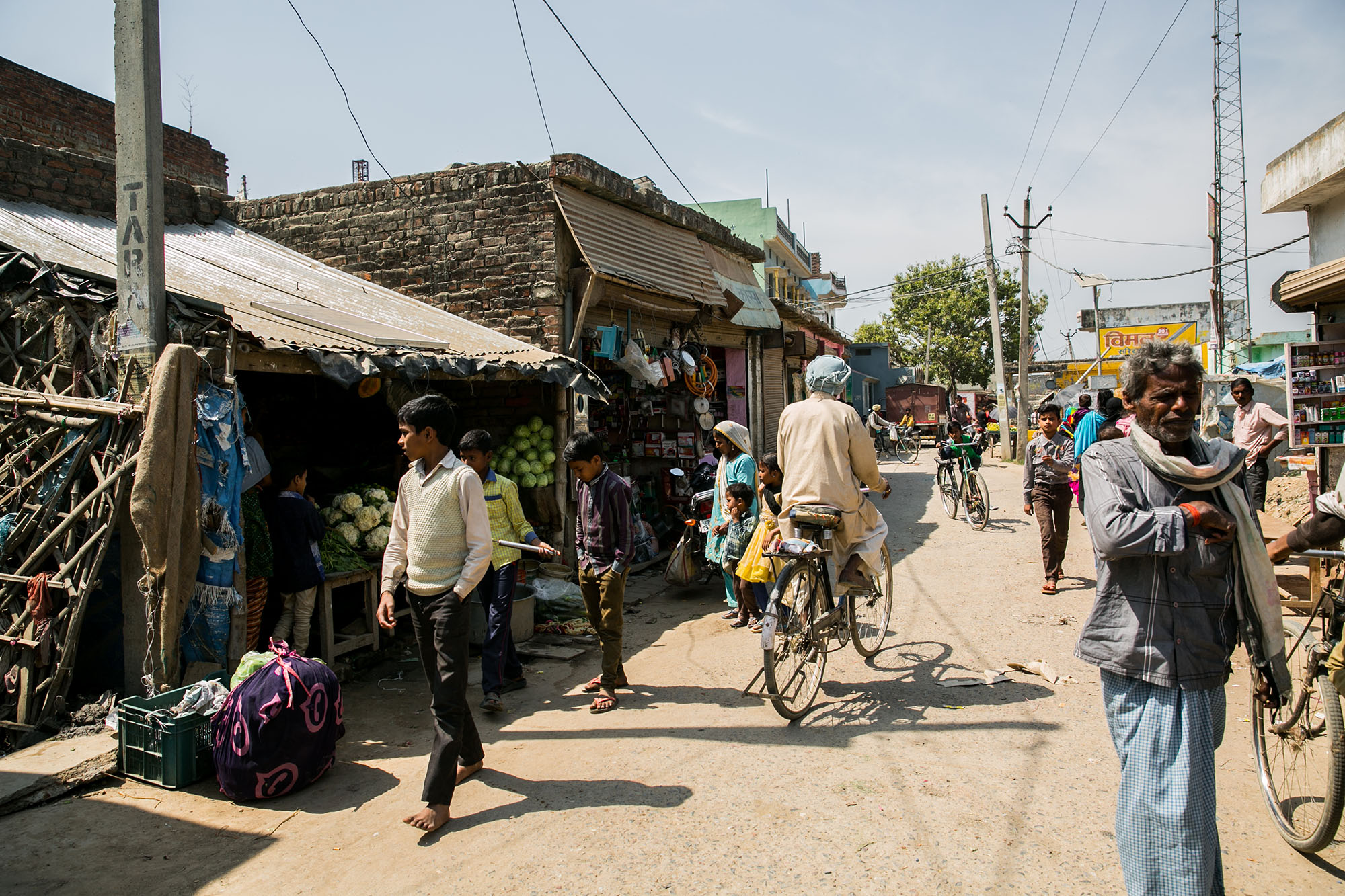
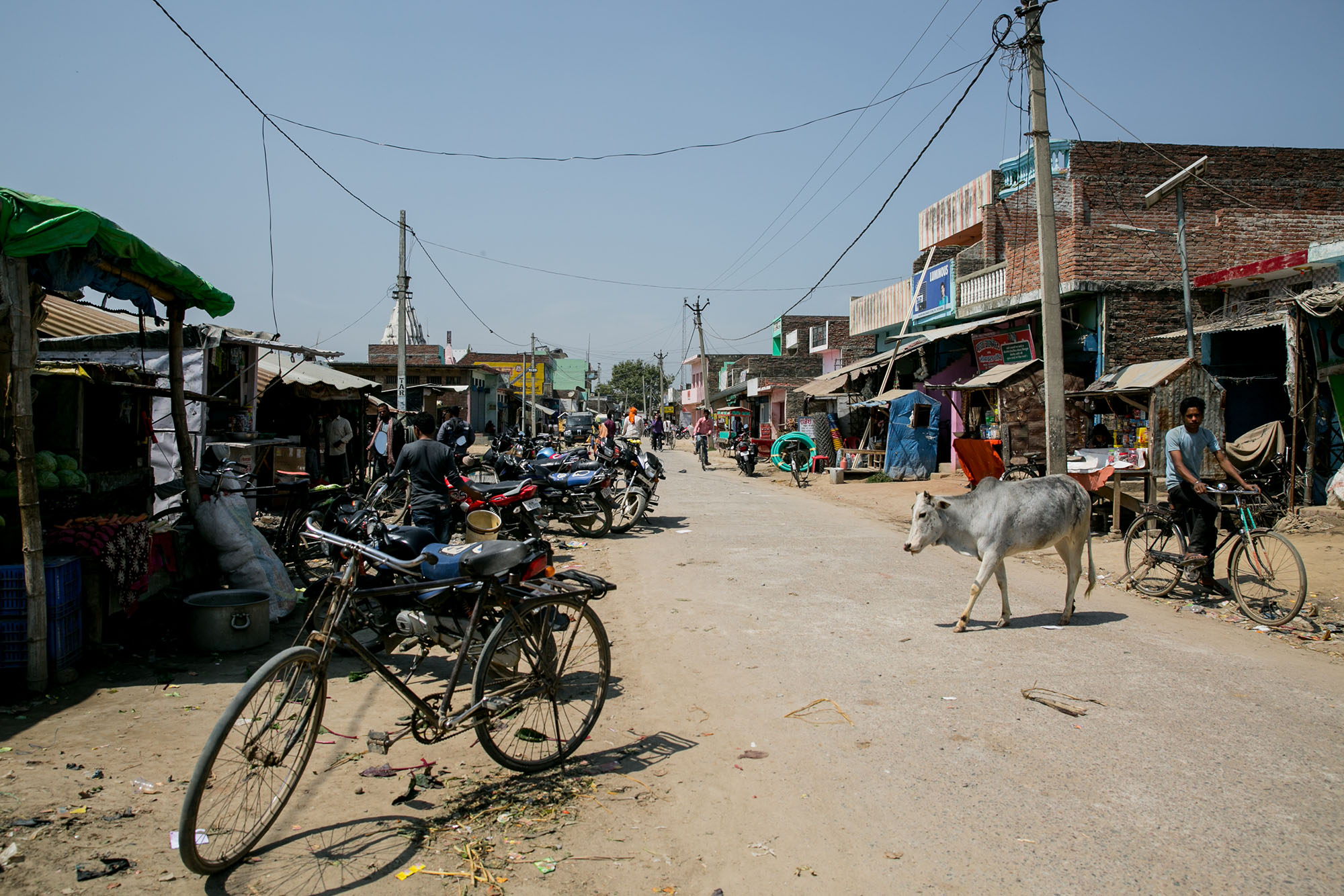
First, it must be far from the capital, with a population of more than 1000 inhabitants, including a market in the surrounding and obviously where the electricity grid is not reliable. Those criteria are important to evaluate impacts it might provide and allow a sustainable business.

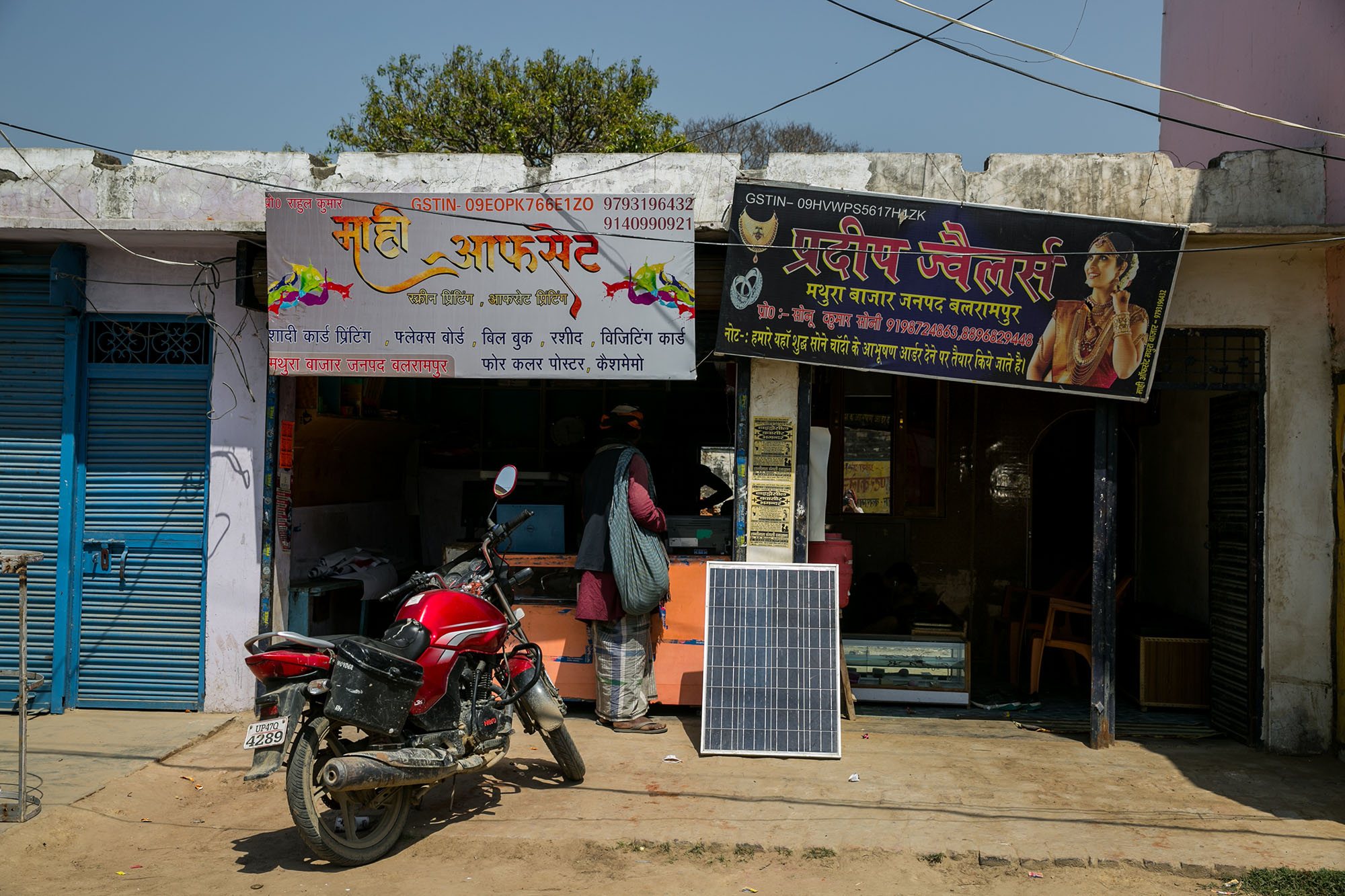
We have visited two sites : Mathura Bazzar and Shivpura.

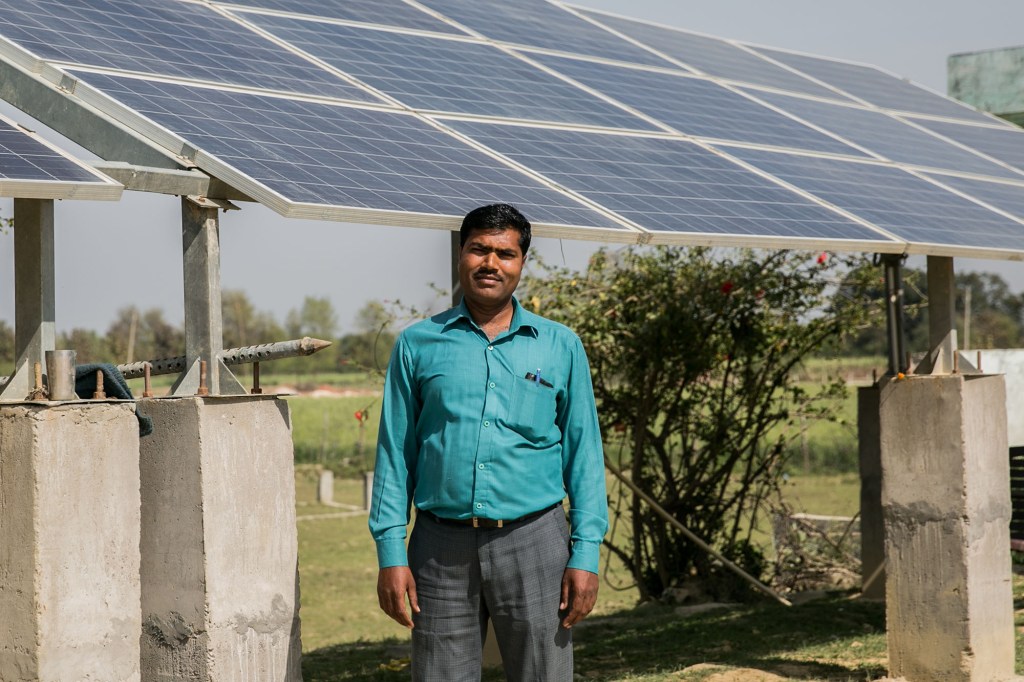
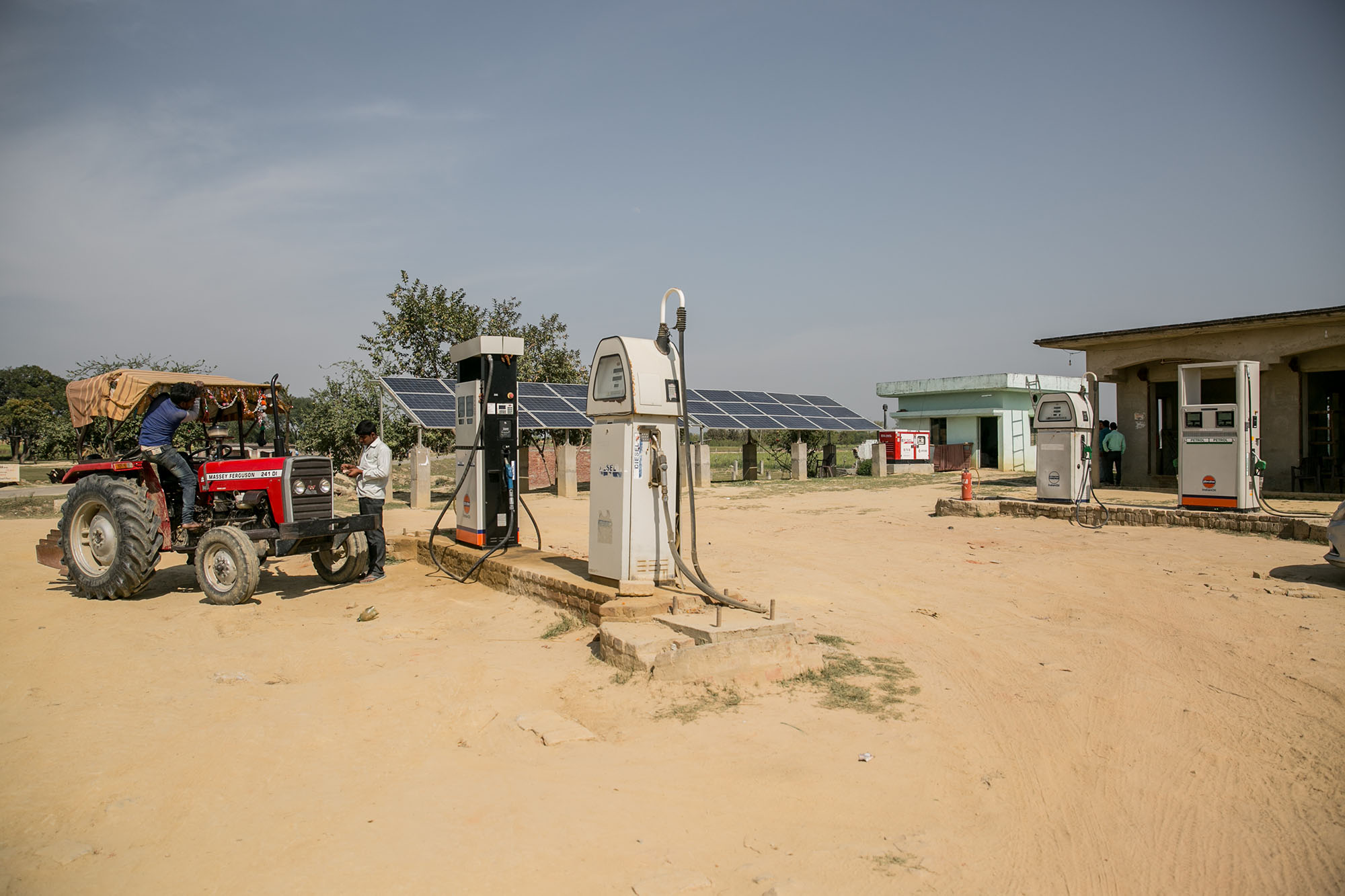
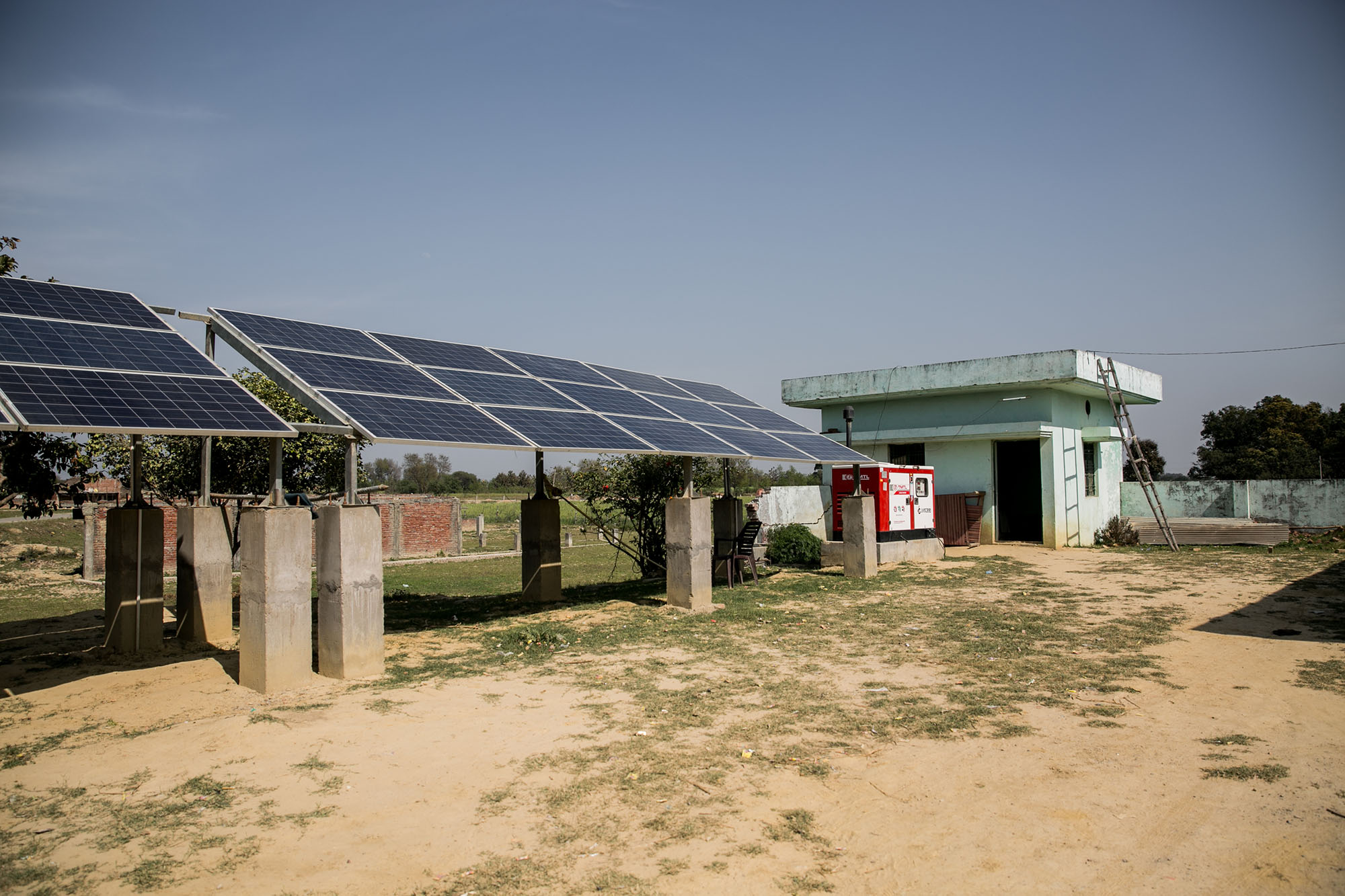
One solar plant can produce 45KW which is good enough to supply the village. Today almost 80% of the village get electricity thanks to Tara Power. We’ll come back to it later thanks to customers interviews but key reasons are the reliability and price since before the solar energy the only way to get reliable electricity was with diesel engines and it costs 30% more.

The set up of the plant wasn’t an easy task, the solar technology was also new to the Tara’s team and they had to learn on the spot how to bring efficiency and avoid overload. They are now experts and the only limitation they’re still facing is with batteries: how to stock more and longer? A lot of companies are working on this problematic and I’m sure we’ll get breakthroughs soon.

In case of vey bad weather or maintenance of the farm they also have a diesel generator. This is only a back-up system to guarantee 100% reliability to their customers.

Setting the grid is not only about the farm, they also physically built the grid with poles and high voltage lines. The village is now covered with 2 grids one from the government and one from Tara.

Why is Tara not using the government grid? First of all because they are not allowed, then due to its quality and finally they also need to distinguish their grid with customized electricity meters for their customers.

The range of customers is quite broad, during daylight public spaces (school, hospitals,…) and commercial units are the key users. However, in the evening households become the main users.

Interviews of customers

Building the solar farms was the first step then they had to build trust with people living in those villages and make sure they provide an answer to their needs.

As usual, nothing is better than meeting customers to understand why they’ve chosen Tara and how does it change their life. So we walked in the villages looking for persons to interview.

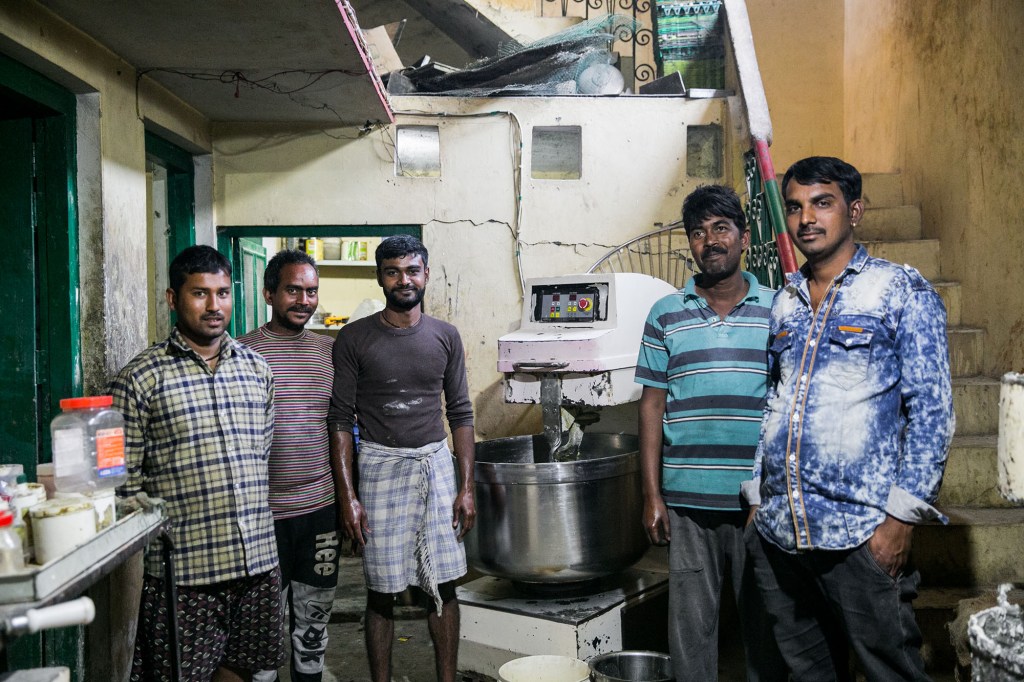
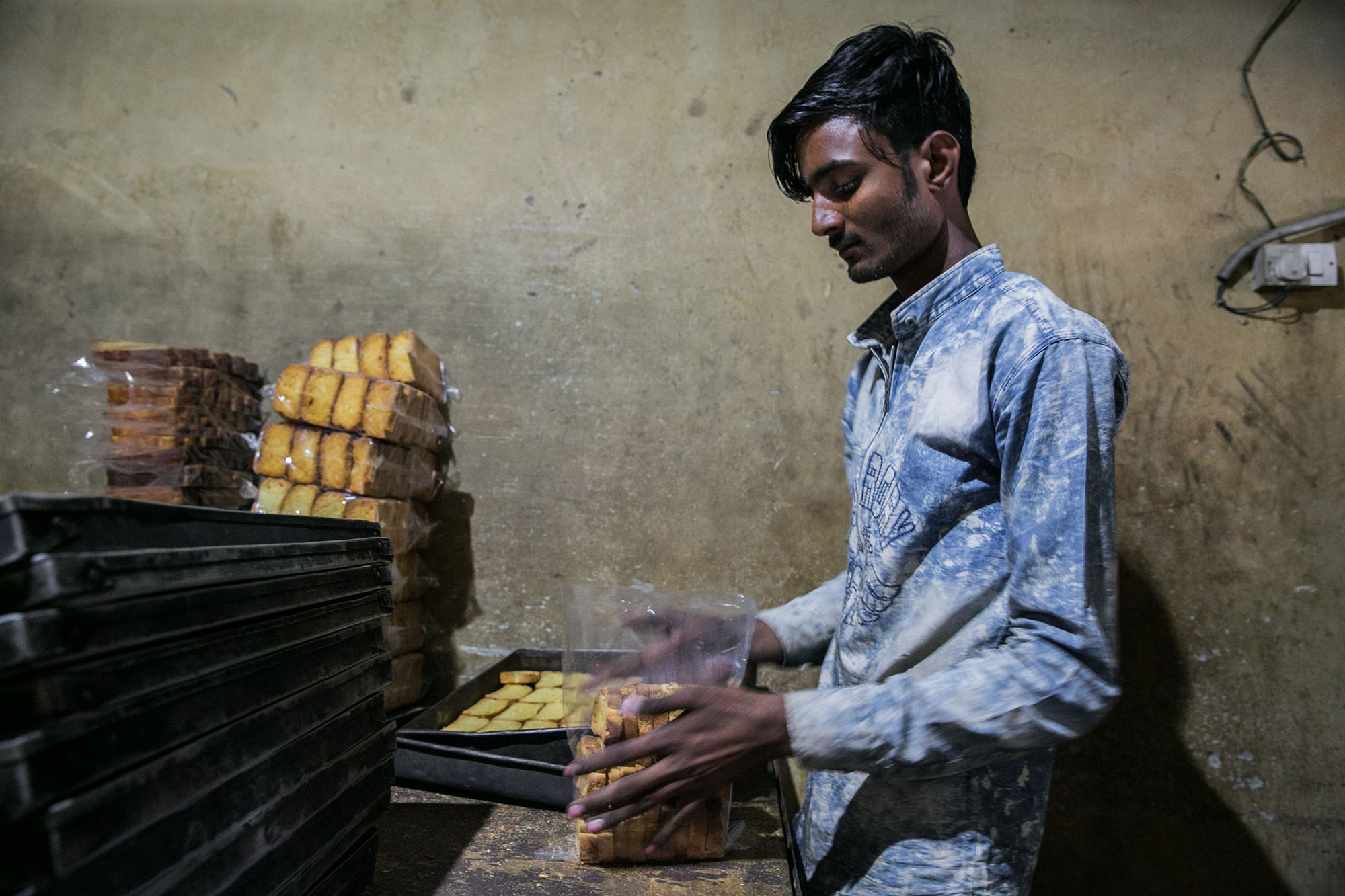
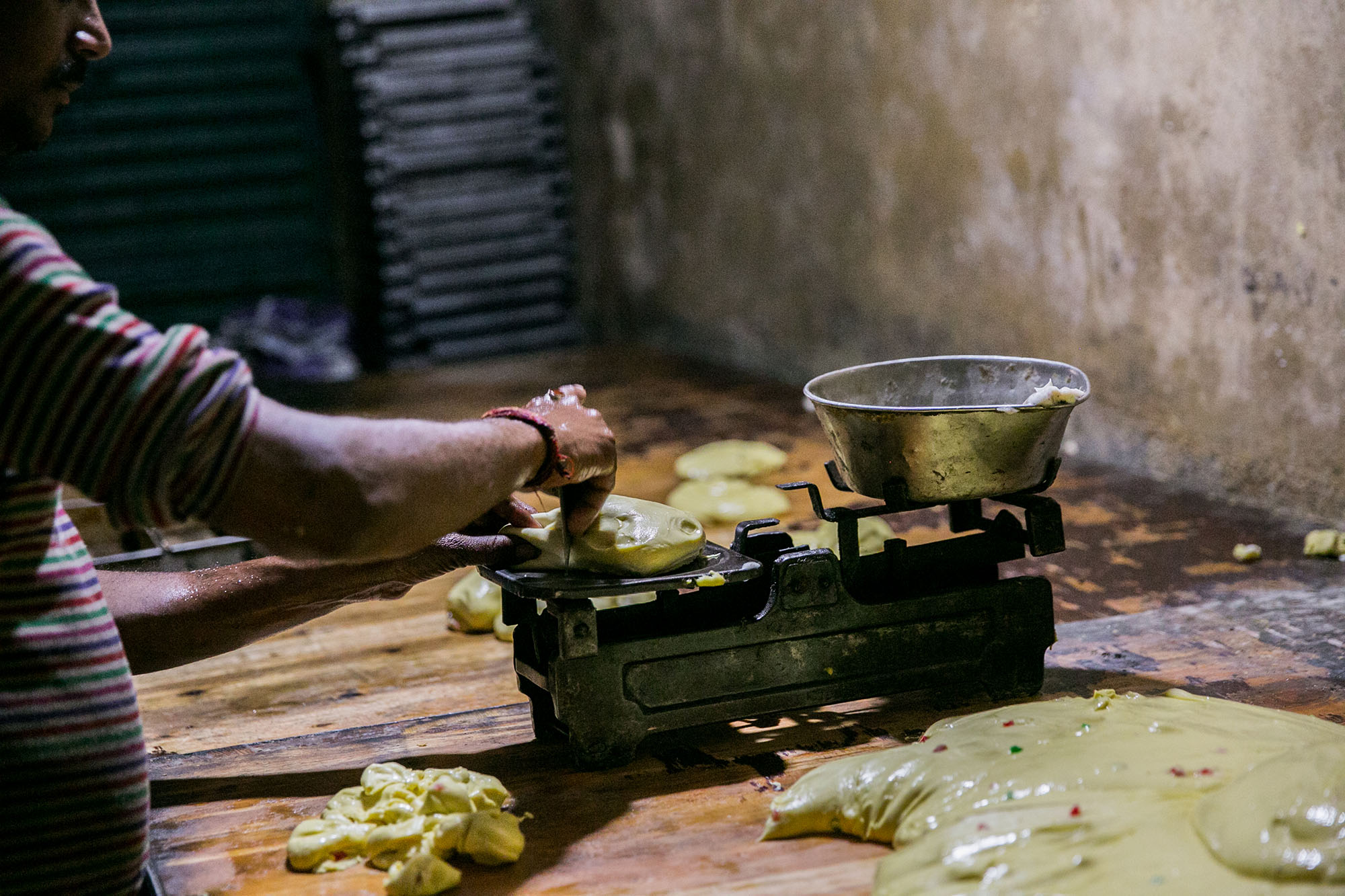
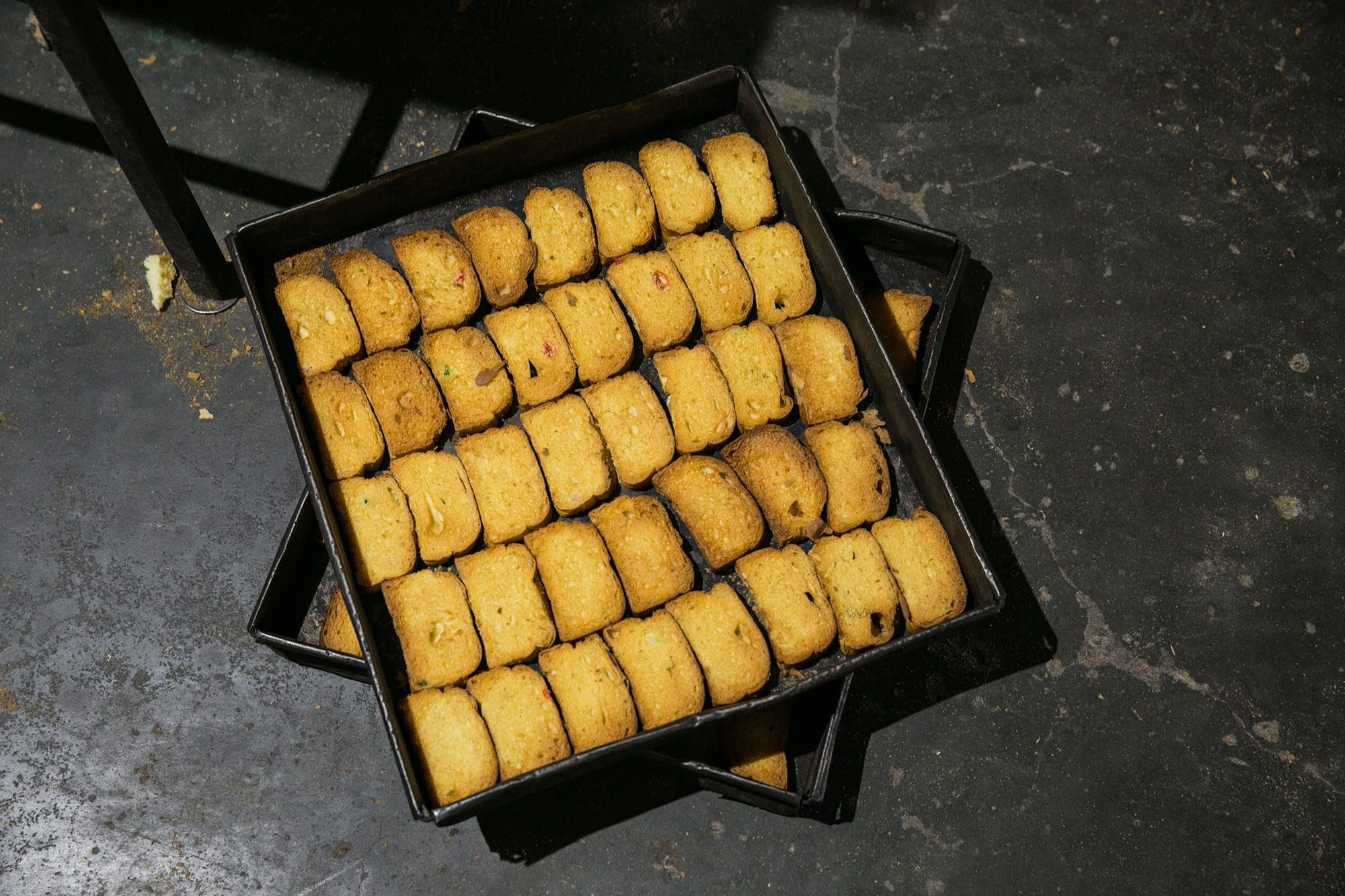
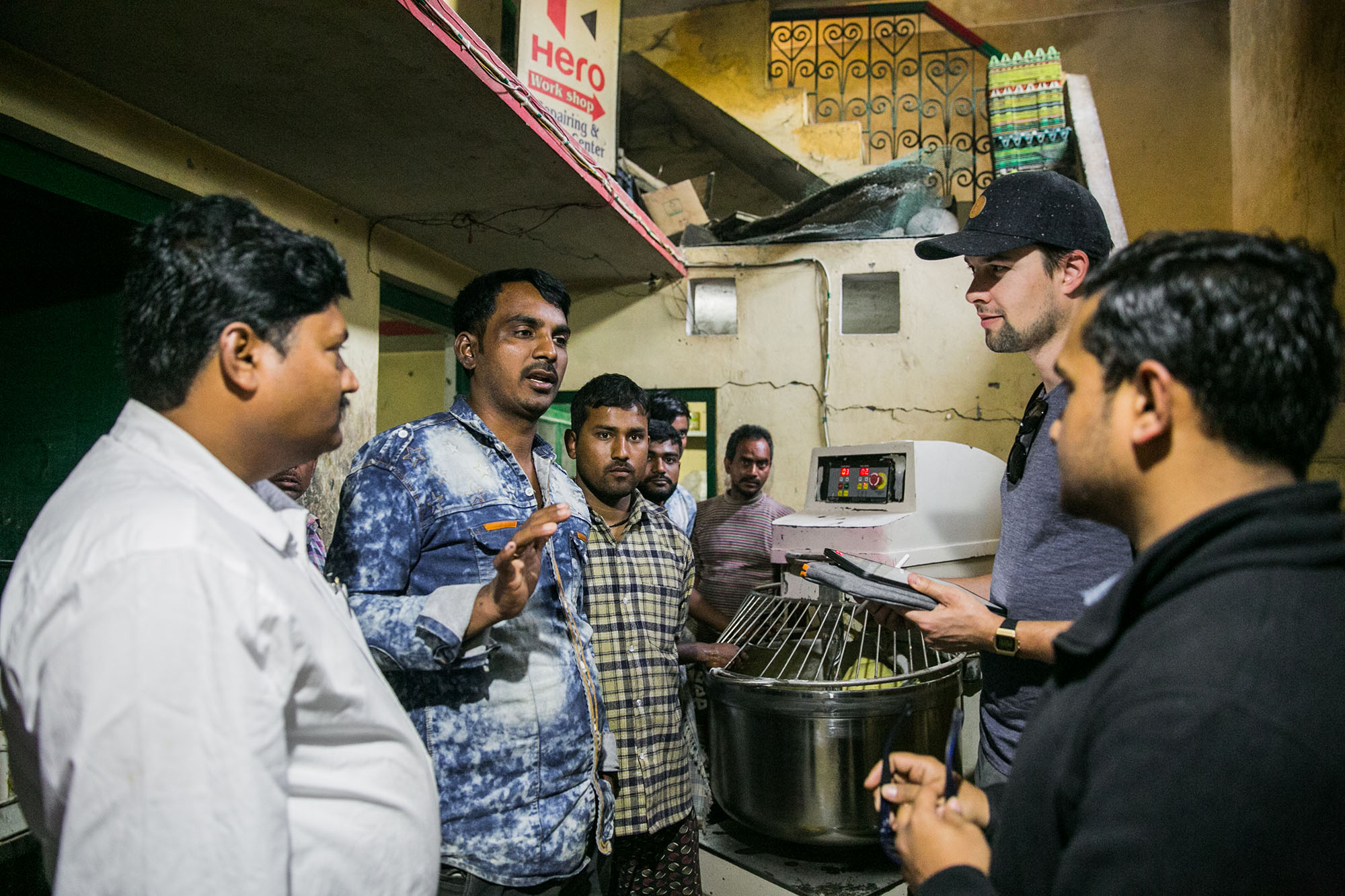
The first person we met is Mohammed Sargid, owner of the only bakery for the 75 surrounding villages.

Mohammed is not from this village and he didn’t know anything about bakery before but he decided to believe in the business potential of this isolated village.


The least we can say is it was a wise decision. He’s now a real entrepreneur of a company which employs 12 persons. His next ambition is to open a restaurant.

The baker decided to buy electricity from TARAurja because reliability of electricity is crucial for his business as it was not possible to get it from the government grid. Before Tara he experienced a lot of power failures and had to use a diesel generator.

Another mentioned added value is the customer service, indeed he knows who to call if he has any troubles and Tara can fix it quickly which is mission impossible with government’s service.

Then we met Rajesh who manages a pump station at the exit of the village.
The location is at the edge of the grid and since the pump station needs 7.5KW they decided to build up a local solar farm dedicated to the pump station.

The funny thing is that even for the pump station using solar electricity is cheaper than diesel engines.

Later we also discussed with a cheese factory manager and a doctor.
They all mentioned they couldn’t run their business without reliable source of energy and recognized the great customer service and reactiveness of the Tara team.

This is a strength of Tara, they’ve built trust with their customers. They have people on site and therefore they can quickly react and support if needed. When you are in those isolated areas you can’t expect such services and it makes a huge difference.

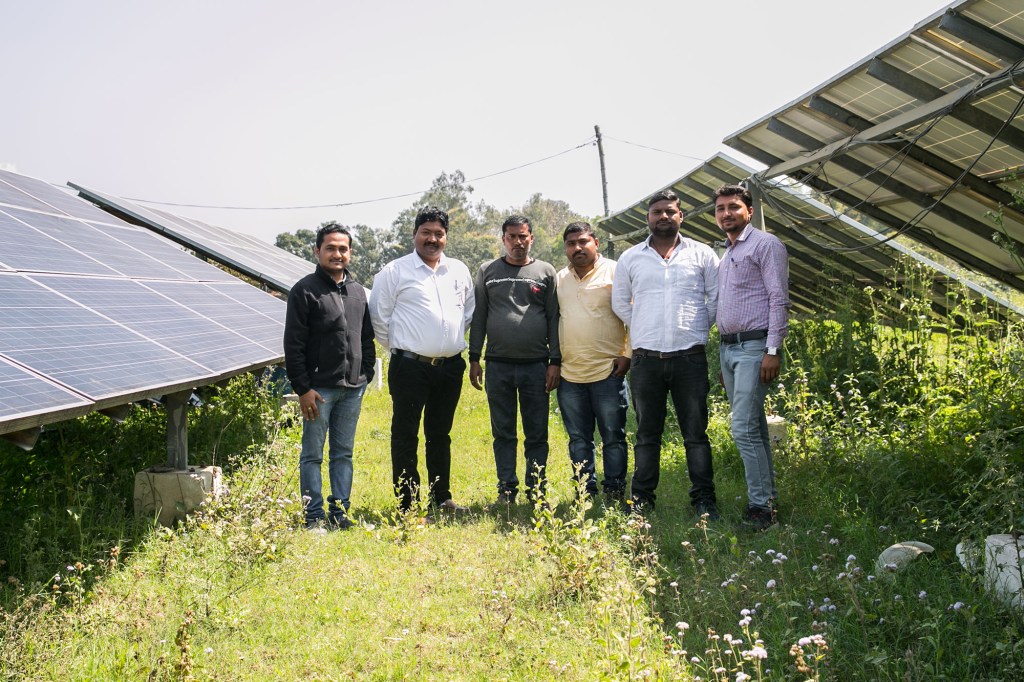
Tara’s team on the field

To conclude, yes technologies can be used to enhance life in disadvantaged areas. Signify and Tara by providing solar energy to those isolated villages have changed life of thousands citizens.

I mean they have access to electricity 24/7, for a more attractive price. But to me what’s the most valuable is how reliable electricity allowed to attract local businesses and therefore developed the villages. A doctor, a bakery and so many other services are growing where few years ago people were leaving villages to cities with the hope of a better life.

I can’t close this article without a big kudos to Debasis, Vikash, Shivan and Lakhan who helped us organizing this reportage.

Stay tuned, this was our last project in India but we still have reportages in Nepal, Myanmar, Cambodia and Vietnam to come!
Shanti Sahyog: every child should have a future

I’m going to share with you what was the most emotional and beautiful visit we had during our trip.

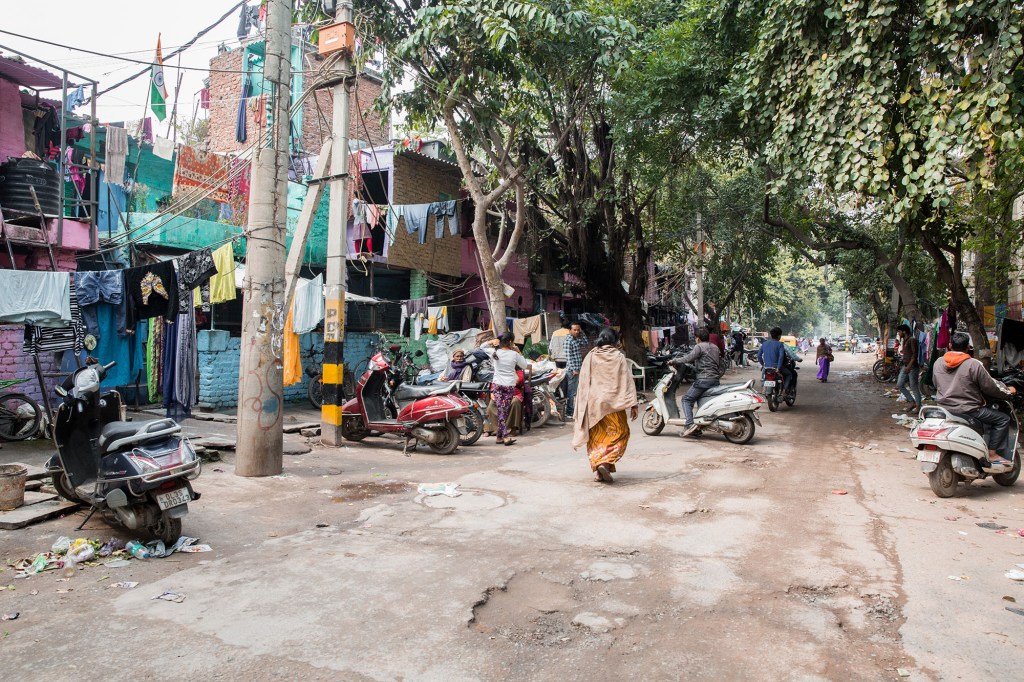
Not so far from the center of Delhi, in the Govindpuri/Kalkaji districts there are slums of thousands inhabitants living in thought and precarious conditions. Uneducated people who moved to urban areas with the hope for a better life. Unfortunately they commonly suffer from unemployment, illiteracy, drug-addiction, and low mortality rates of both adults and children.

“Poverty is the worst form of violence” Mahatma Gandhi

The mission of Shanti Sahyog is to help individuals and communities breaking the cycle of poverty that prevents them from reaching their full potential.

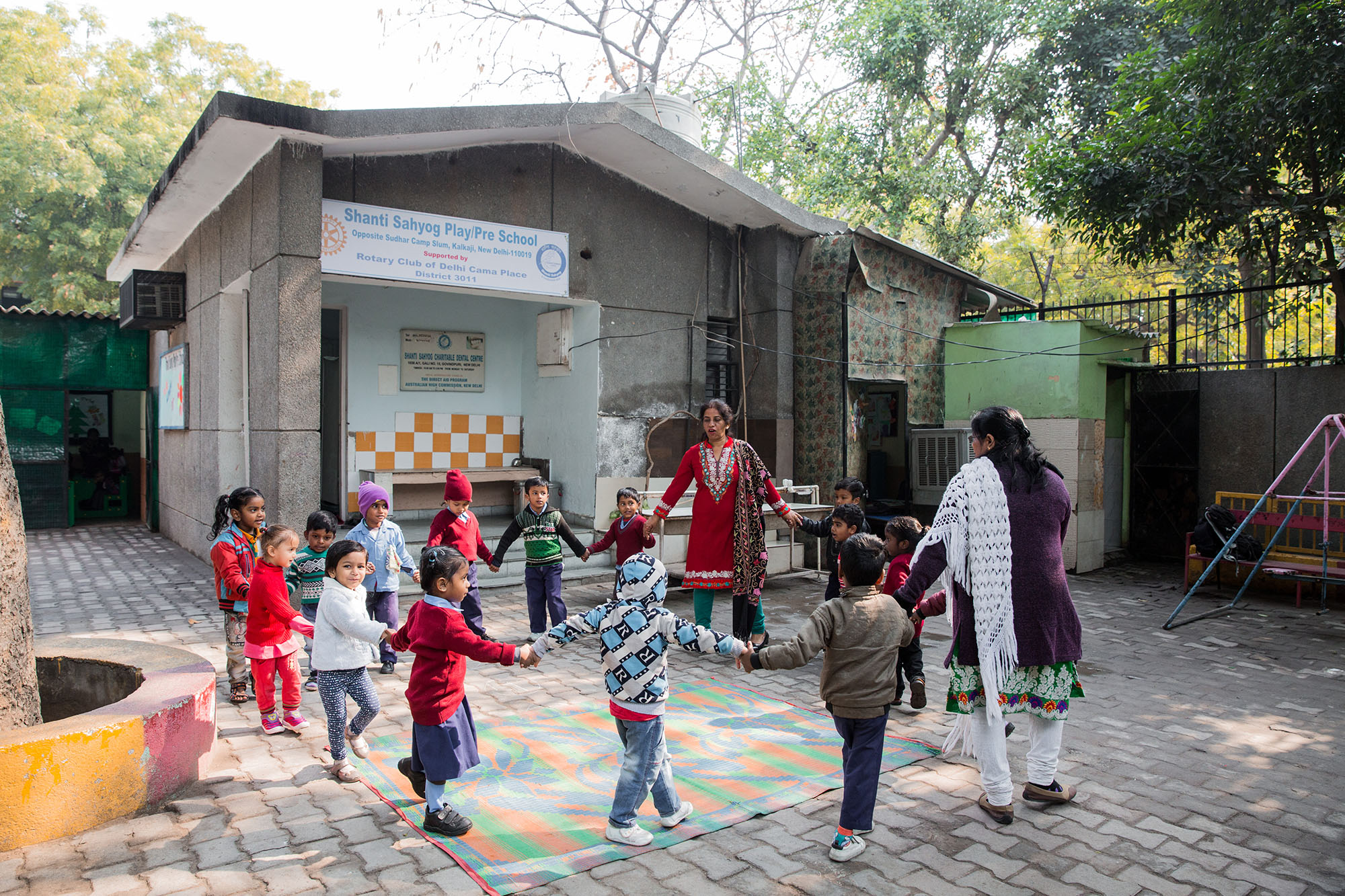
Their first ambition was to bring a better future to children trapped into those slums. 11 years ago they opened a school for 20 kids and today this school has grown to 100 kids.

Visit of the school – giving children a childhood

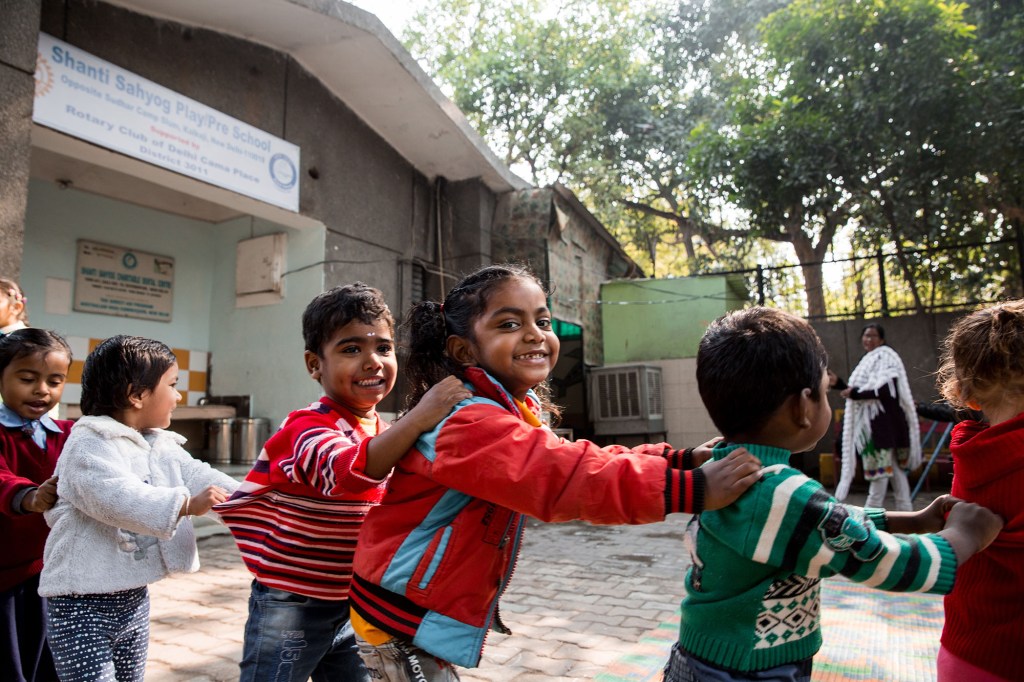
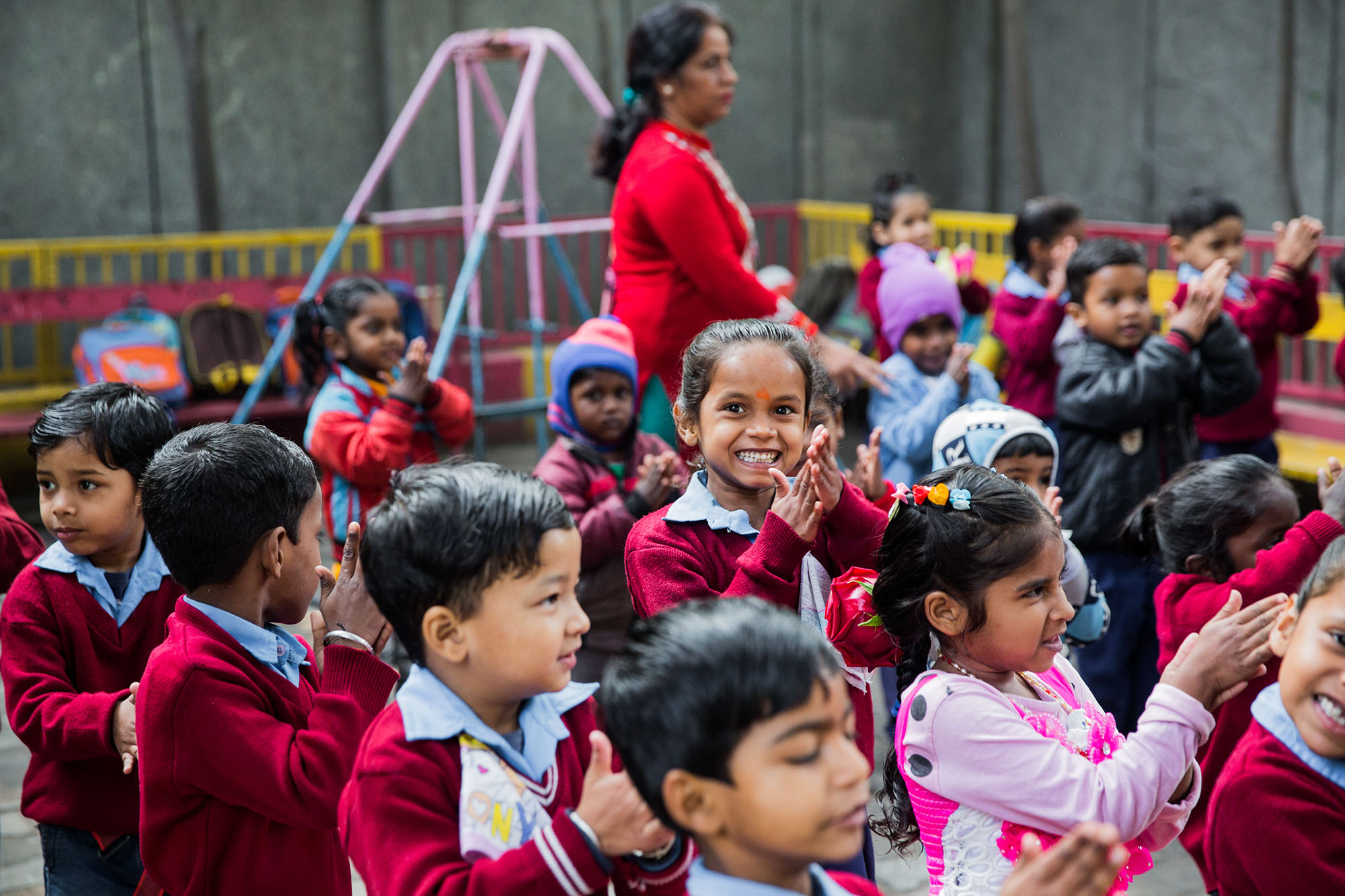
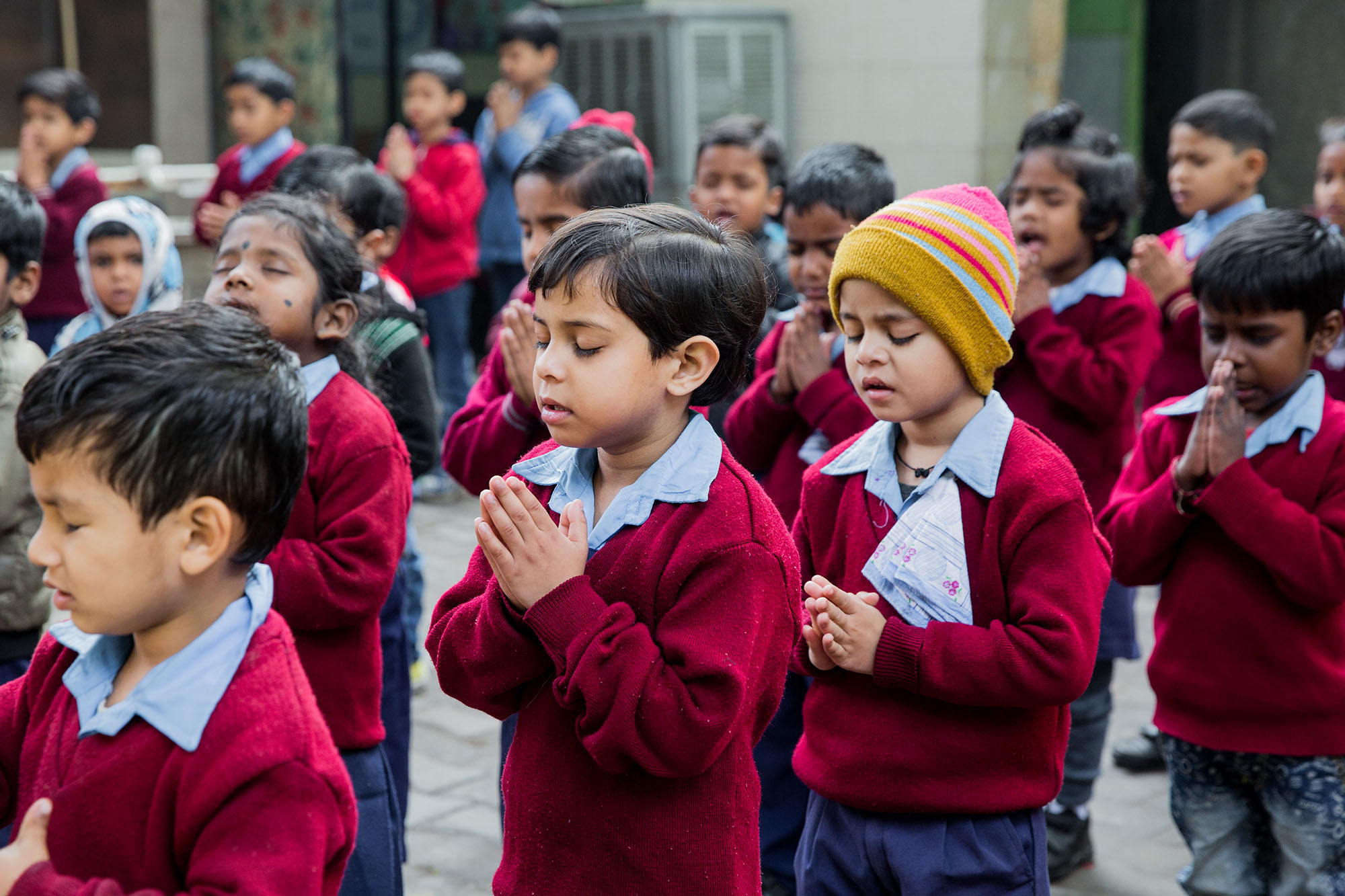
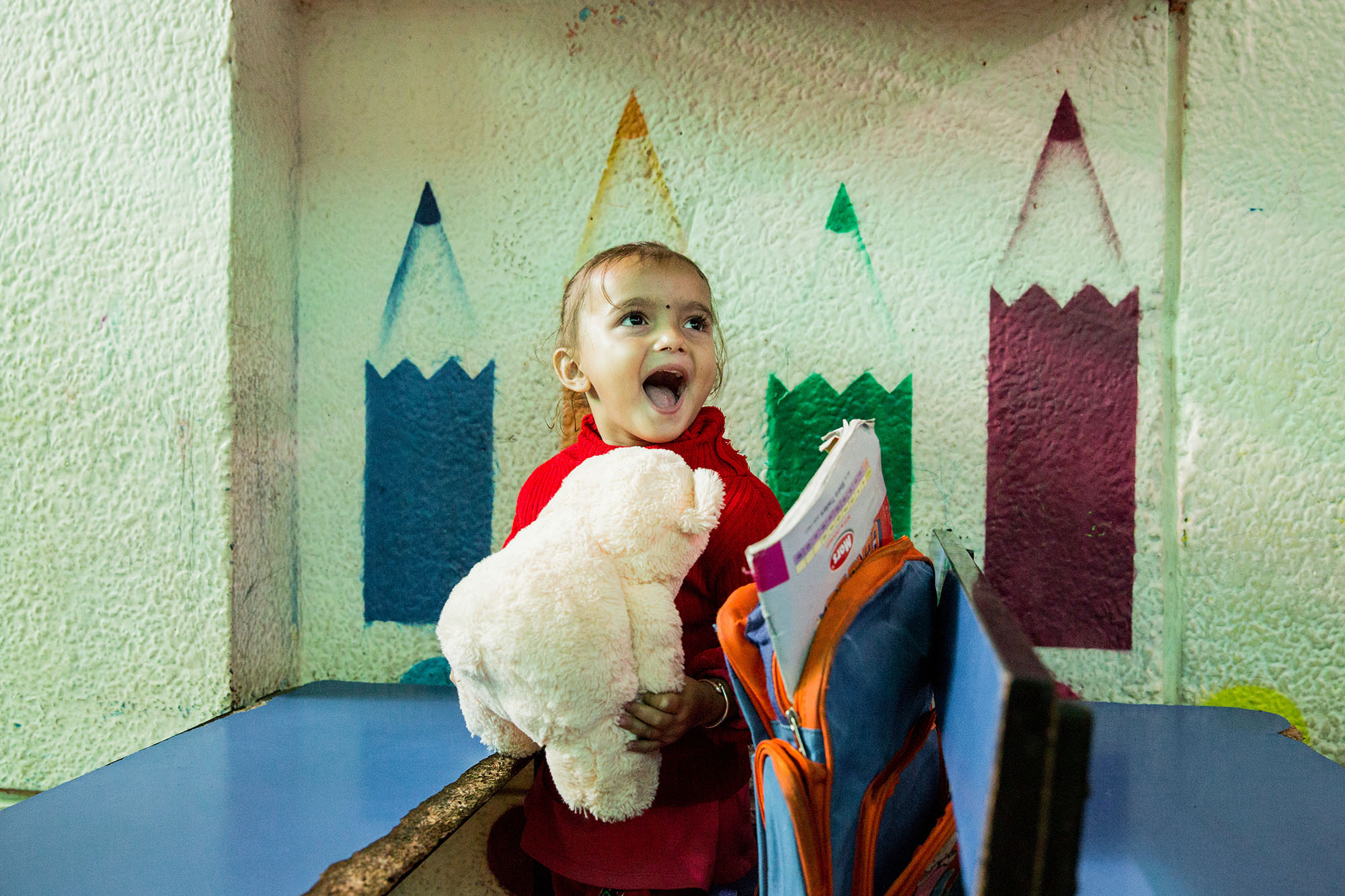
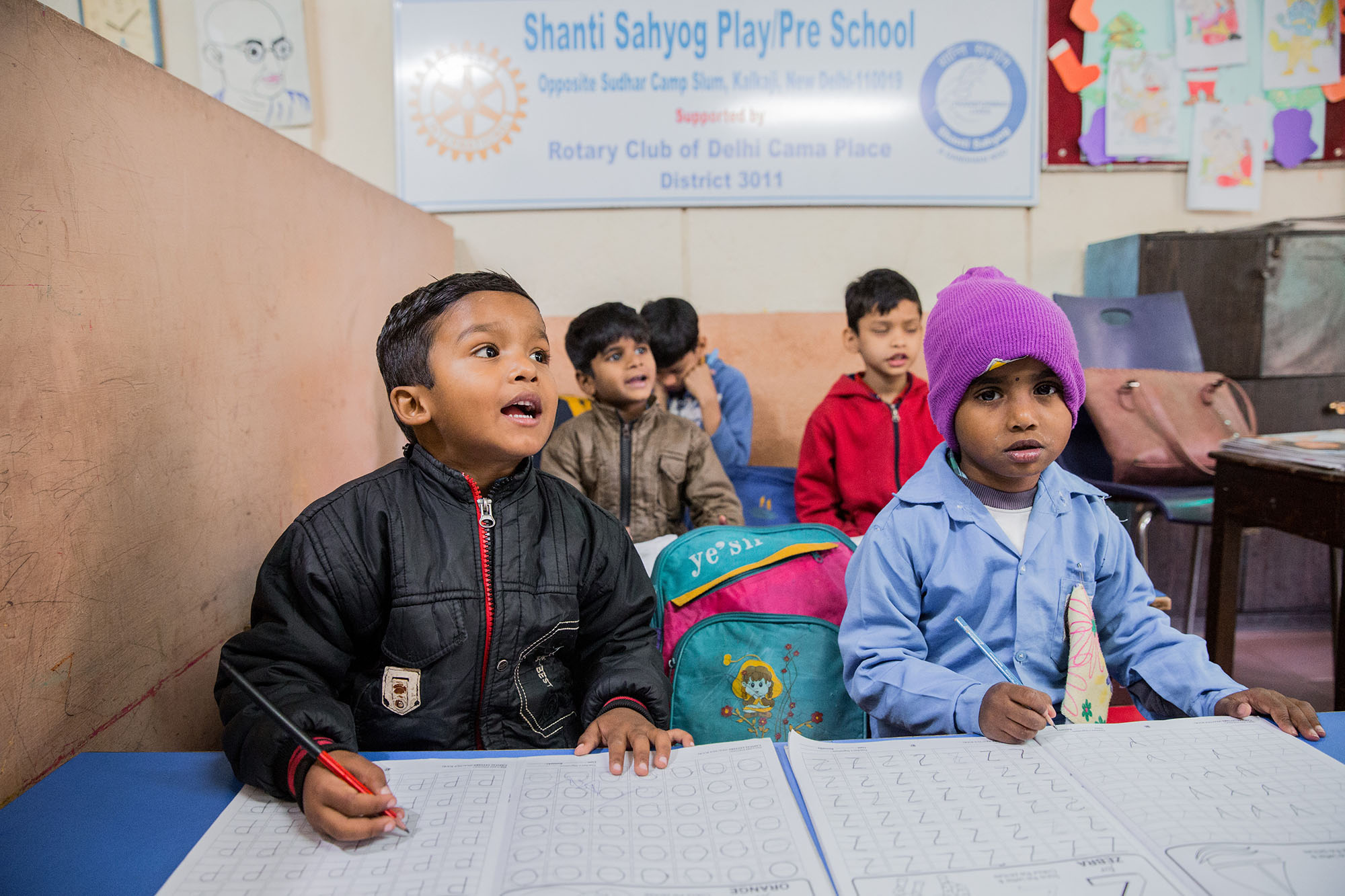
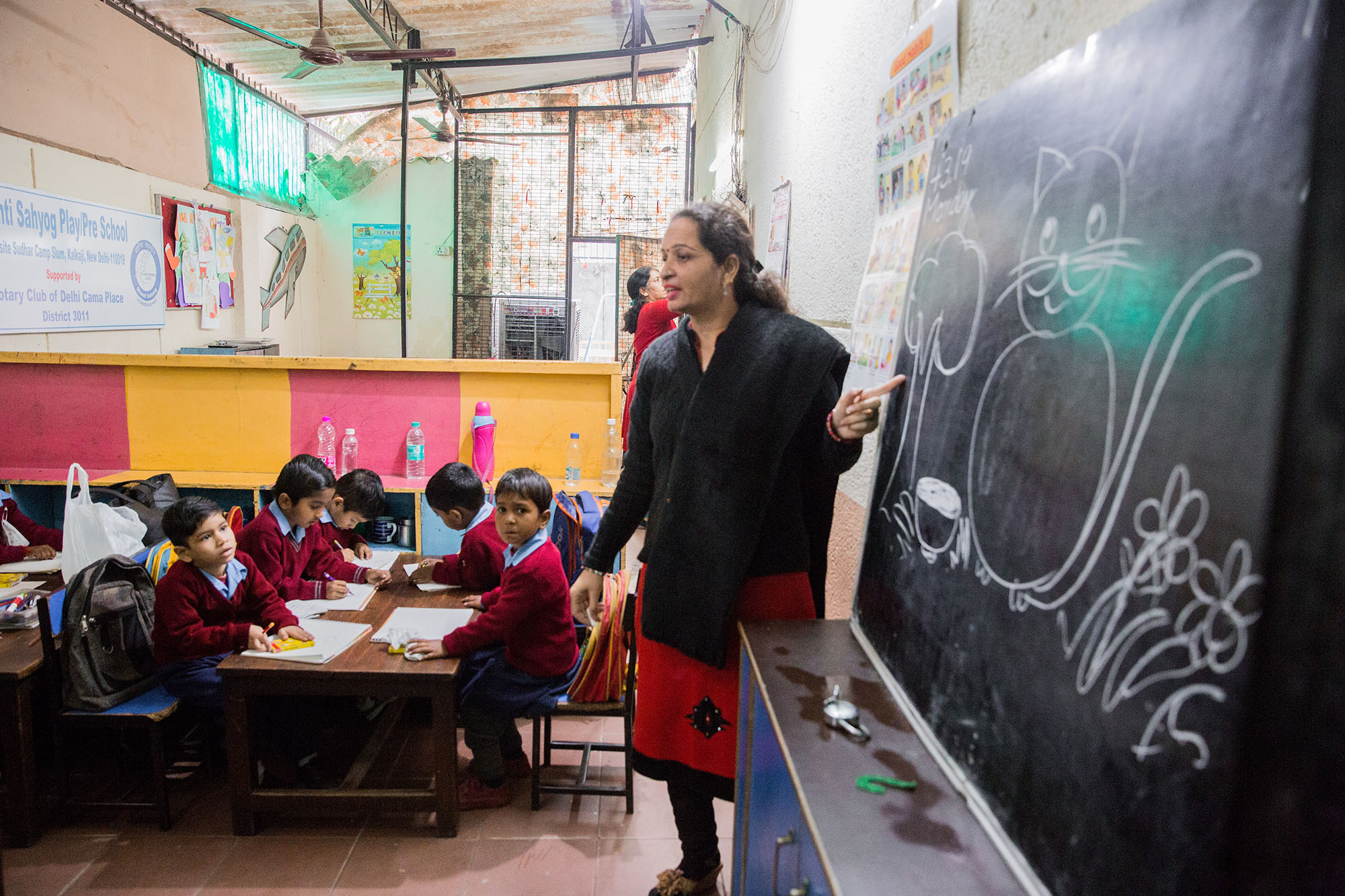
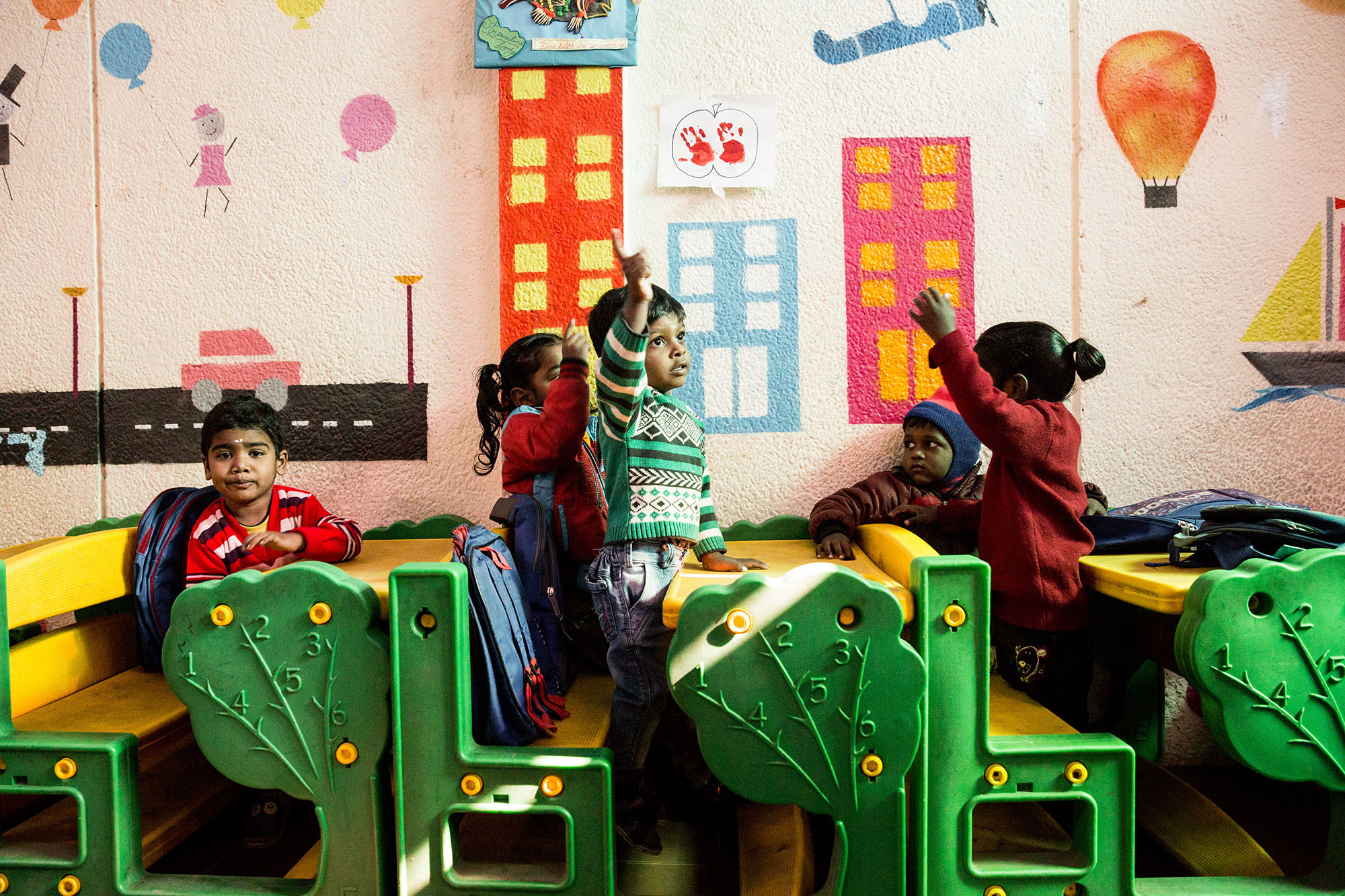
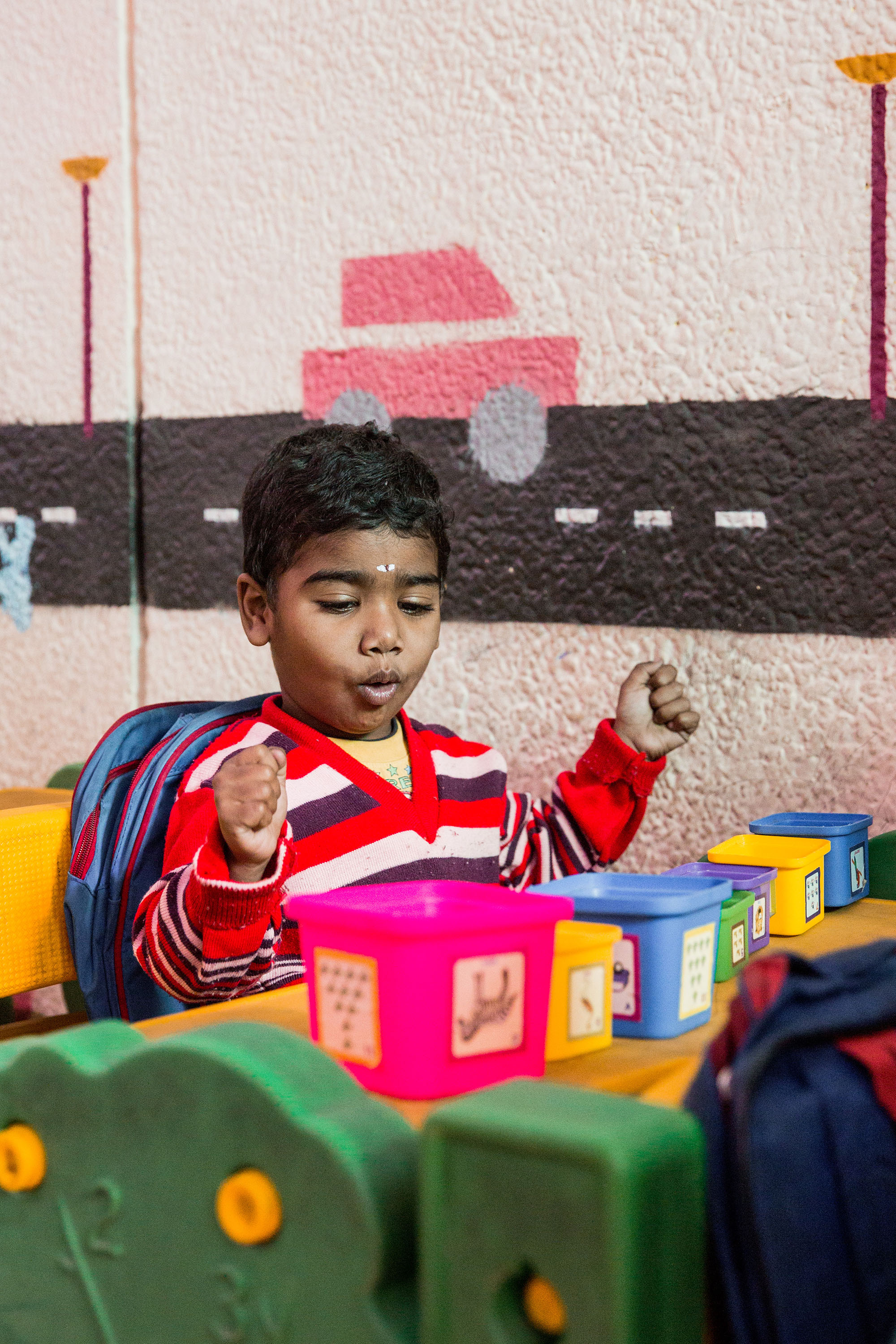
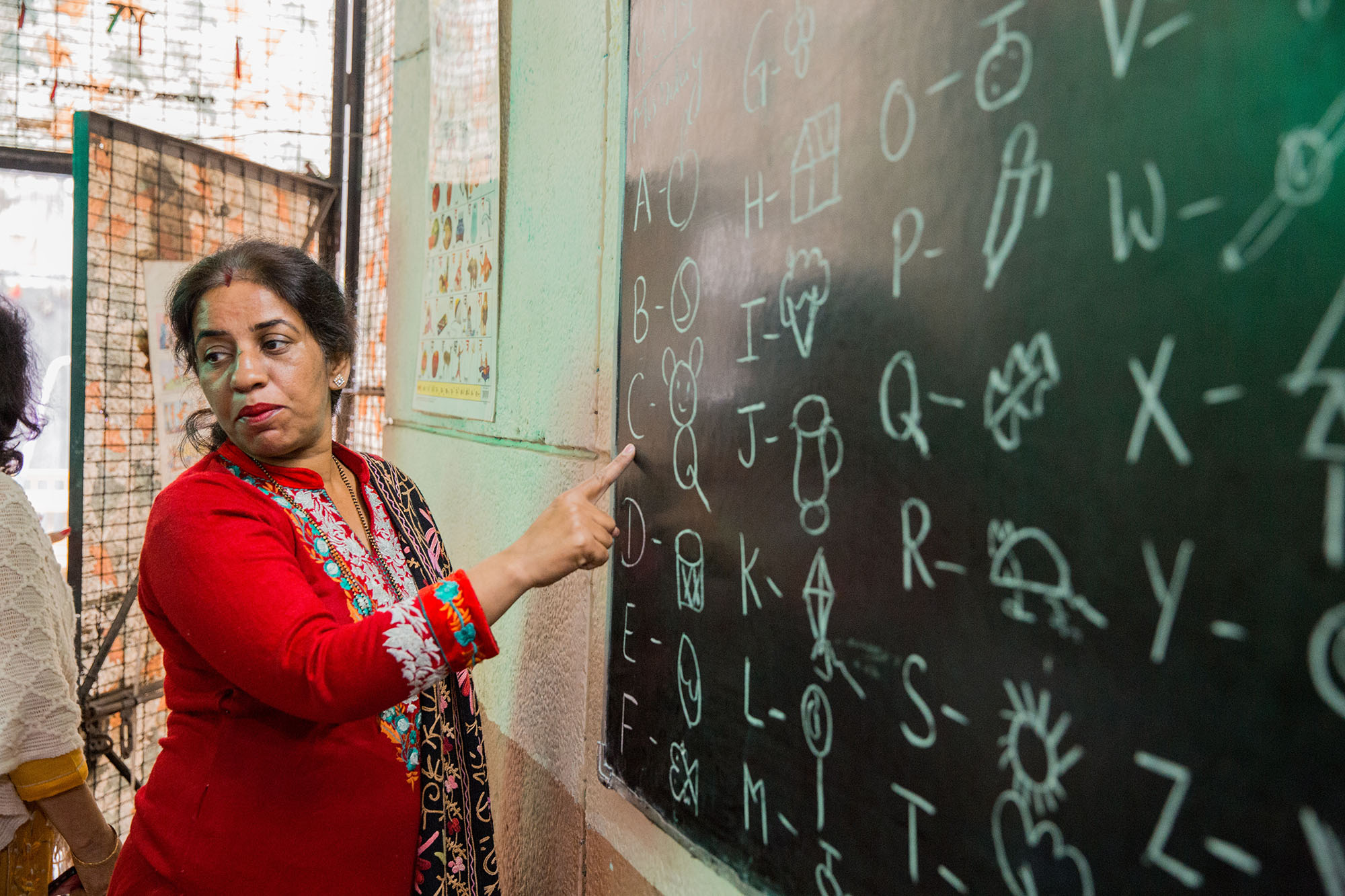
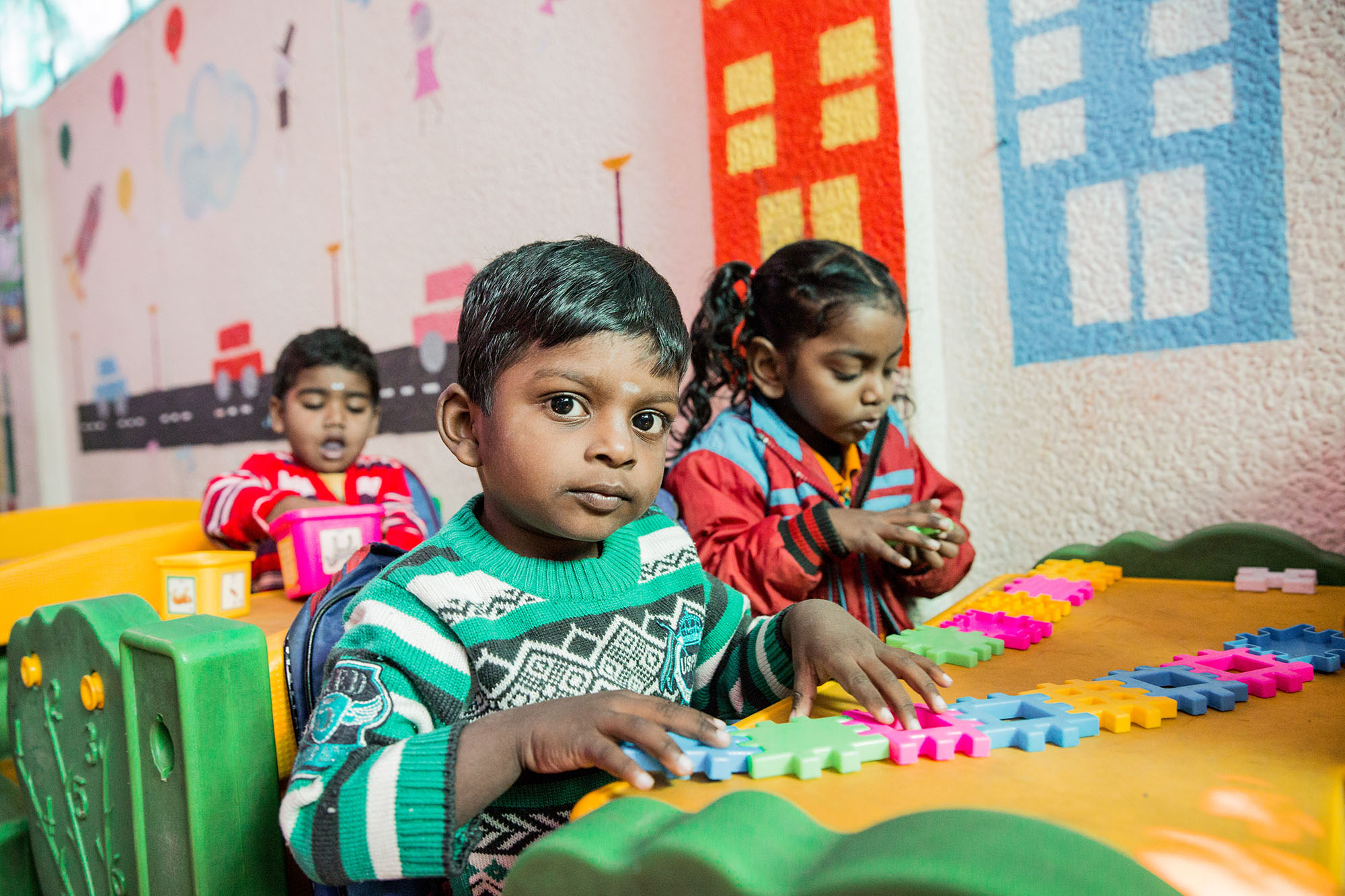
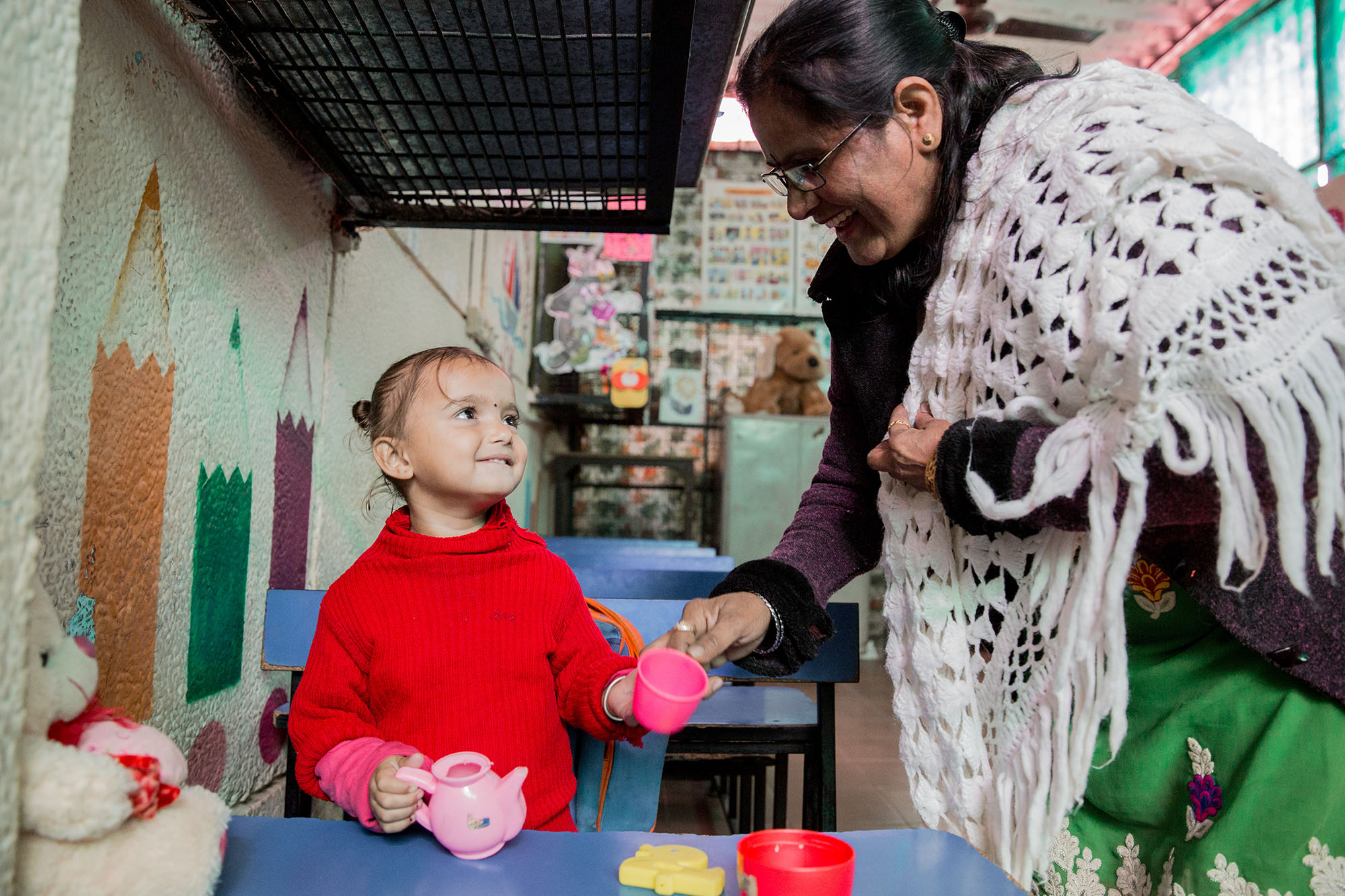
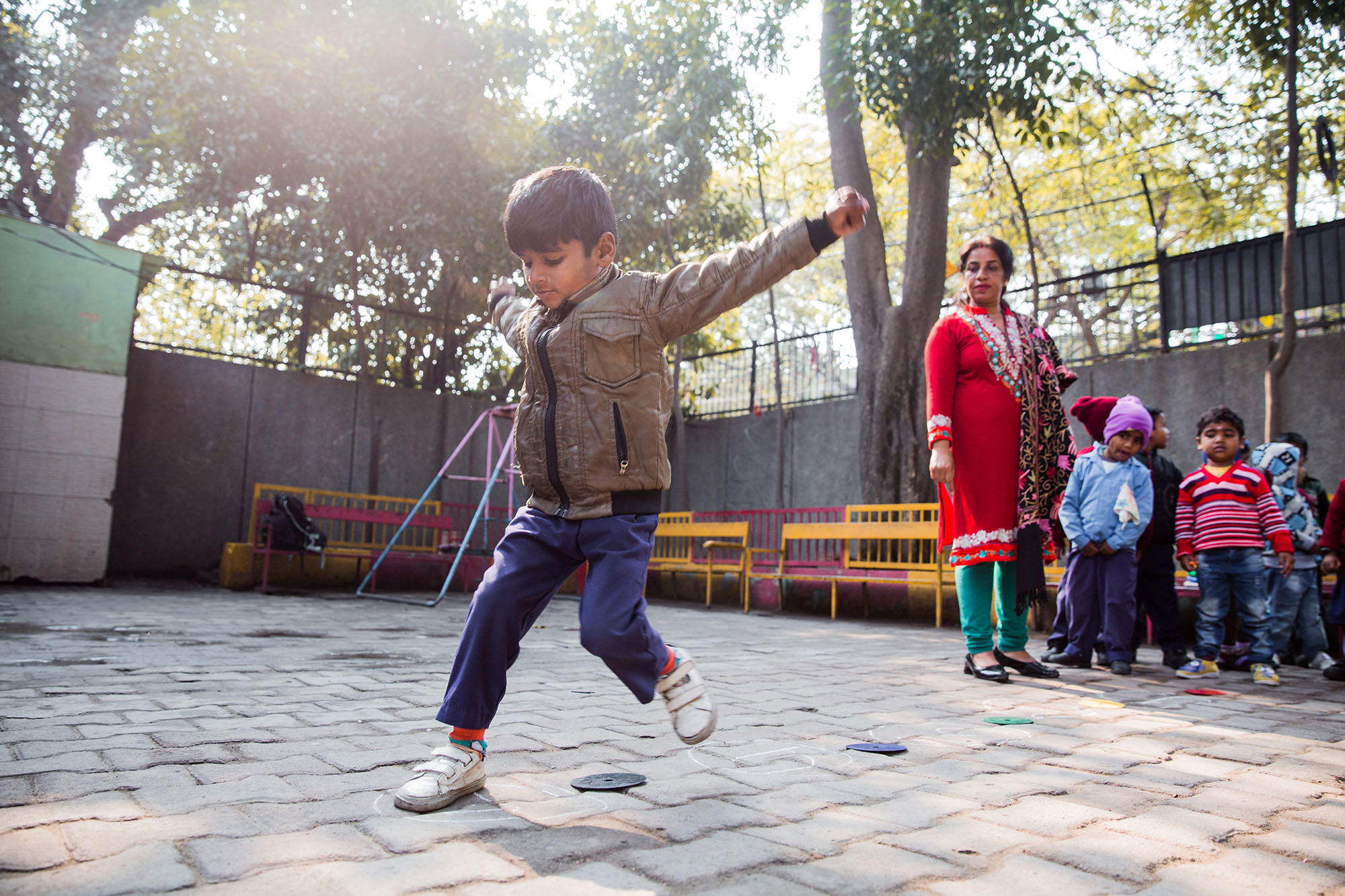
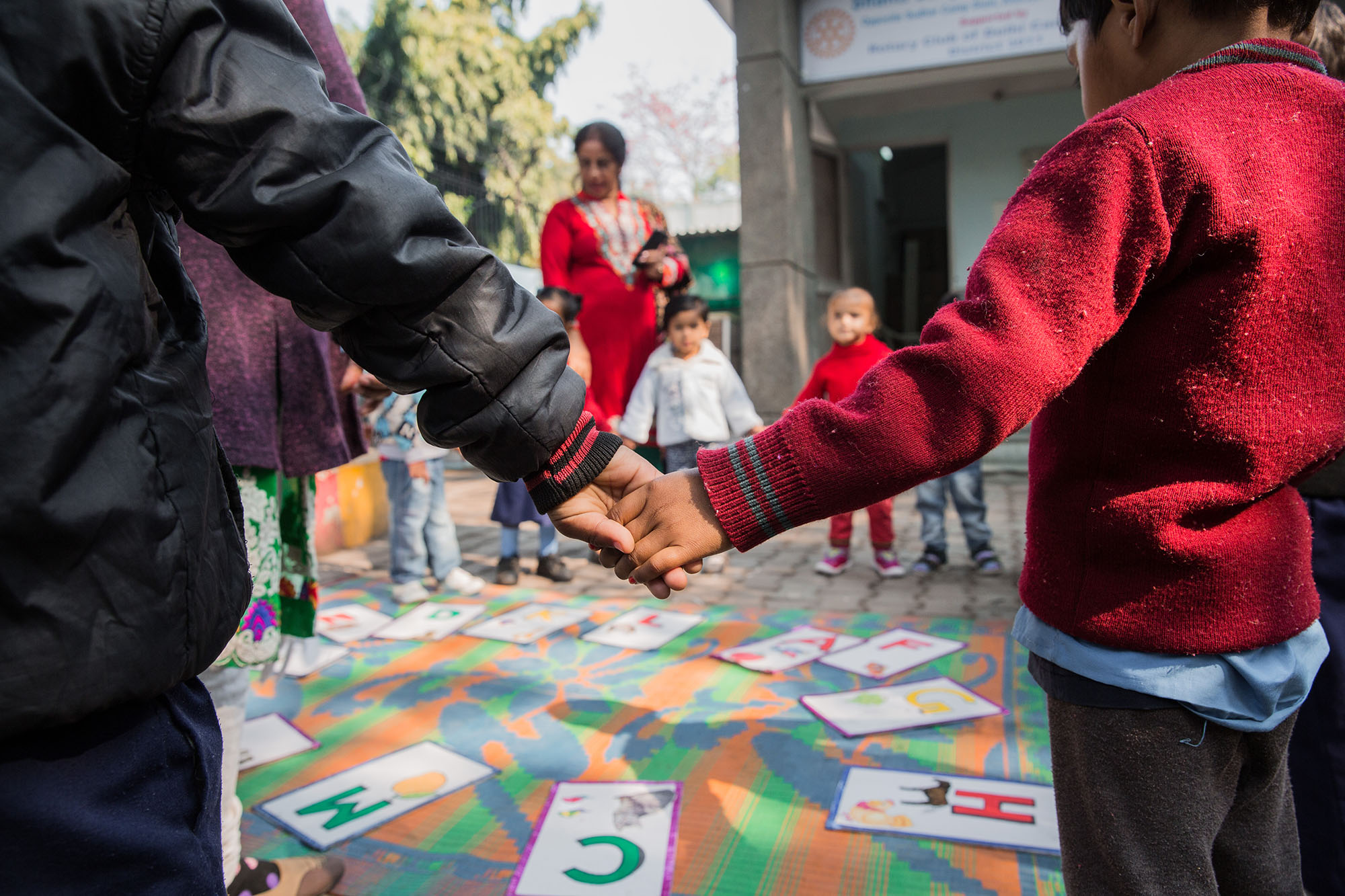
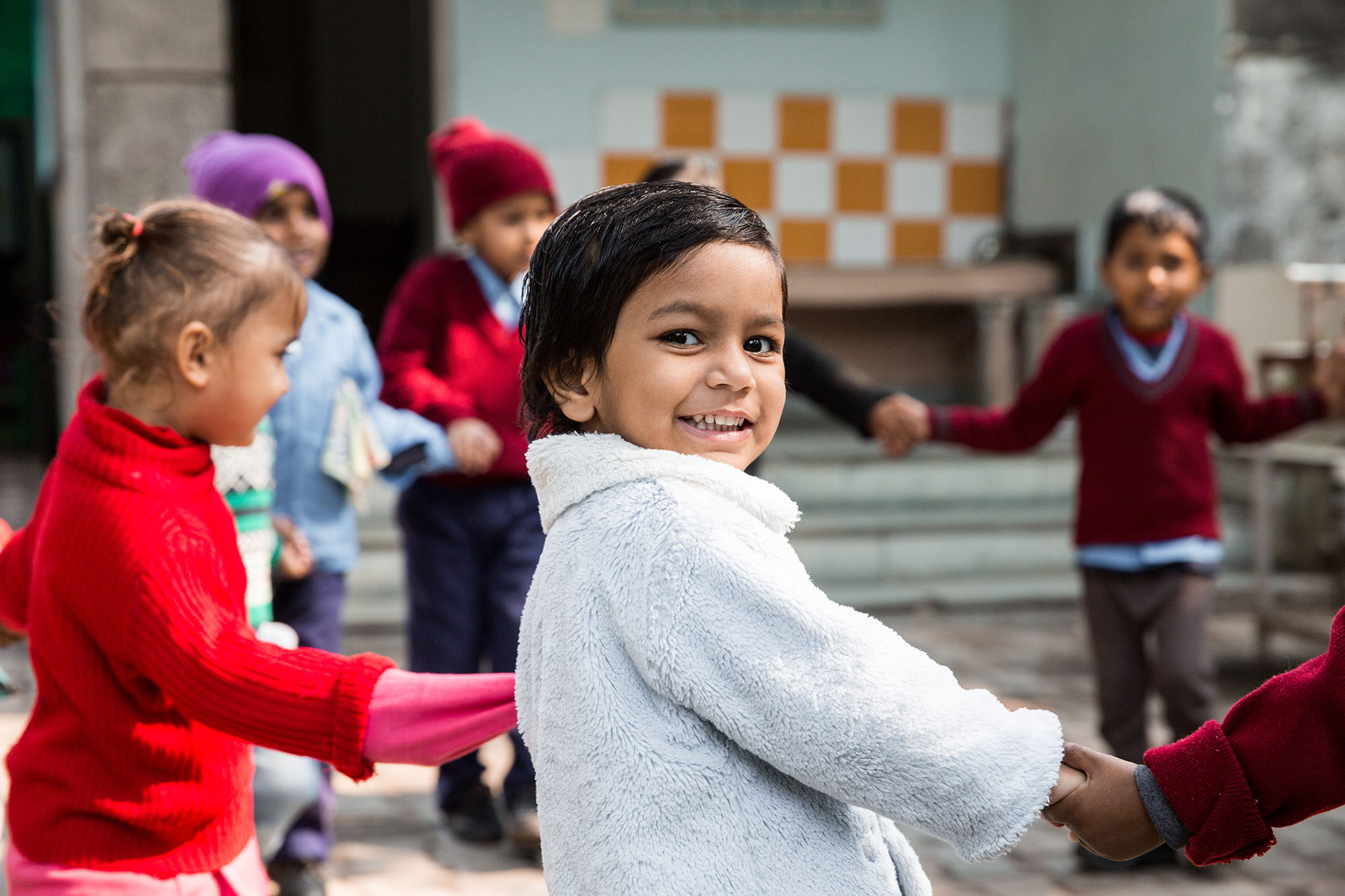
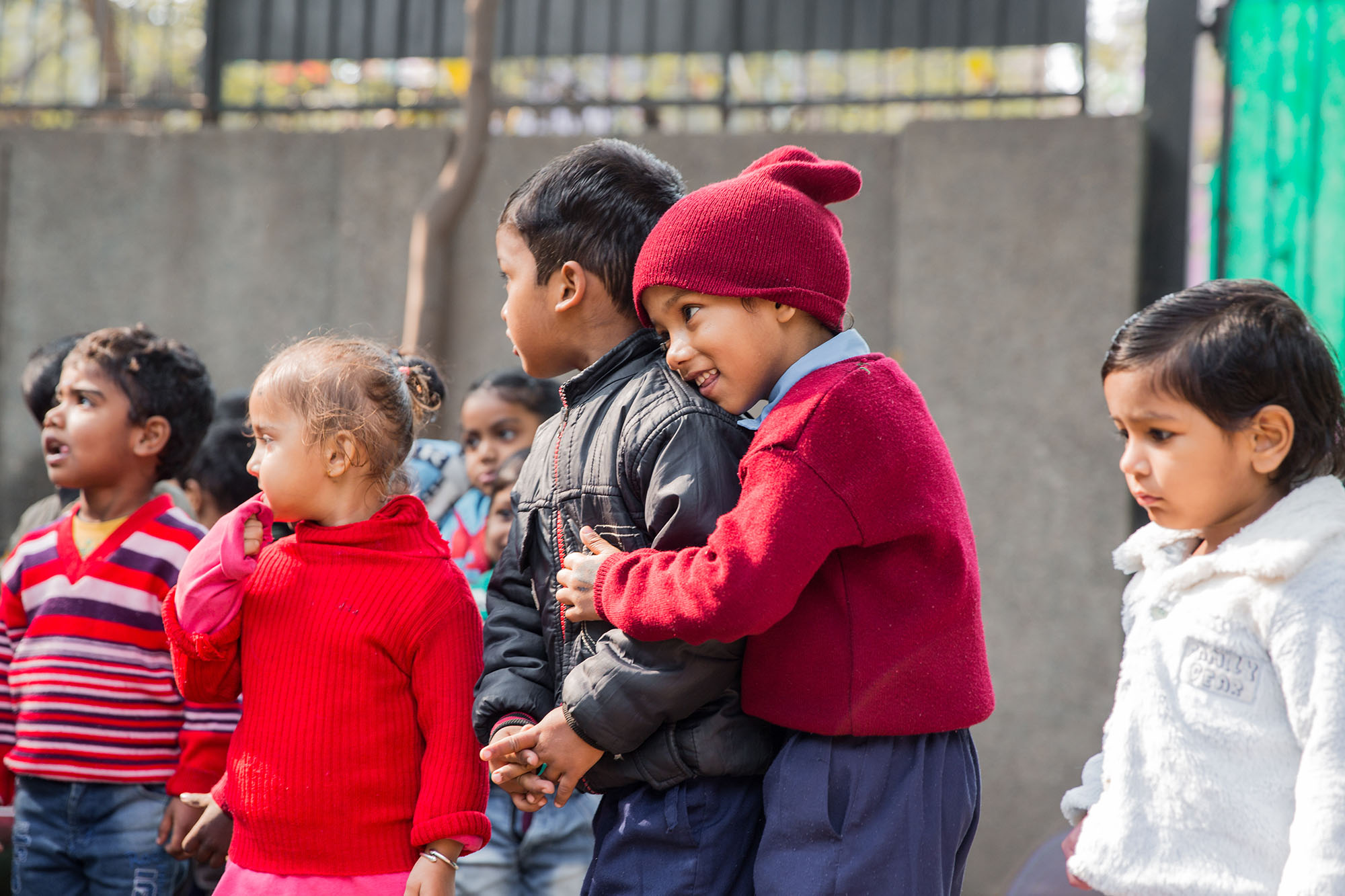
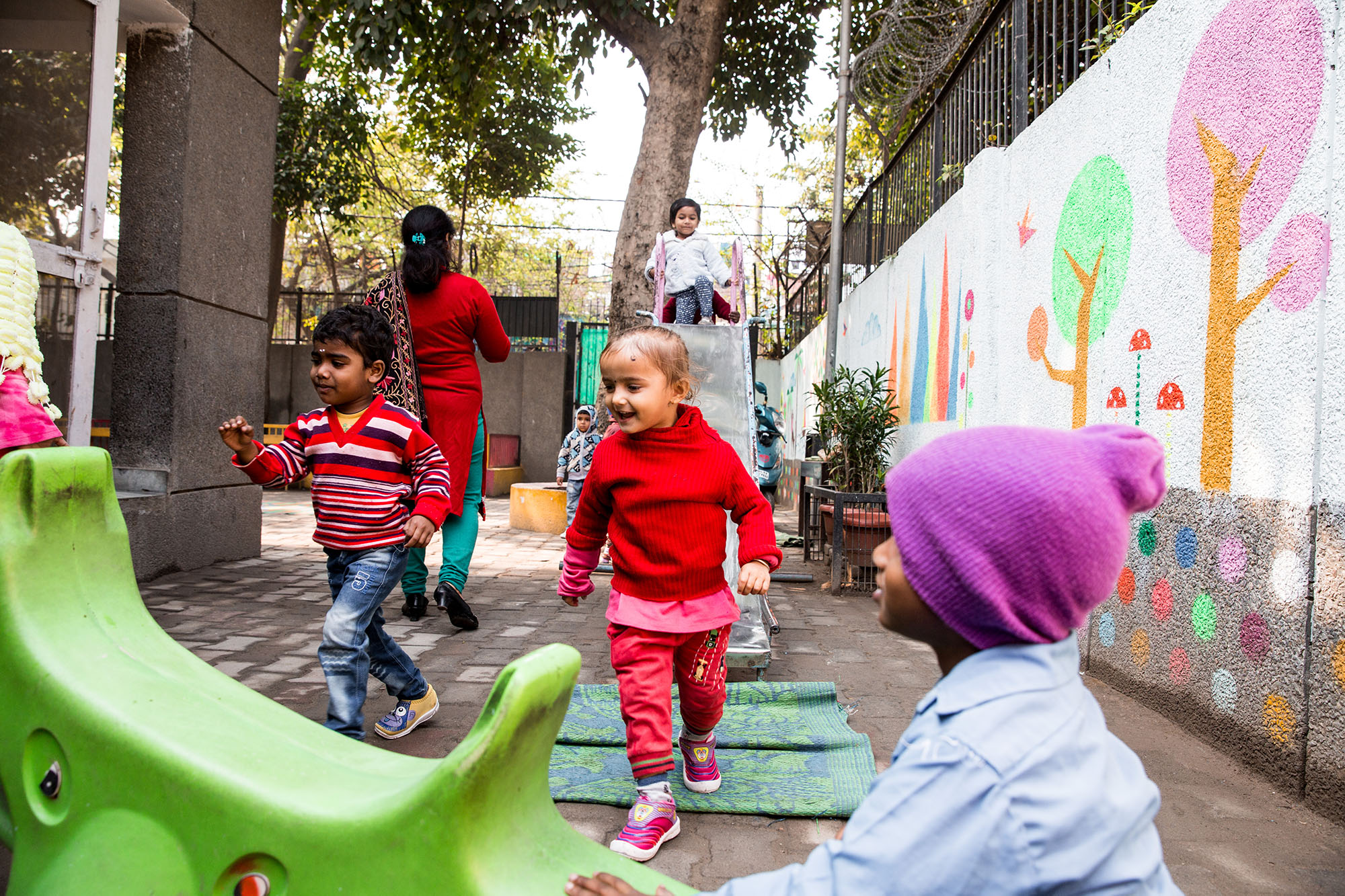
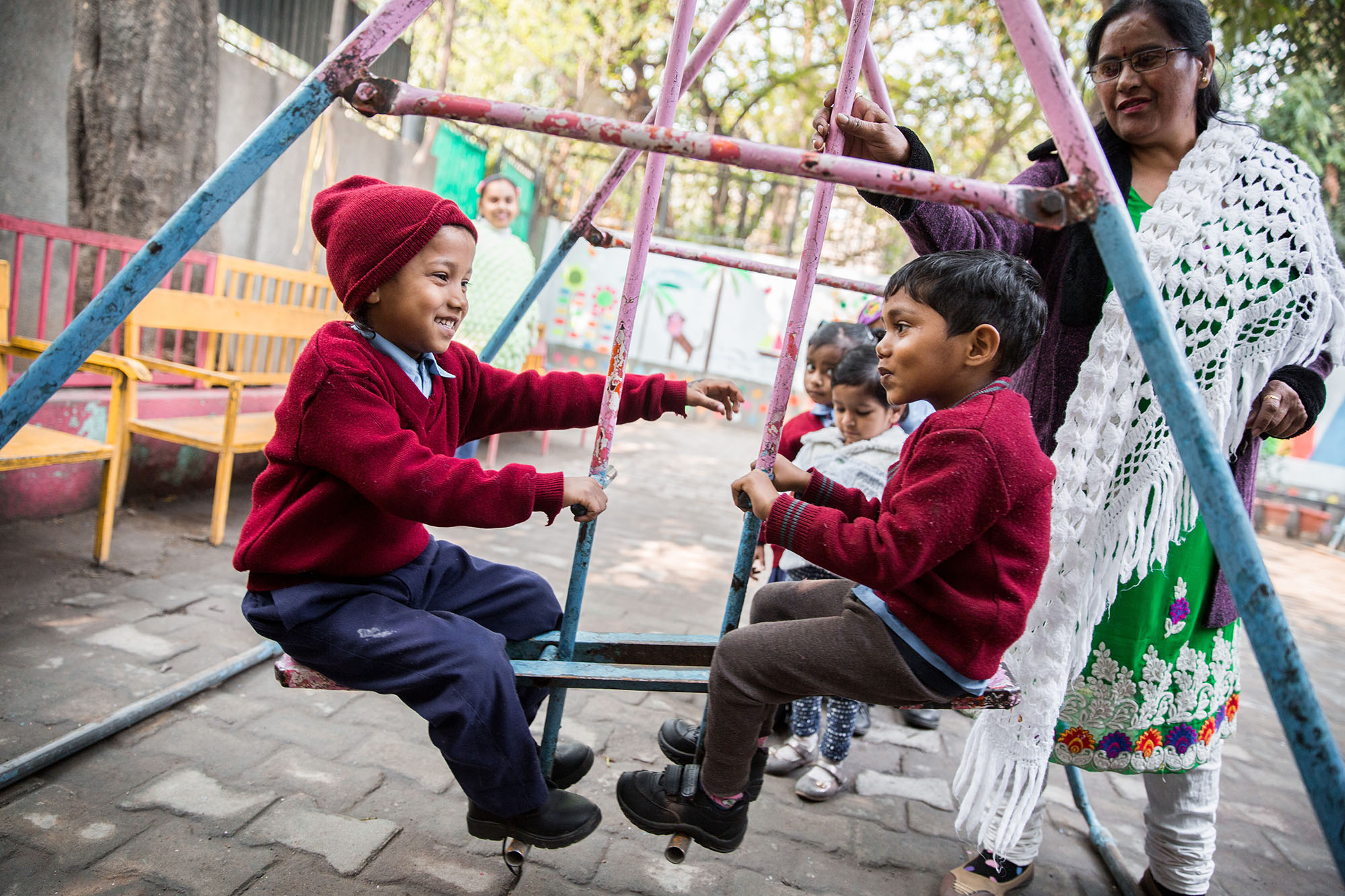
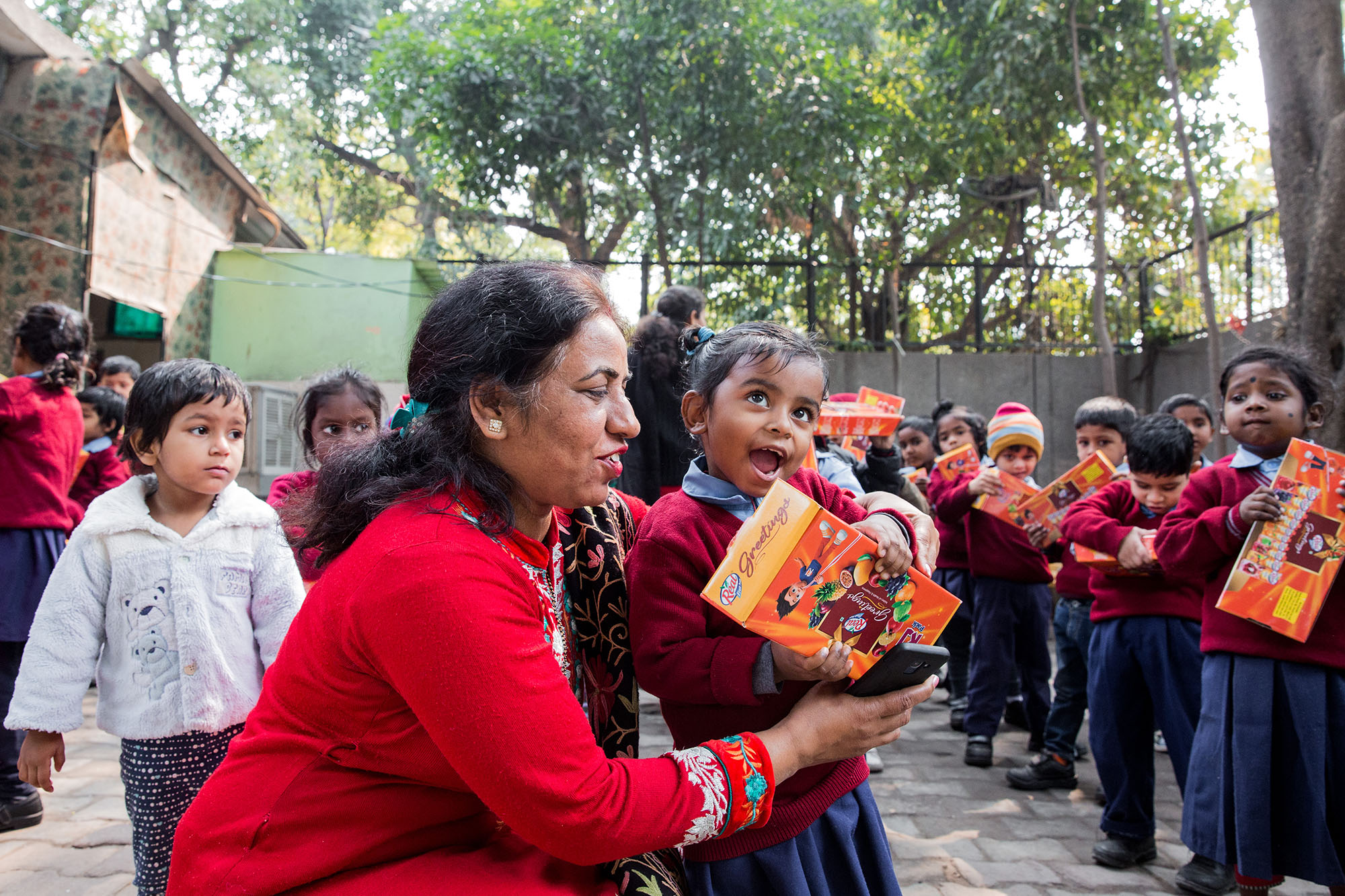
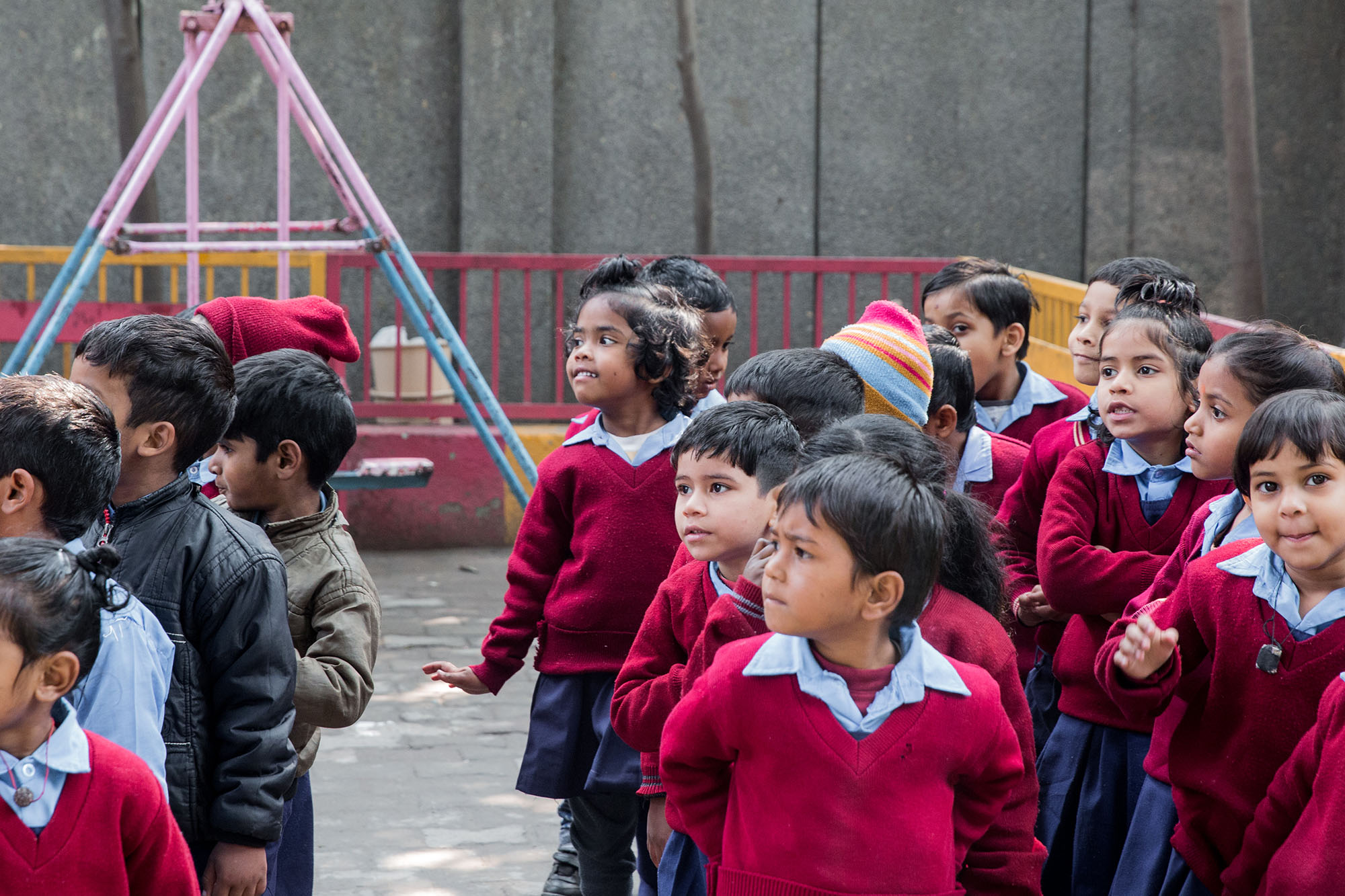
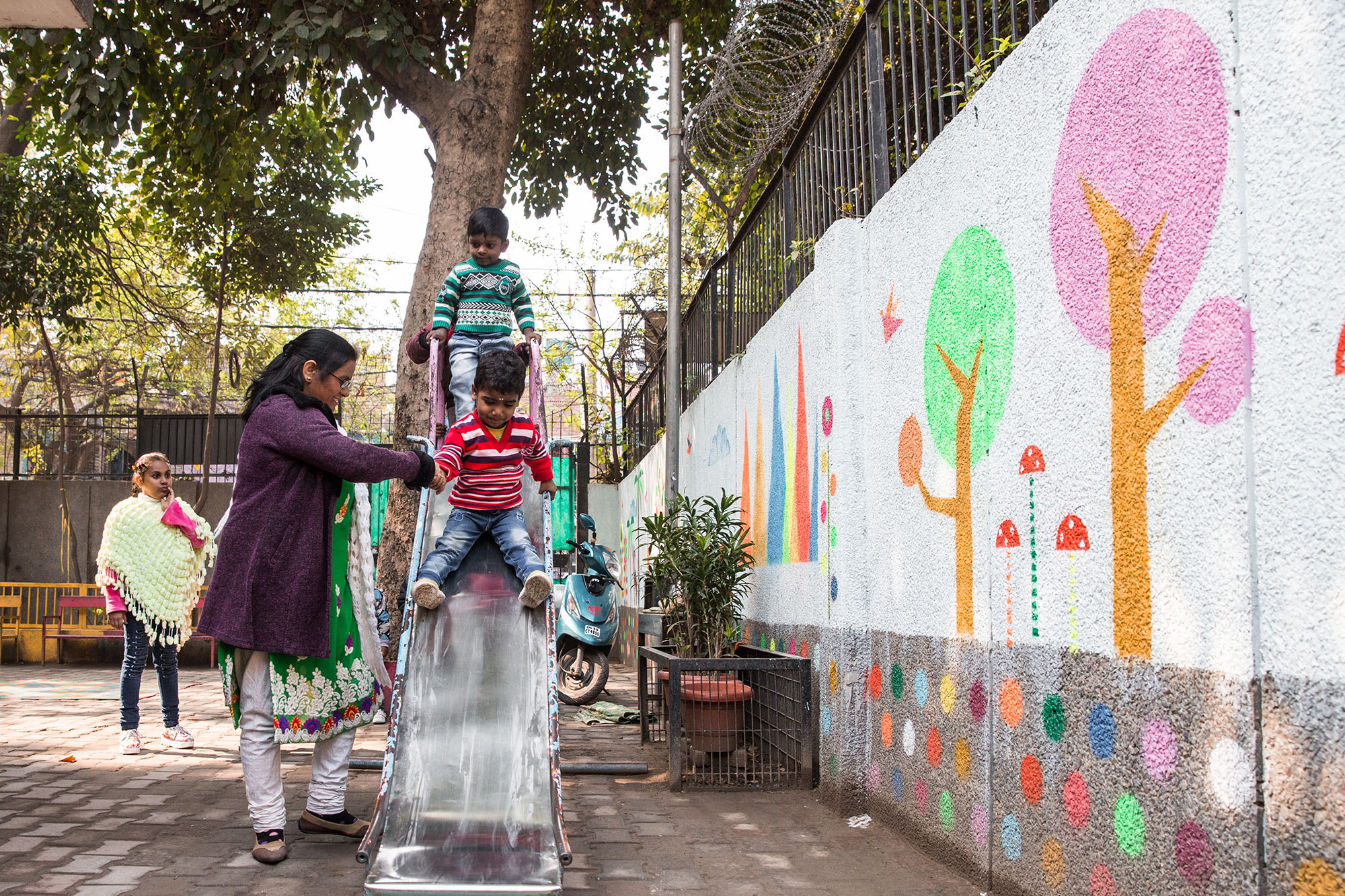
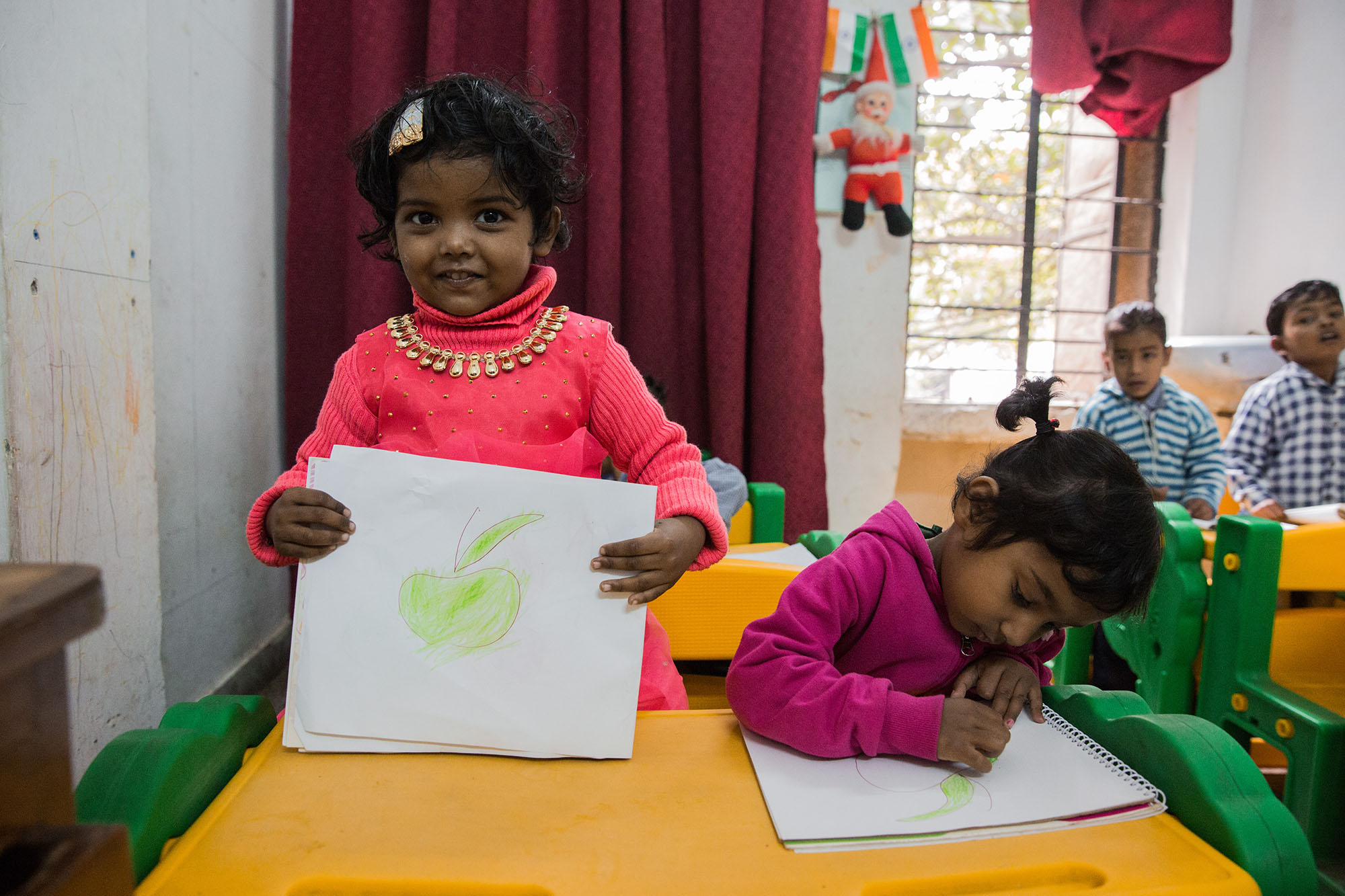
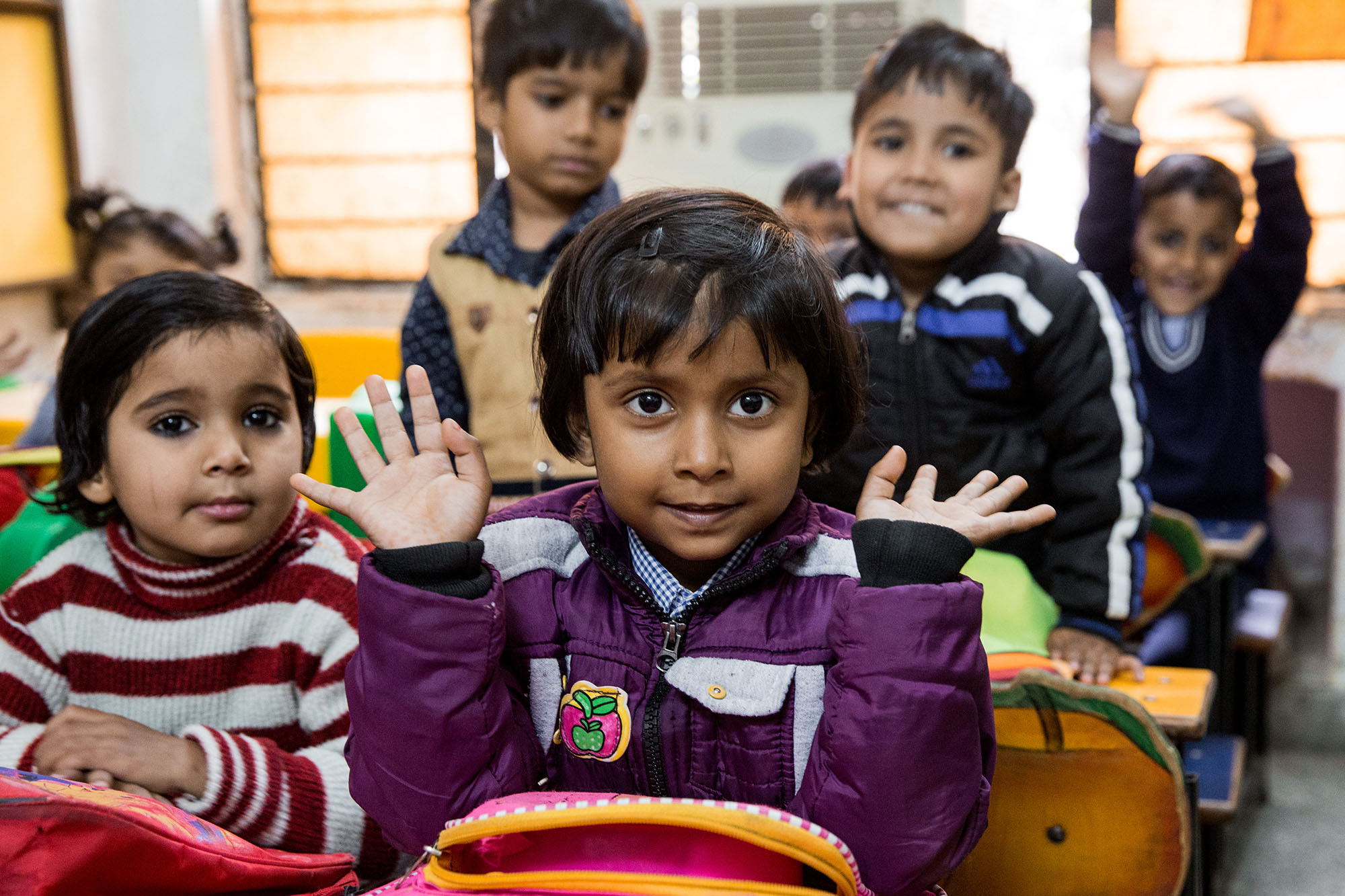
We arrived at the school around 9am and the kids were all in the playground, in lines singing. They were so cute, all between 3 and 6 years old, then they played together and we could definitely see their happiness in their eyes. They are happy to be at school, it is a good escape to their daily life in the slum.

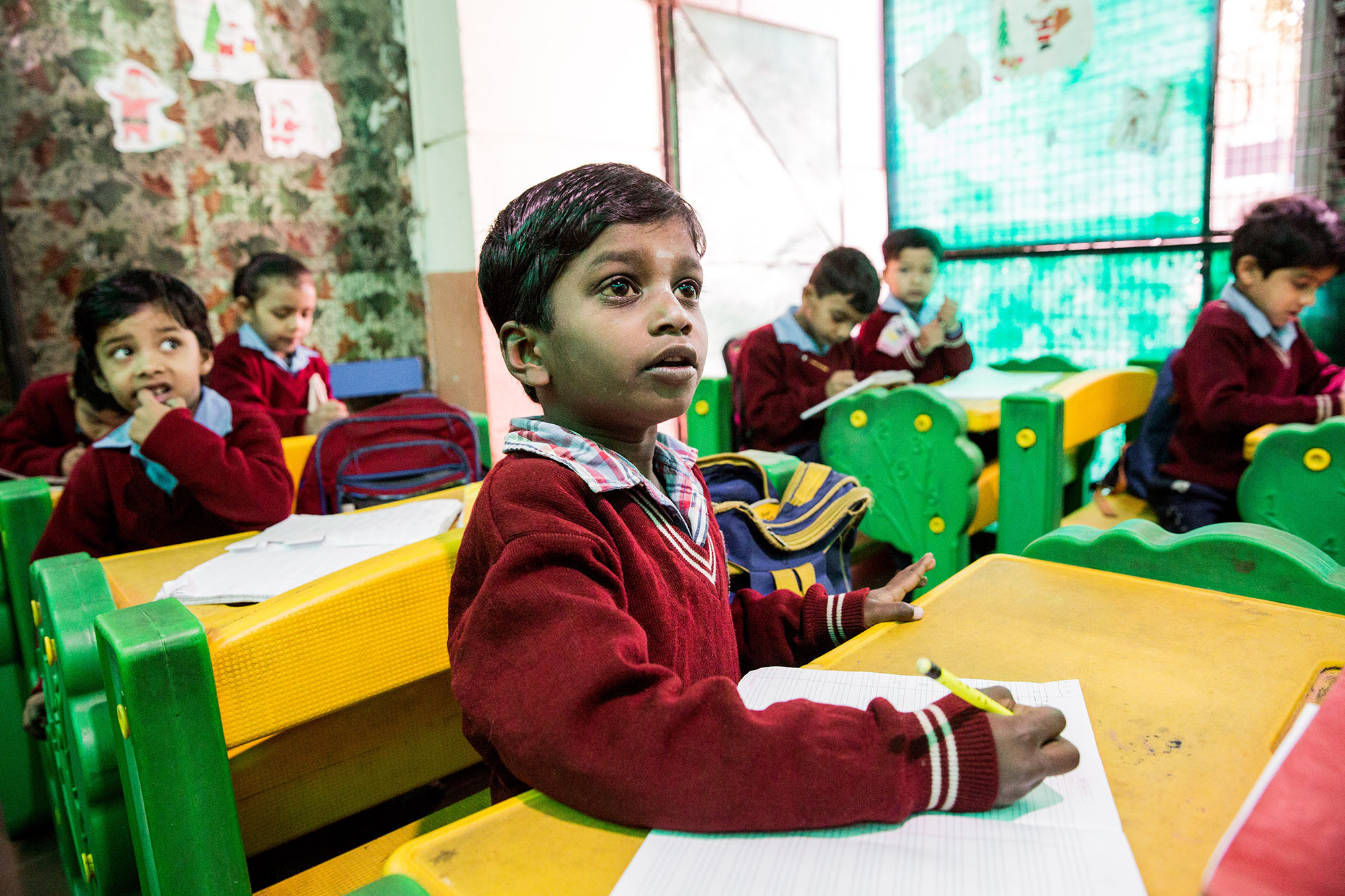
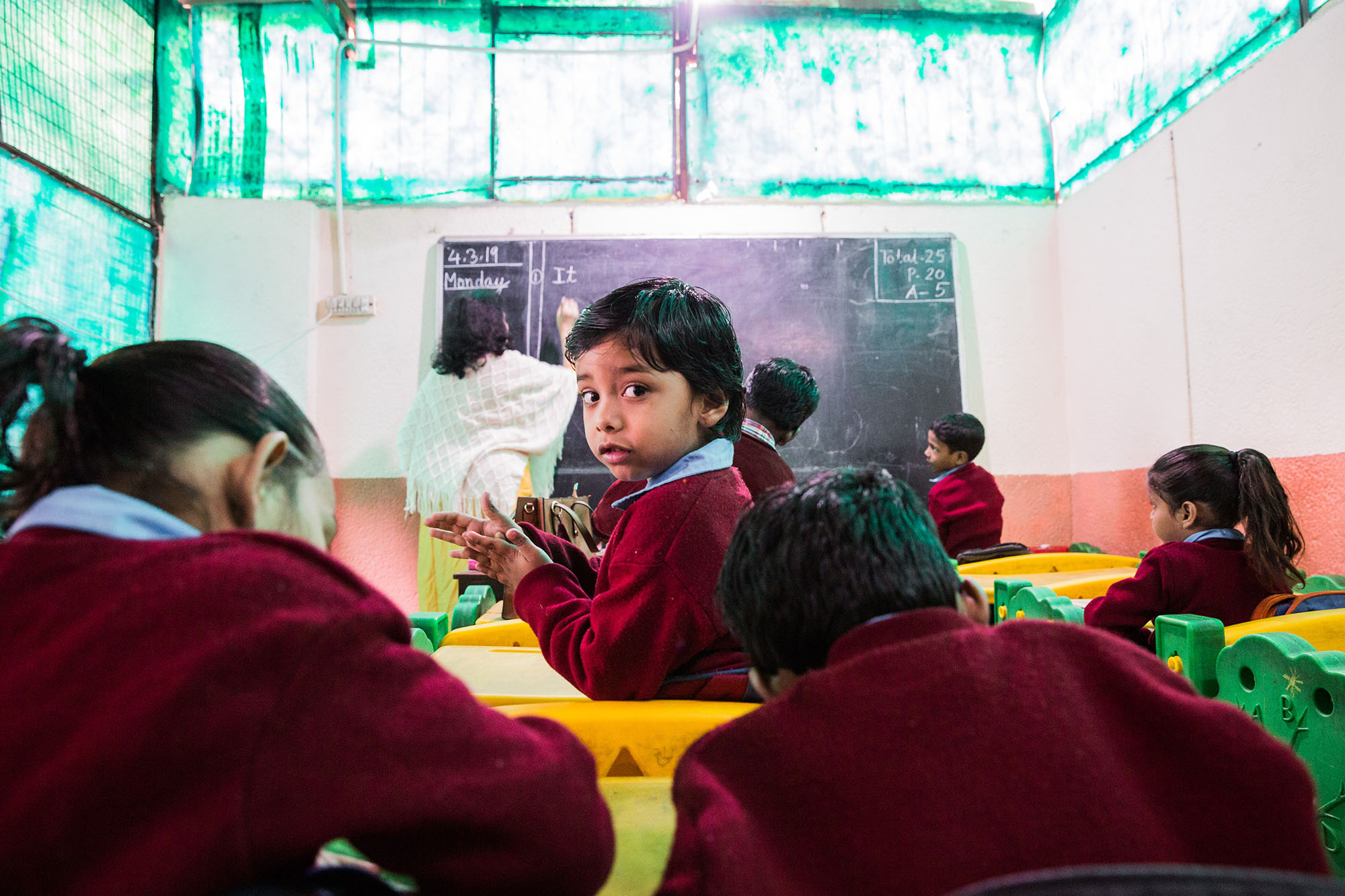
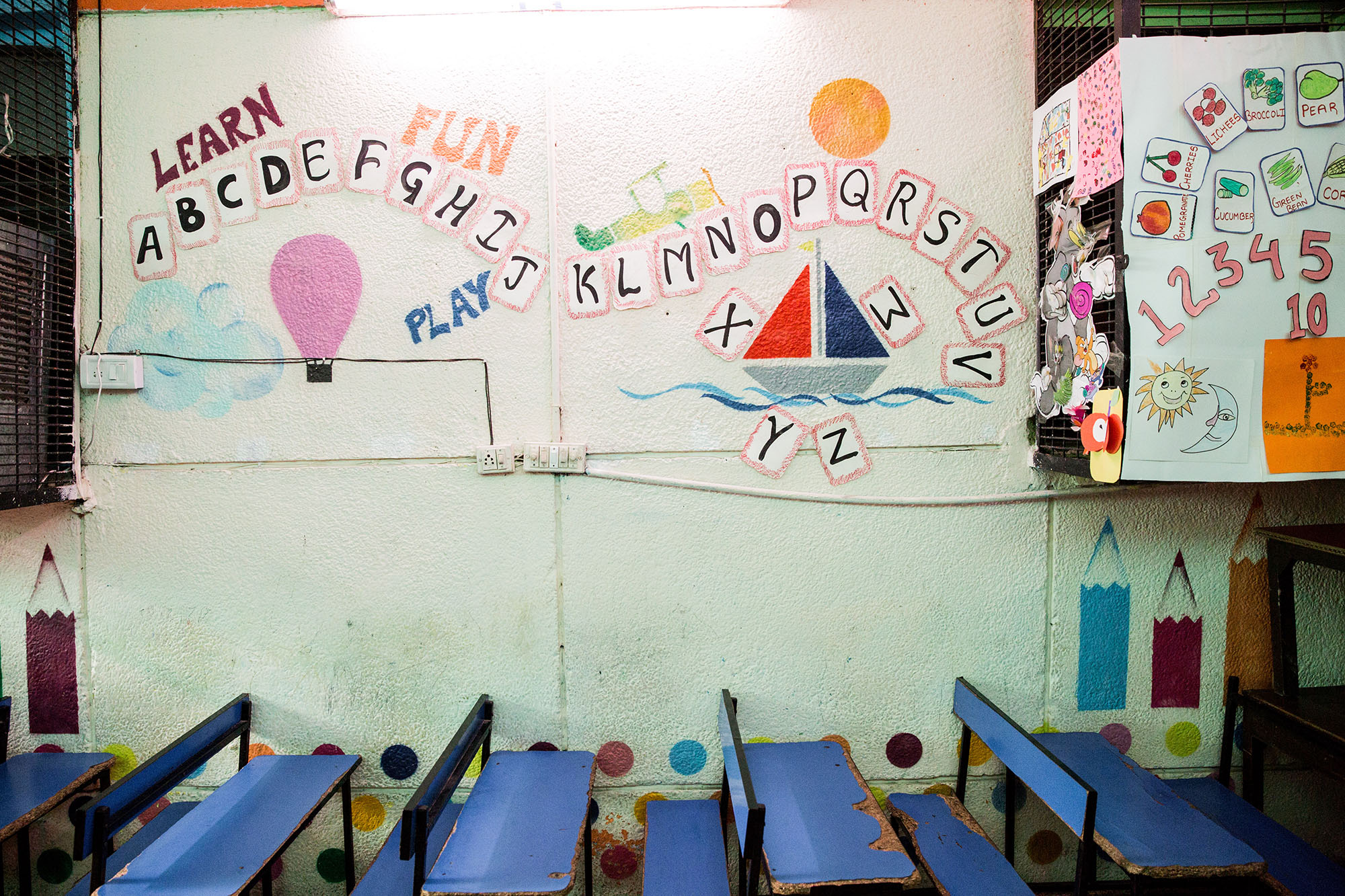
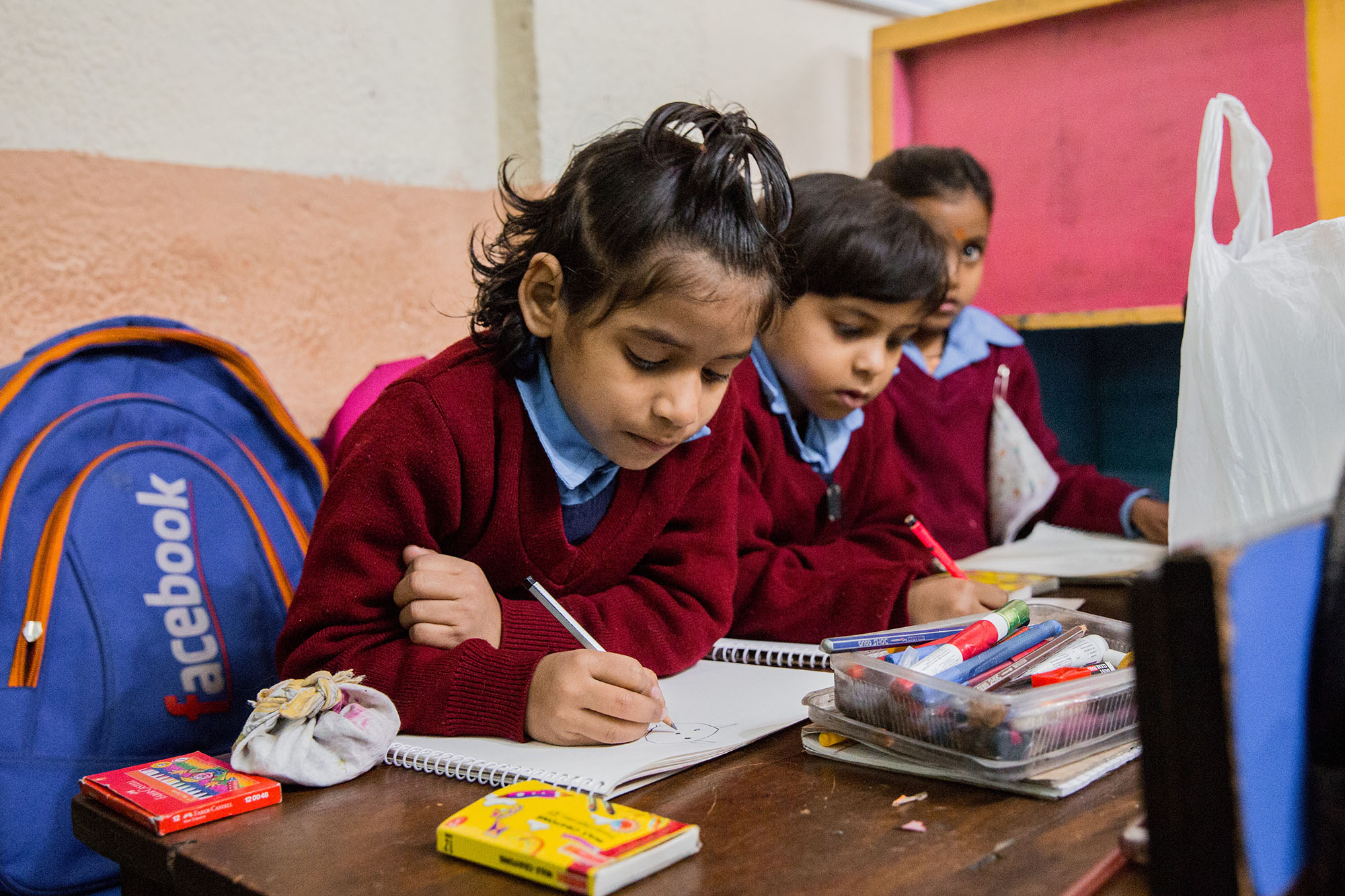
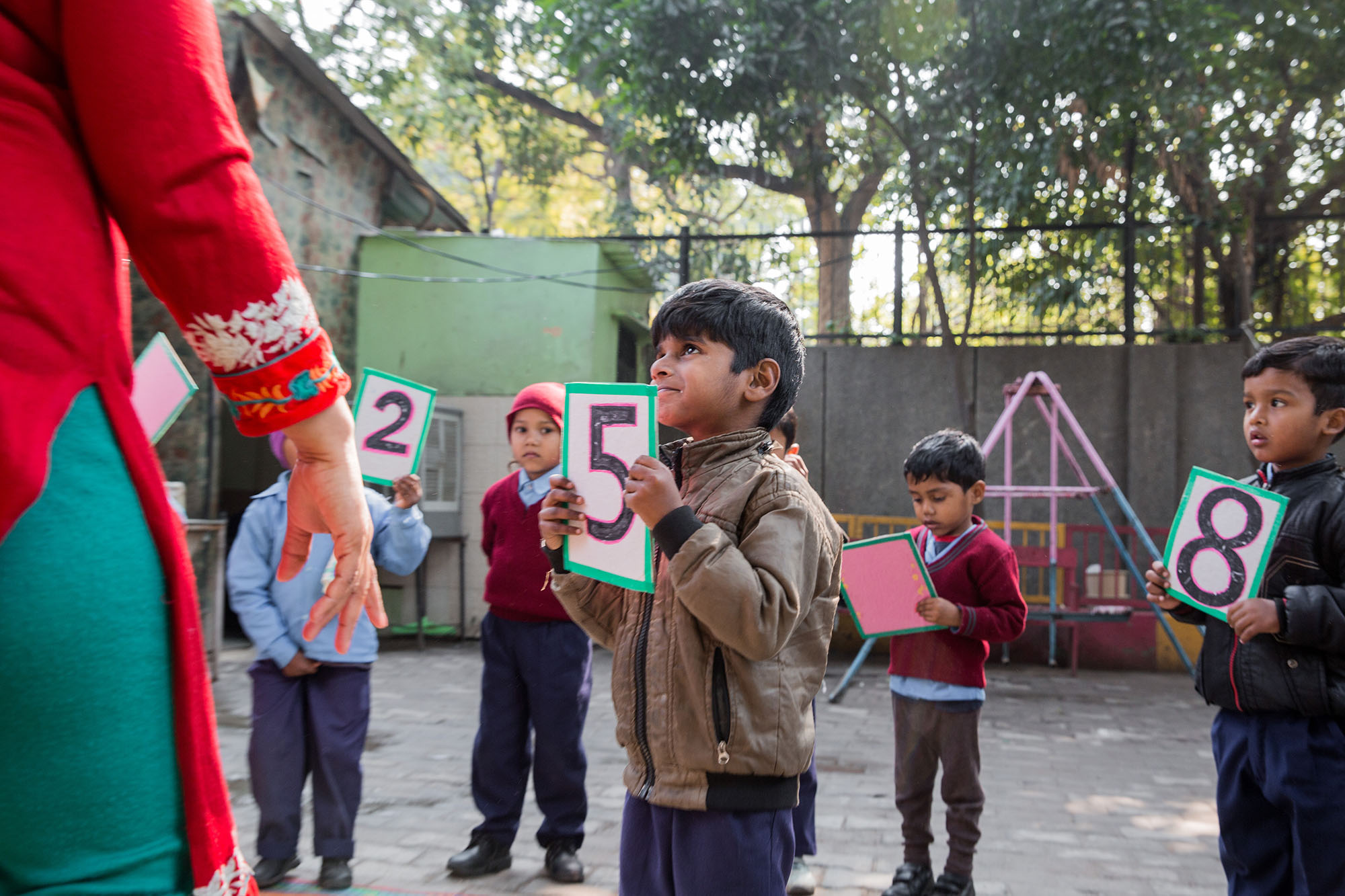
We assisted to the different classes and we were really impressed. They already count, read, write and speak few words of English. We don’t have kids but as far as we know with our nieces and kids of friends you don’t do all those things at this young age in Europe.

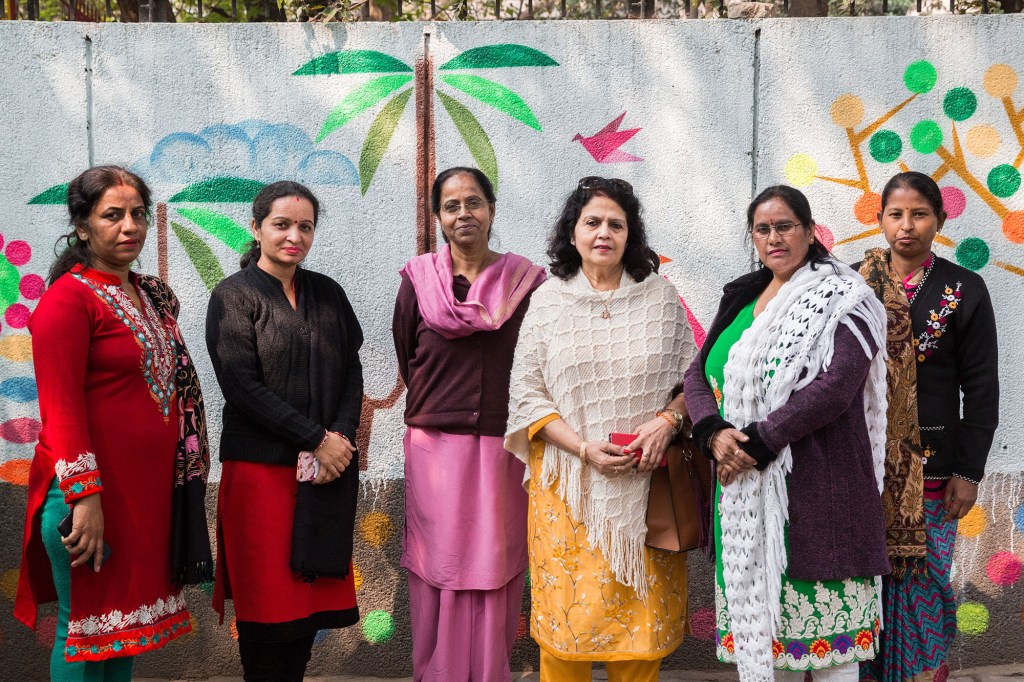
The principal of the school, Neeru Mehra, used to be art teacher and after retirement she decided to join this project and provide the best education to those kids, to allow them to succeed in their exams and get access to any program they dream about.

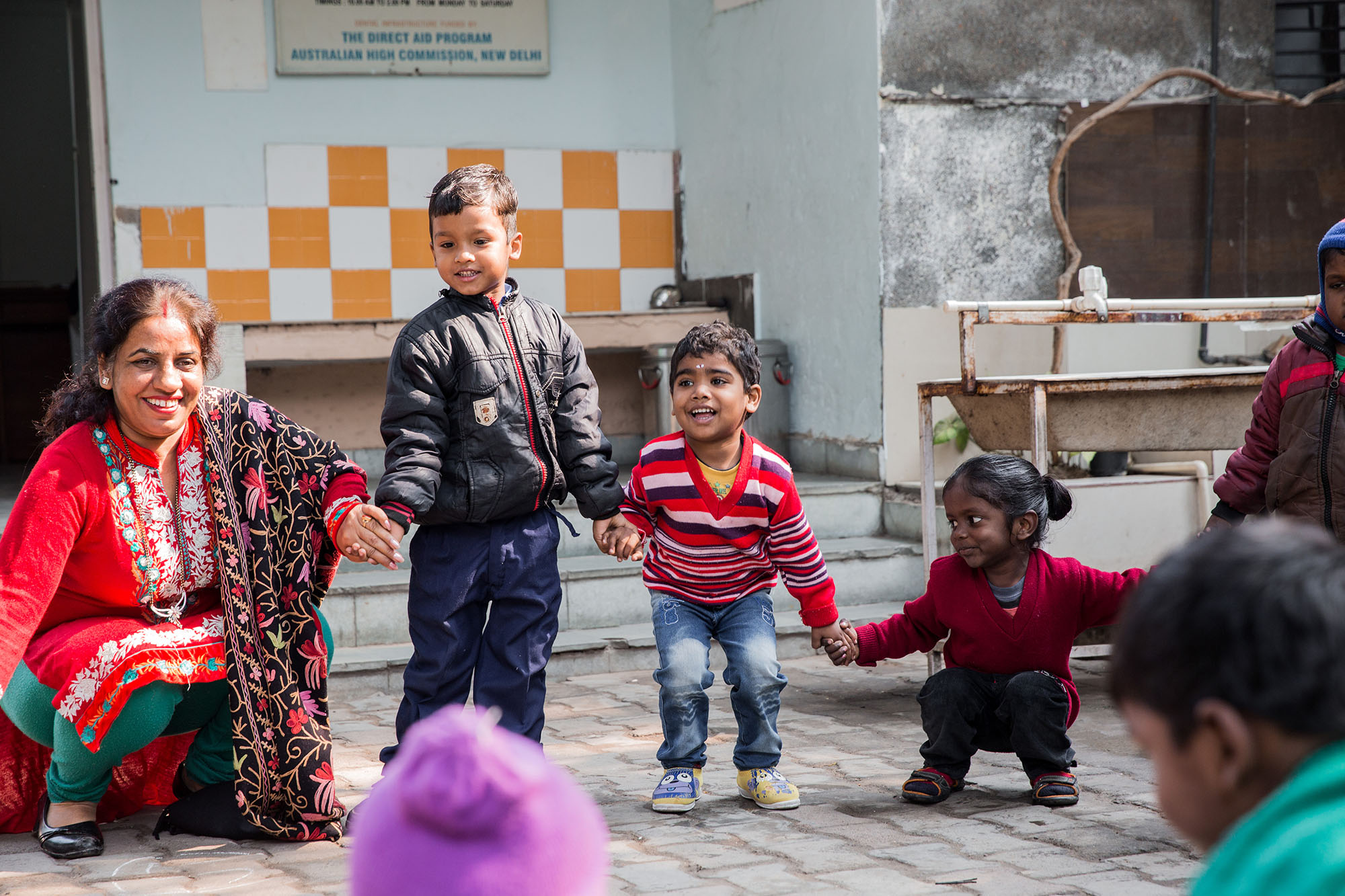
The team of the pre-school

They also know how the support of parents is a key success factor that’s why they have monthly meeting with parents to involve them in the education and to let them know how good their kids are doing.

We walked into the slum which is front of the school and what we noticed is indeed the difficult living conditions. However, even in such situations we were warmly welcomed and we could notice a strong bound between families, they’re supportive to each other. They understand that one way to break the vicious circle they’re in is definitely by bringing education to their kids.

The slums, on the other side of the street.

This program is a success, the children have remarkable scores and join very great schools. When they are older kids come back to Shanti Sahyog to say thank you and sometimes to bring their brothers and sisters.

We could have stayed forever in the school. It was such a pleasure to witness children having fun being in the playground and interacting with teachers.

Shanti Sahyog is more than a simple school. They provide education to those kids but even more remarkable they give them a childhood and a future.

Shanti Sahyog center

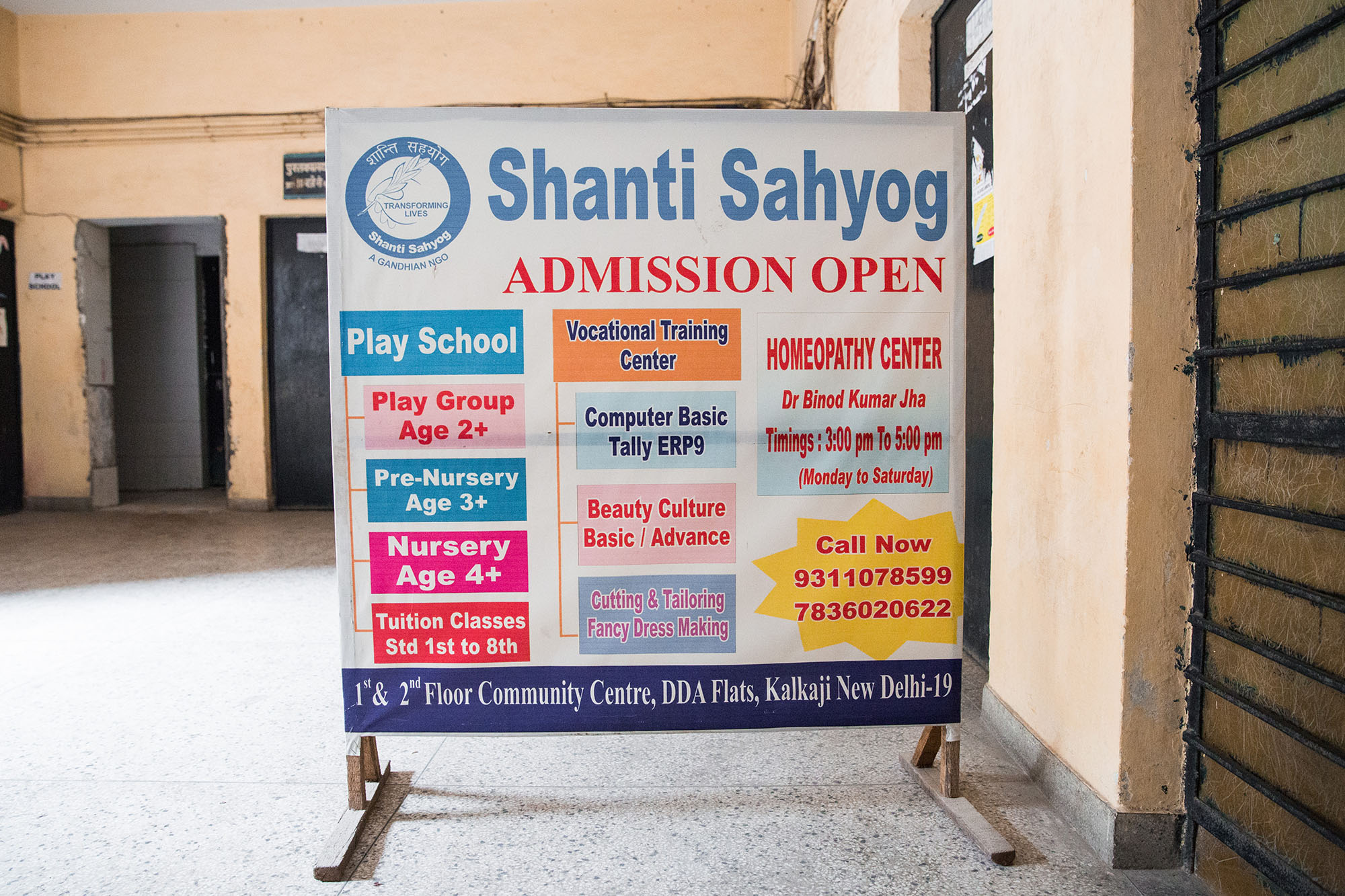
Shanti Sahyog couldn’t stop there in their mission to empower underprivileged. Therefore since 2004 they tranform life through different projects : education for all ages, health care, skill development and women empowerment.

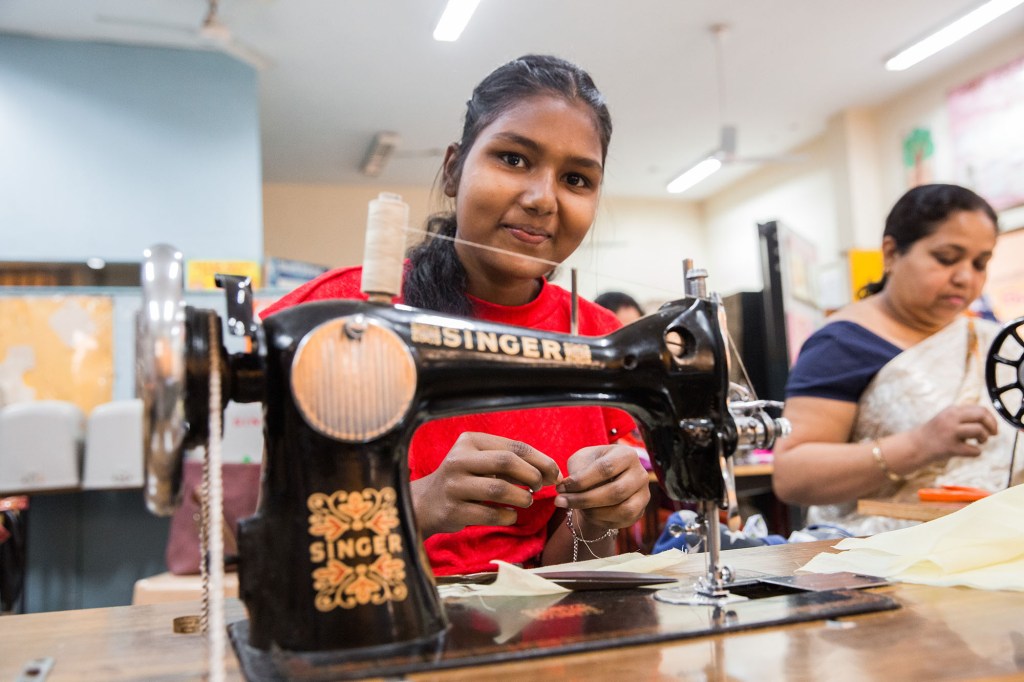
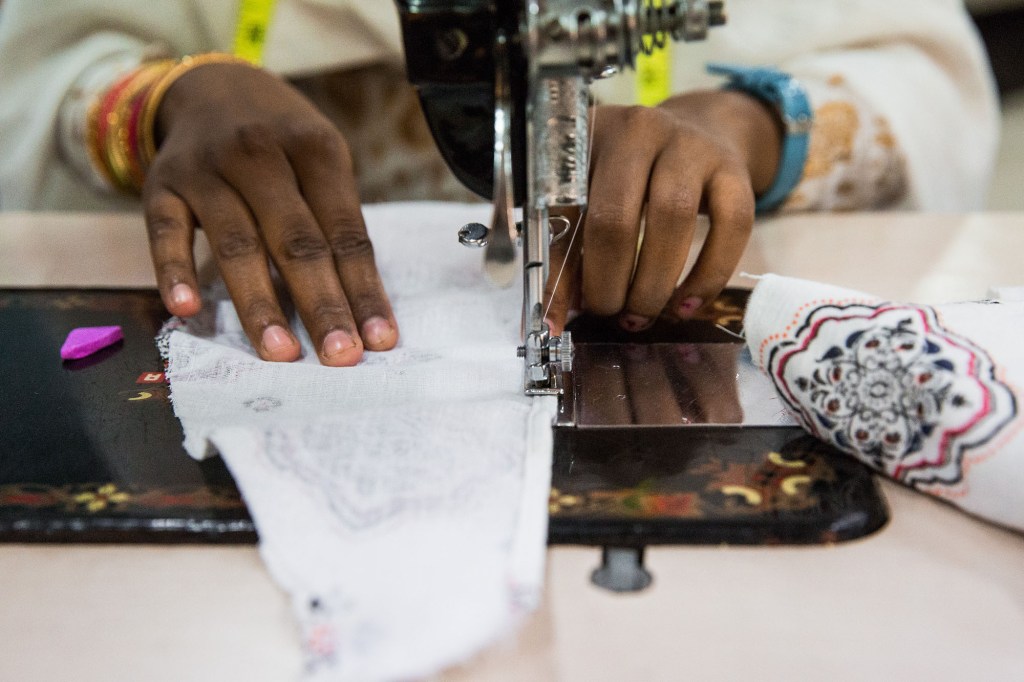
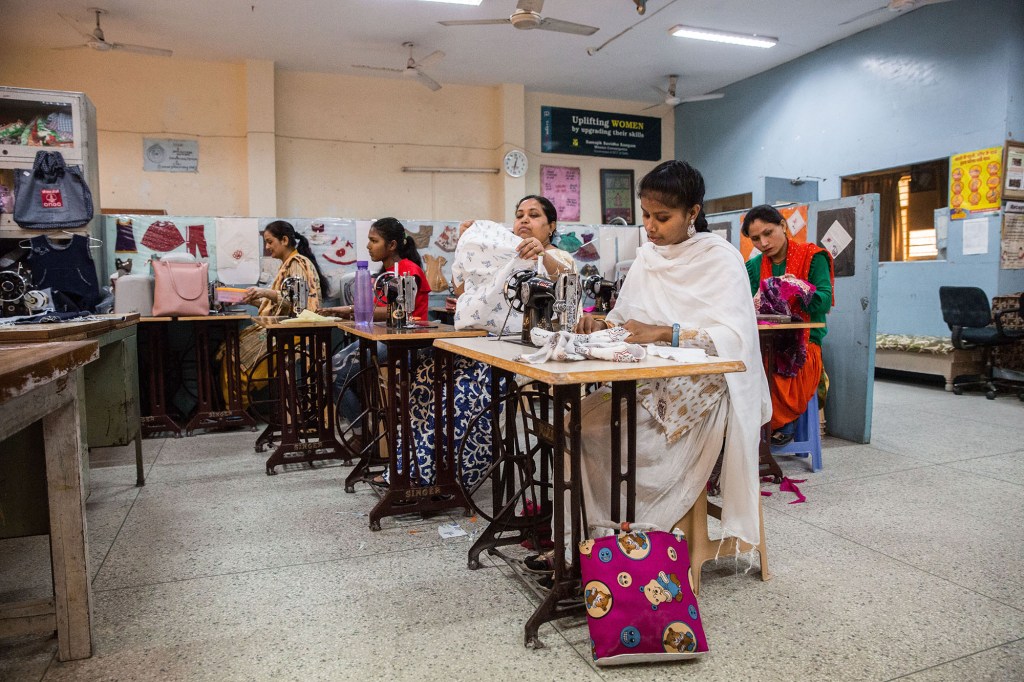
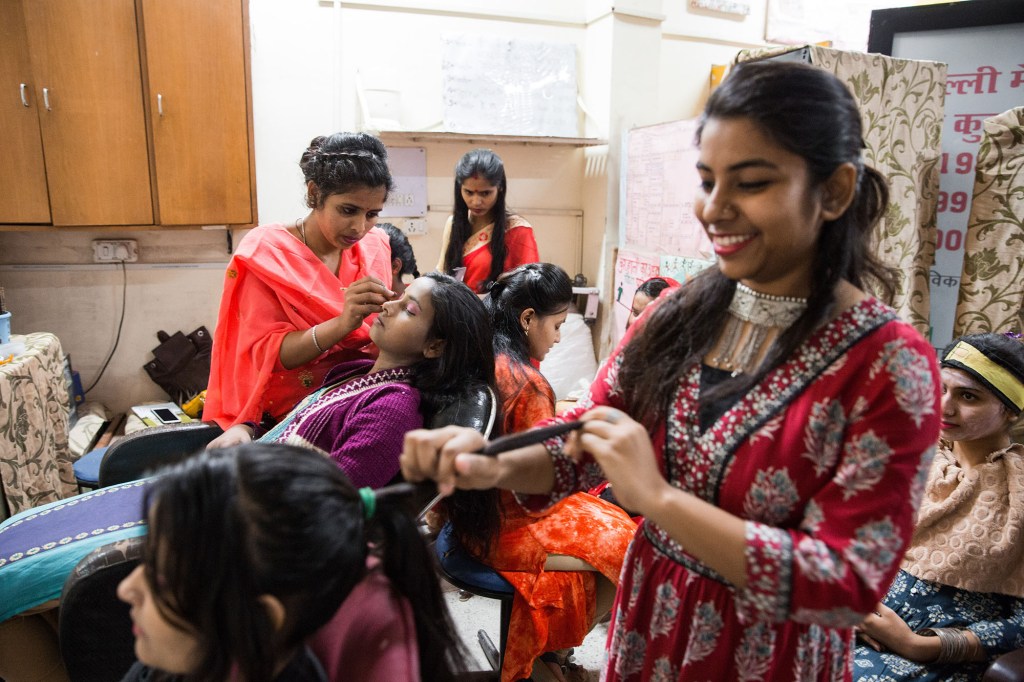
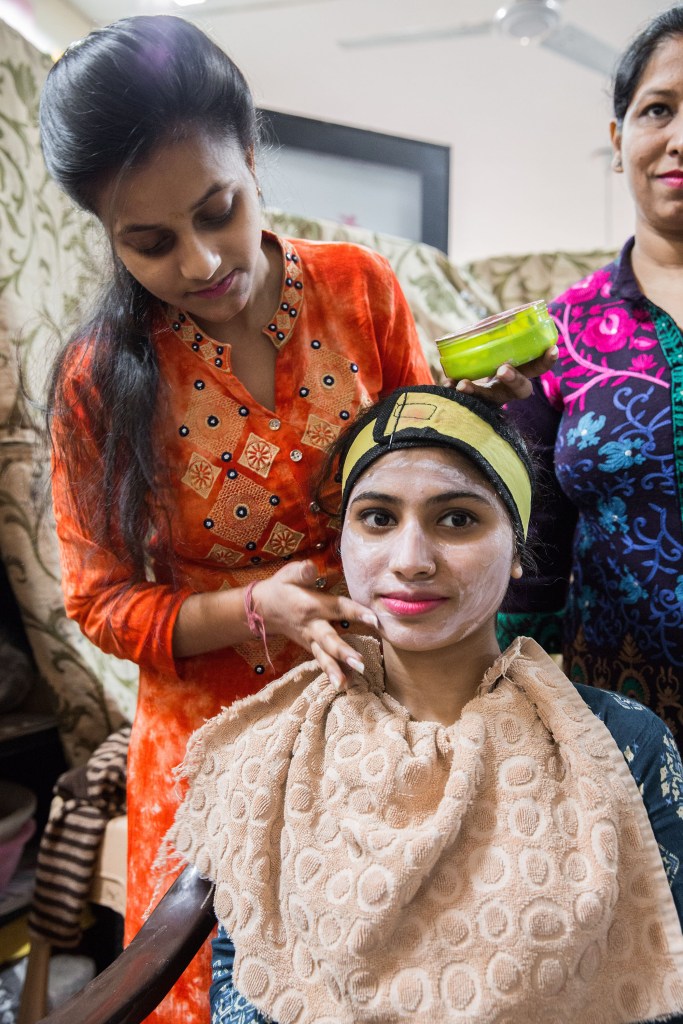
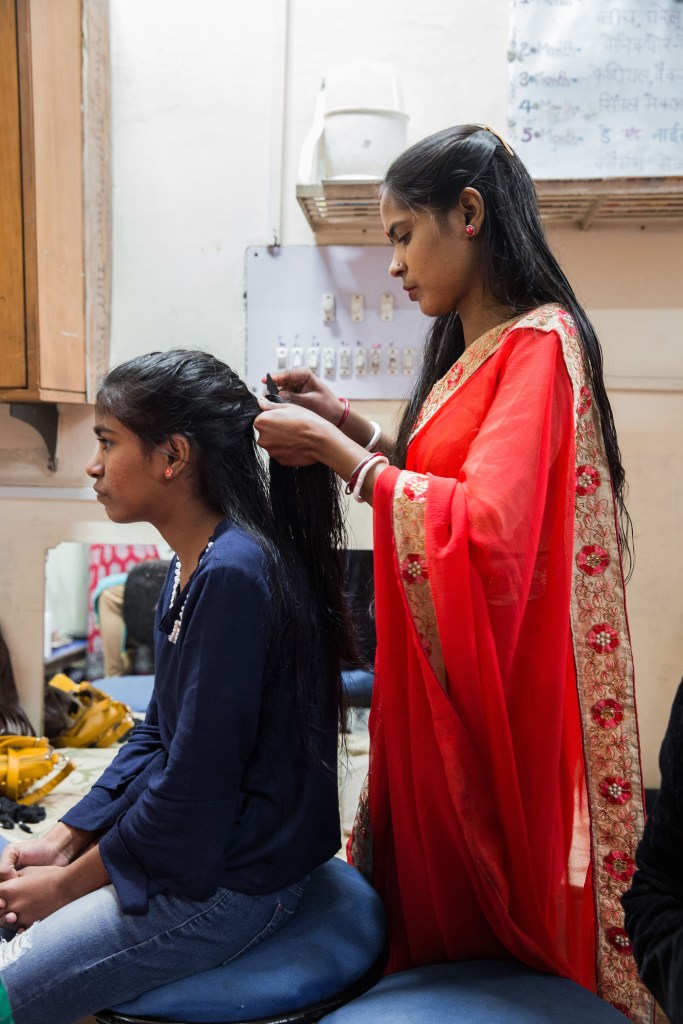
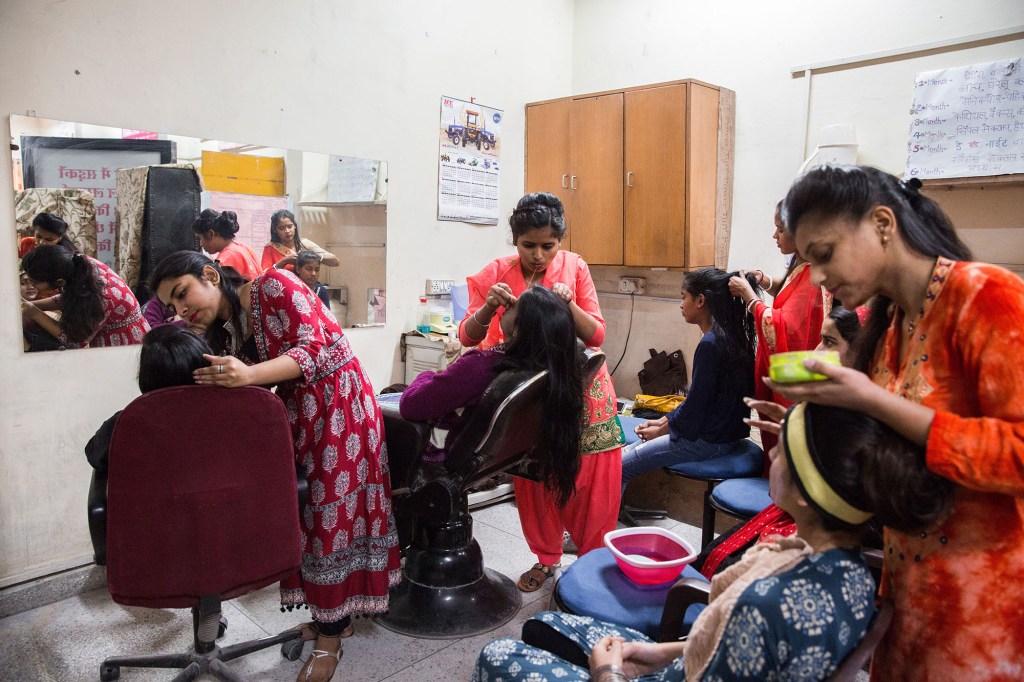
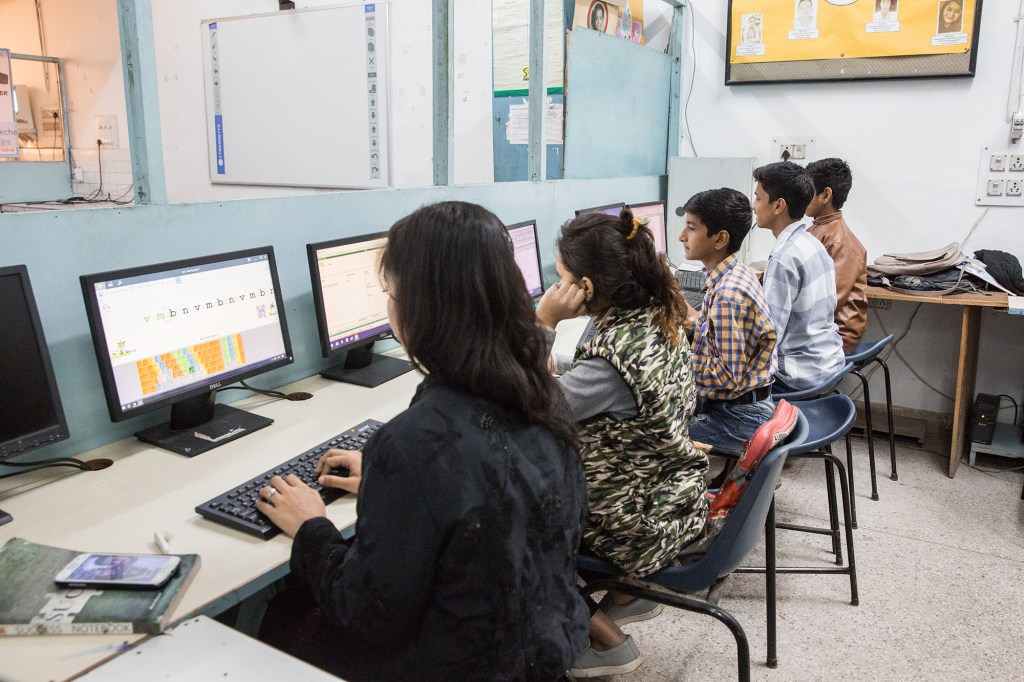
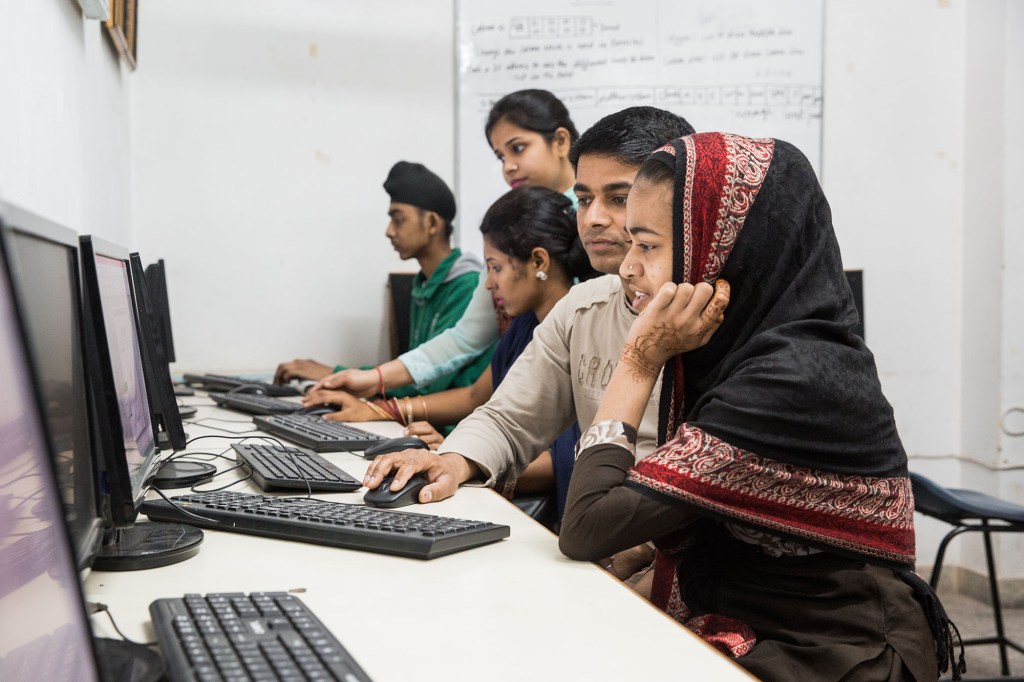
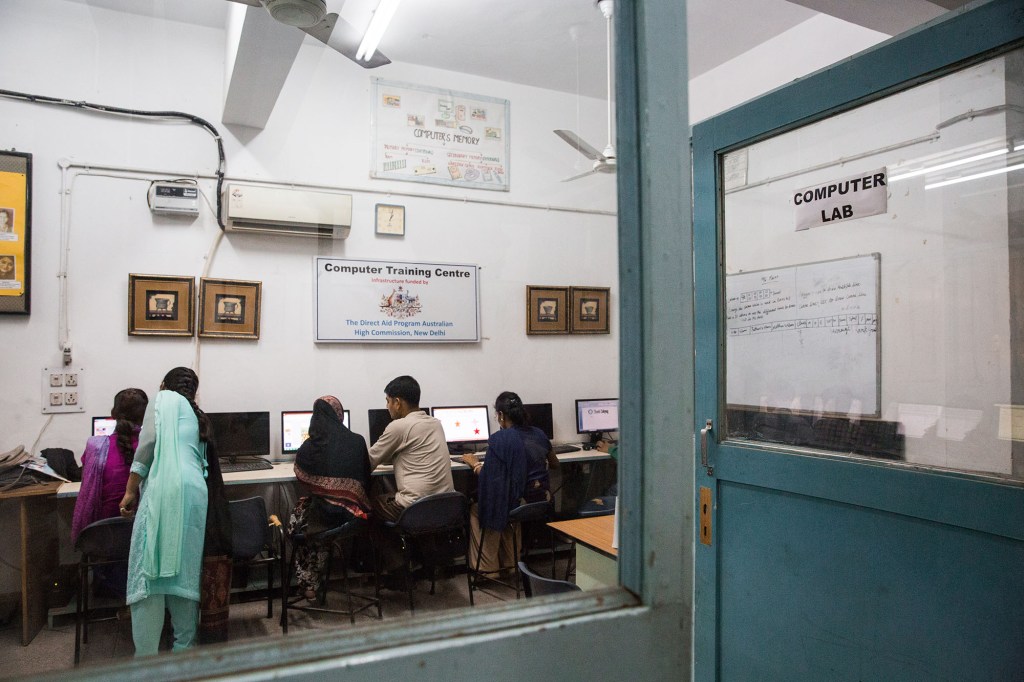
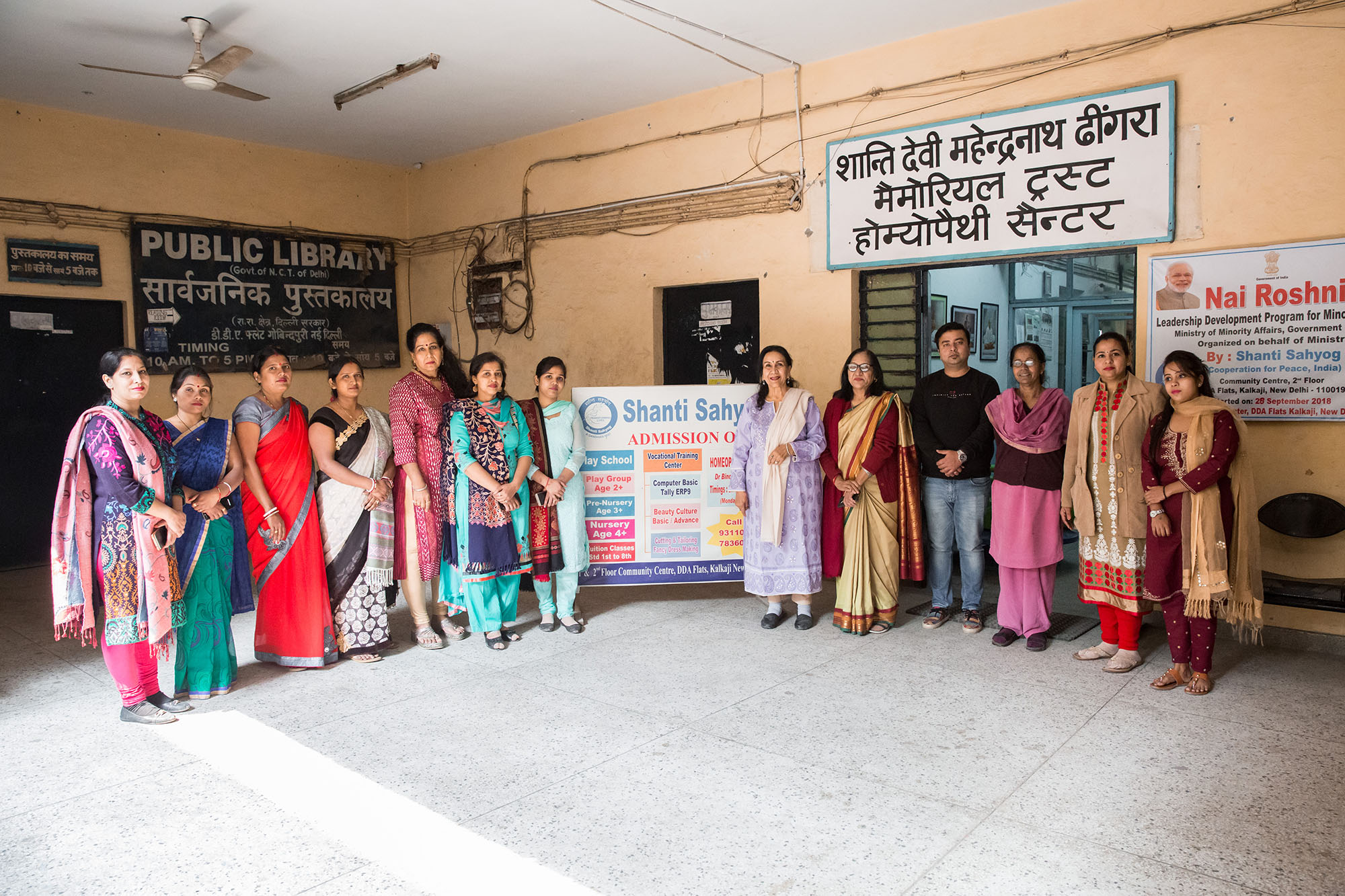
We went to visit their center and here again it was astonishing, we met incredible persons doing their best helping others. In the center the ambition is to expand the earning capability of the marginalized ones by teaching new skills : computer applications, cutting and tailoring, beauty culture program.

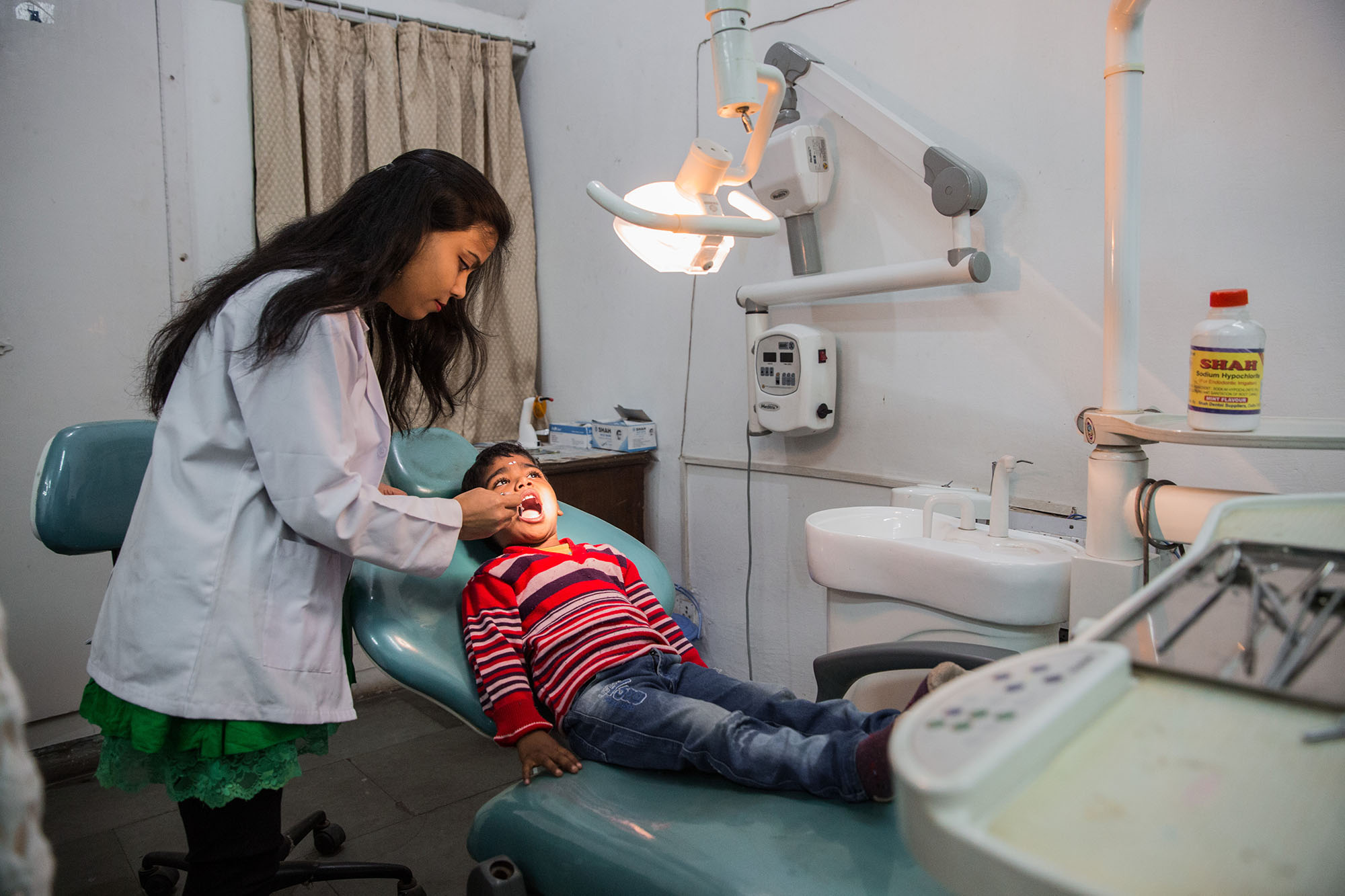
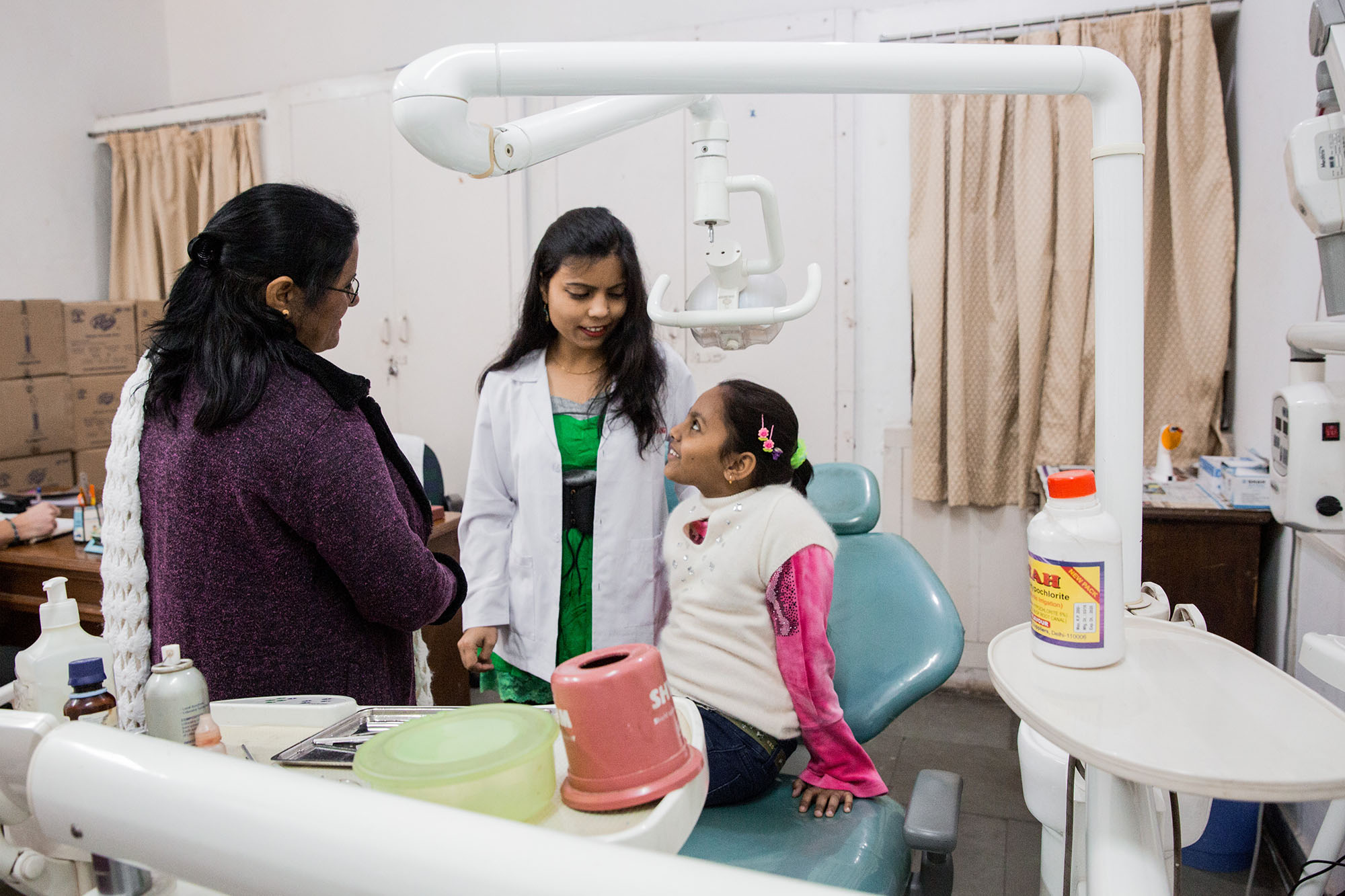
There is also a health center for eye, dental and any other medical checkups.

Seeing all those initiatives gave us hope, marginalized persons didn’t choose to be in the poverty loop. Therefore, we, the privileged or educated persons can help them to access a normal life.

Shanti Sahyog couldn’t work without donations and great sponsors. You can donate or even sponsor a child. The NGO will keep you inform about exams of the kid and you can get in touch if you want too. To give you an idea for 192€/year you give a future to a child but of course any donation is welcome and will help the amazing team of Shanti Sahyog.

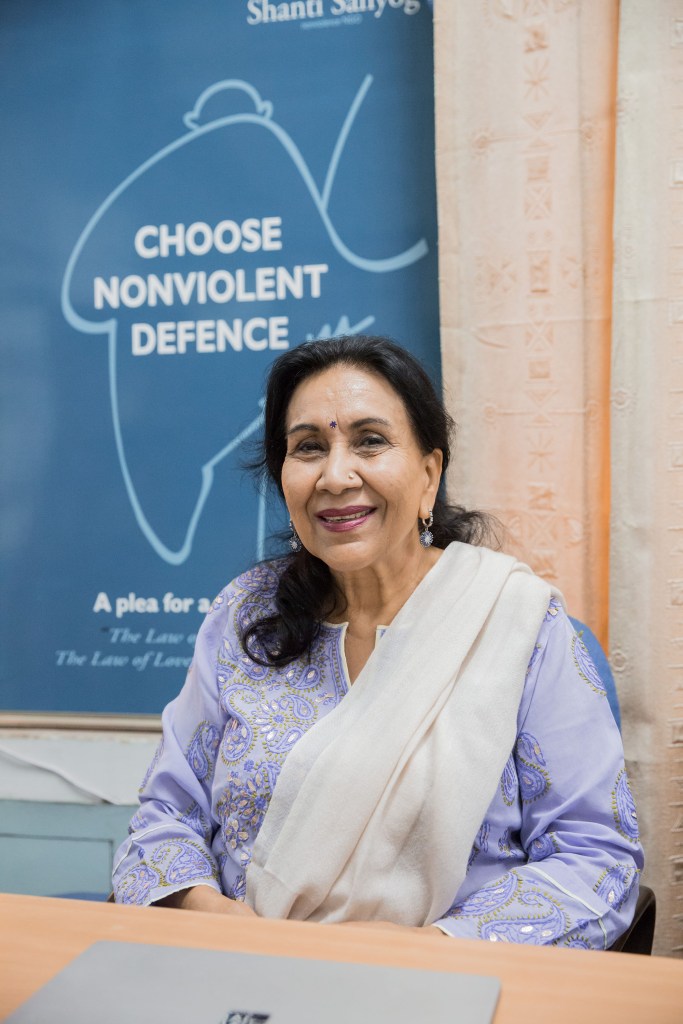
Suman Khanna Aggarwal – founder of the NGO

Suman obtained her doctoral degree on Gandhian thought in 1978 and has also extended her understanding of Gandhi’s ideology to her work as a Peace Researcher and Activist.

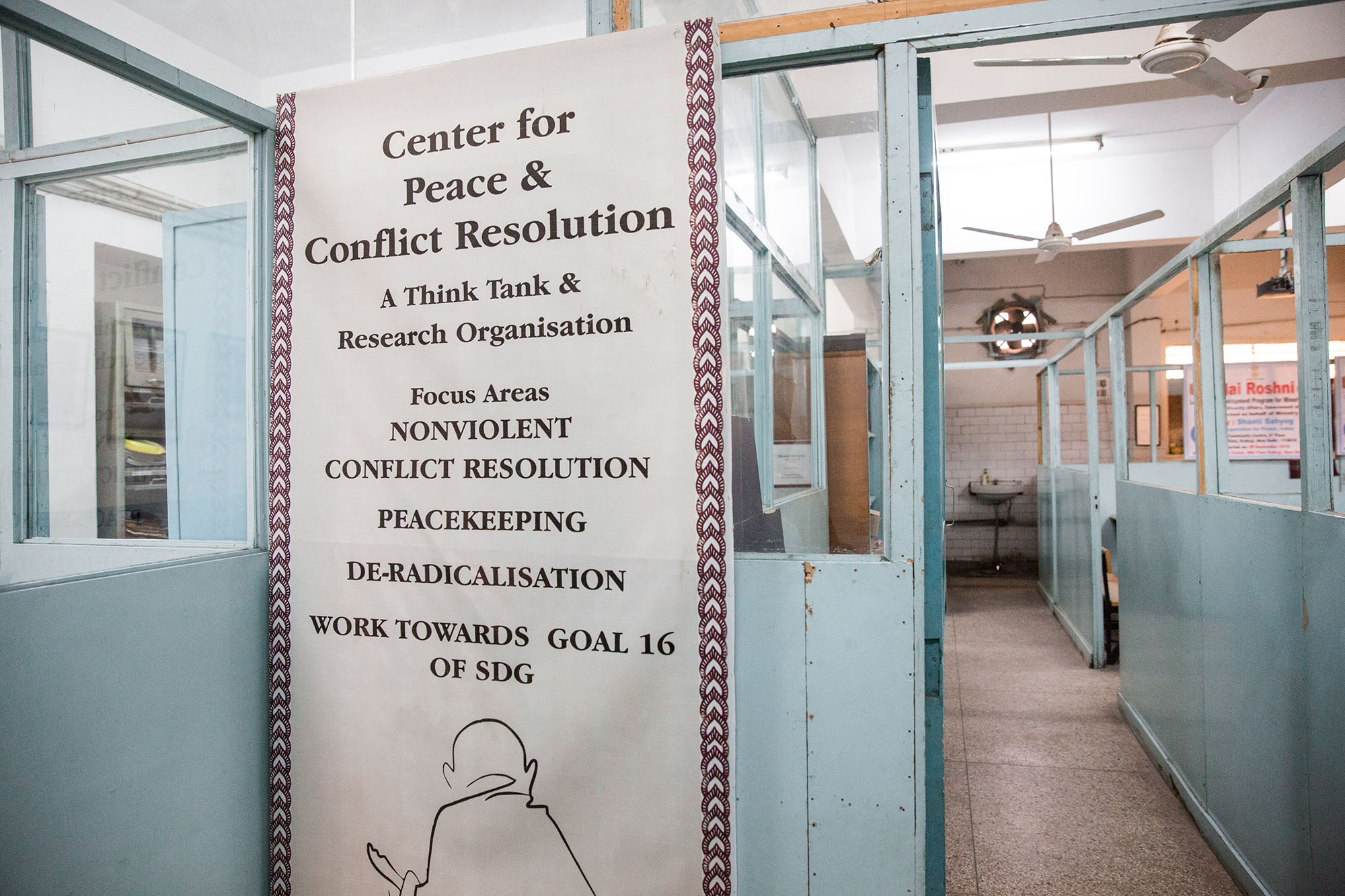
To promote Gandhi’s legacy of Nonviolent Conflict Resolution and vision of a World beyond War, she has set up Shanti Sahyog Centre for Peace & Conflict Resolution – a unit of Shanti Sahyog.

Dr Aggarwal has three Post Doctoral Research Projects to her credit – undertaken in India, Sweden and Canada. She has also authored two books and published several articles in reputed journals on Gandhian principles.

We interviewed her to get her story and more explanation about the center.

The first thing we noticed is how passionate she is, she could talk for hours about the children and all the projects they’re working on. She’s really humble and give a lot of credits to the great team working at Shanti Sahyog.

She knows she’s part of the privileged persons, with her husband they have a good situation. She doesn’t hide behind and is graceful to it. As a Buddhist believing in rebirth and legacy of Gandhi she does as much as possible to help others and support non violence.

After a 2 year trip to Sweden in 1992 where she met activists she decided to create the NGO Shanti Sahyog which means “collaboration for peace”.

“I must do something with my life, for peace, for non violence”

In 2004, she personally financially sponsored the education of 25 slum’s girls.

She never thought she will one day run a NGO, do social work. Then she never thought it will last due to the complexity and all the cost behind but “the universe runs Shanti Sahyog, money comes, people join”.
Step by step she got certificates, donators from various angles (domestic and international companies, foreigners, institutions, …), materials support, help from the government to get a building for the center, …

Suman doesn’t believe in charity and therefore there is no volunteer and access to school or the center comes with a fee of 200 roupies per month (roughly 2€). The logic behind, which I myself believe in, is people doesn’t take it seriously when it’s for free. They’ll stop or think the quality is low. It’s also by dignity that they want to say that they pay for education of their children.

Anyway, those fees are minors and the NGO doesn’t make any profits they either invest in new materials, extend the program or allow more children to join it.

Now the NGO employs 35 persons including girls coming from the program itself and they have a waiting list of 600 children.

Thank you again to the whole team of Shanti Sahyog, it was really inspiring to stay with you.

Dharma Life – Lighting library

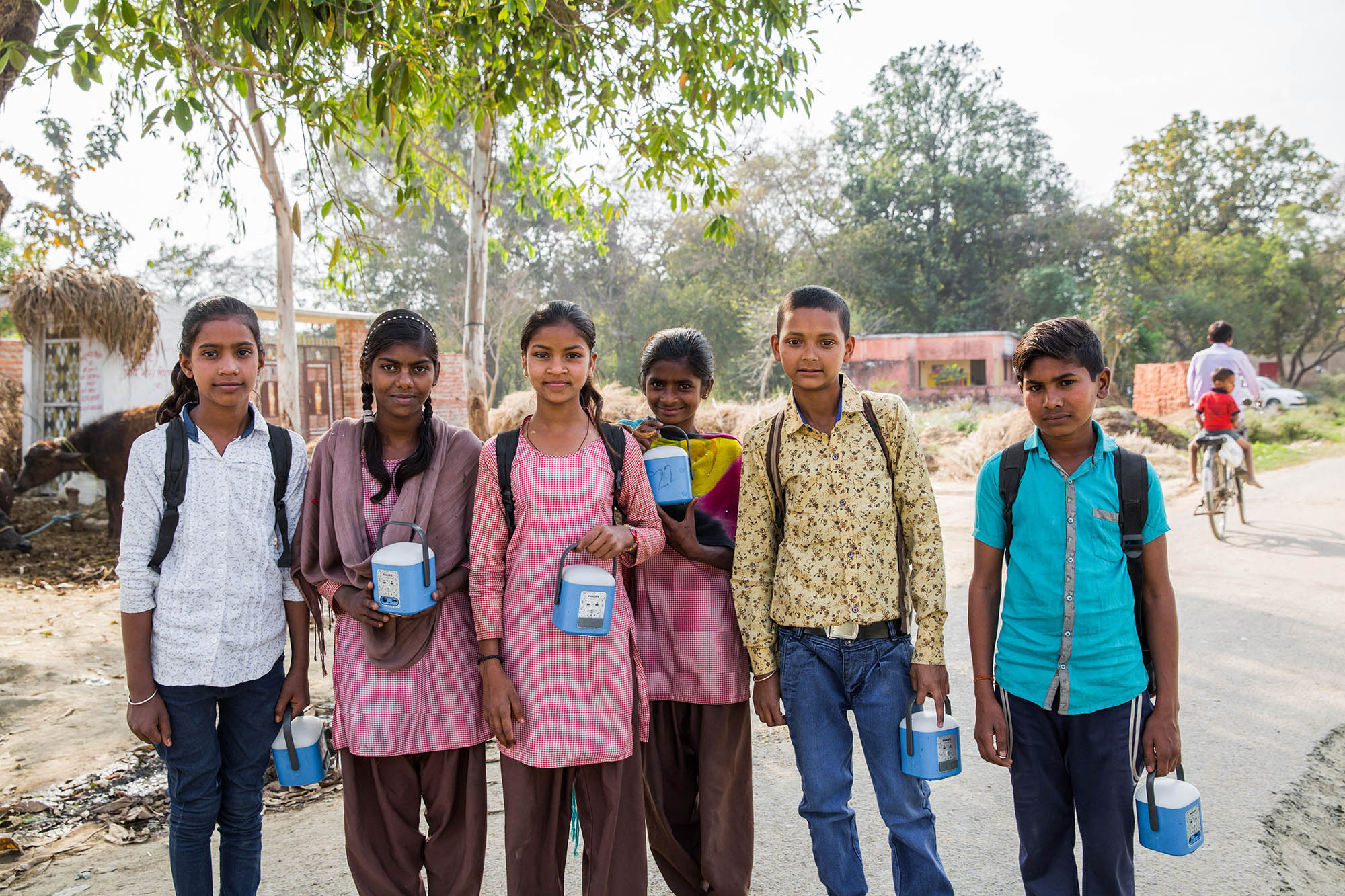
Imagine a lantern which helps children going to school, a lantern which increase the school attendance rate!
Impossible?
Signify thought outside the box and made it possible.

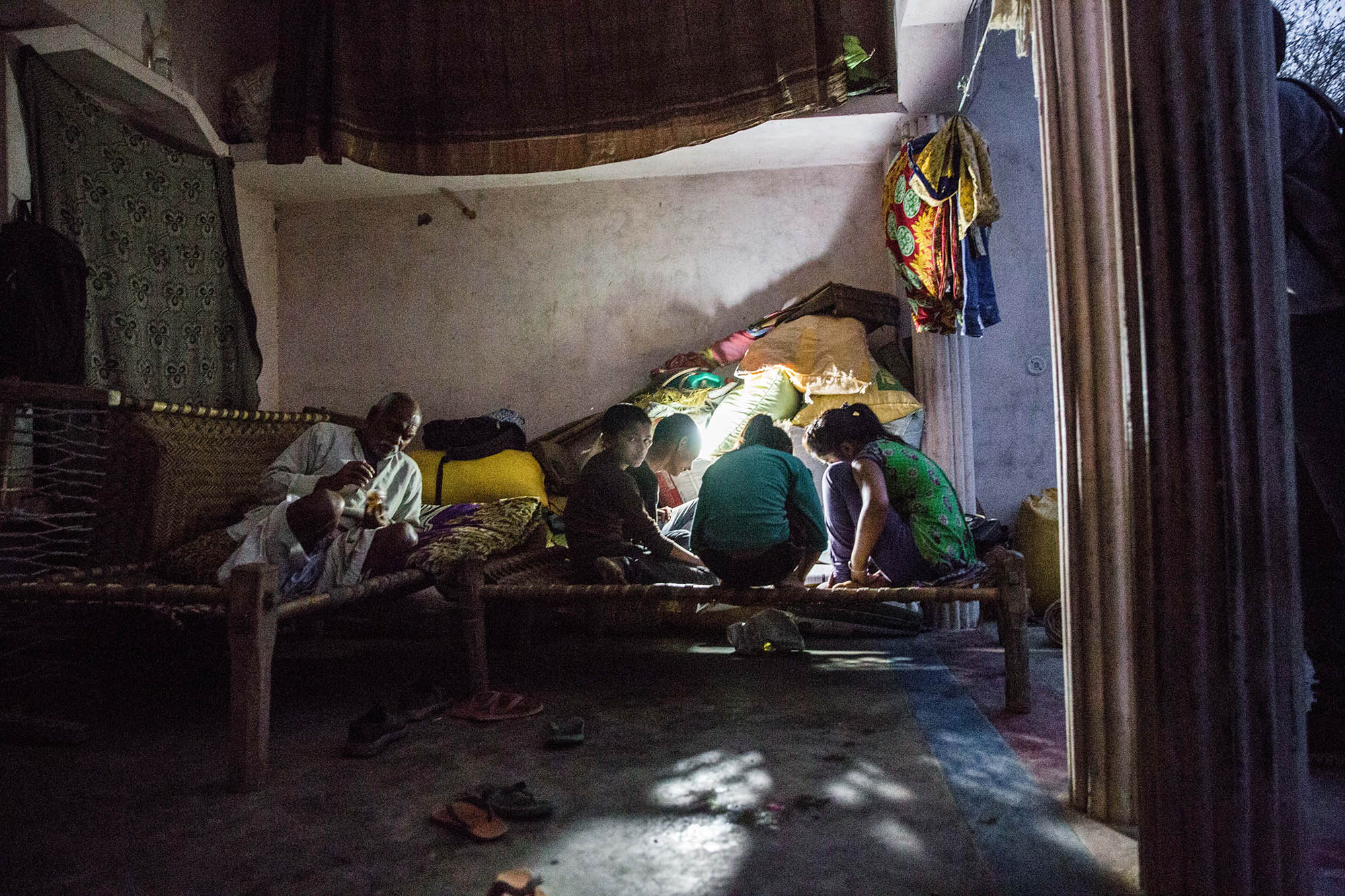
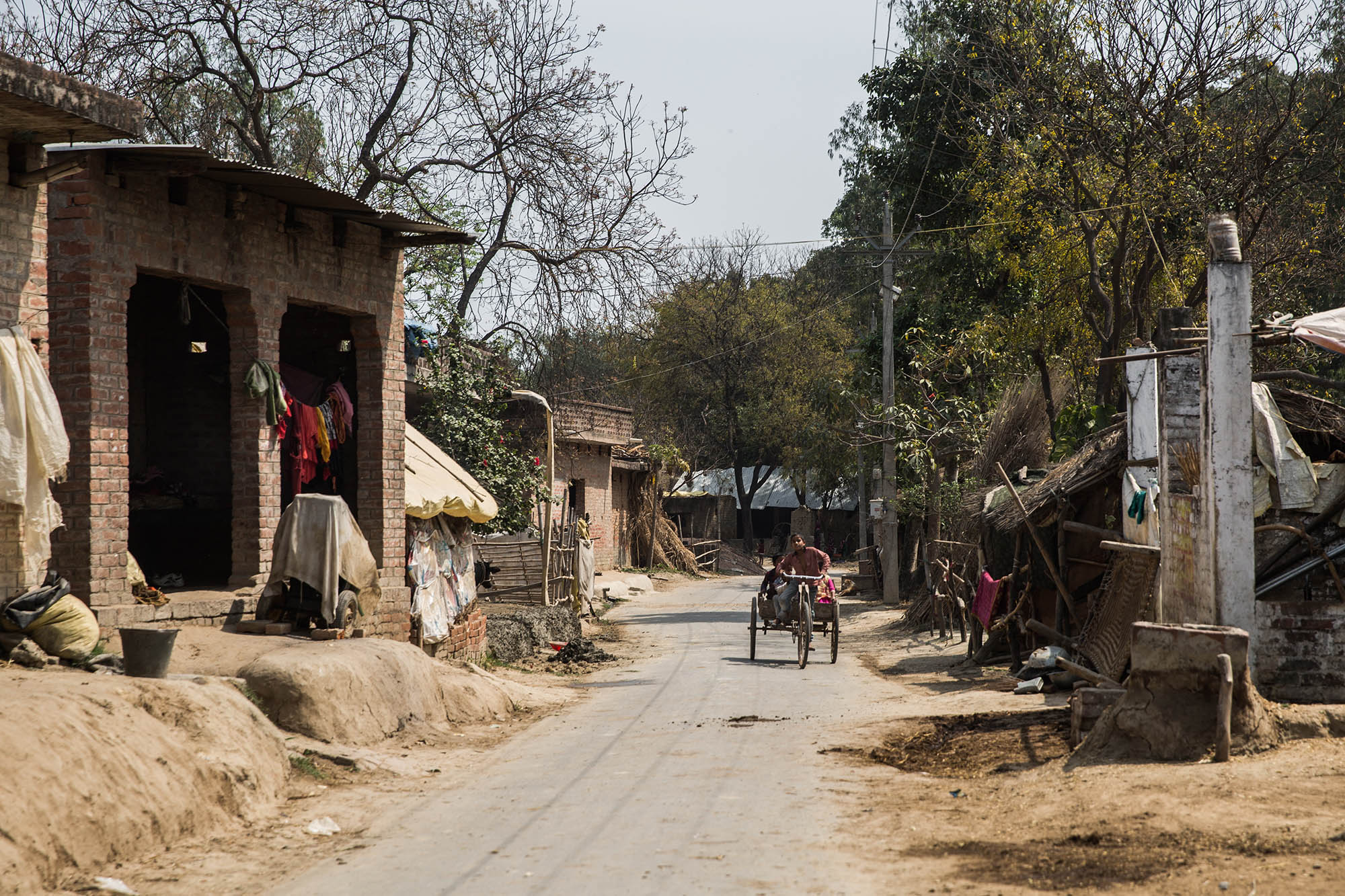
After a 2 days trip by car and train from Udaipur we are now in Uttar Pradesh region, and more precisely in a very small village named Kamela. We are going to visit a public school where Signify and Dharma Life made the impossible possible thanks to the lighting library idea.

The lighting library

One issue that several NGOs are trying to solve is the access to education for every children. Dharma Life and Signify found out that school attendance in rural areas is really low and those villages face huge electricity issues.

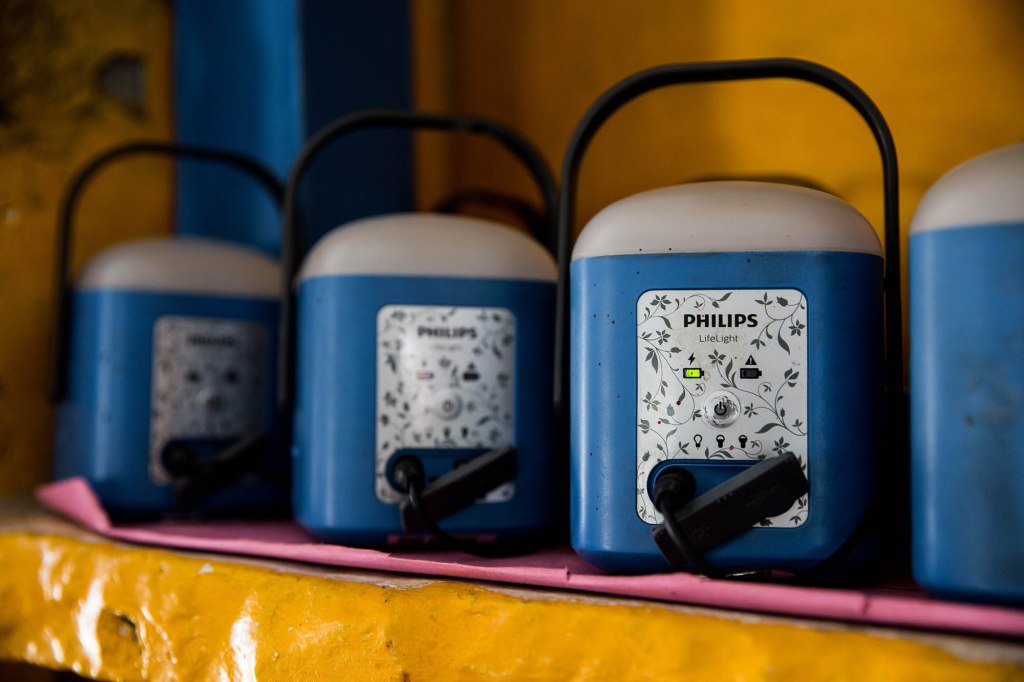
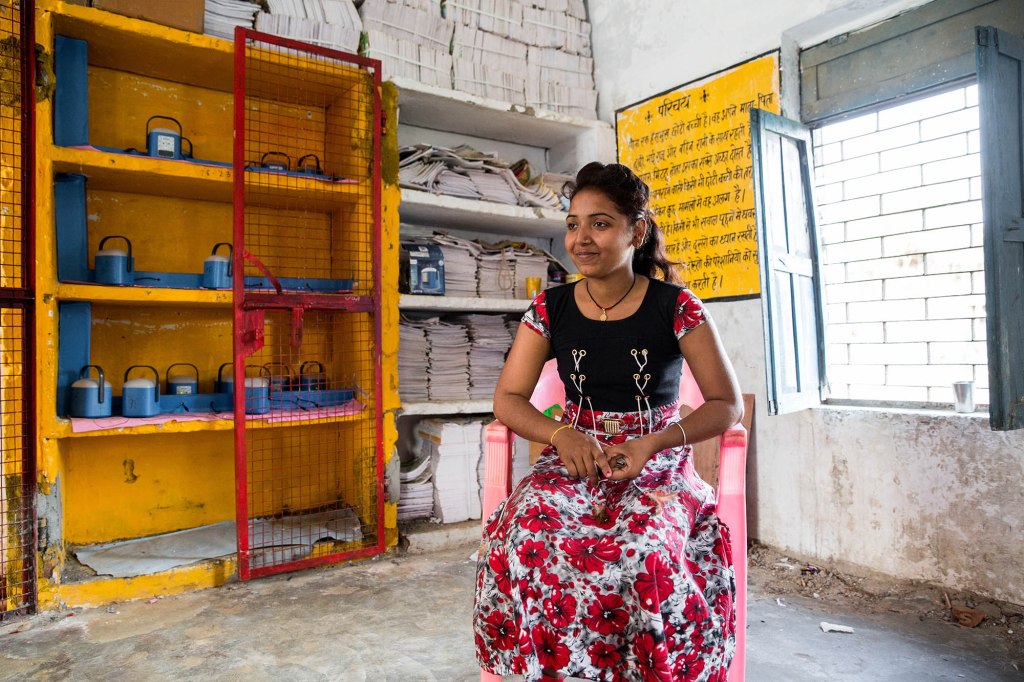
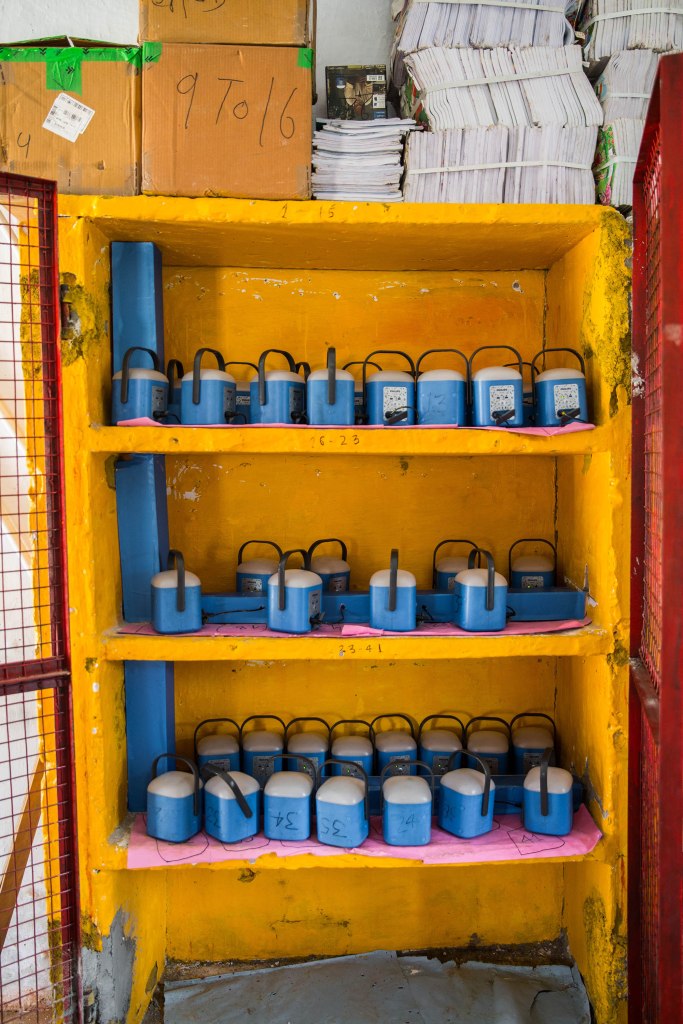
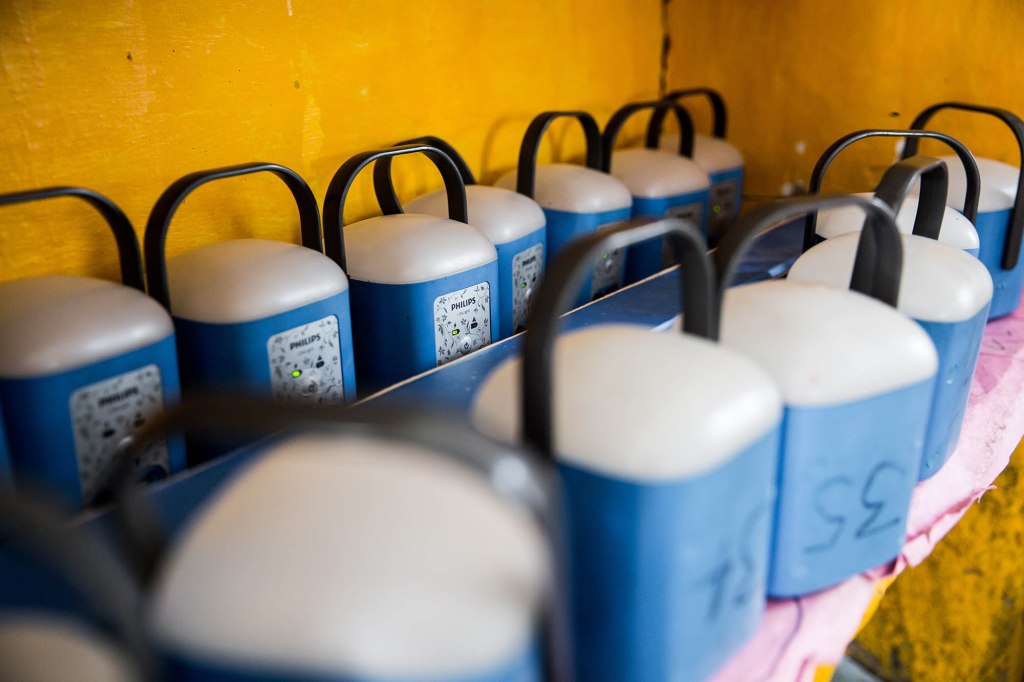
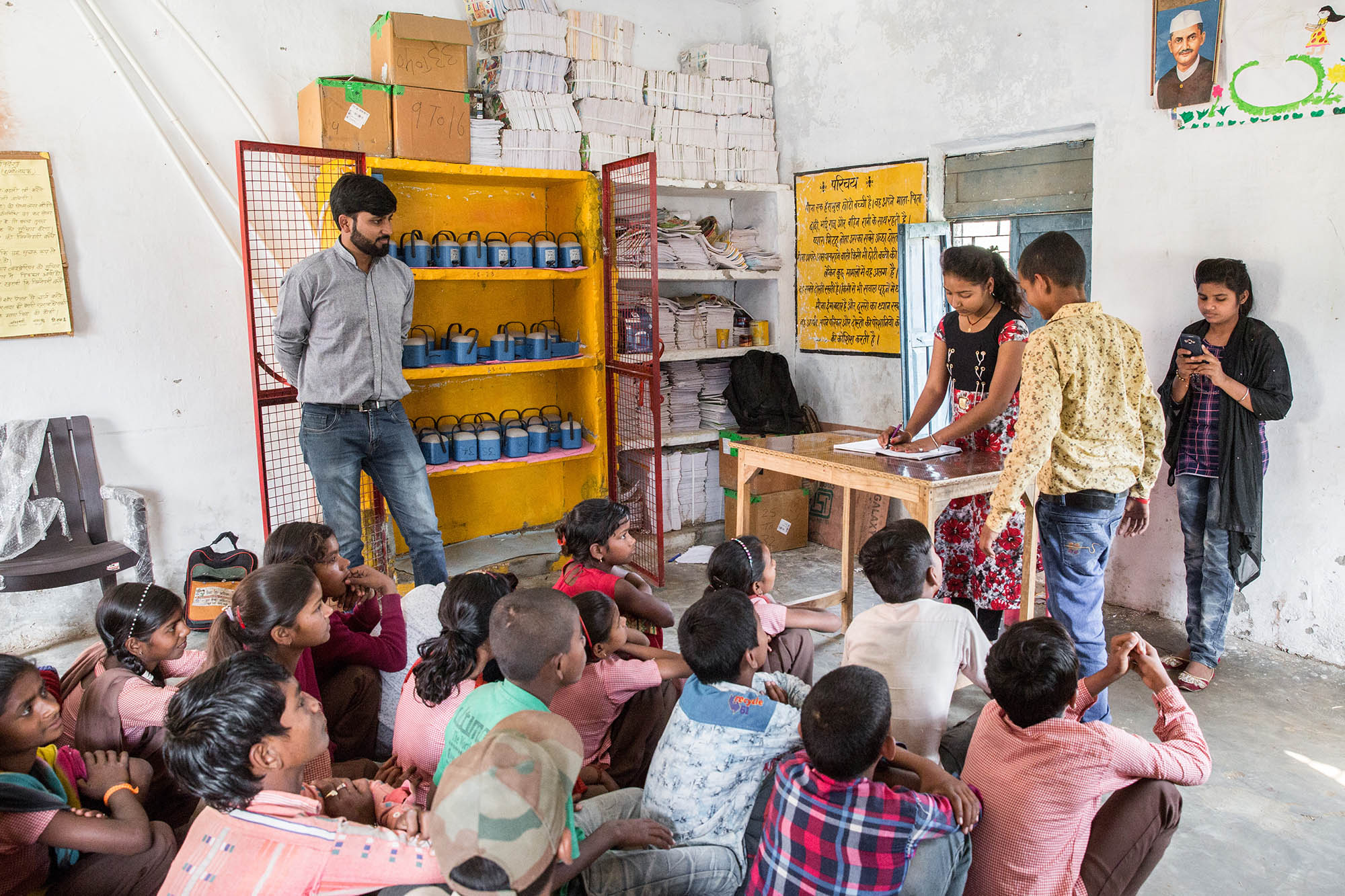
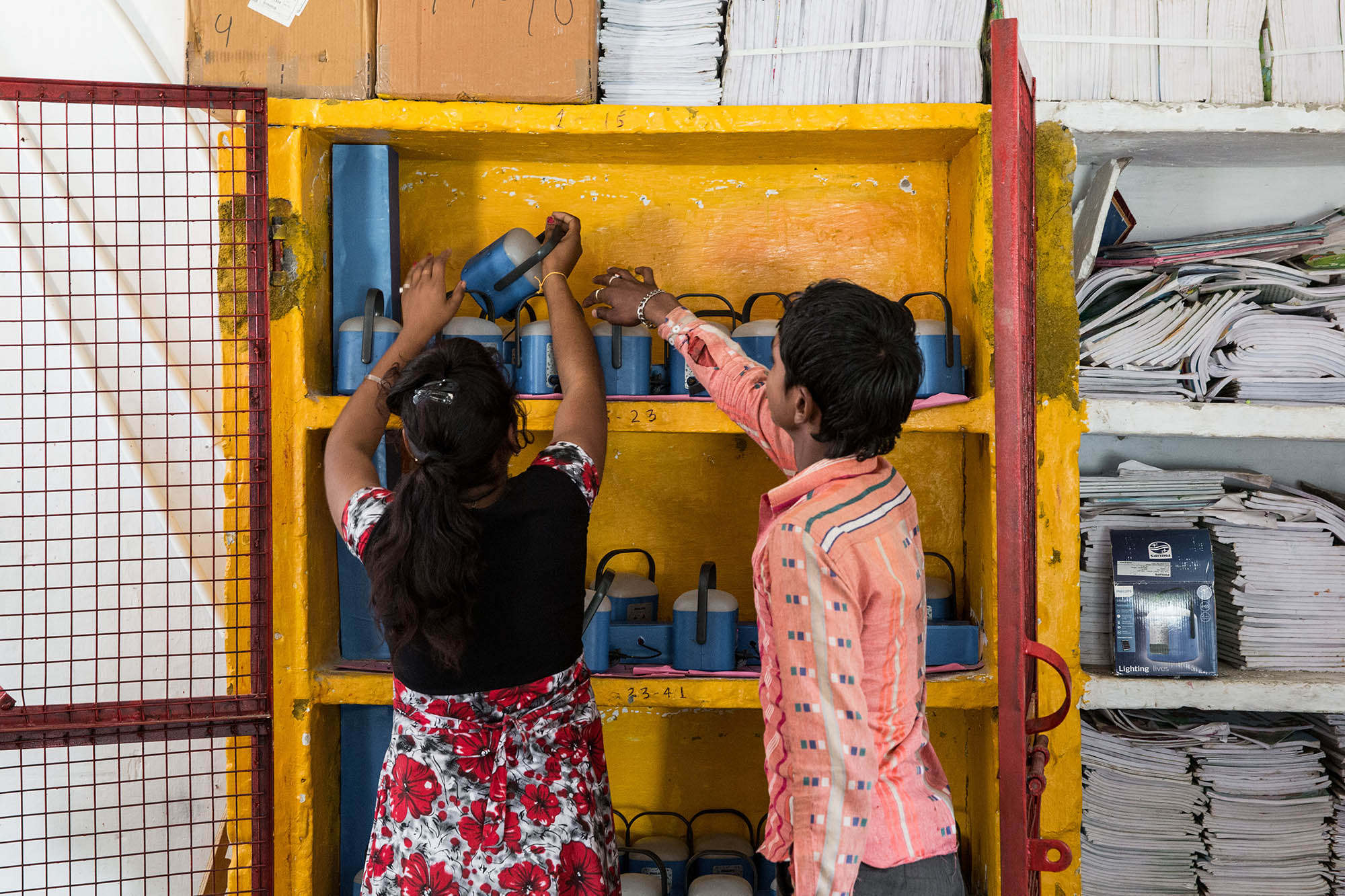
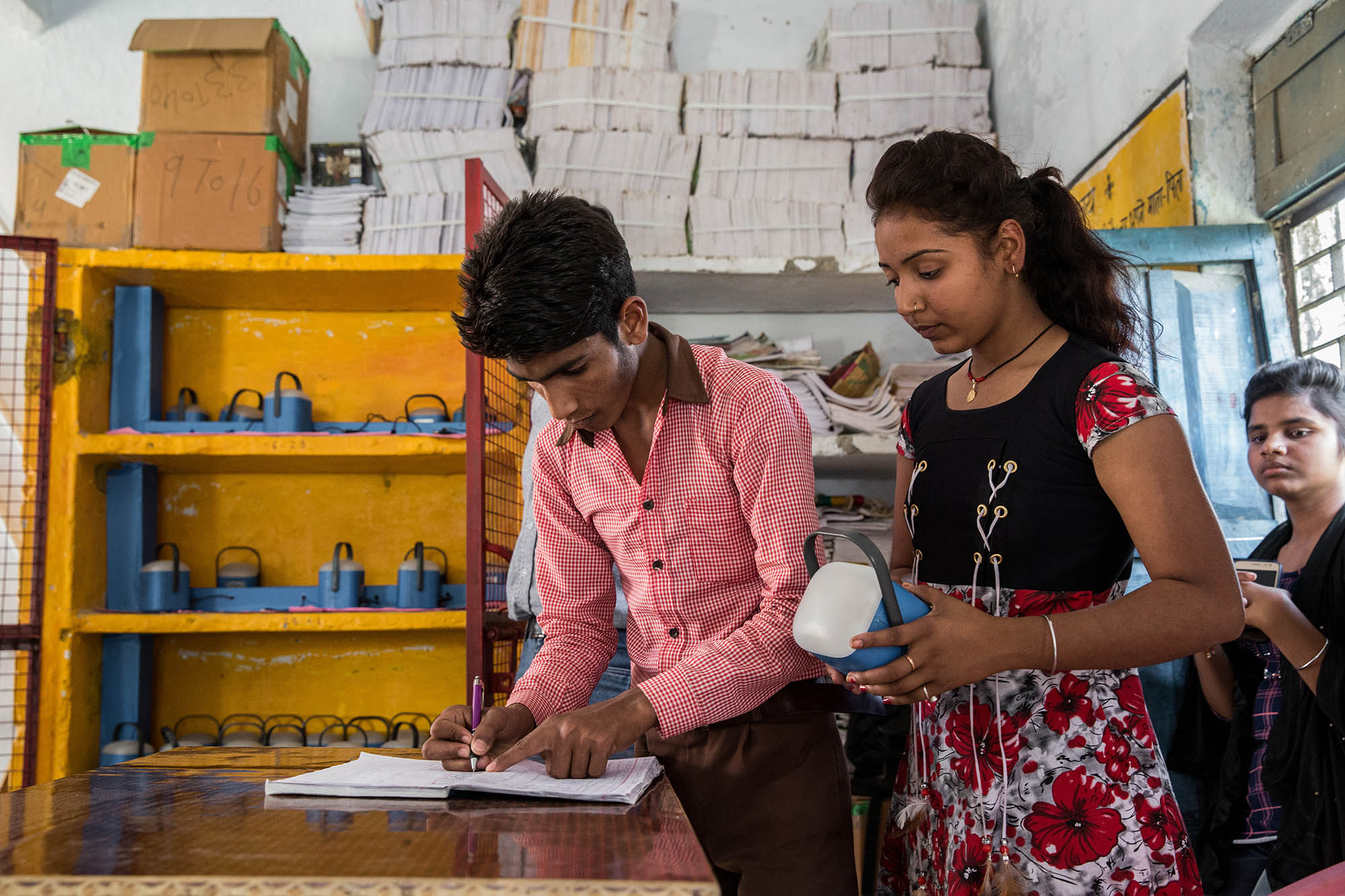
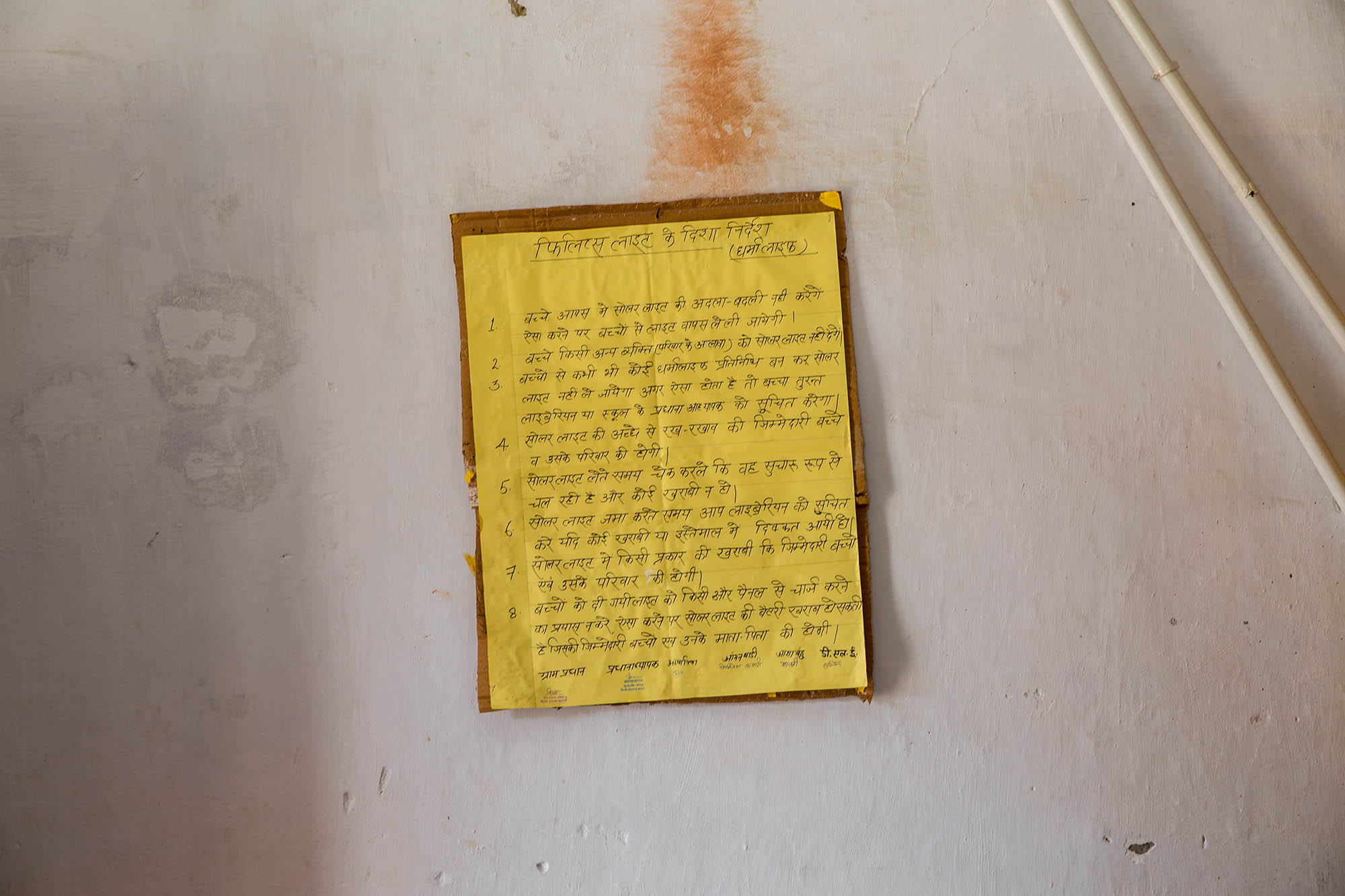
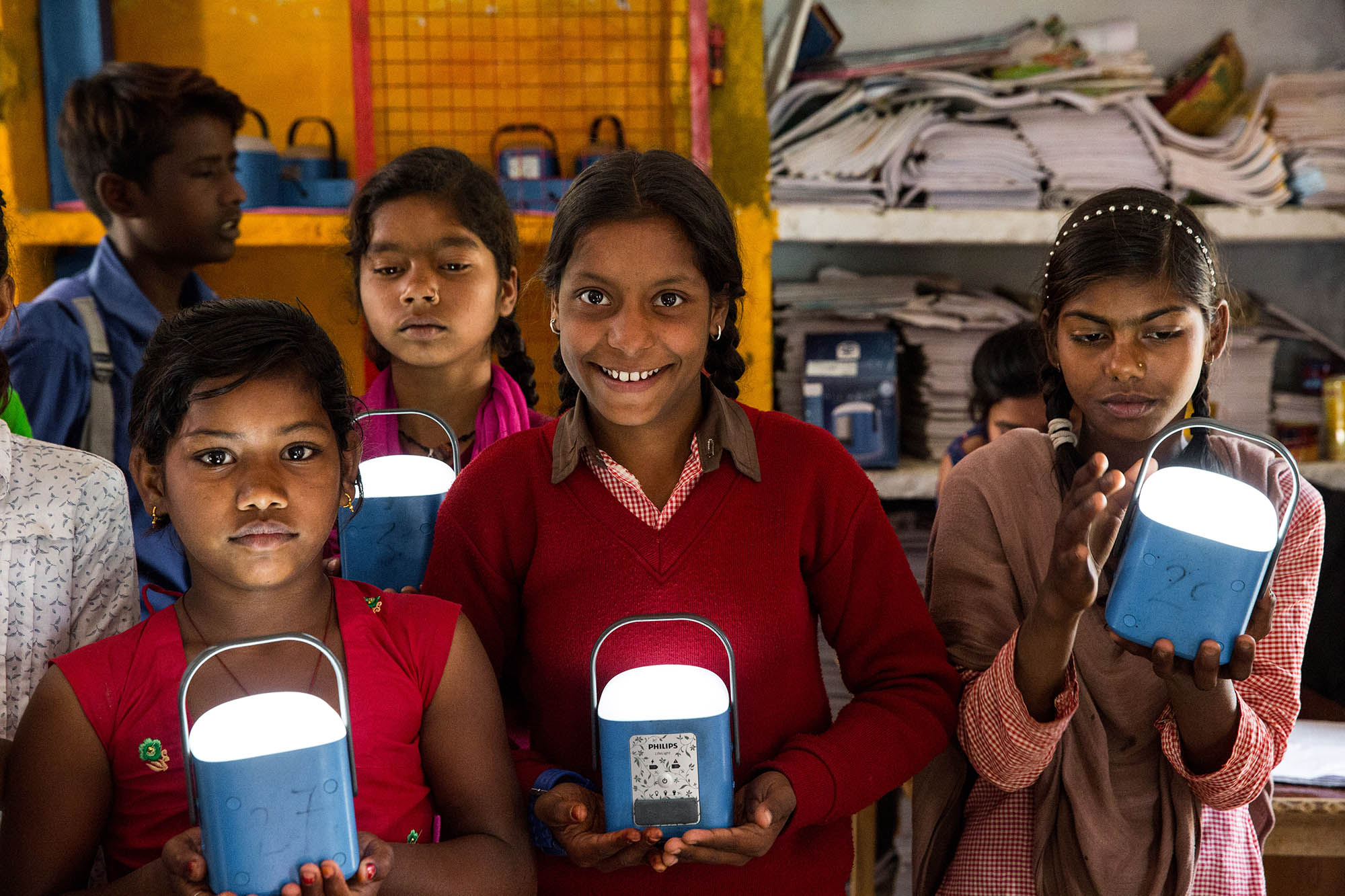
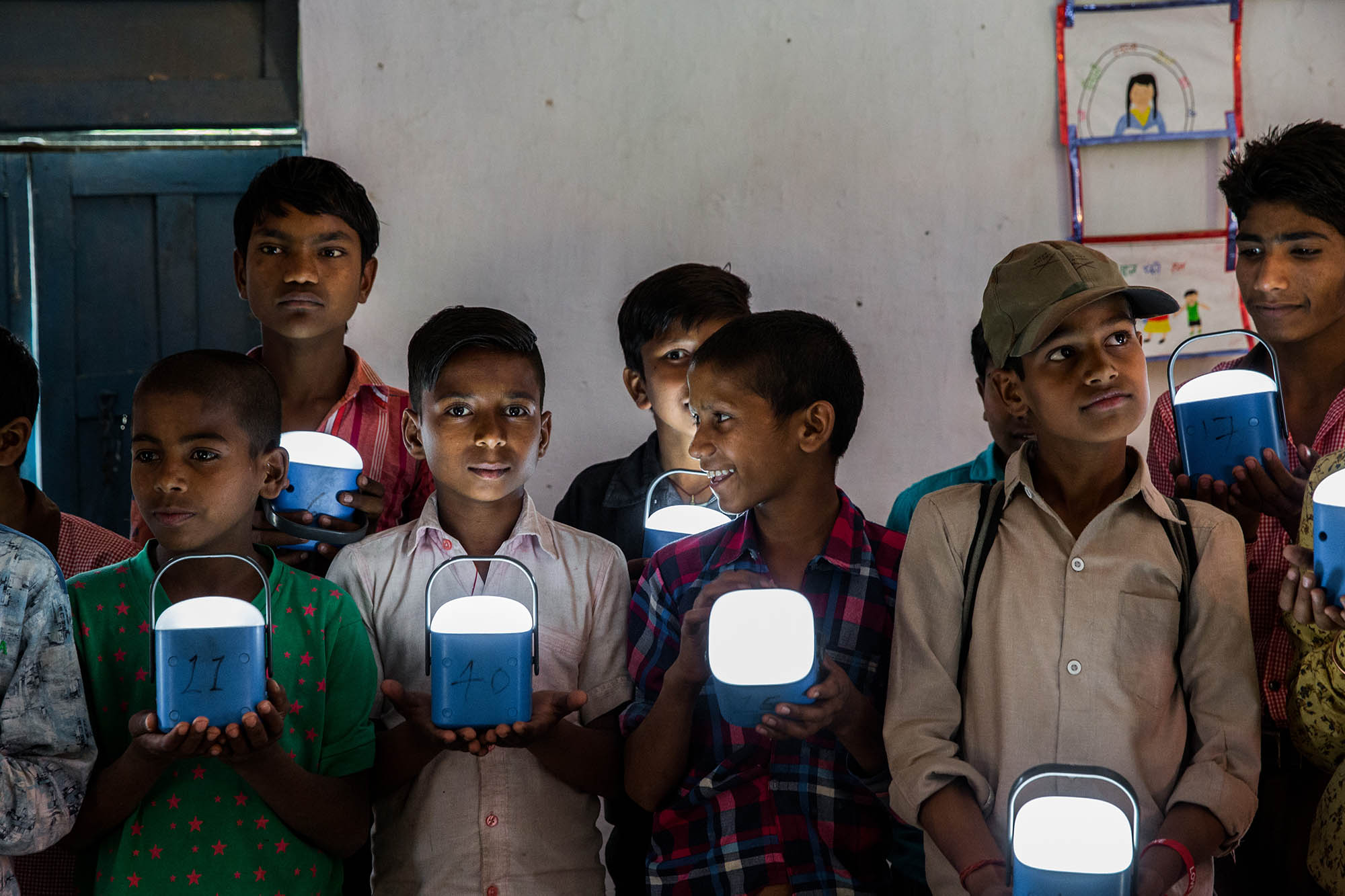
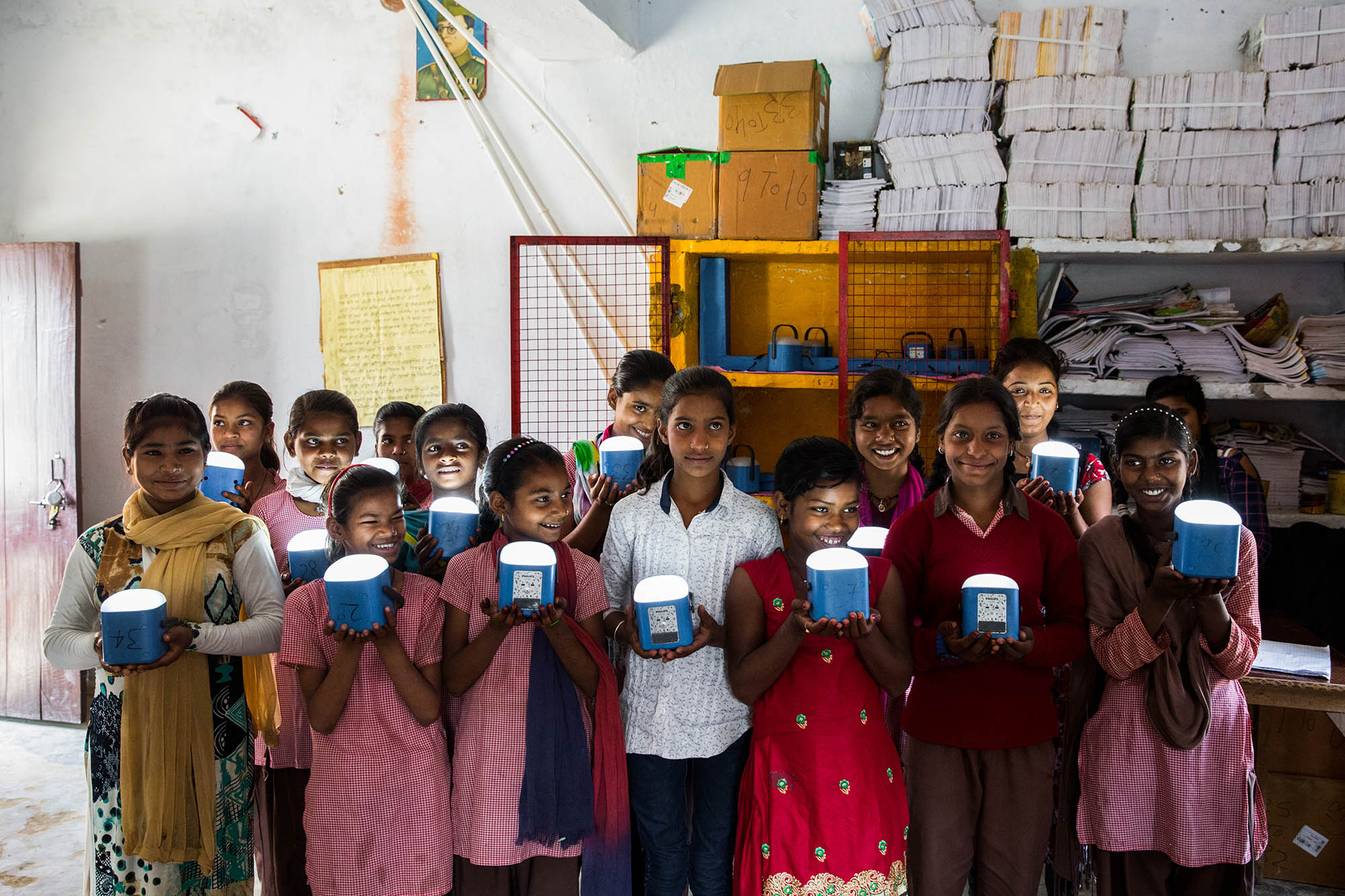
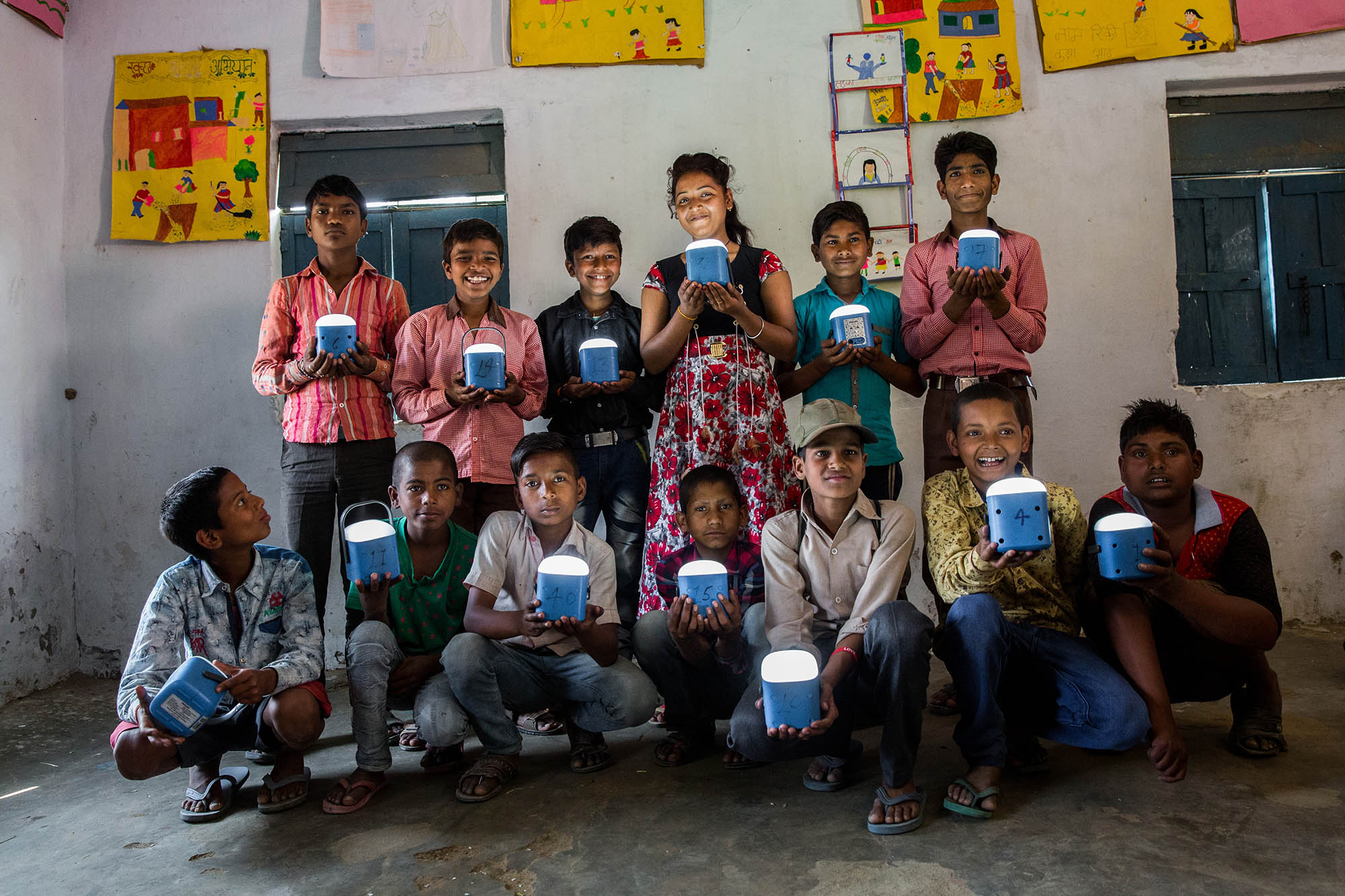
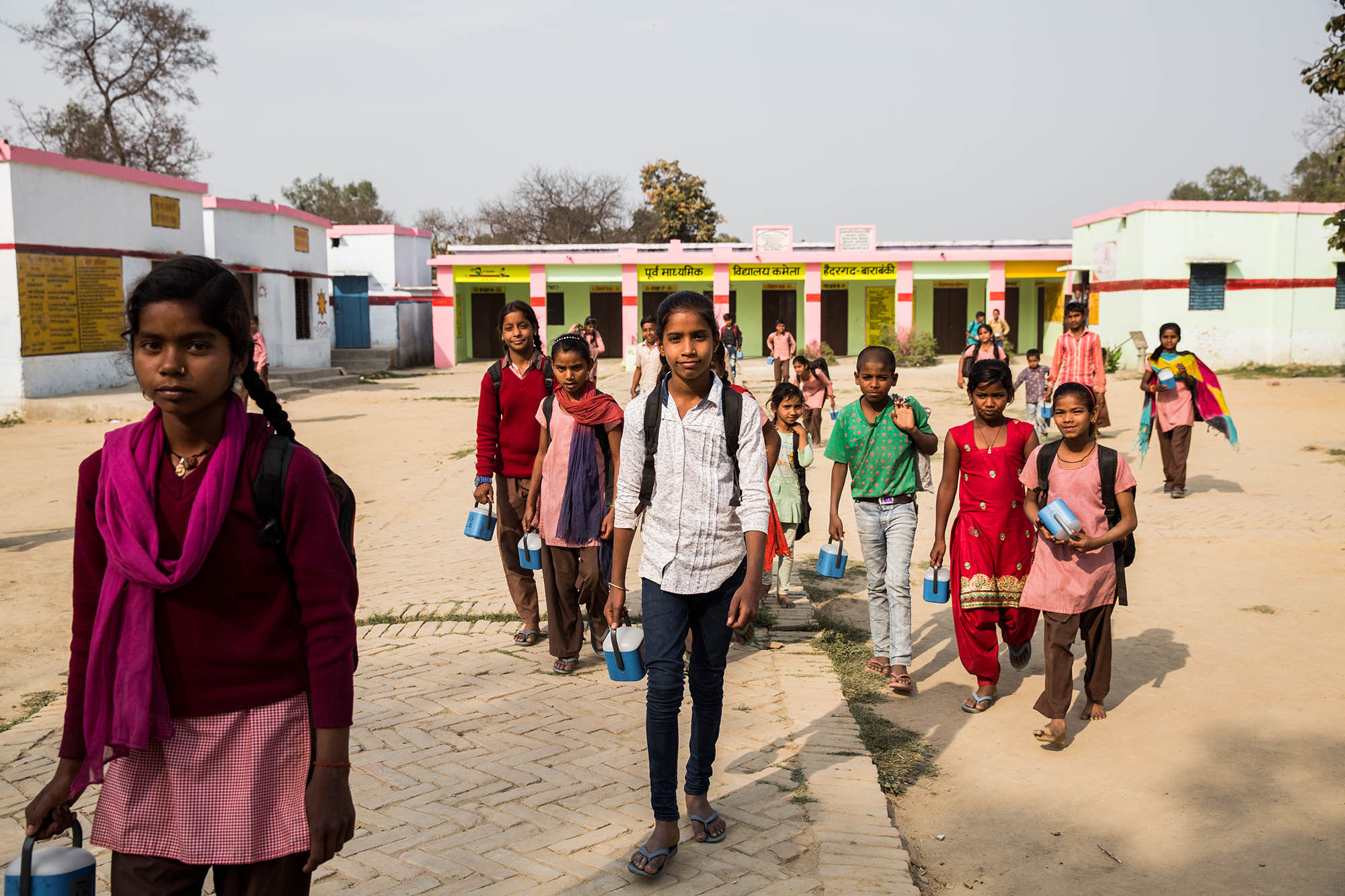
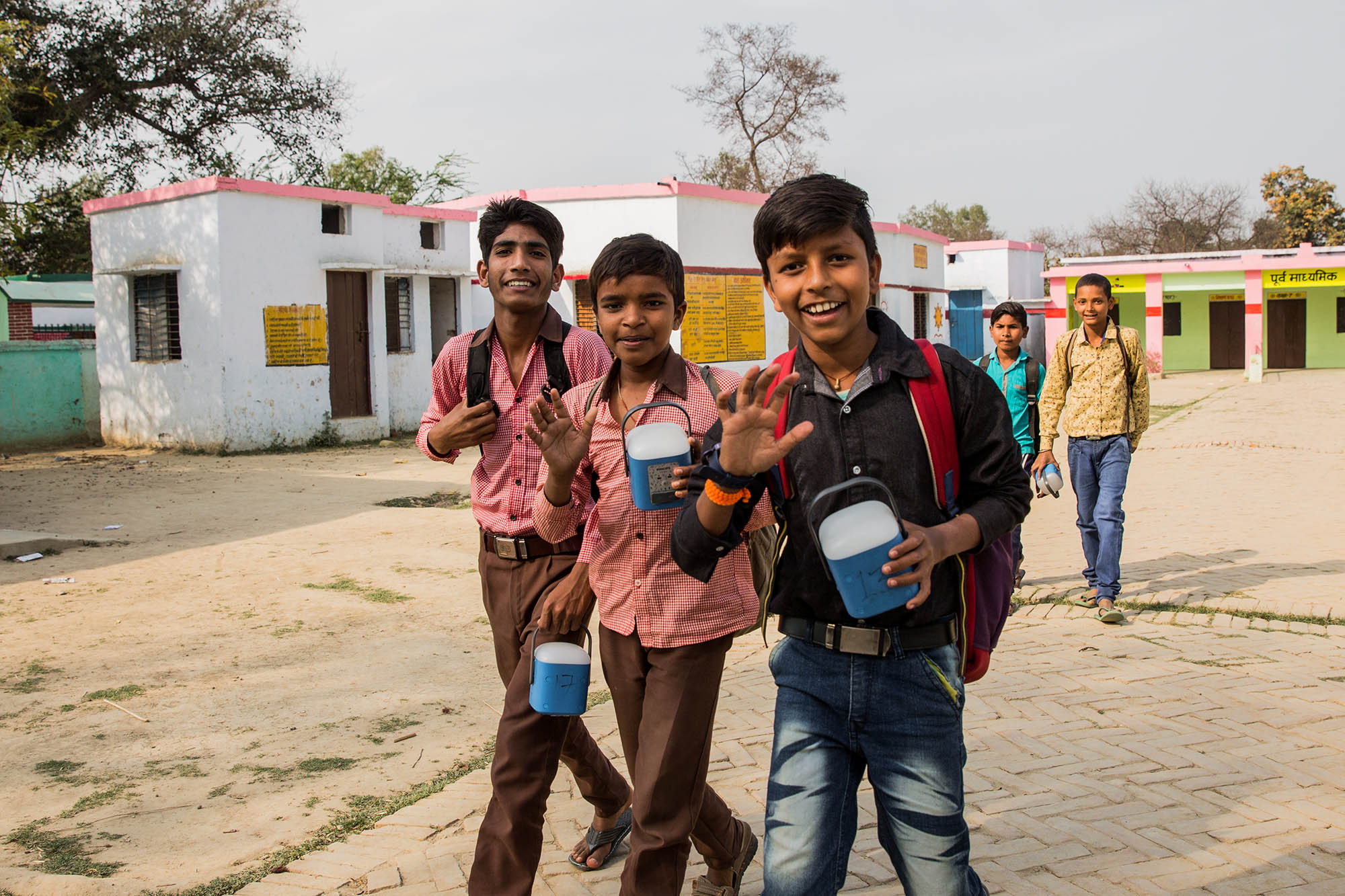
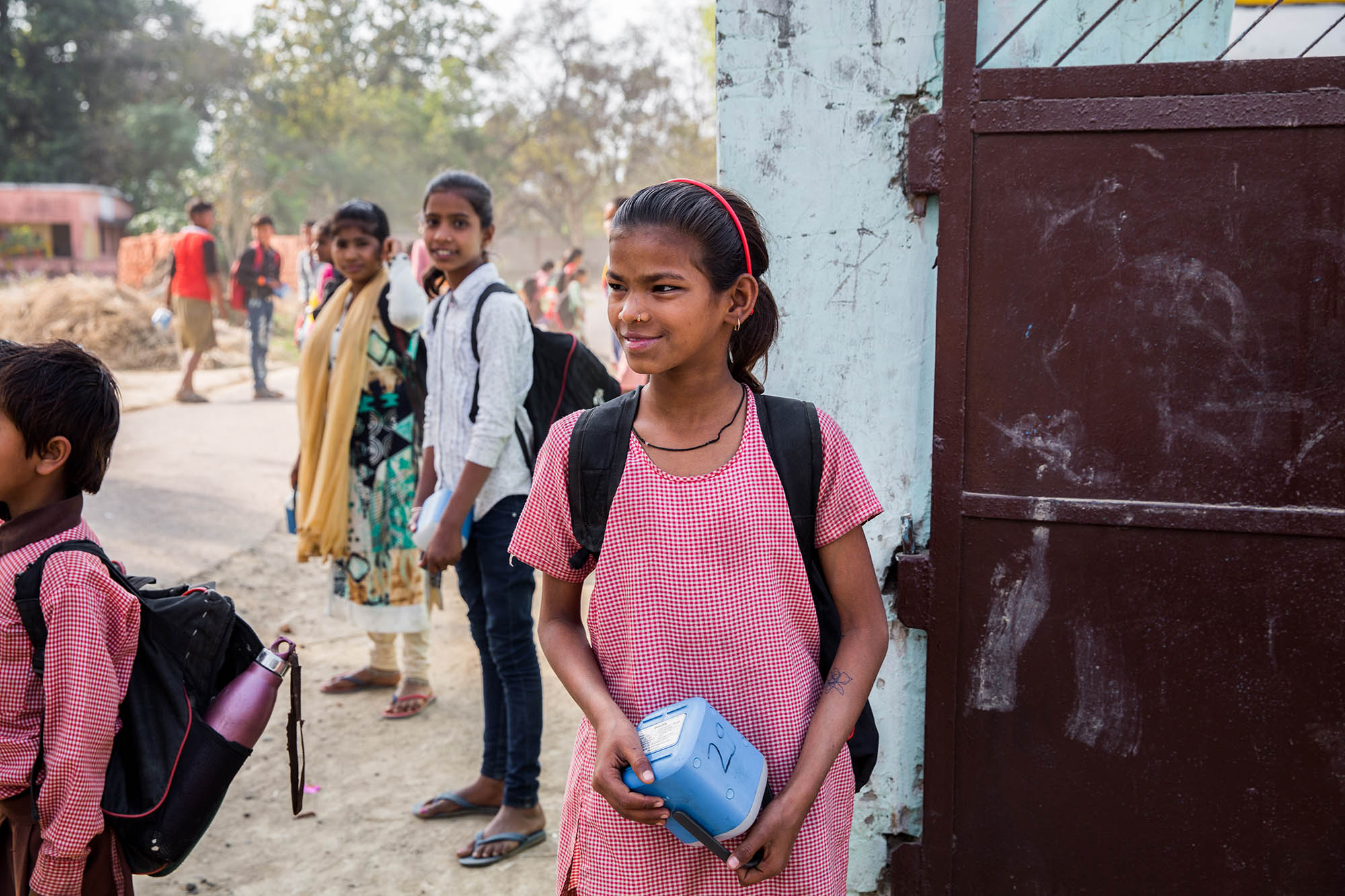
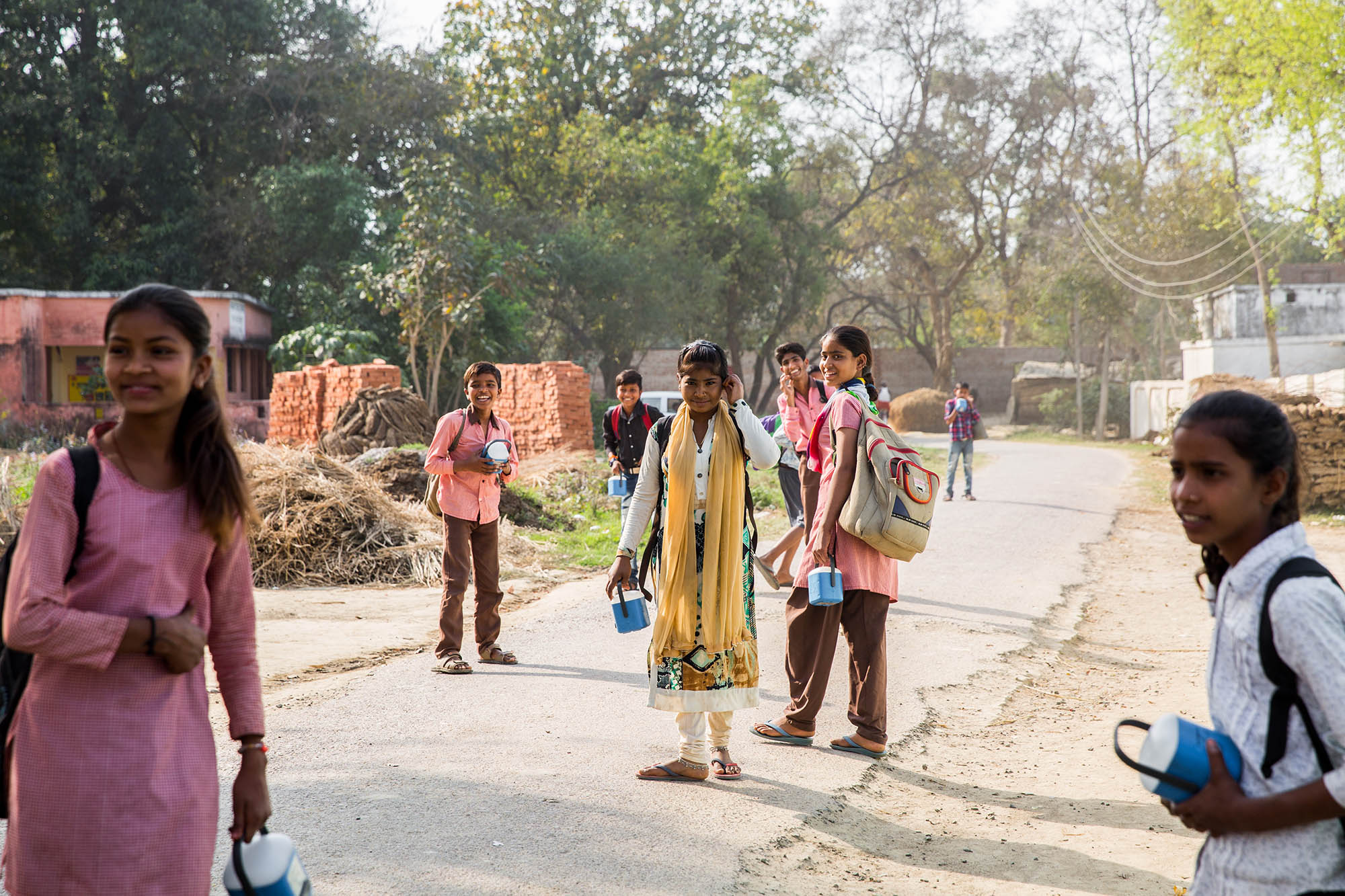
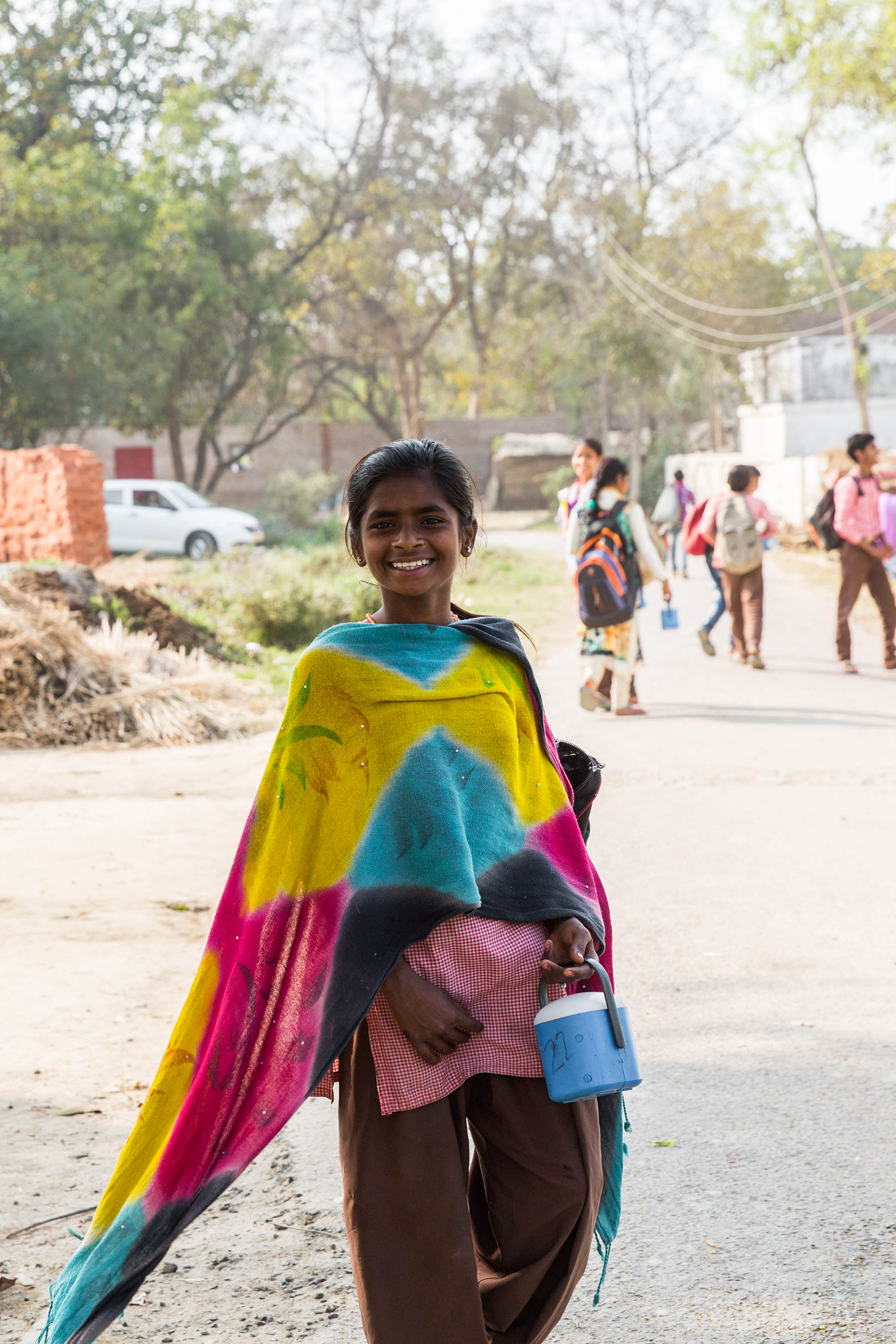
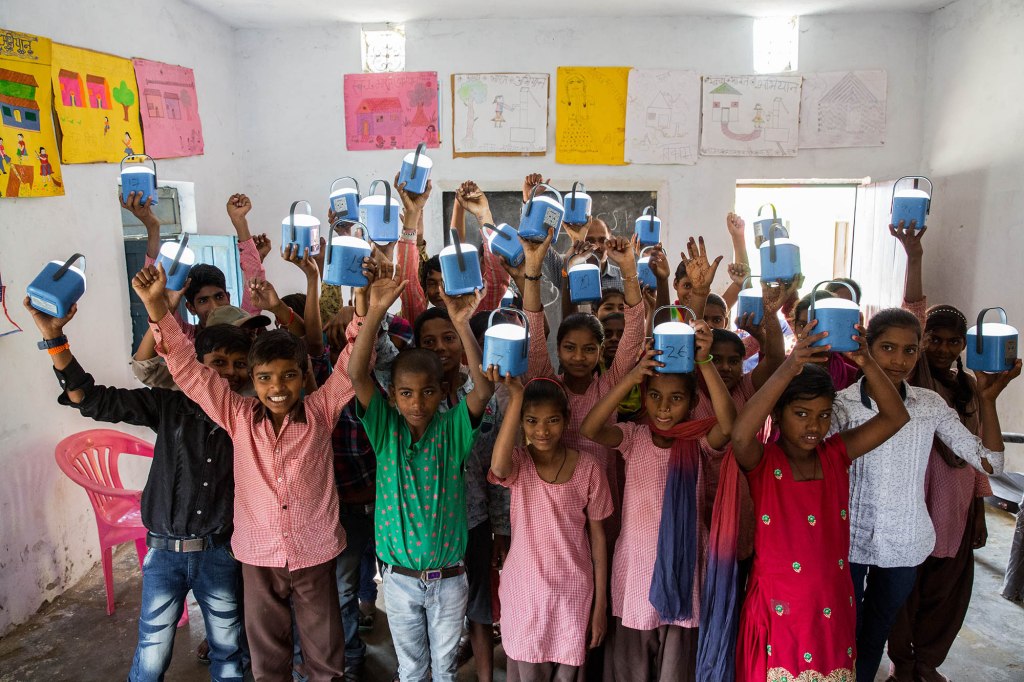
They teamed up with the idea to give solar lanterns to the village’s students during 1 month allowing them to bring light at home. However, the solar panel is on the roof of the school and therefore children have to come back to school to plug lanterns. This is really a smart concept to encourage parents to let their children going to school in exchange for light at home!
Shivang, our contact at Dharma Life, gave us some explanations during our journey to the village: 40 solar lamps have been provided to the school in December 2018 and one Dharma Life Entrepreneur, Antima, is physically on site to manage this project.

The lanterns, in charge powered by a solar panel on the rooftop.

Interview of the school director

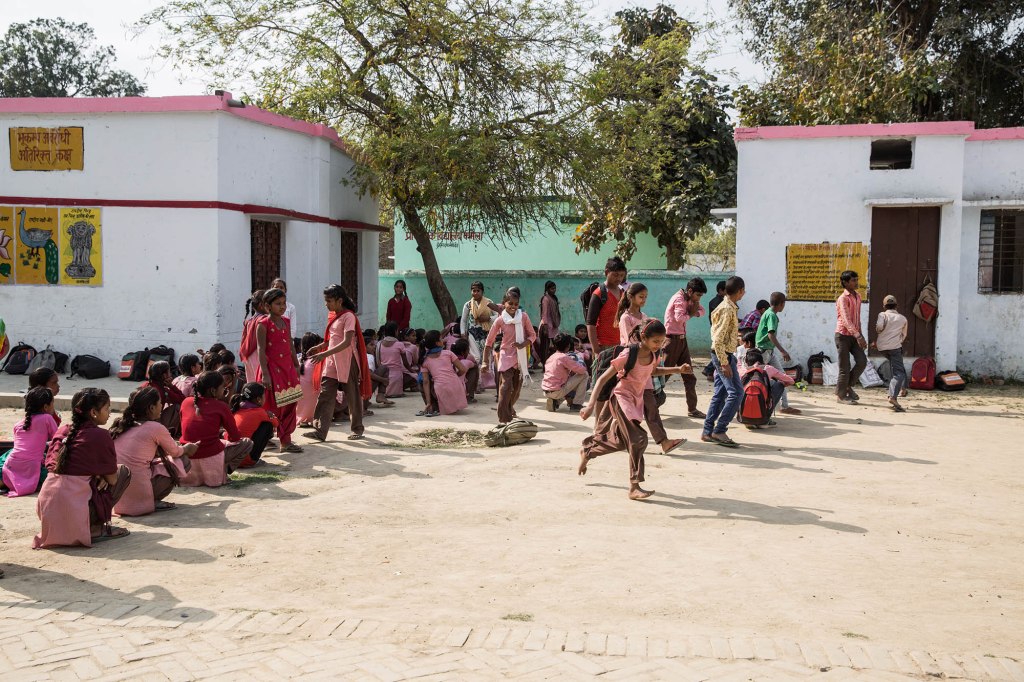
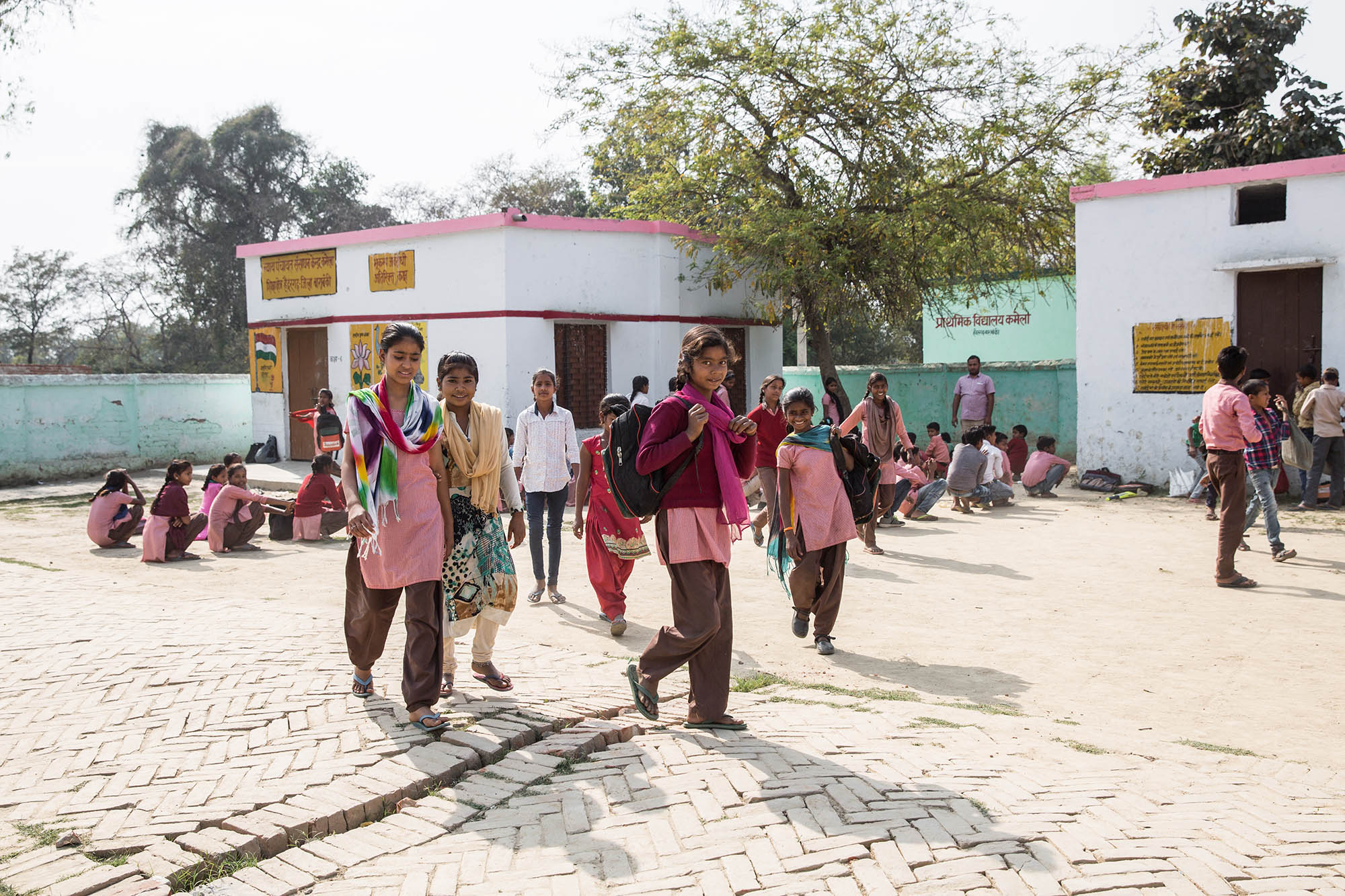
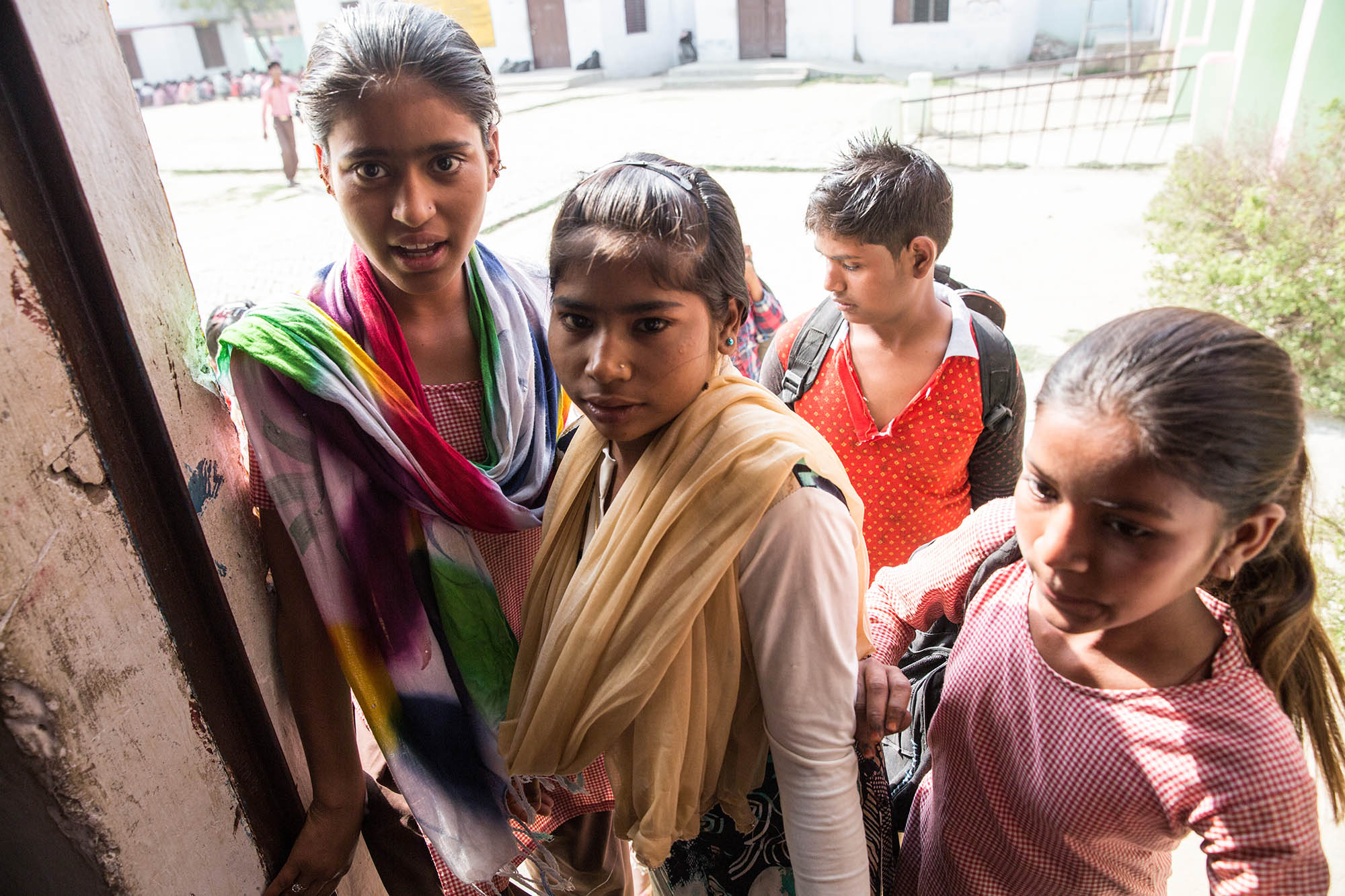
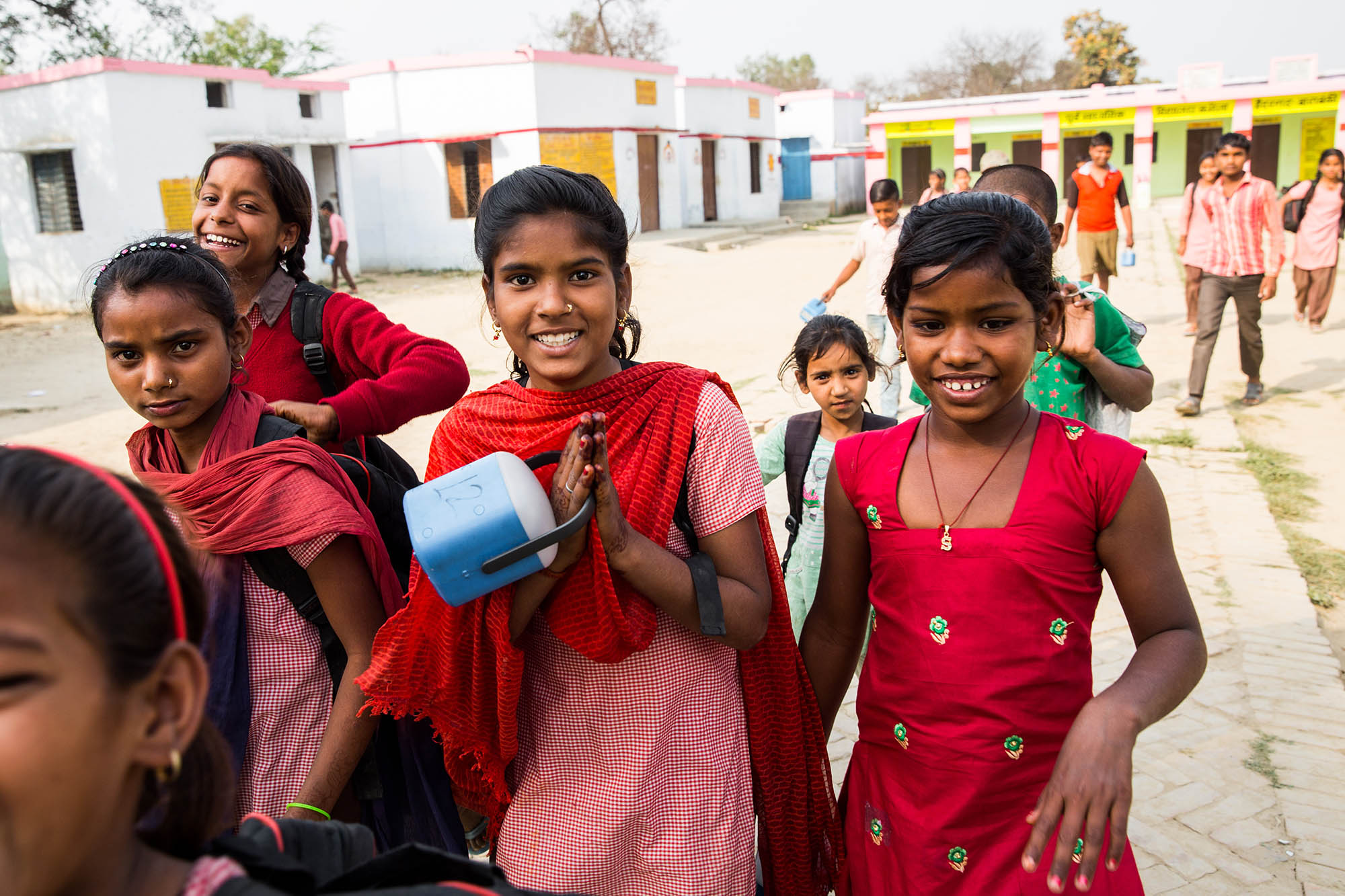
Kids were not informed about our visit so when we arrived they all left their classes to welcome us, they were really happy to see us and it was a shared feelings.

The students, after class

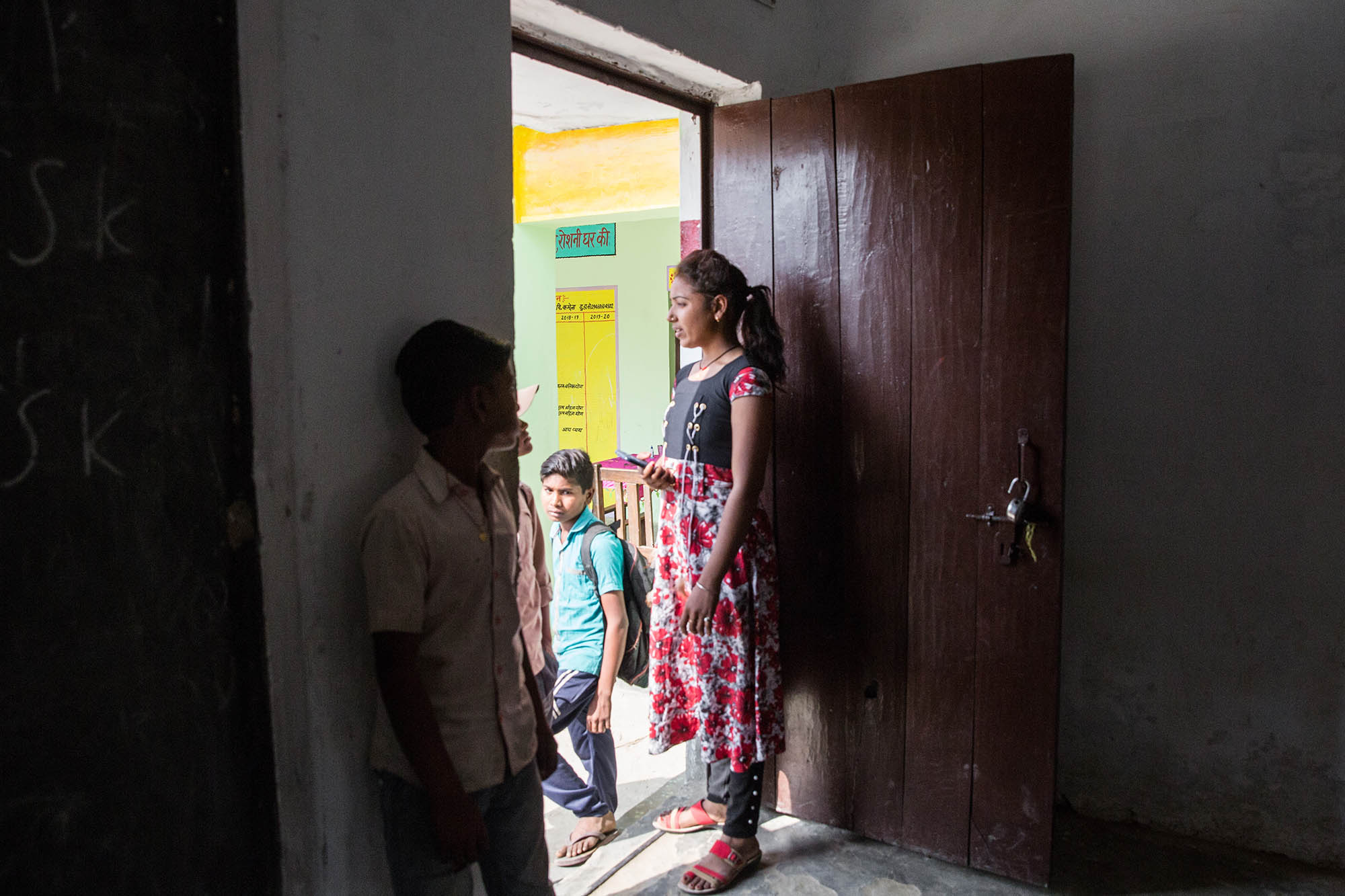
We had a first interview with the director Antim.
She is teacher for 20 years in this school and has 298 students.

The main issue she is facing is the attendance rate, today it’s 70% but during the harvesting season it drops to 30%. For most parents their children are actually workforce helping in fields whereas going to school is pointless.

“Finally a NGO coming to this village”

Antim even shared with us a video where you see teachers going to the field where parents and children are working, it turned almost to fight because parents are not willing to let their kids going to school. I can understand the complexity of their daily life and who am I to blame them, but education is the only way to give a chance to those kids, to allow them to have choice in their future. I wish I could have a magic stick to make that point obvious to everyone.

When Dharma Life came to visit Antim, she thought : “finally a NGO coming to this village”. Indeed in those last miles schools even if the government tries to support, it’s often inappropriate, they for instance received computers but don’t have electricity to power them. Therefore NGOs such as Dharma Life make the difference and come with suitable actions.

When the lighting library has been proposed to Antim she was really inspired and after 4 months she already sees the benefits: 15% more attendance, including students who never came before.

Antim is convinced the lighting library has a good leverage and she curious to see results after more additional months.

What is it to be Dharma Life Entrepreneur? Antima told us everything

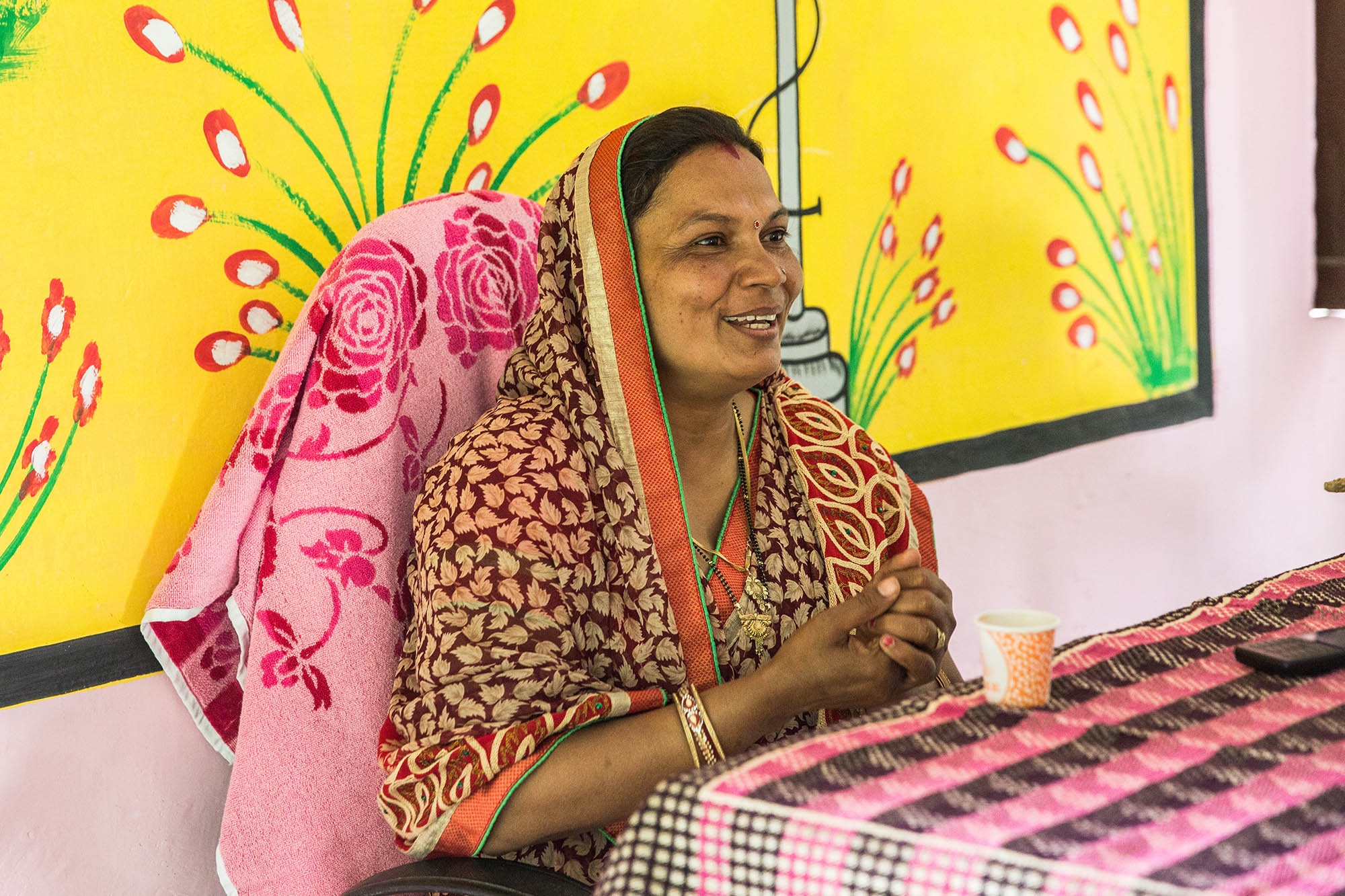
Antima is the Dharma Life Entrepreneur running the lighting library.
She’s from this village, has a bachelor and wants to become teacher in primary school.

Thanks to Dharma Life she really stepped out of her routine and got confidence in herself, she has led activities she never thought about before such as the lighting library or a cooking festival.

Her family knows how the village is isolated and therefore they highly support Antima for being a Dharma Life member and helping the village. It also helped her to be recognized and trusted in the village.

She was initially doubtful about the lighting library, not about the benefits because as she said “this is obvious” but more about her role and the set up. Now, everything is clear: every day she’s at school to give and register the 40 students who will have the lantern during 1 month. Then every month a new batch of students will experience the lantern.

Leading the lighting library is not the only task, she’s also a sale representative and her ambition is to sell solar lanterns to get sustainable revenue. This is again about empowerment of woman to help Antima to create an impact with local economy.

As a future teacher helping children is important for her and thanks to this project she can directly act in their wellbeing. She recalls going to the neighbors looking for light in order to study for her exams and she would have loved to have such lanterns during the exams season.

Back to school !
After those interviews we couldn’t wait more to visit the classes. It has been hours in the school without any children interactions so thanks to Shivang for the translation we could visit the classes and discuss in plenary sessions with students.

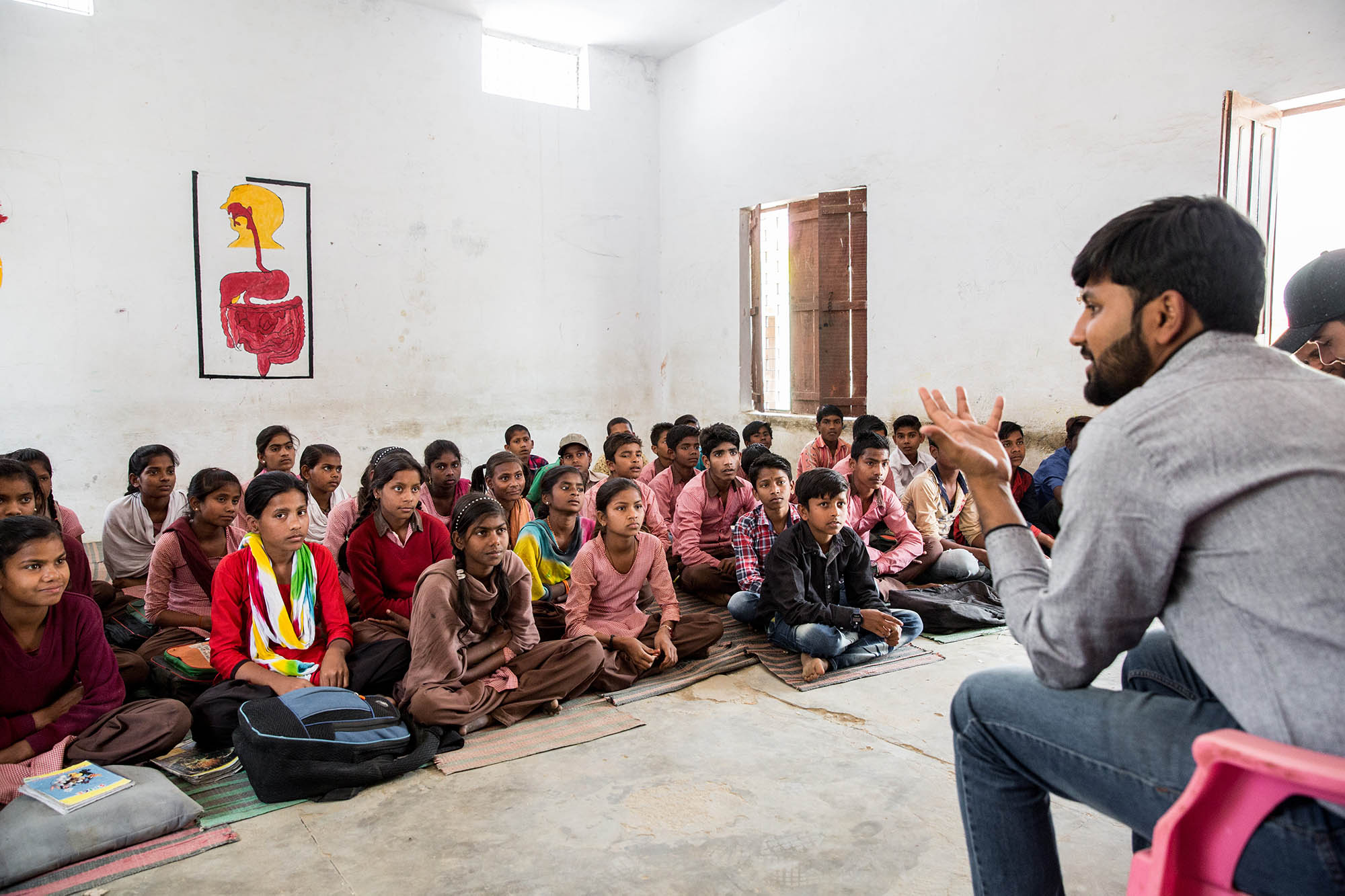
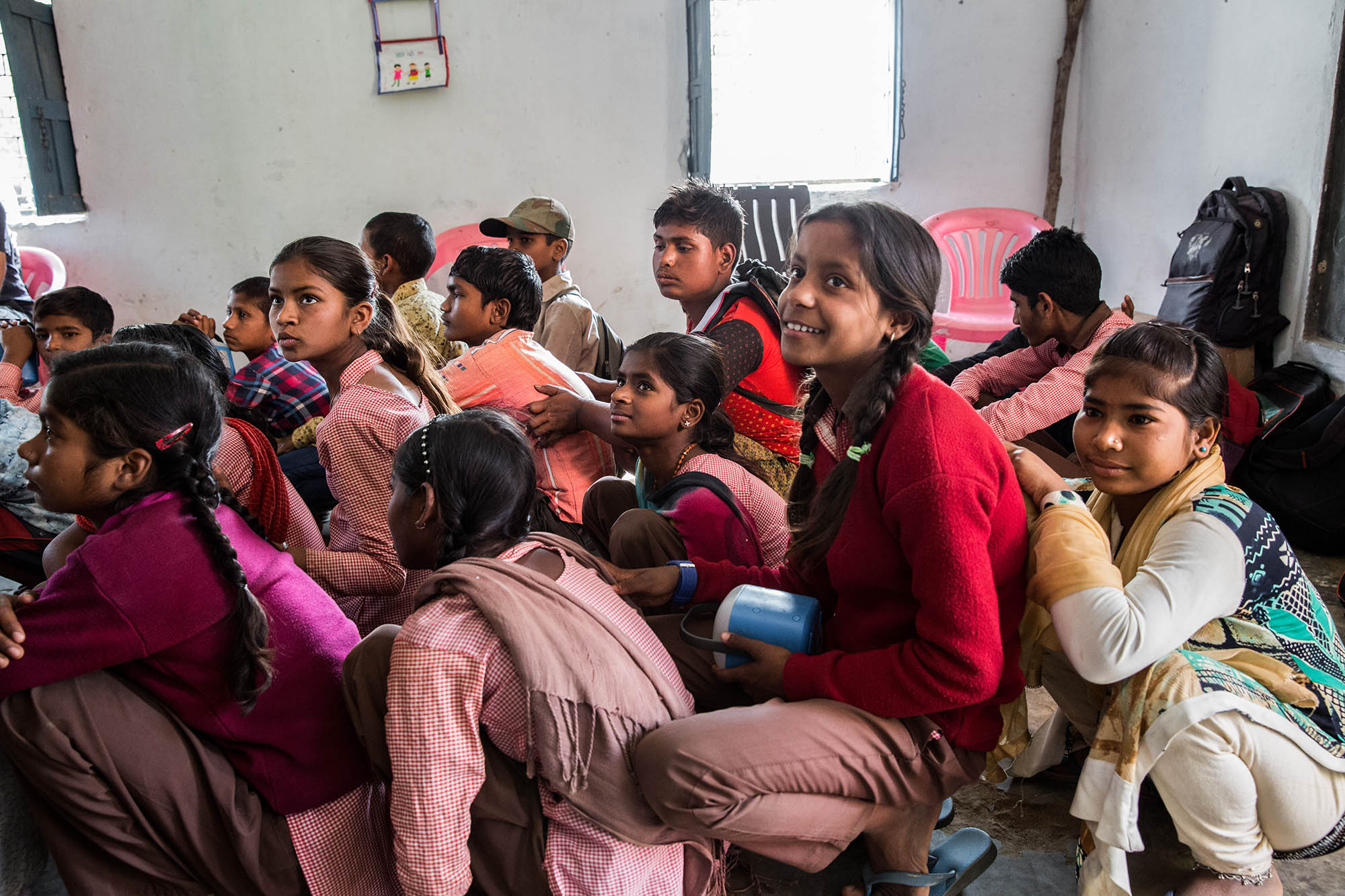
It was 2 classes of roughly 40 students, they all stood up when we entered the class to say hello – it reminded my College classes when someone came to visit us except this time I was the person visiting – and then they all seated on the floor with notebooks in their hands.

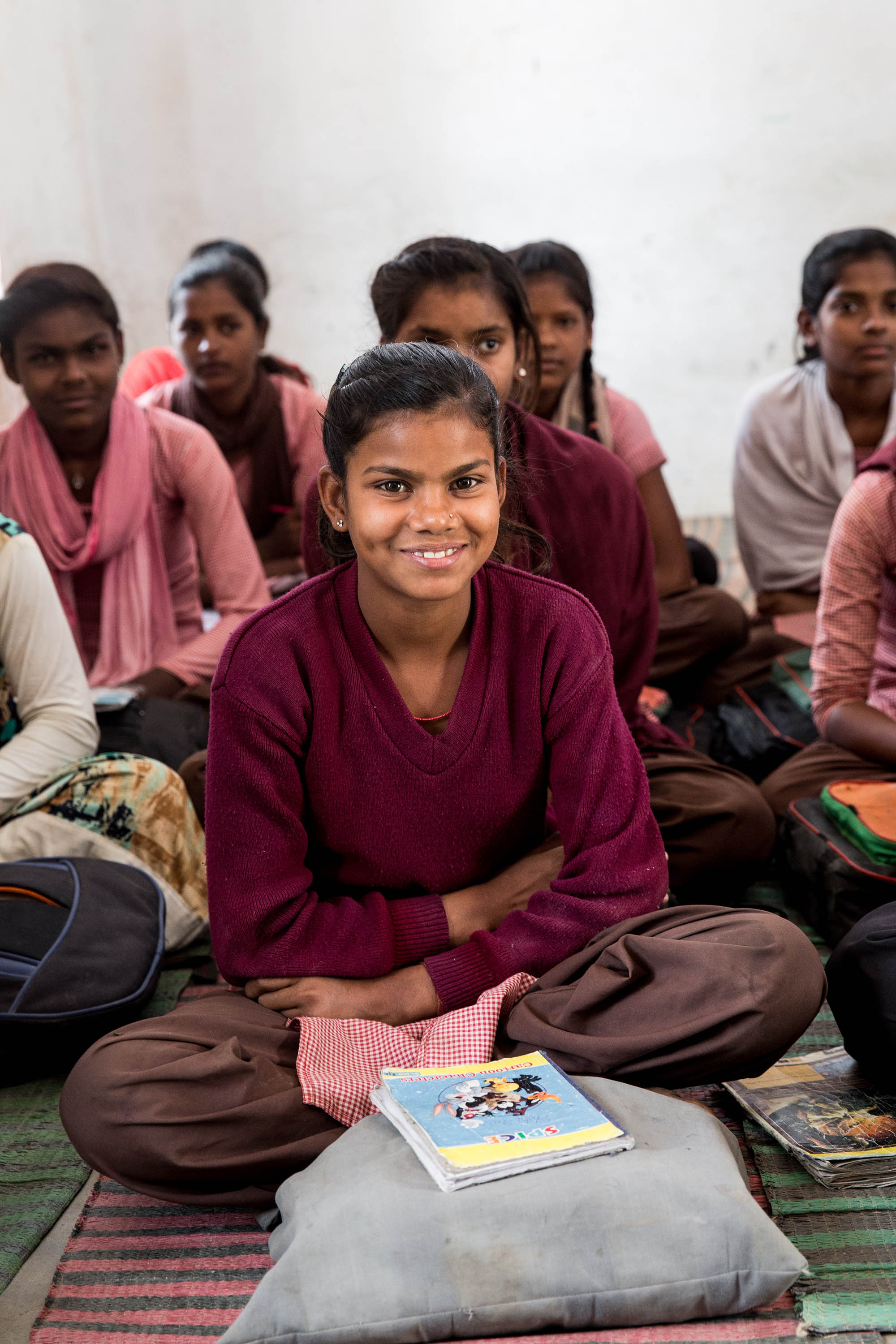
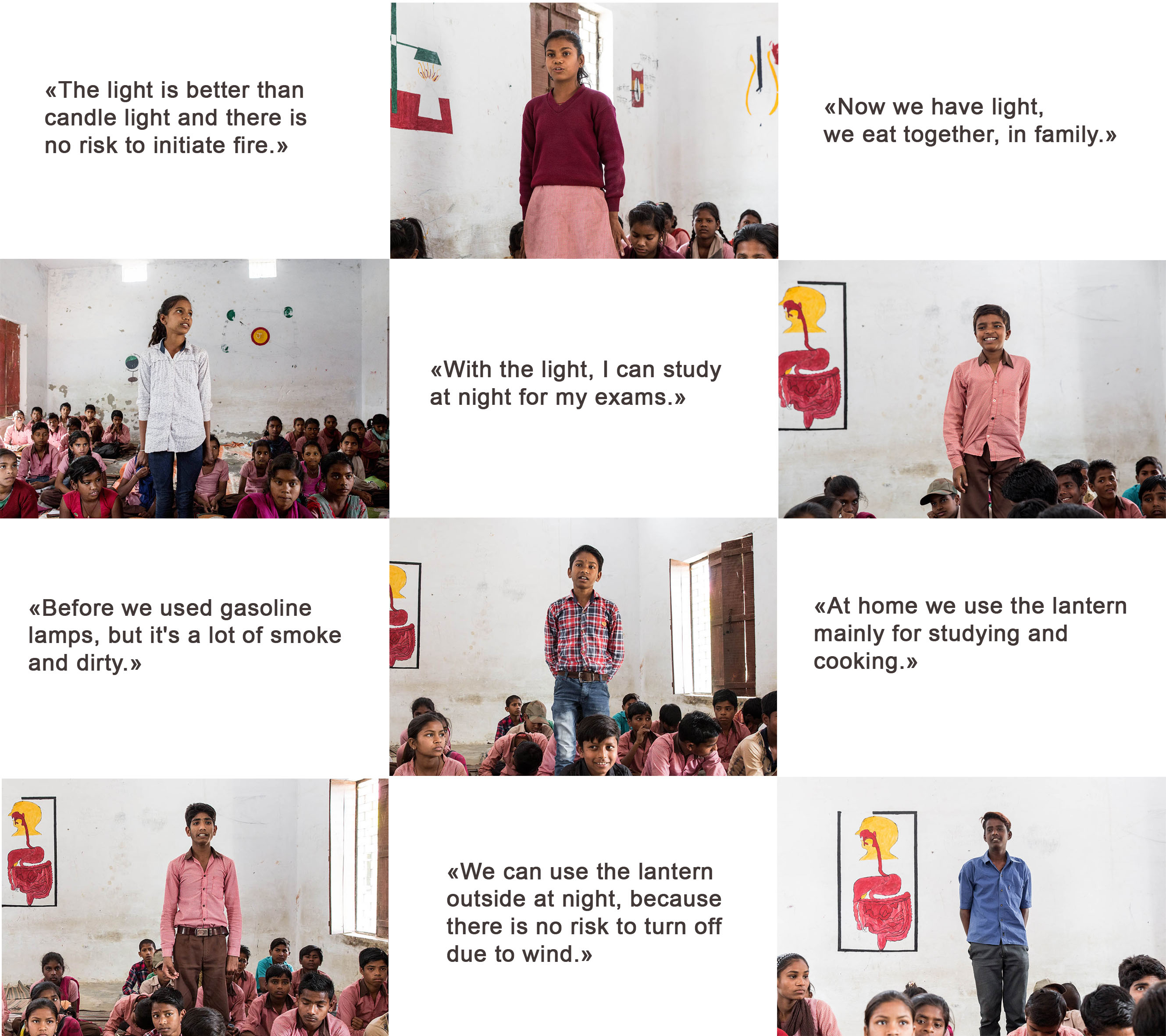
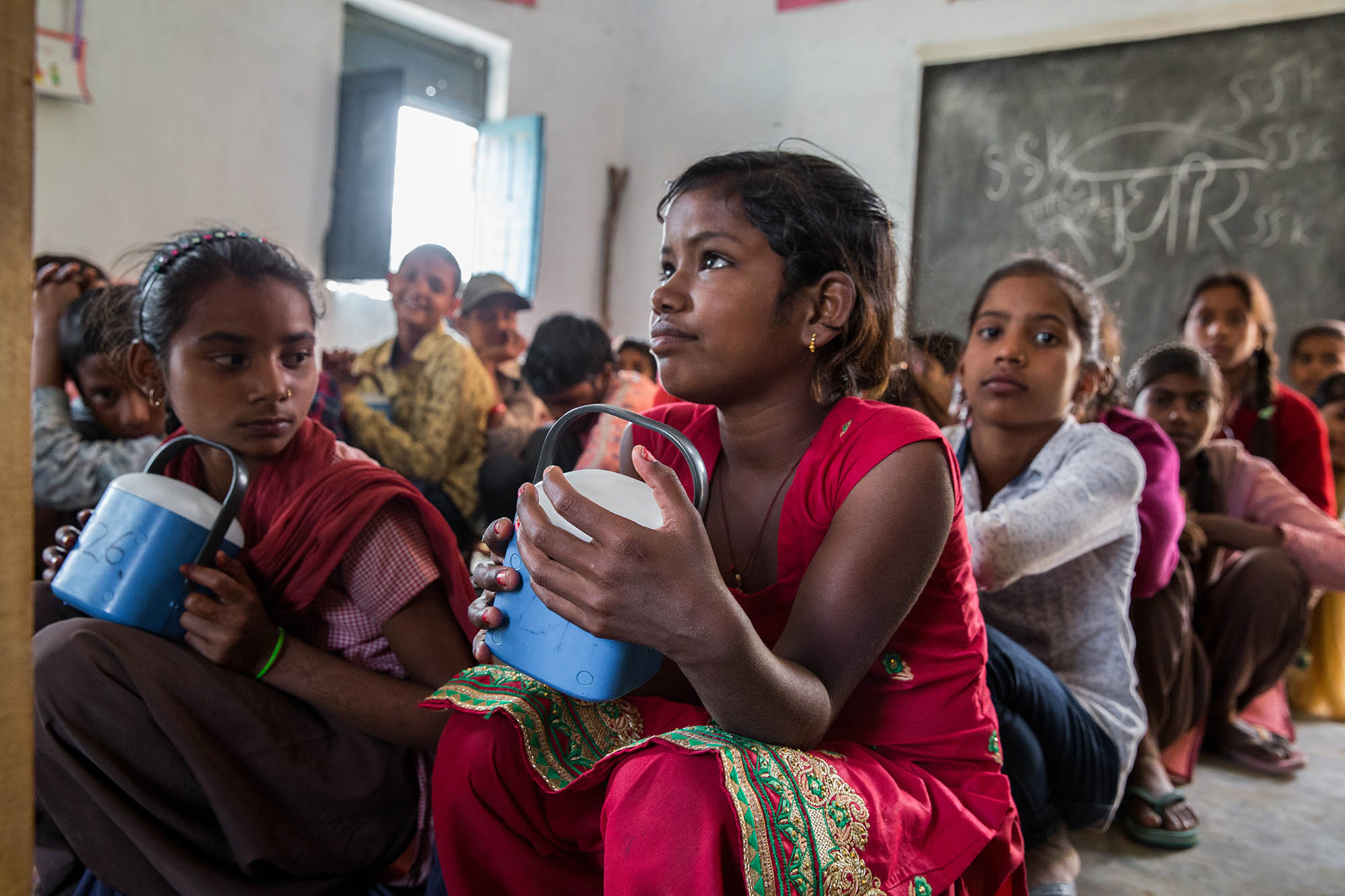
They all have already received the solar lanterns for one month and they were really happy, one by one they stood up to share their experiences:

You know what we say: the truth comes from children’s mouth. All those stories made us again realised how light can change life for those children and their families.

Several children told us their parents changed their minds about school and 5 of them have even bought a lantern.

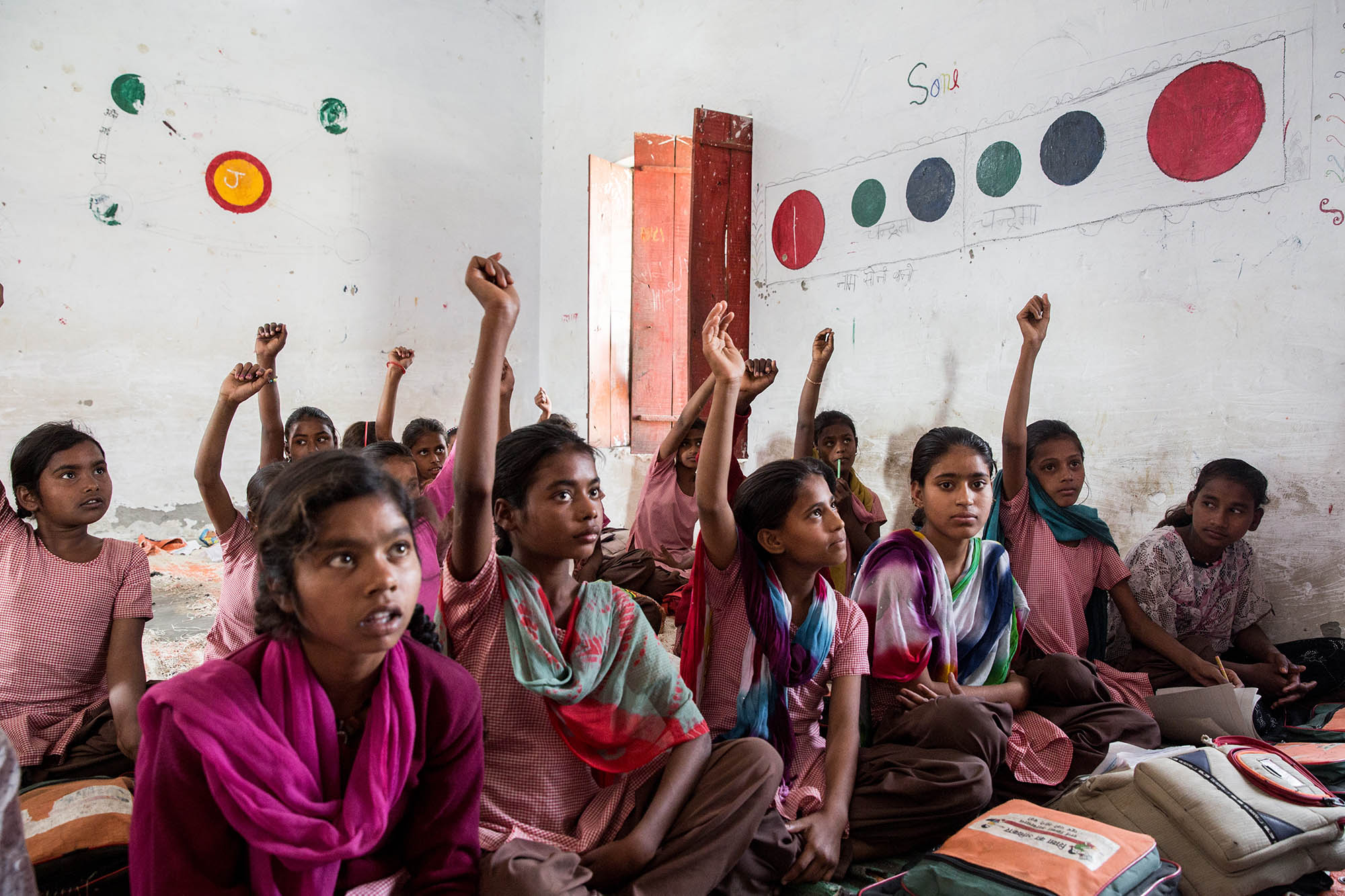
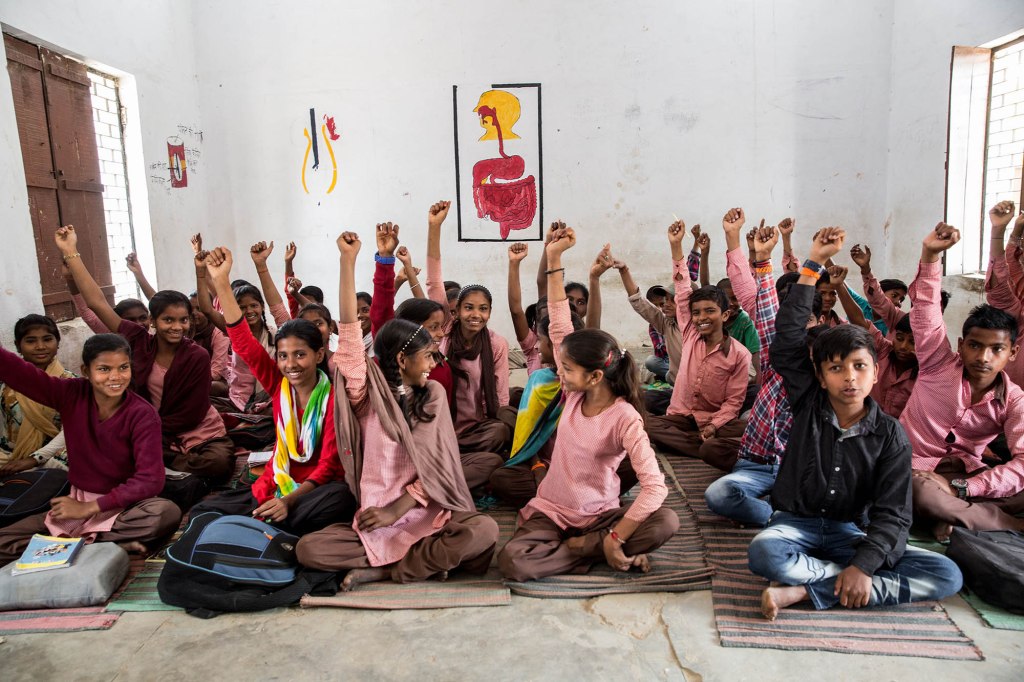
Finally we ask them who likes going to school? Guess what happened? They all raised their hands in less than a second!

The lighting library in action

4pm time for the delivery of the solar lamps to the 40 children. We assisted to the distribution done by Antima. Kids well aligned waiting to be called to sign the register and to grab one lantern.

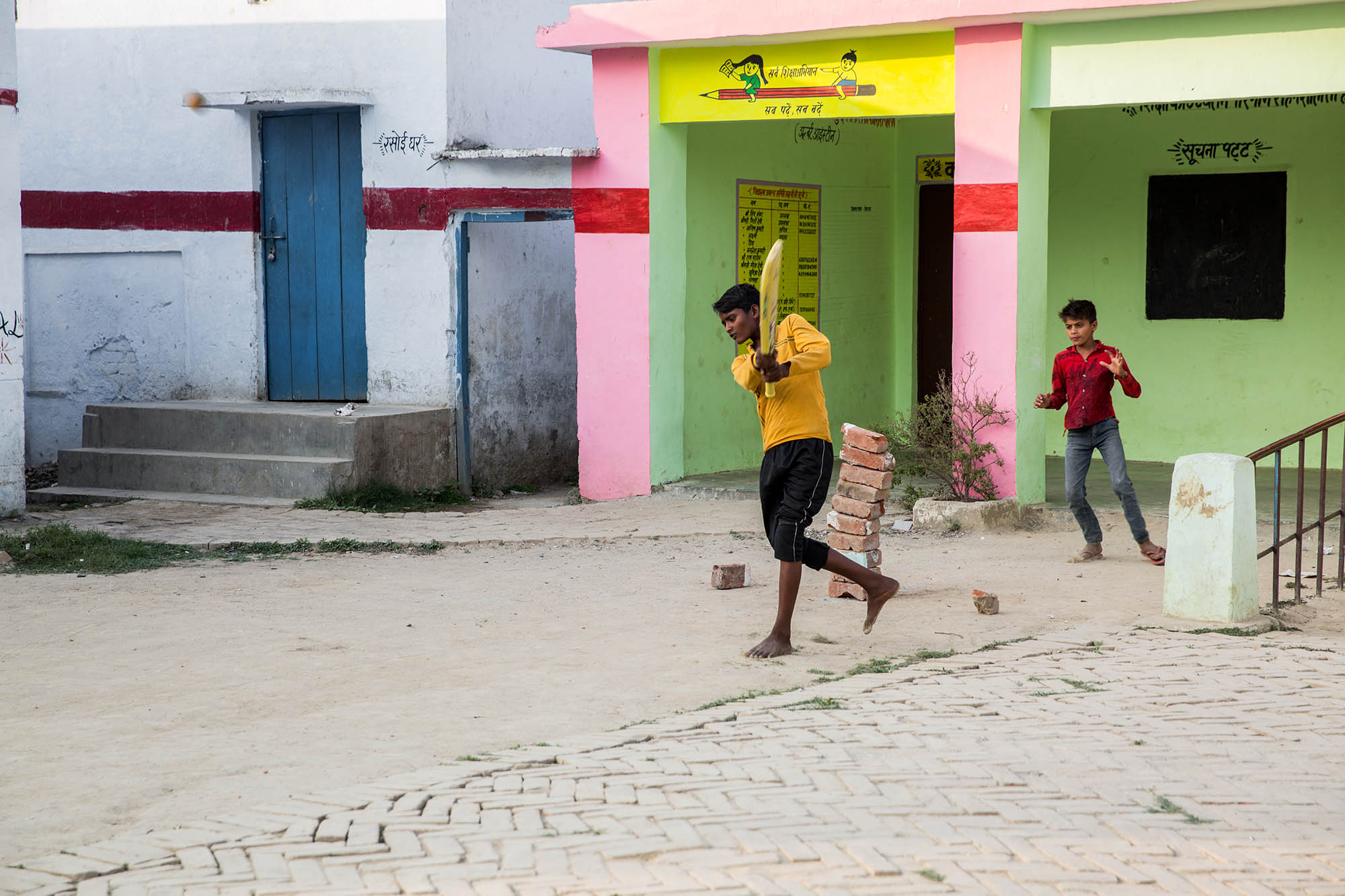
In less than 20min it was done and they all went home with the exception of couple of ones who stayed to play the national game in India : cricket!

Night tour in the village

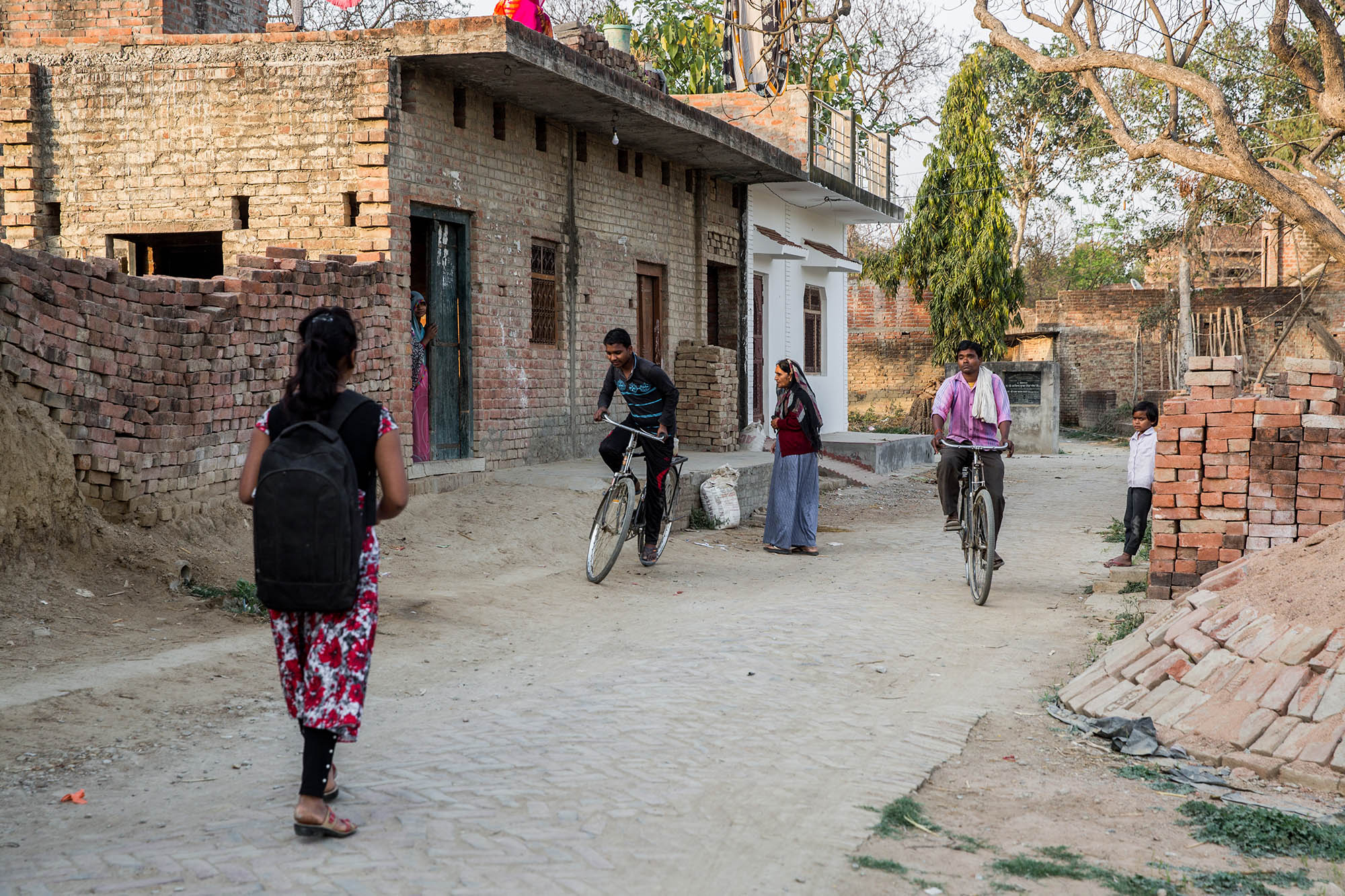
The sunset is coming and therefore we decided to stay longer in the village to visit families who have received the lanterns.

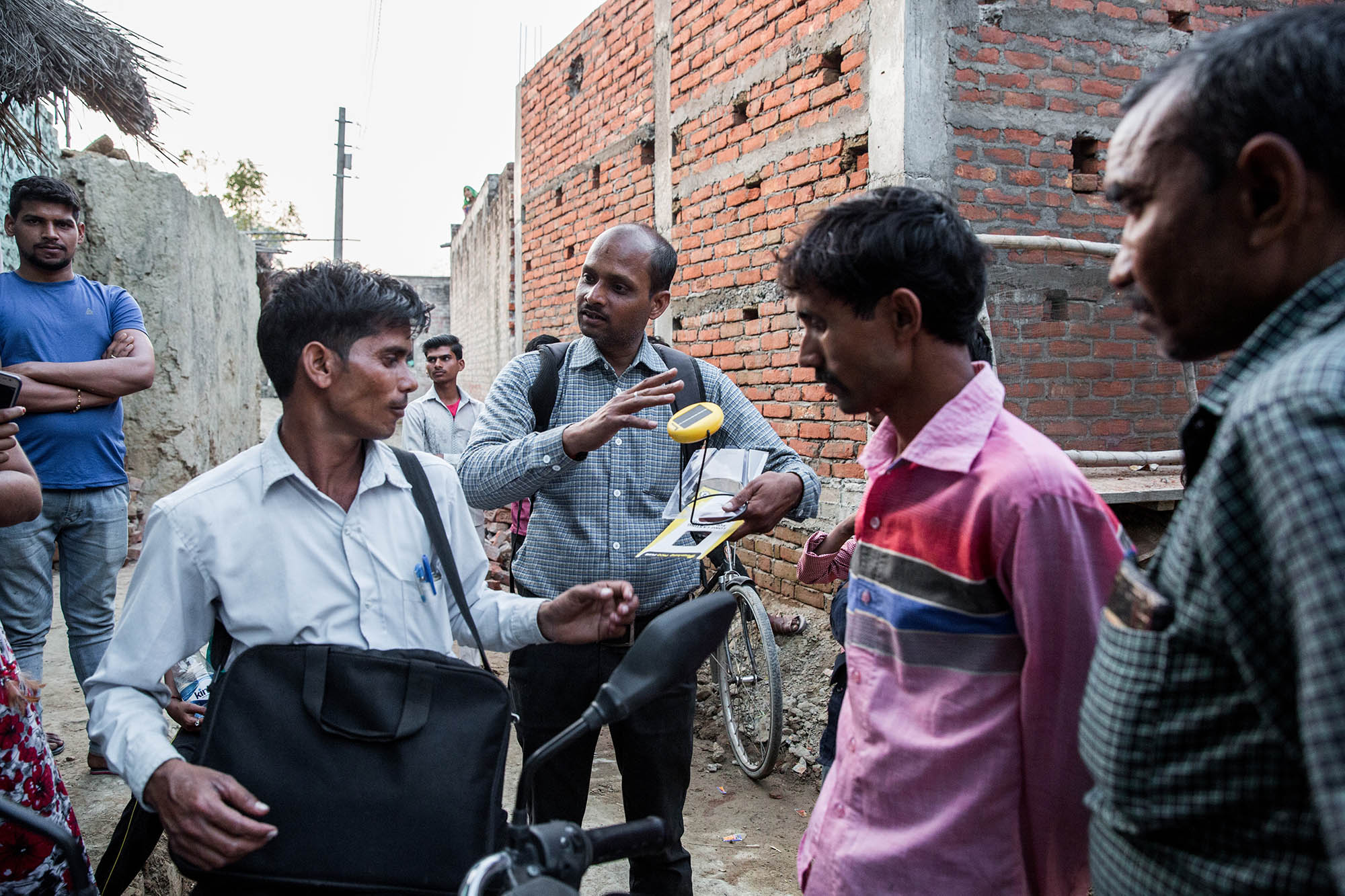
People started to notice that foreigners are in the streets and one guy asked to Antima what we are doing. She explained the project and share the product, within a minute 10 persons were surrounding us, some of them arguing the benefits of the products, some other saying their kids had it from school, … then Shivang stepped in and helped Antima in her sales pitch, it was really a nice moment for us, we couldn’t understand a word of the discussion but the visual was self explaining.
At the end the initial guy who questioned Antima convinced one of his friend to buy the lamp!
Shivang told us later that we might have influenced a bit because having foreigners visiting the village means the product must be very good quality.

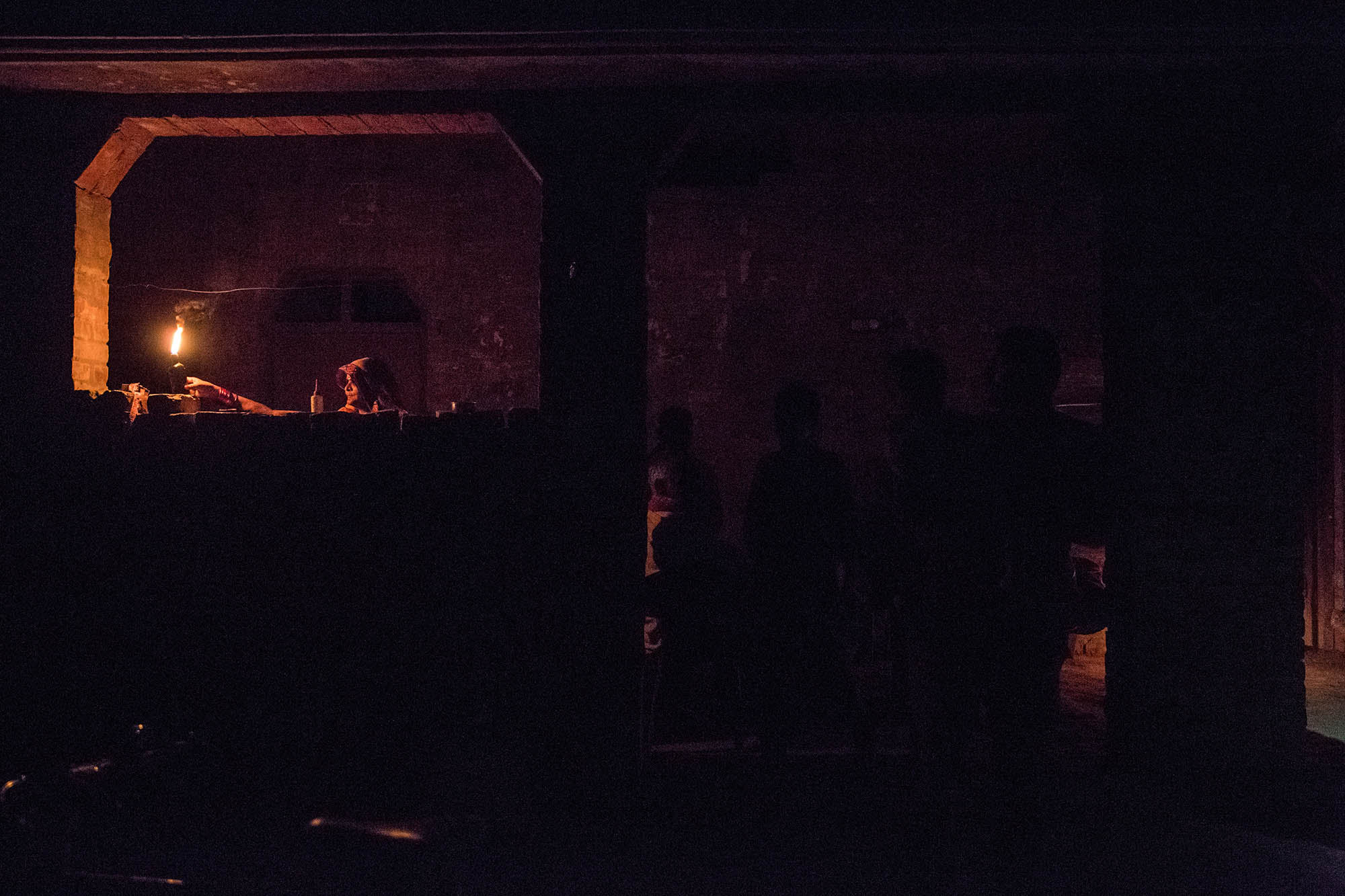
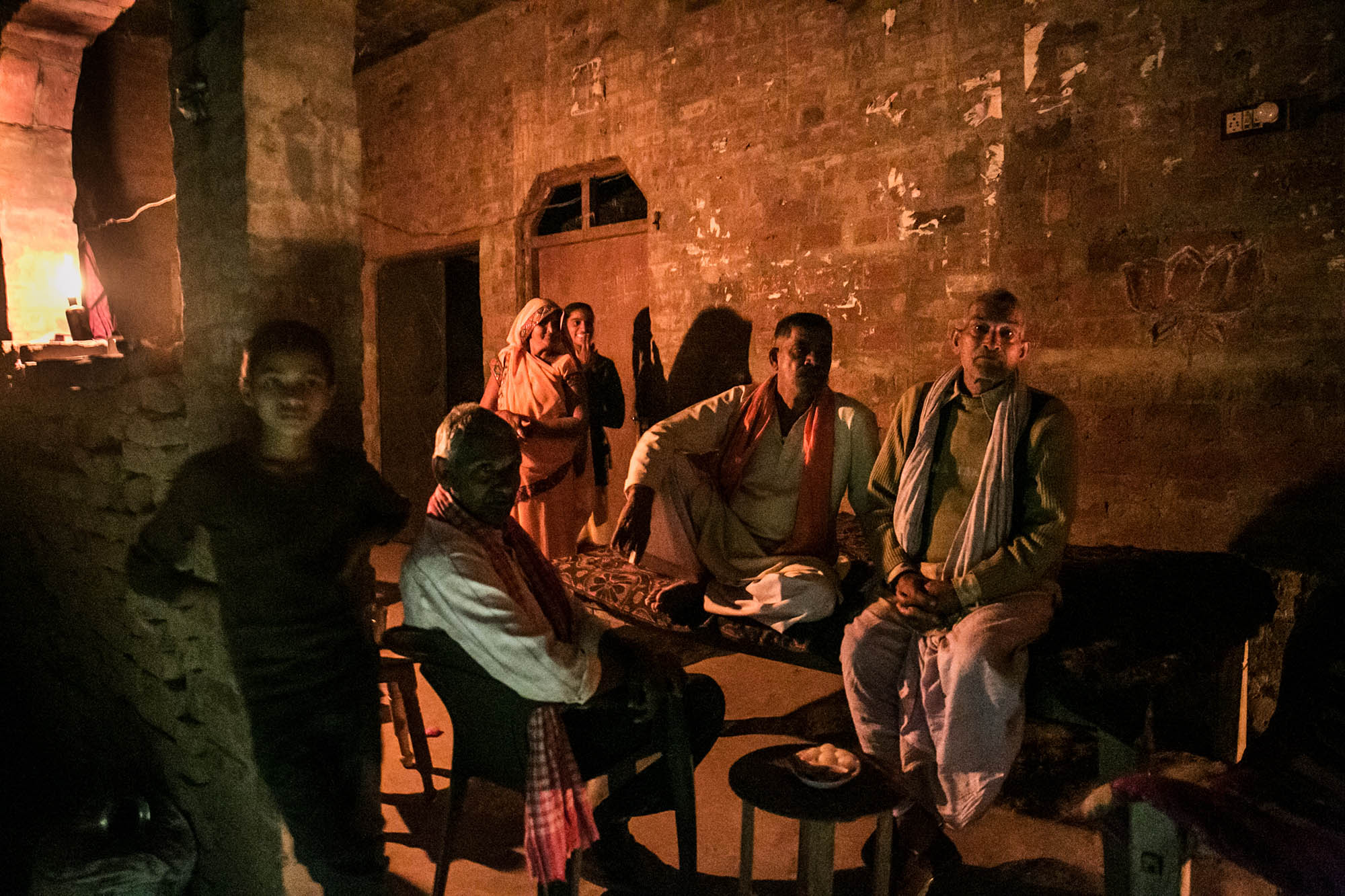
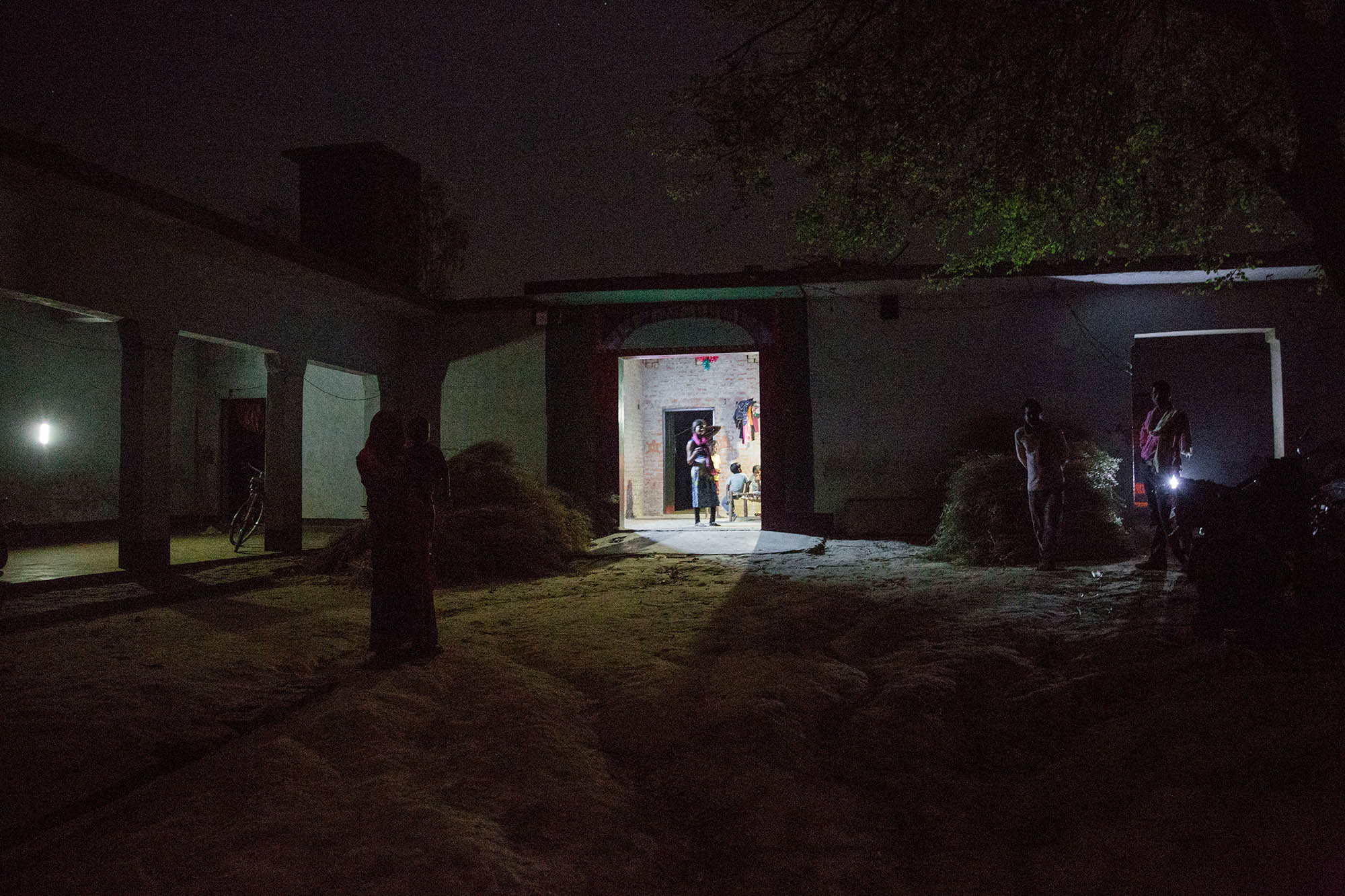
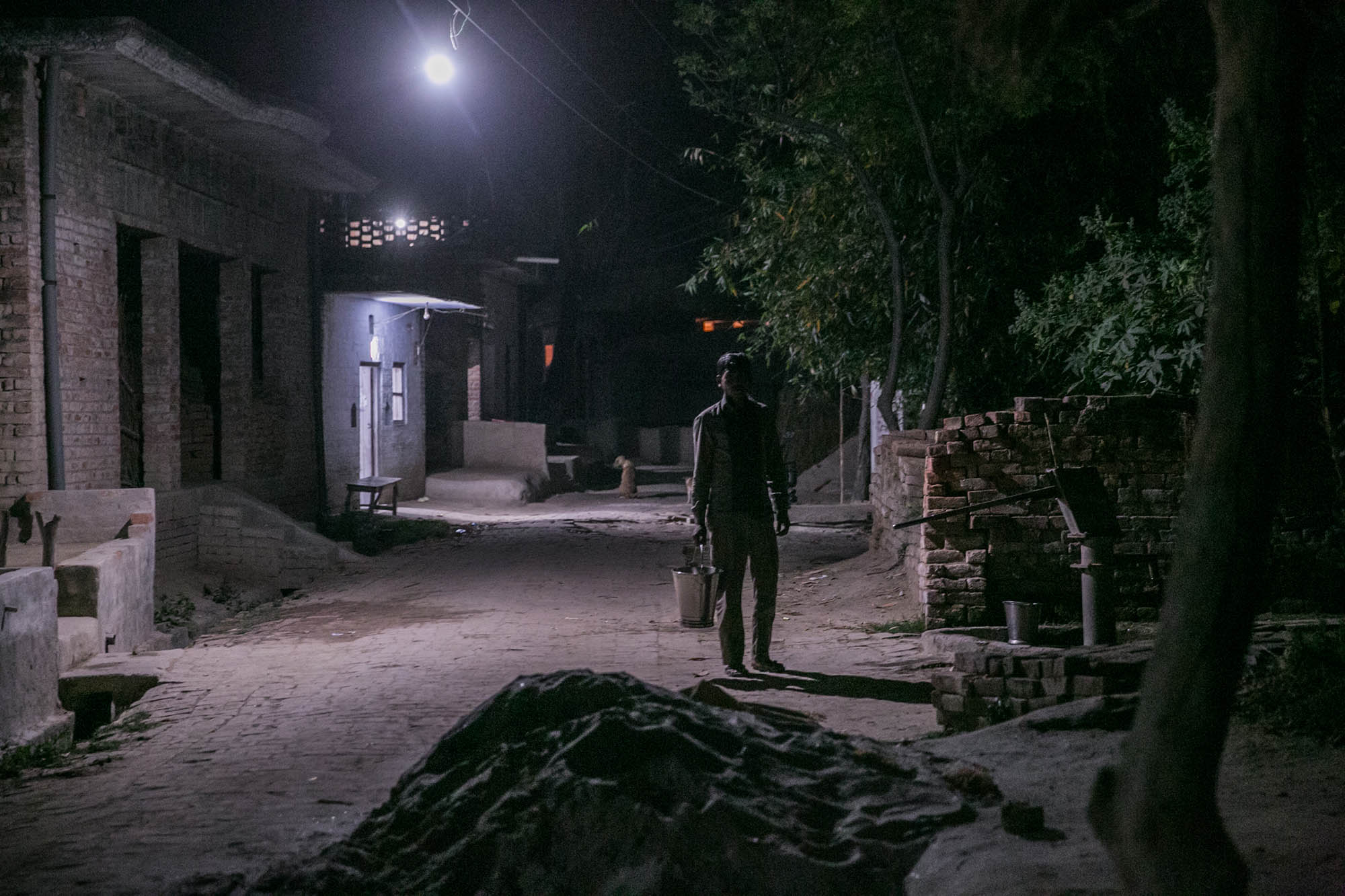
Around 6pm, the village was in the dark, no light at all except in 2 or 3 corners where solar street lights have been installed. So we walked in the dark looking for light points.

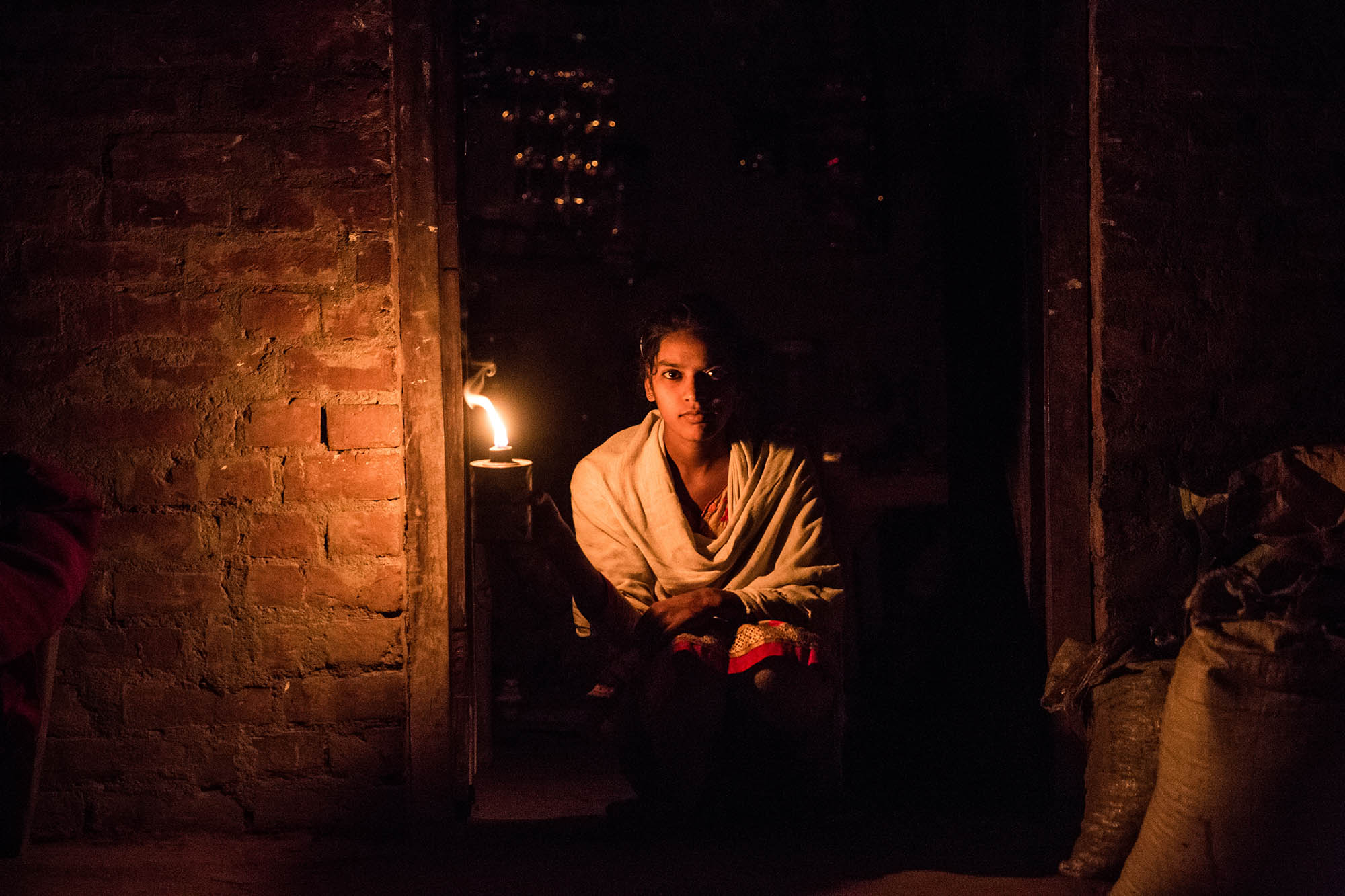
On our way we met a group of people who were discussing together using kerosene lamps, I can tell you that we stayed there for about 10min and I started to get nauseous with the smoke coming out of those lanterns. I remembered that kid who told us it’s “dirty”, indeed I couldn’t stay one night with such a lamp next to me and I don’t want to know the healthy impacts.

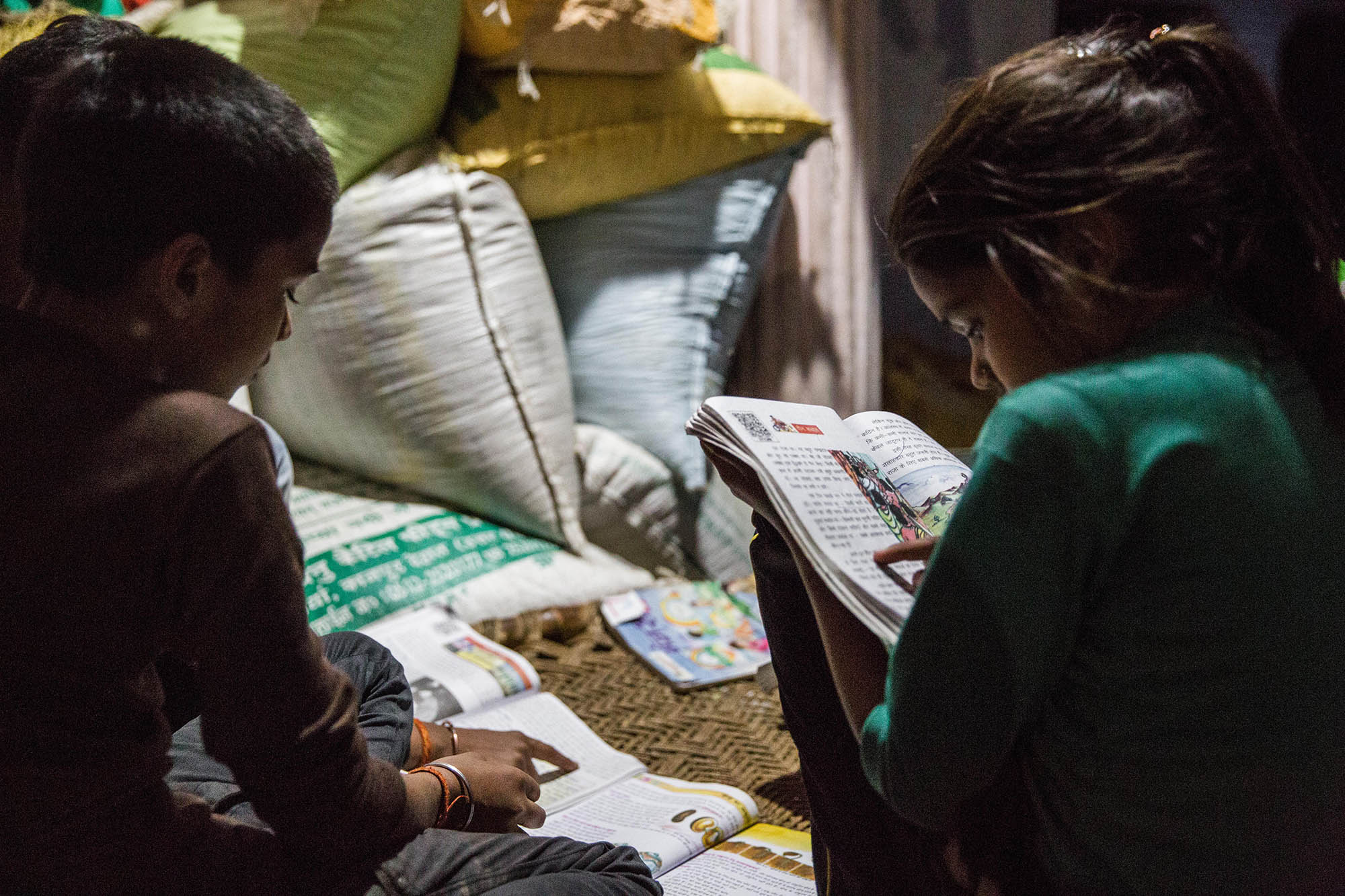
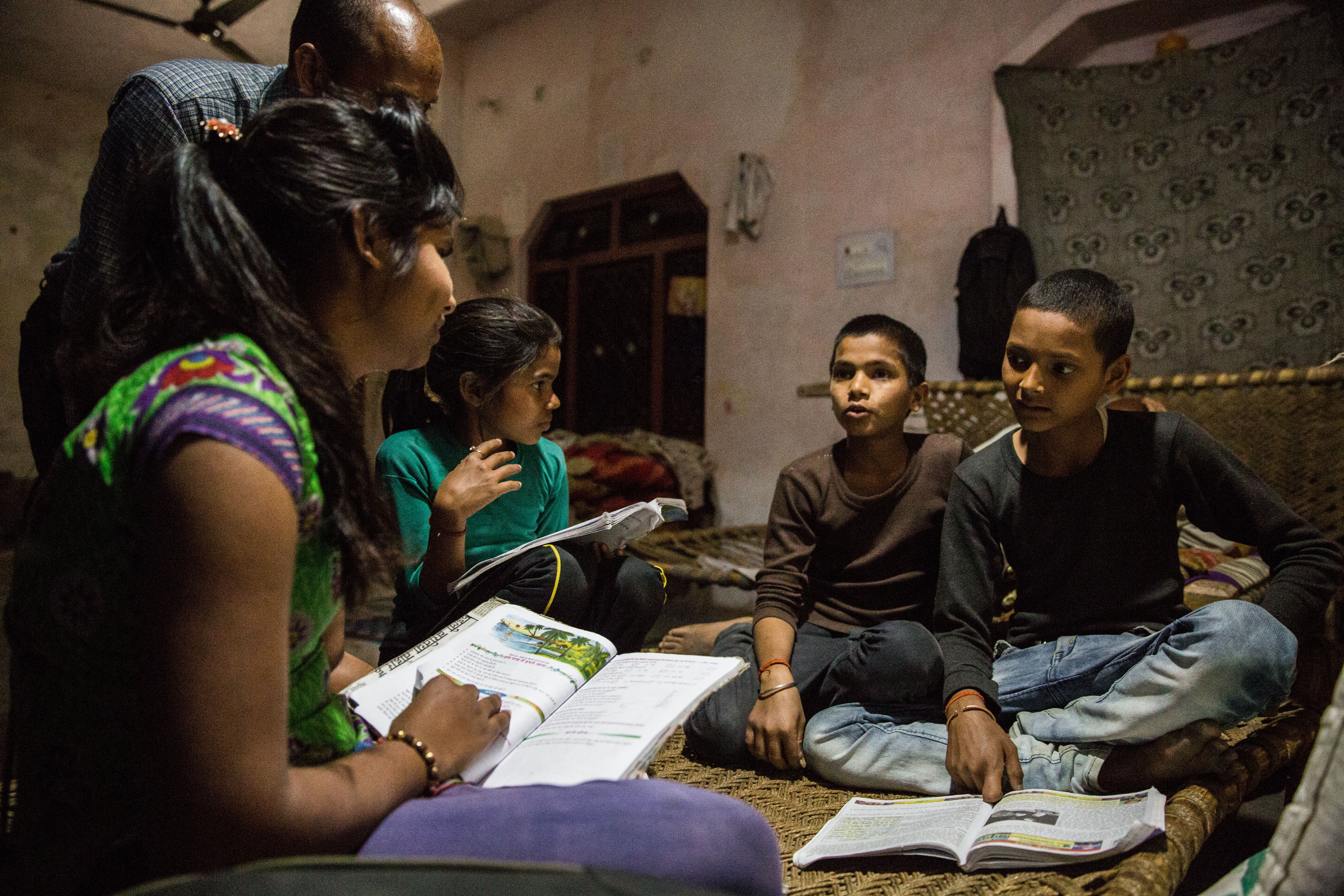
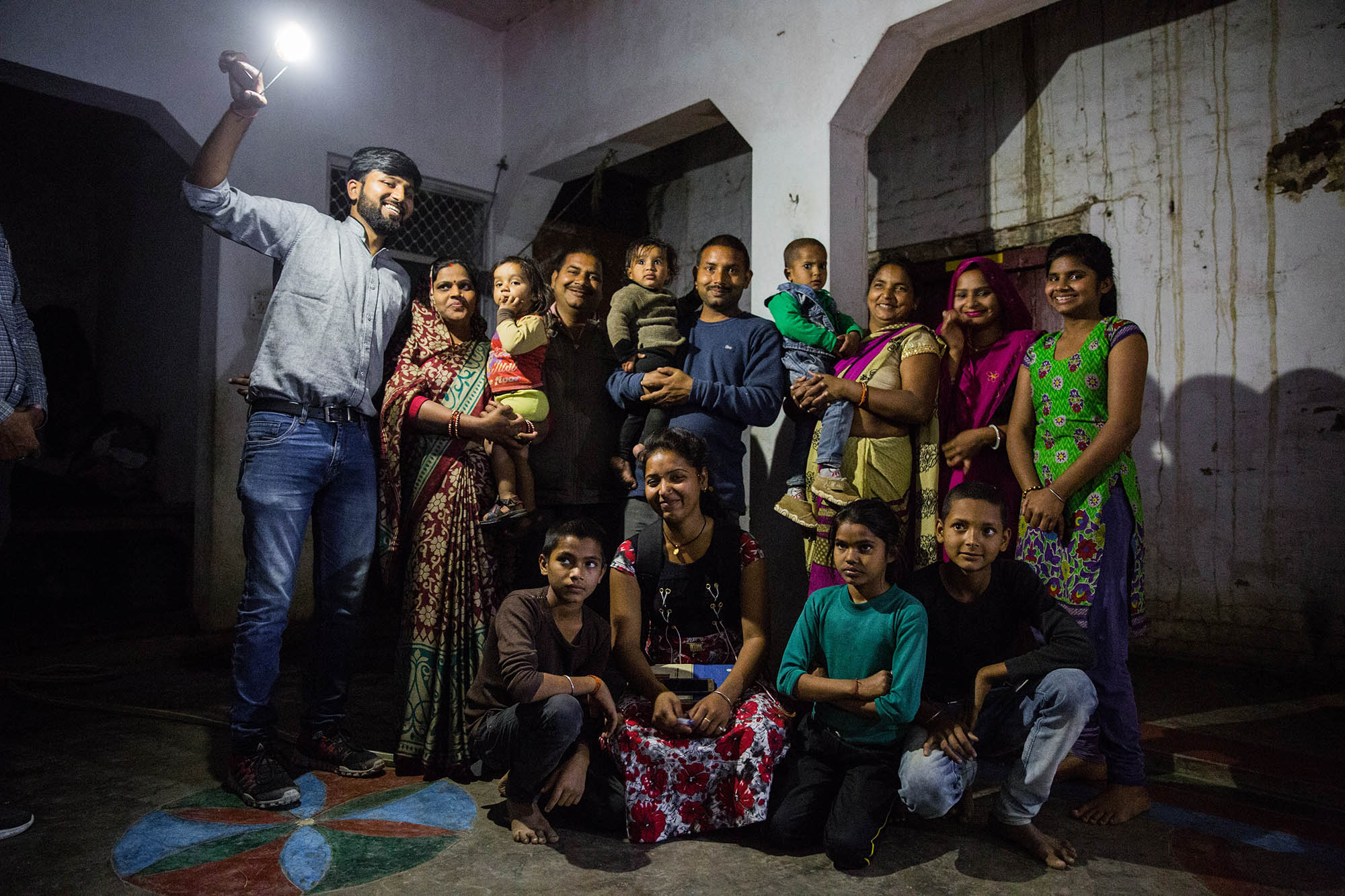
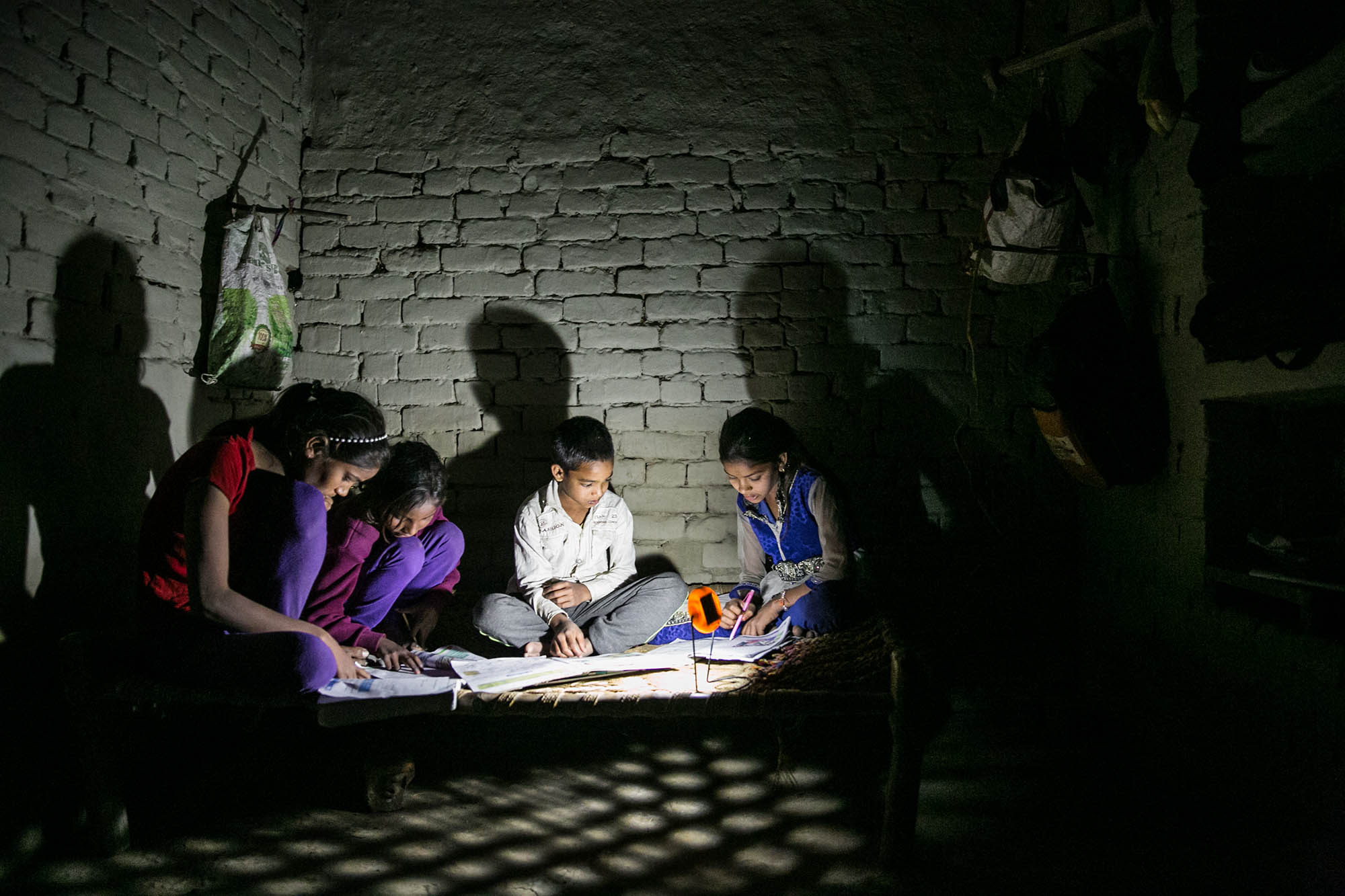
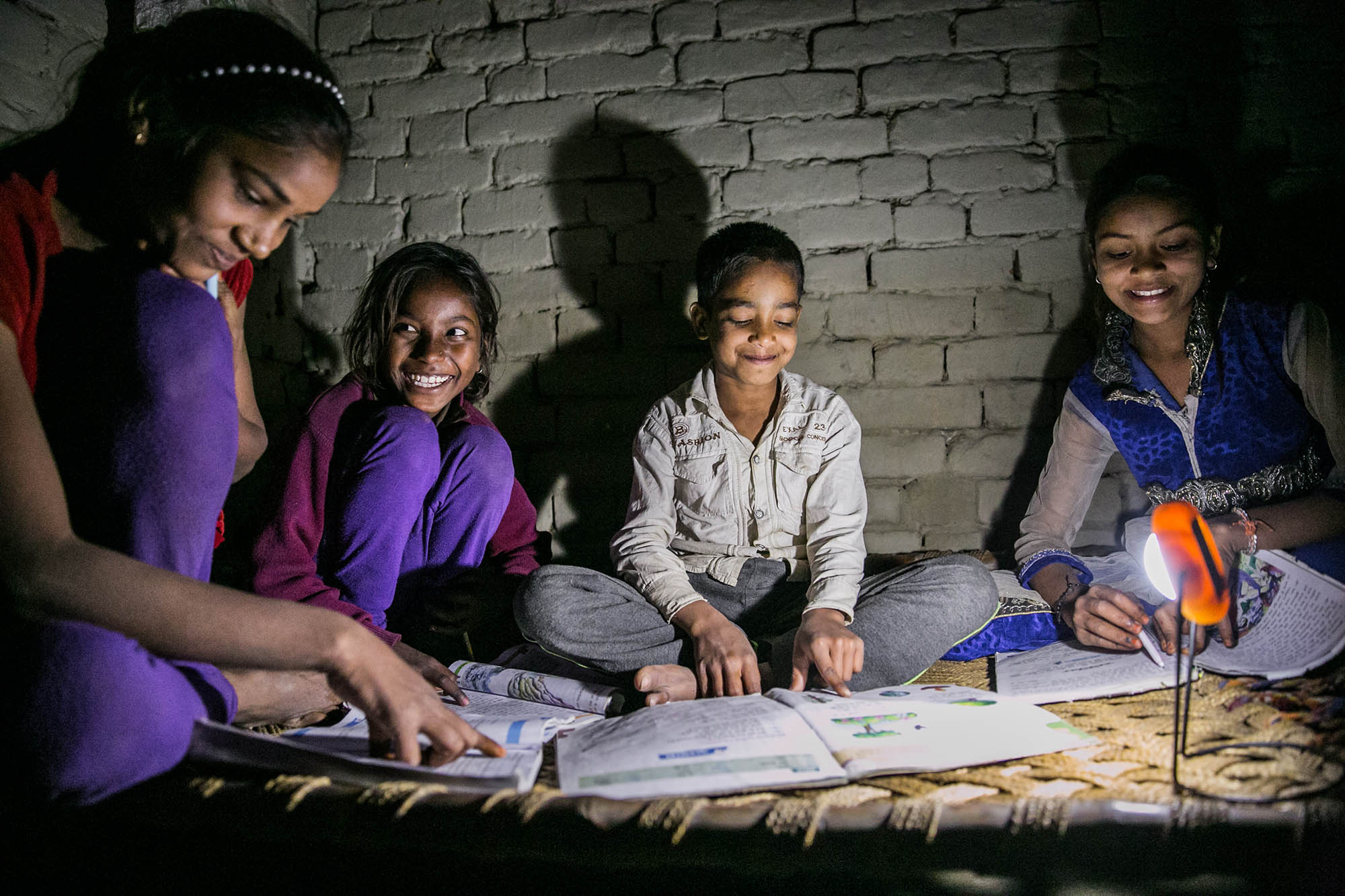
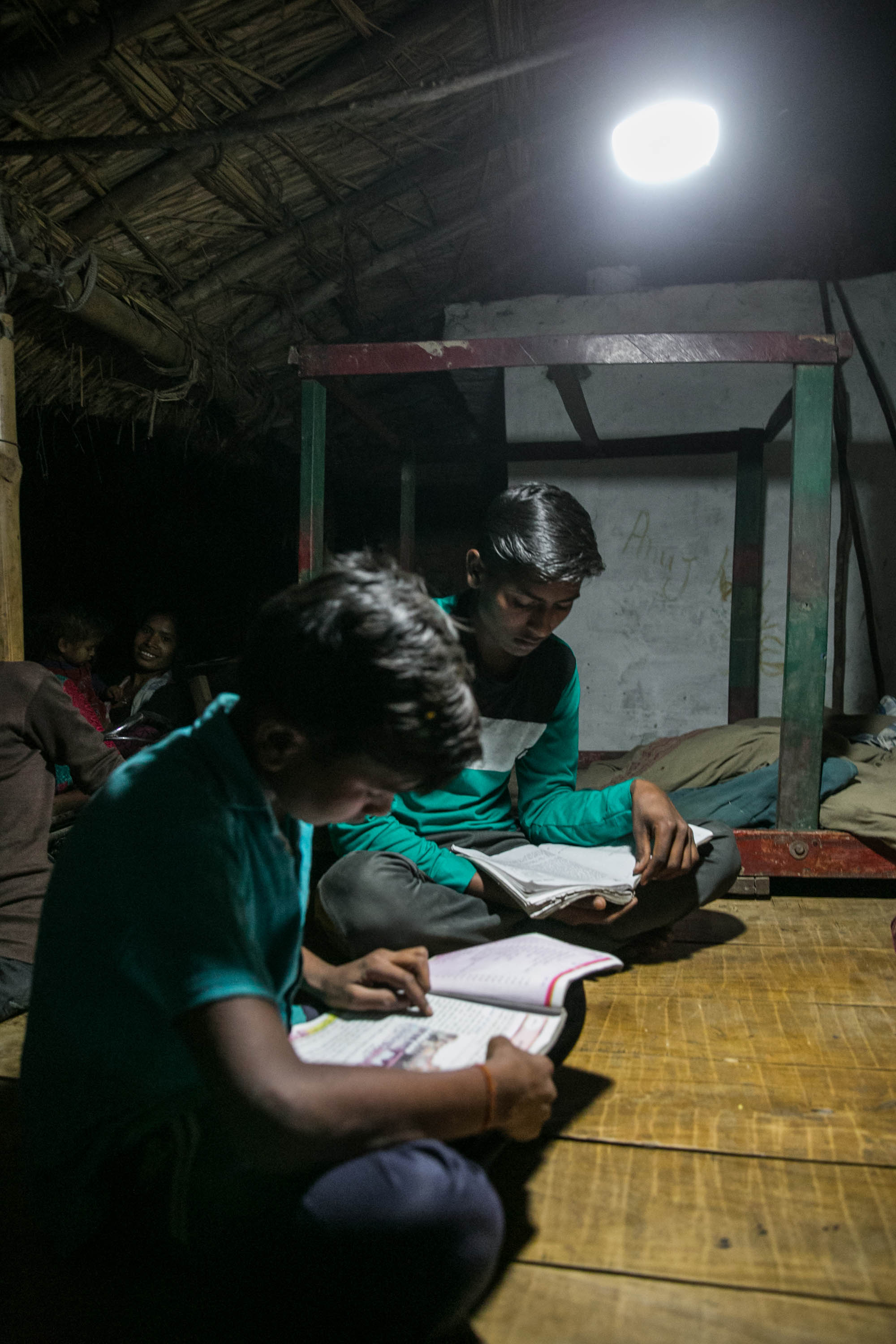
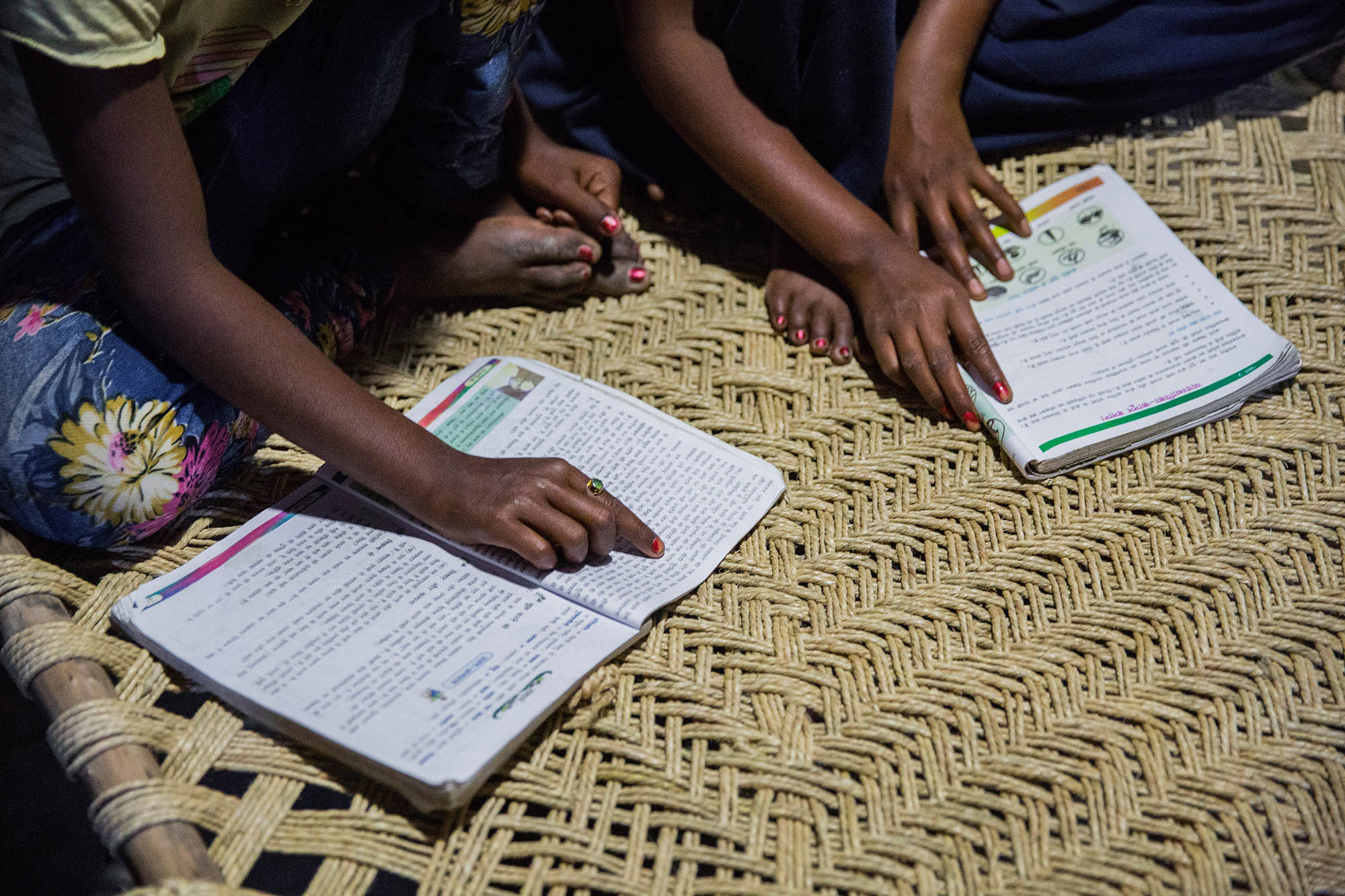
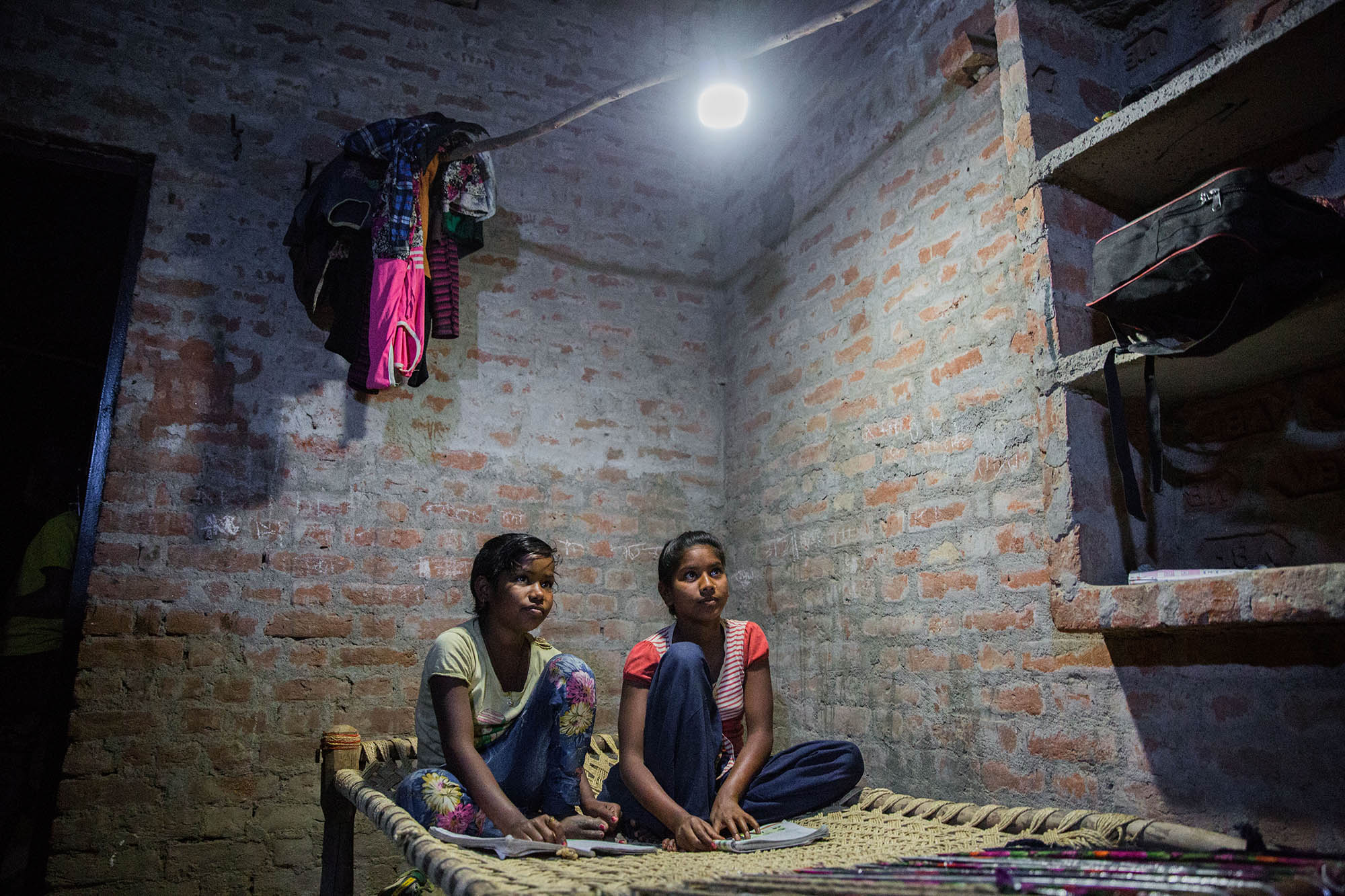
We then met 2 families where the kids were using the lamps for studying. All the kids from the house and even from the neighborhood were seated around the source of light reading out loud their books.

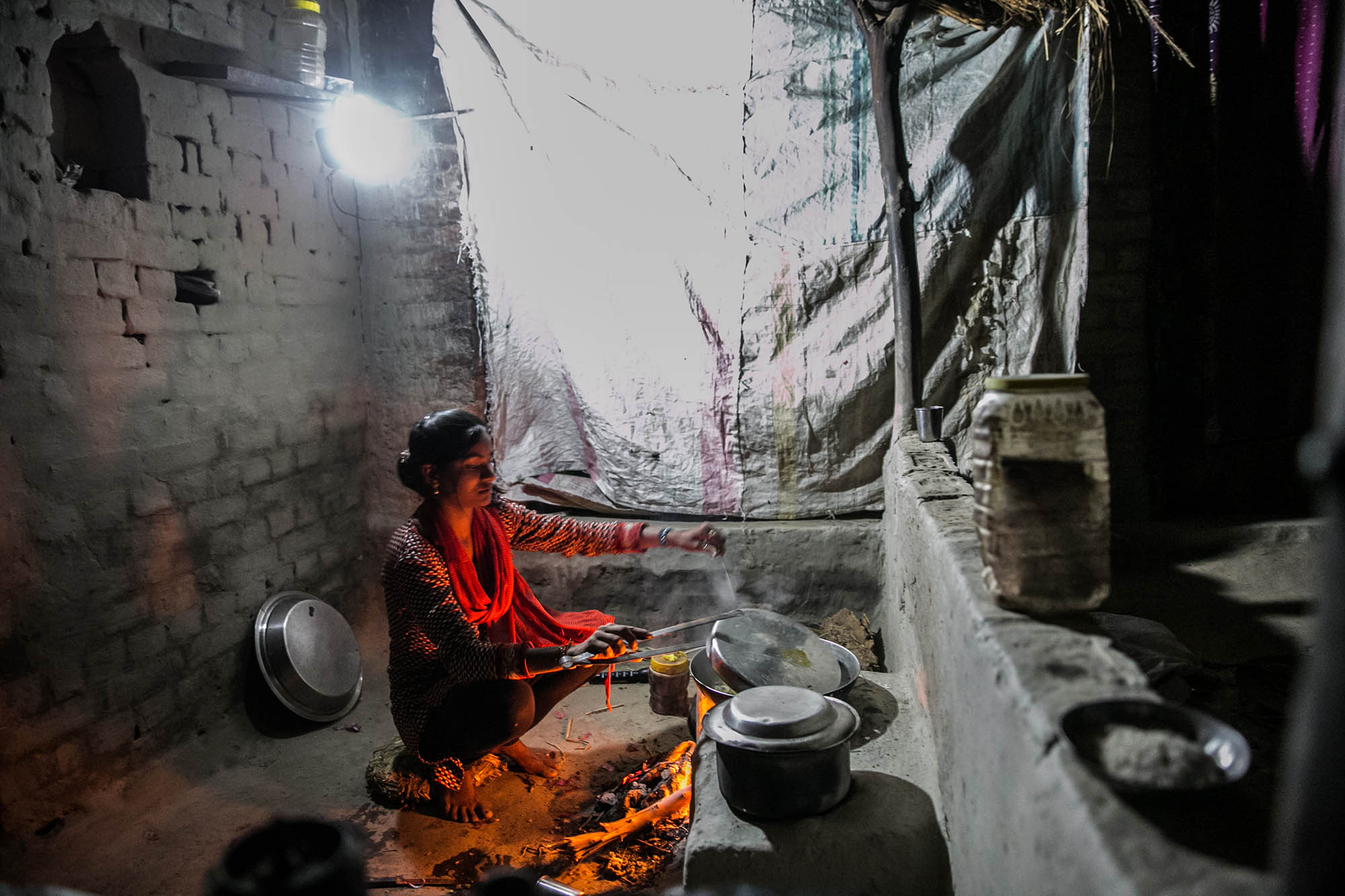
In some other houses we found the lamp used for cooking. Definitely light brings life in those houses and it was so fruitful to experience it with several families.

This mark really the end of the day, we still have 1h to get back to our guesthouse. This project shows again how small actions can bring hope to so many people. Here we have those children who can go to school, who can bring light at home and being encouraged by their parents, we have those families who understand how education of their children might pull up the whole family, we have those families who discover a reliable way to have light at home, we have Antima who is getting one step closer to her dream to become teacher but also empowered by the community and able to start a sustainable business.

We wish all the best to those persons and a big thank you and thumb up to Shivang with Dharma Life, they’re doing an amazing job!

The International Women Day at Barefoot College

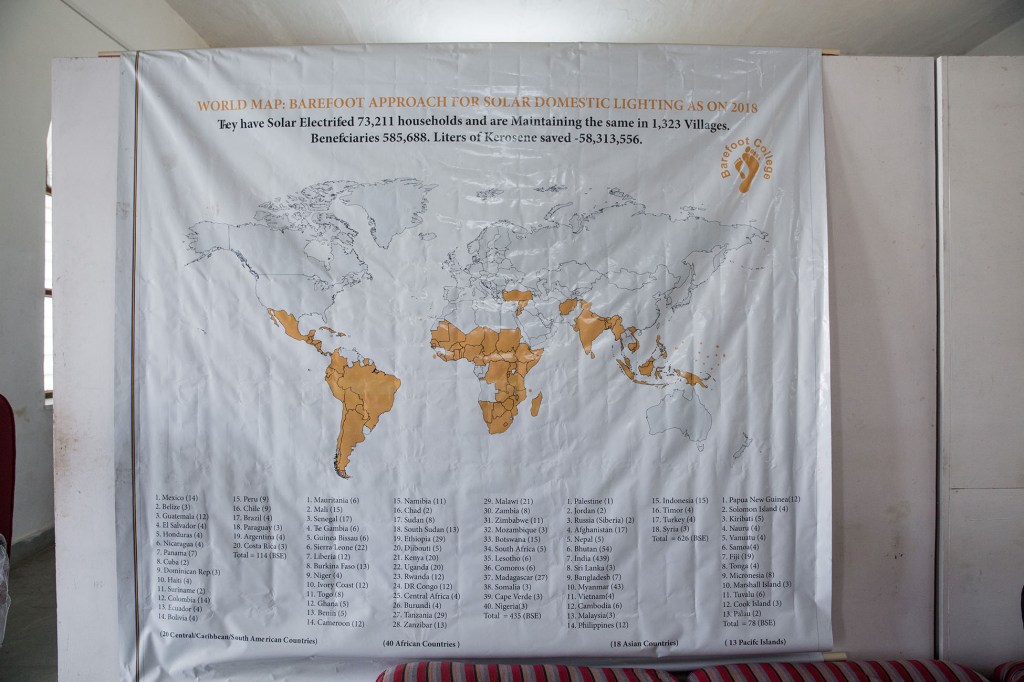
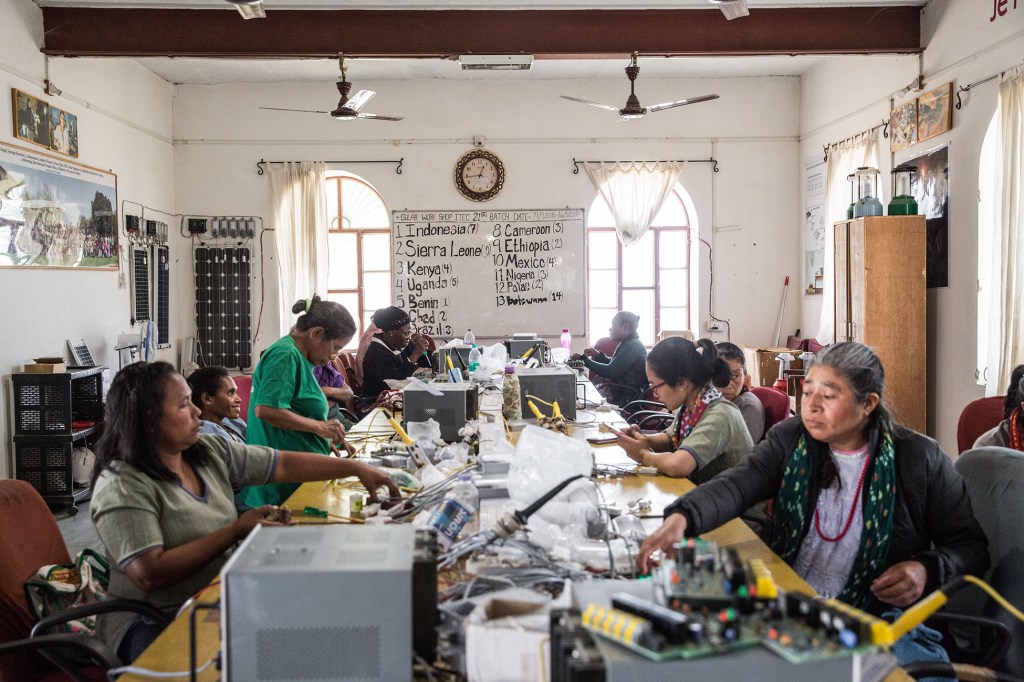
Do you know there is a small village in the middle of Rajasthan where you can meet women from Latin America, Africa, Asia, … all in the same college?

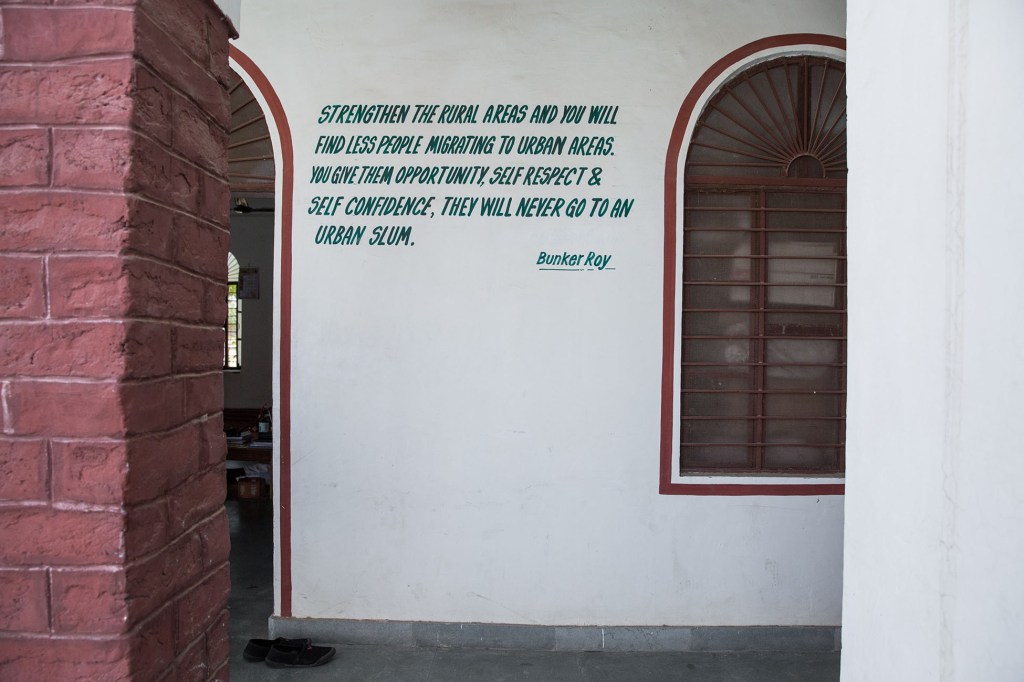
This has been made possible by Barefoot College in Tilonia! If you don’t know about Barefoot College I invite you to look at their website and even to watch one TED talk of their founder Bunker Roy.

The Solar Mama : a woman to change life in a village

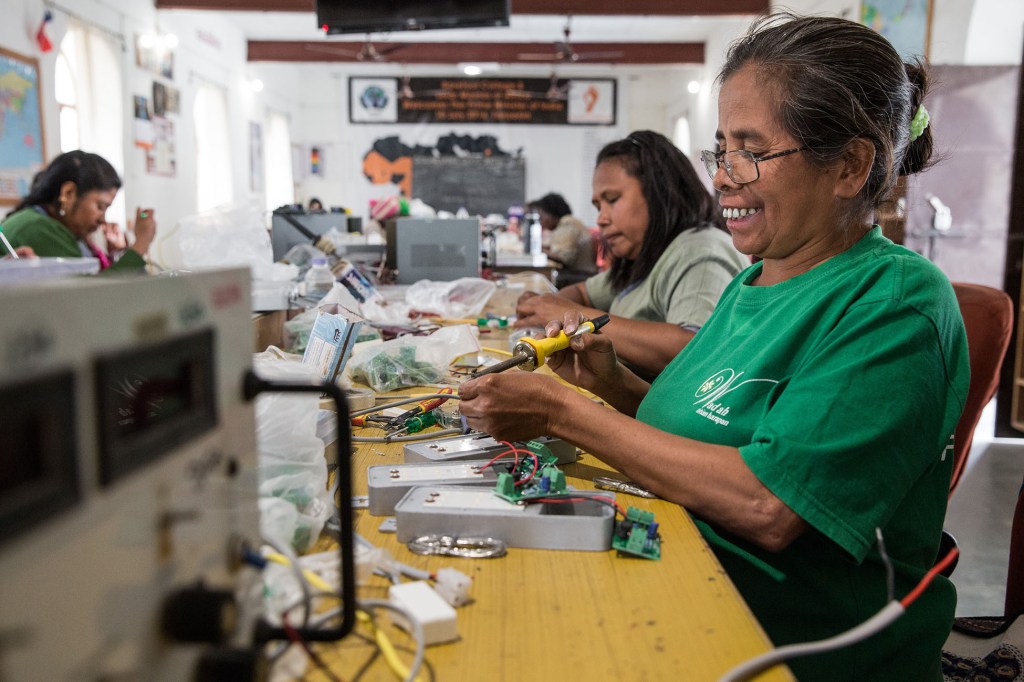
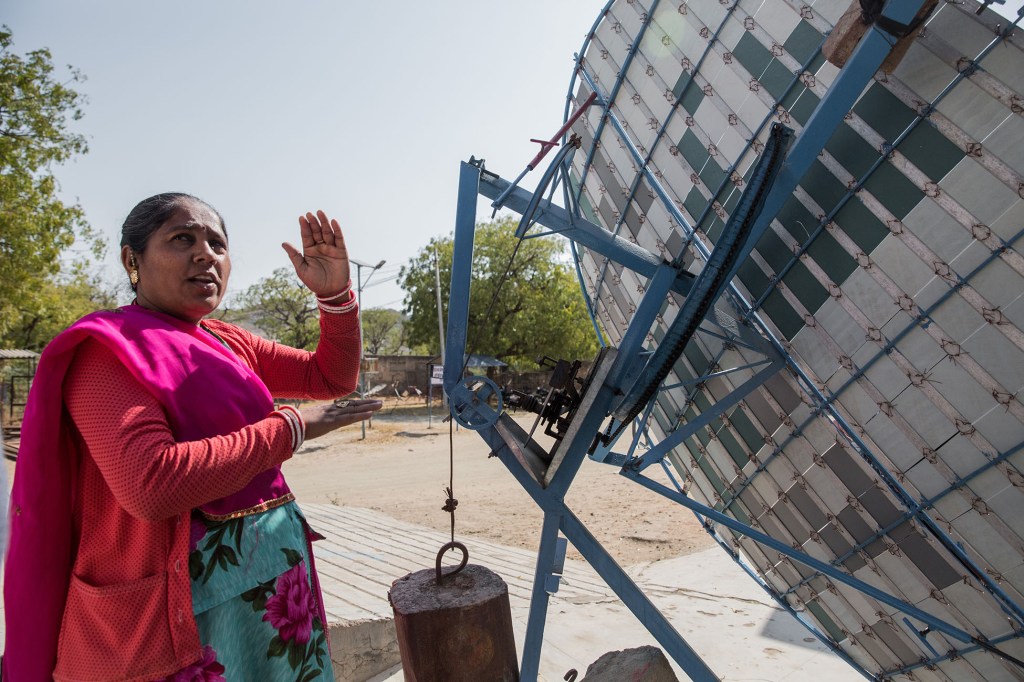
One mission of the Barefoot College is to empower women by becoming Solar Mama, that’s to say Solar engineer in their village where access to electricity is a real issue. The Solar Mamas are for most illiterate, in their mid or old ages but have a strong eager to succeed and often have been chosen by their community to join this program.

If there is one thing we can be sure about is how brave they are. Think about it, they spent their entire life in the same small village in off grid location of Brazil, Cameroun or Indonesia and they’ll leave this village, take for the first time a plane and leave behind their family for 6 months! I think most of us couldn’t do it.

March 8th: the Women Day

We spent 2 days at Barefoot College and what a coincidence March 8th was the women day. Could we have a better day to visit Tilonia? I don’t think so 🙂

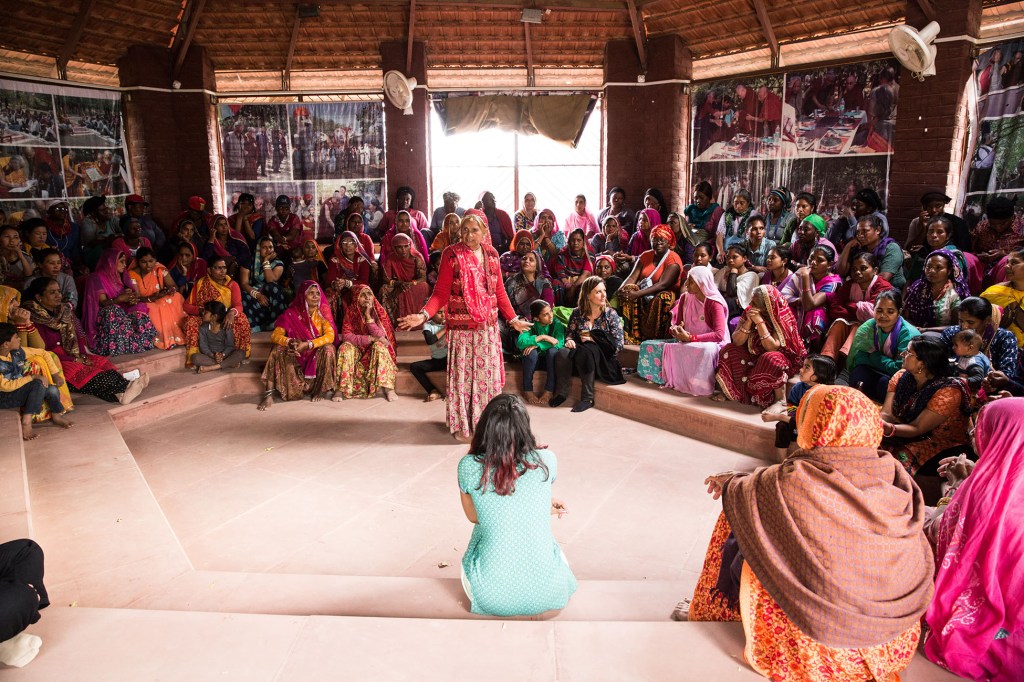
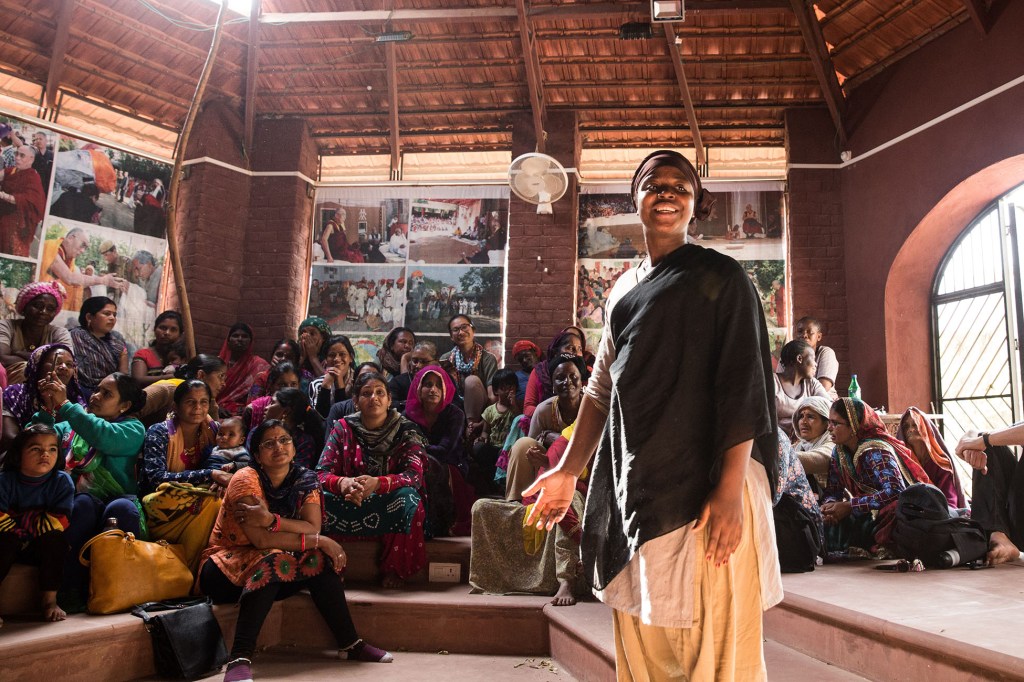
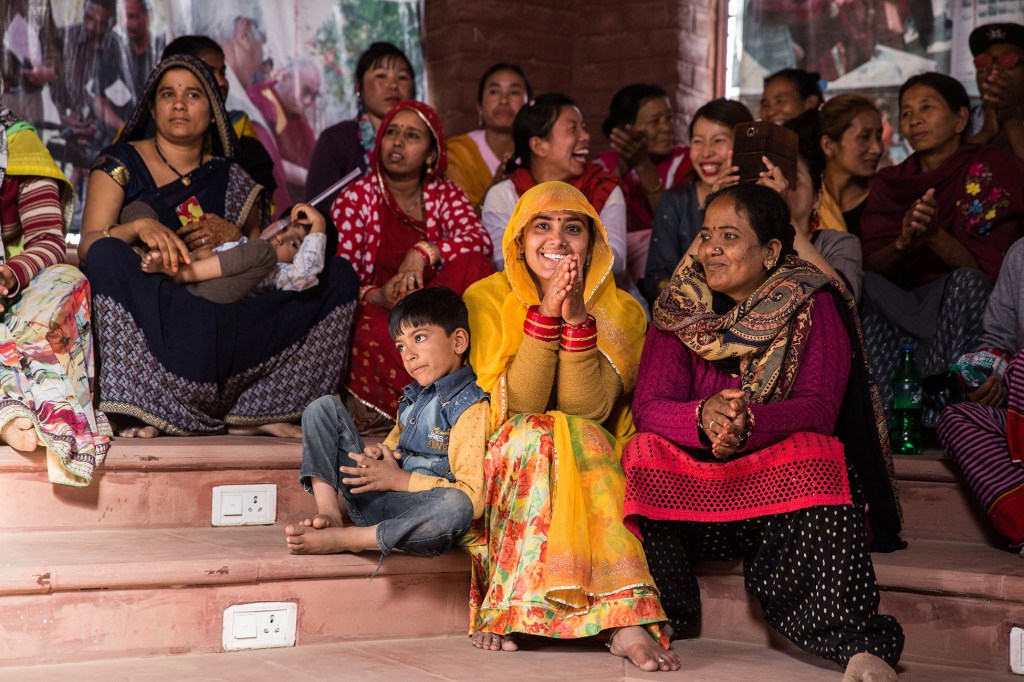
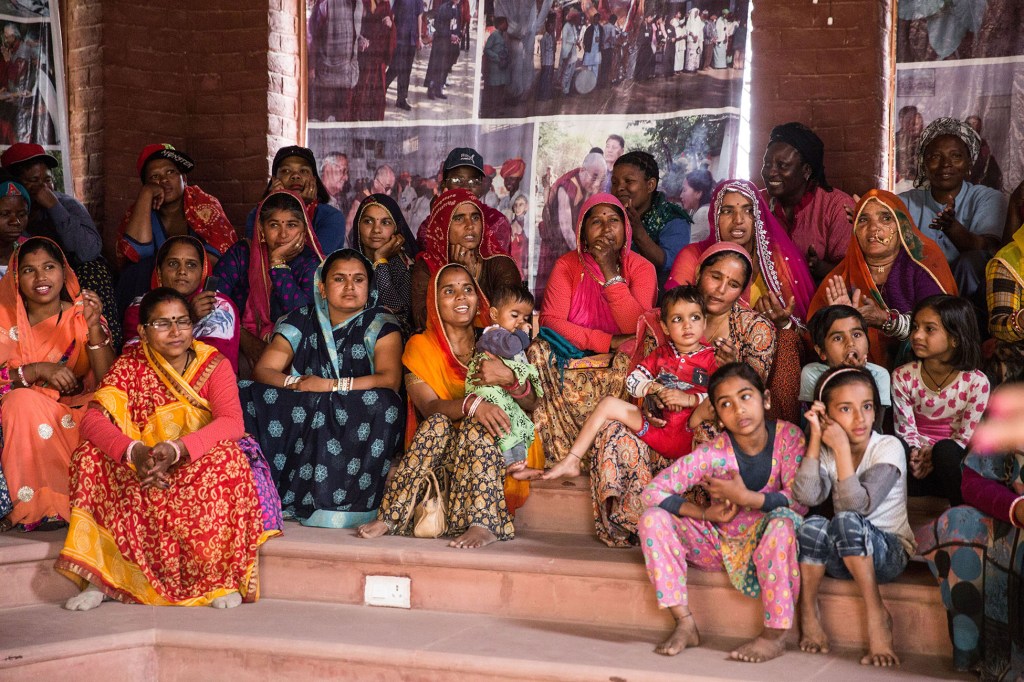
We witnessed something unique, I couldn’t count but roughly 100 women from all around the world were together singing, dancing and sharing their stories to the rest of the group. At one point I realized I was the only man in the audience but it wasn’t a problem at all.

Pictures and videos below are worth 1000 words but for sure we’ll remember that day for ever.

Moreover, later on I received a WhatsApp from my sister announcing she gave birth to a beautiful Maëlyne !!!
I was so frustrated that I cannot be close to my little sister for that special day but also so happy: I’m uncle and godfather for the first time!

Visit of the campus

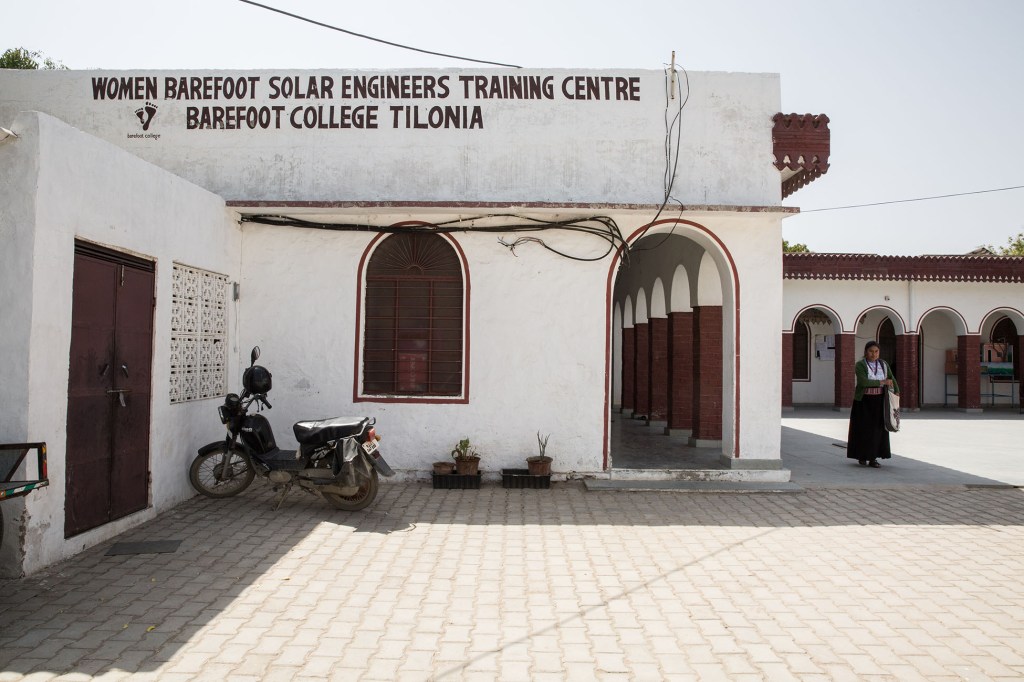
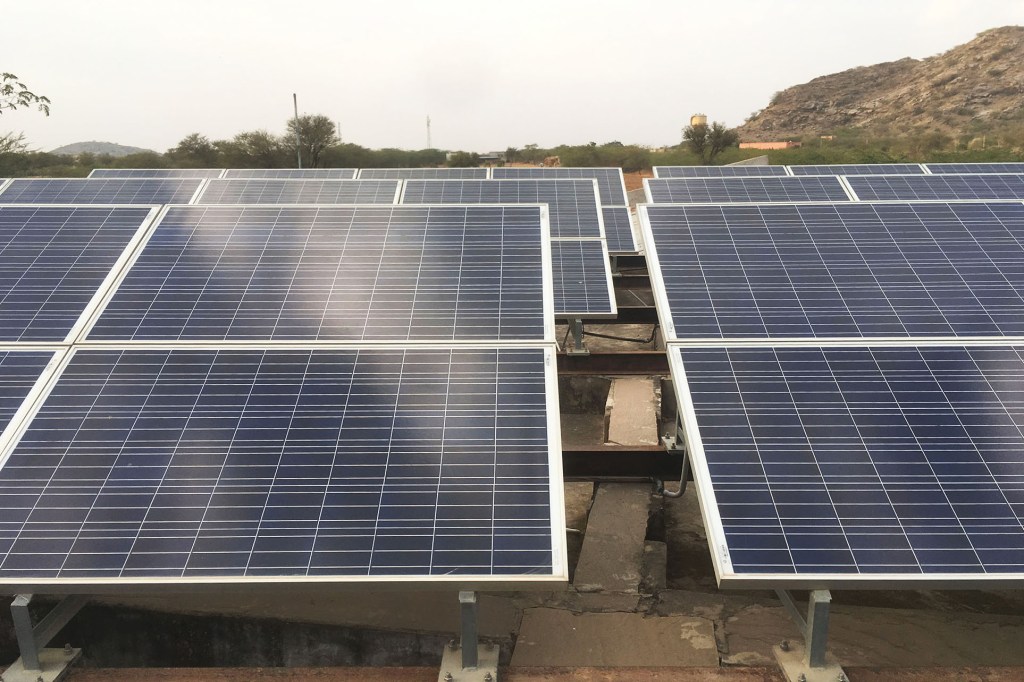
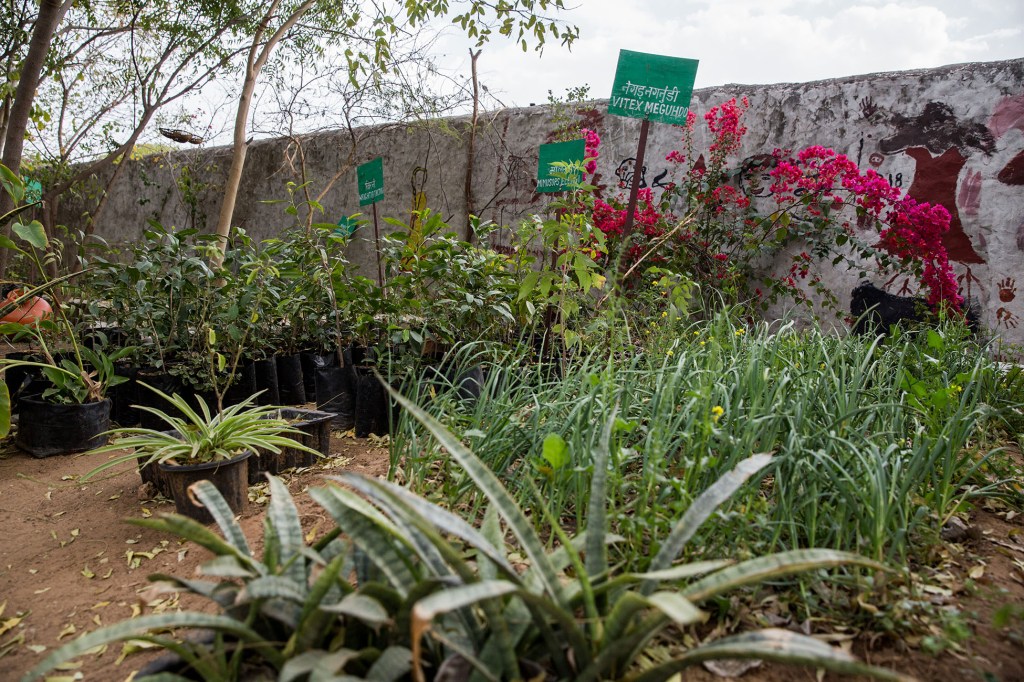
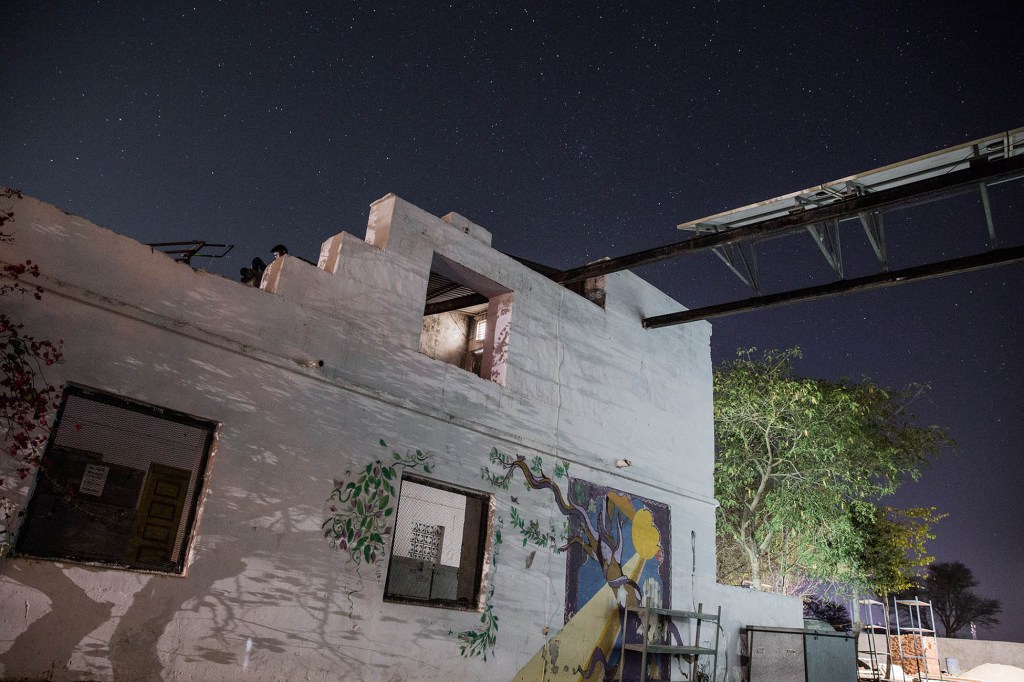
Let’s come back to the Barefoot College, when we arrived, Lucile, a French volunteer, gave us a tour. Don’t expect anything fancy, buildings are basics in a very small village at one hour from the nearest city. The guesthouse is 2 single beds with a basket as a shower. Nothing fancy but we didn’t expect more and everything is there such as a Post office, ATM, handicraft shop, doctor. Also important to notice a huge effort have been made to run the campus as sustainable as possible with for instance waste management, electricity and hot water via solar energy, permaculture, …

During their stay Mamas will have the opportunity to follow several workshops thanks to a program named Enriche. Those workshops are there to build their confidence and learn additional topics on top of electricity. All of them are interesting but to me 2 really stepped out:

  • One about health where they can speak without taboo about anything: menstruations, anatomy, diet and some women even learnt the gender of children is given by chromosome X or Y from man – it’s a revolution since in their communities women are blamed for giving girls.
  • Second is about entrepreneurship. They learn basics to start their business and can join an incubator named B.Barefoot.

We met Nishit who is leading B.Barefoot. He has a strong background in marketing and his job is to coach these women, not by giving answers but actually by challenging them with questions.

“I’m a horse where you put the saddle on and I try to go as far as possible”

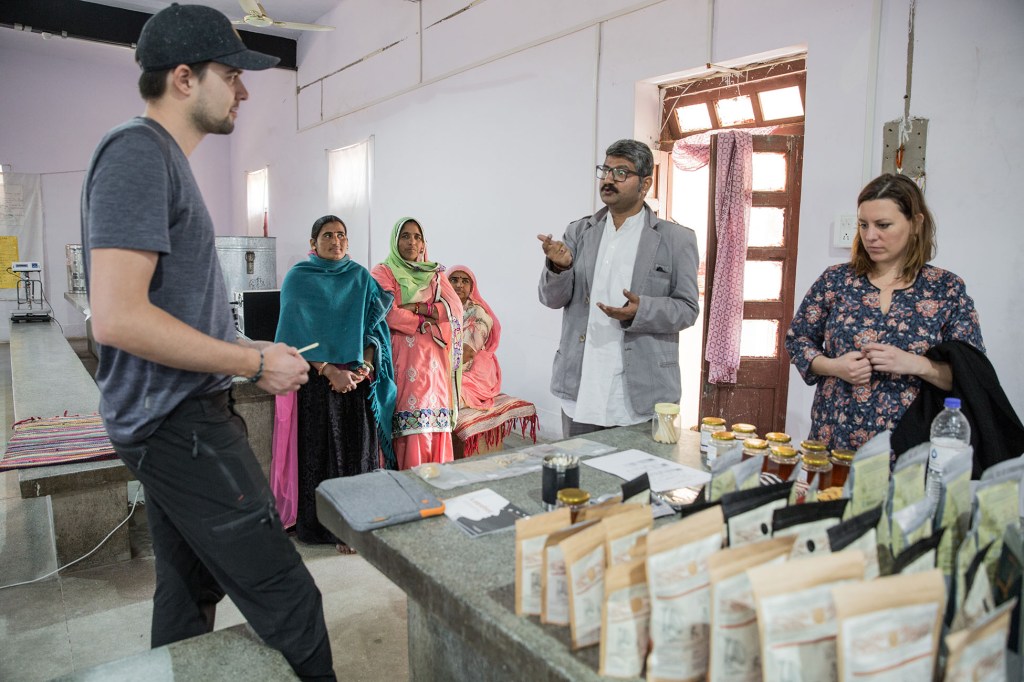
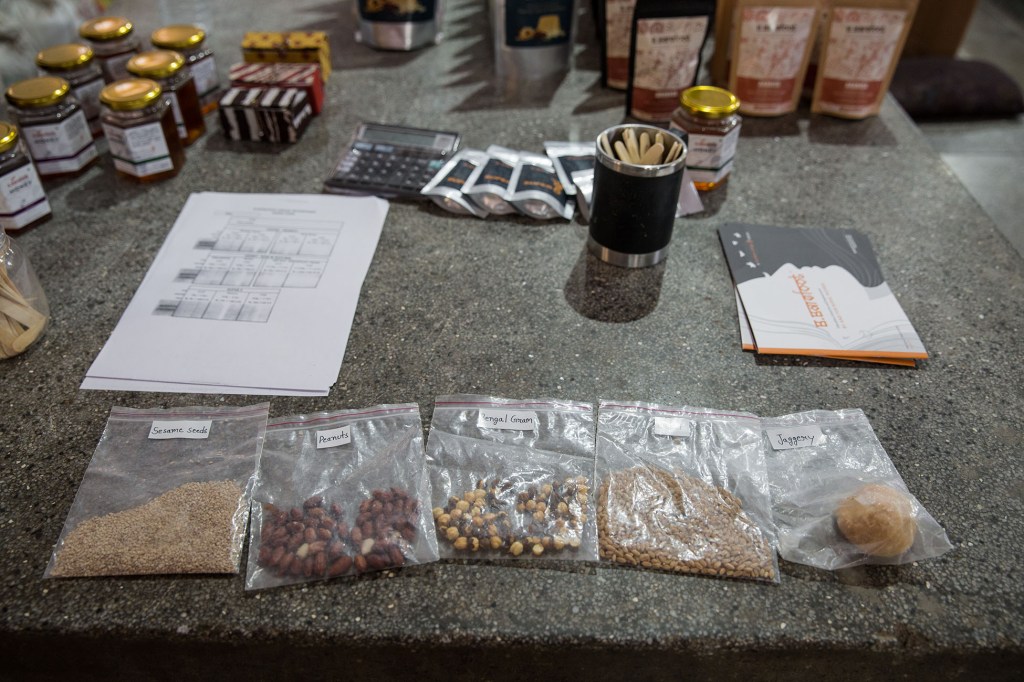
Currently the incubator is working on 3 products: honey, coffee and Super 5 (a secret recipe of cereals which provides all needed nutriments for an healthy diet). Those products where initial skills from women who joined the Solar Mama training and Nishit helped them build their confidence and create income through fair-trade market penetration without sacrificing family time. Those products are now available in palaces of Jodhpur and Udaipur.

Interview of a Solar Mama:

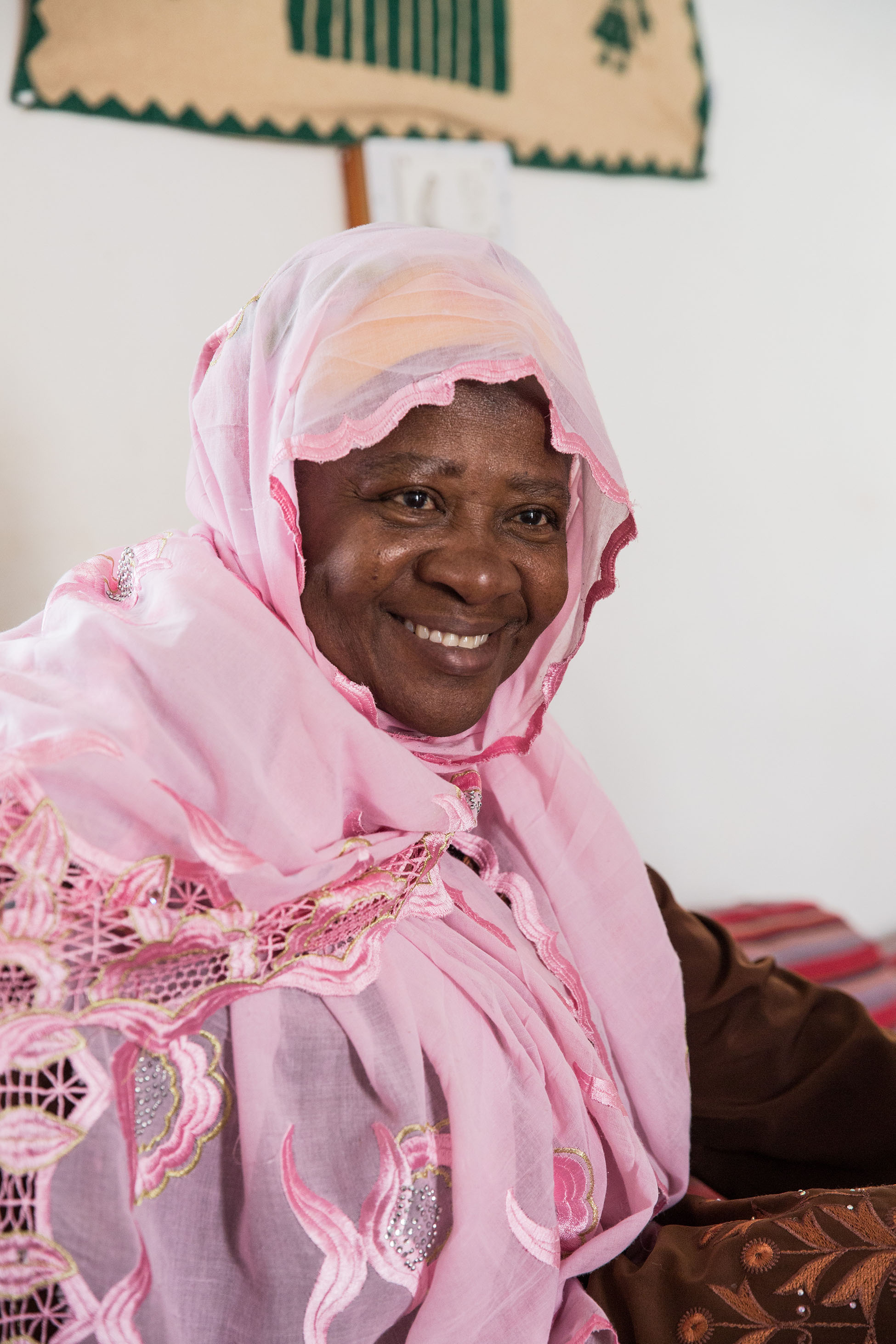
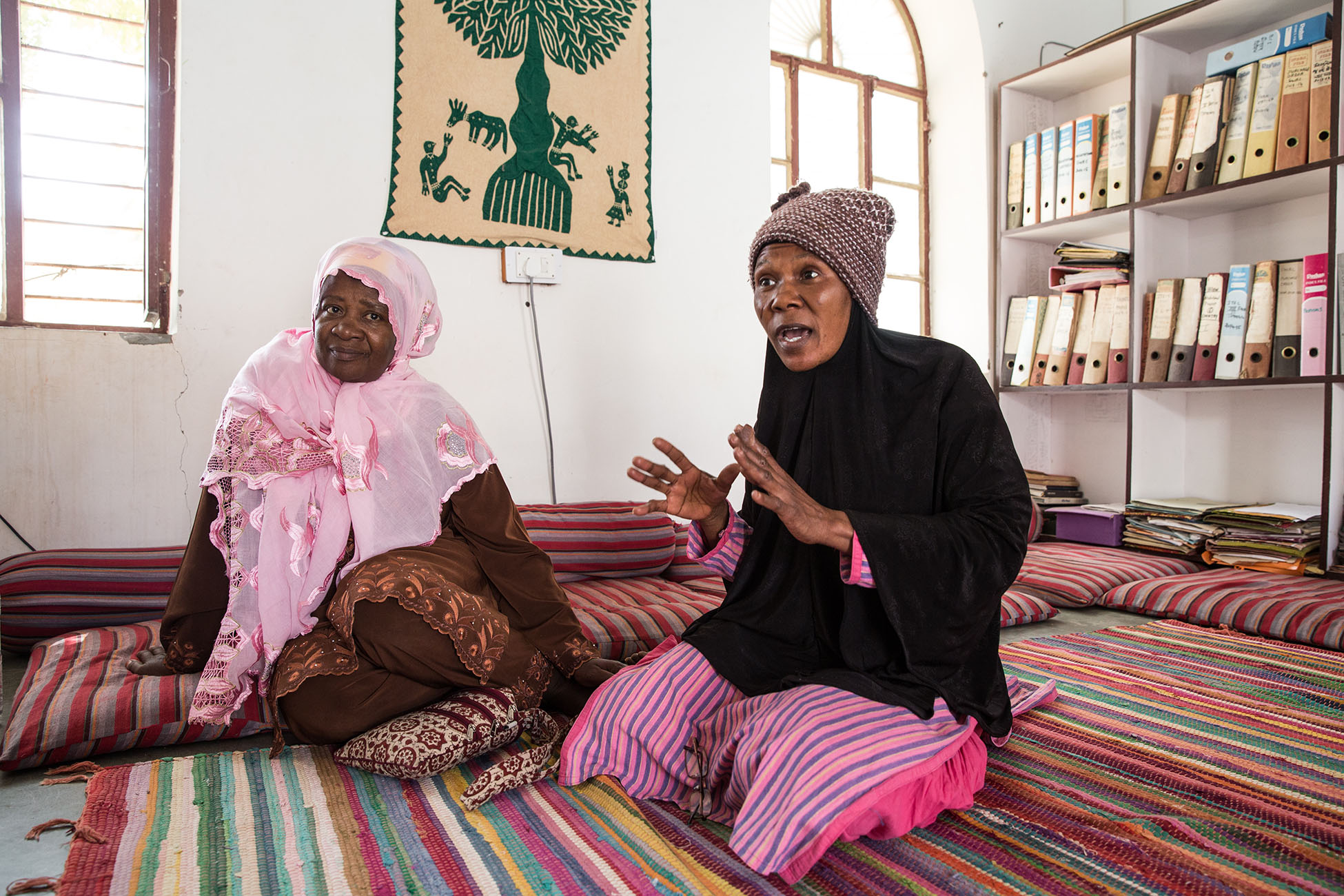
We had the opportunity to get an interview of Nancy Kanu from Sierra Leone.
Nancy has an amazing story, she came to Barefoot a first time in 2007 to become a Solar Mama.
At that time she had financial problems, lost her 9 months baby and a family of 18 persons in her house.
So when the NGO came to her village looking for a Solar Mama she wanted to believe in this opportunity.


Her husband was really supportive, he accepted to put on hold his mechanical job to take care of the family and the house during the 6 months training of Nancy.

The journey to the Barefoot College wasn’t easy but the local NGO did support her to get a visa and for the logistic. On top of the journey and the anxiety to leave her family for 6 months, Nancy was stressed about the training: she didn’t know anyone and all the Mamas came from different countries with their own cultures and languages.

Surprisingly the on-boarding was easy, probably because every woman was facing the same anxiety, they managed to discuss together and the Barefoot’s team was really good to support them, even the food was made to satisfy as many diets as possible.

Nancy left her village with a dream to come back with education and as a solar engineer. Now she realizes she overachieved her expectations: she indeed came back as a solar engineer but she has also brought light to her village, has created a training center and has earned the trust of the entire community including her husband who works with her now.

Why coming back in 2019? Nancy doesn’t want to stop her engagement and wants to continue to improve life in her community. So when she heard about all those new technologies such as LED bulb which might help to provide light to 5x more houses than conventional lamps for the same power, she wanted to know more. Then she decided to come back to Barefoot College for those additional skills and also to share problems she encounters in her village with the hope to get answers.

Our feelings after 2 days

Those 2 days were again an electroshock for us, those stories weren’t our first ones but meeting these women from all around the world made us realized access to electricity is still a global challenge!

Barefoot College with the Solar Mamas has really a positive global footprint in this challenge, and here again it goes far beyond bringing electricity to a village, it’s also about empowering women and developing sustainable local economy.

This post only shows one part of the entire Barefoot College program so feel free to look at their website.

PS: if you have read our post about Frontier Markets note that the Solar Sahelis have also followed a training at Barefoot College.

Frontier Markets – reaching the last miles

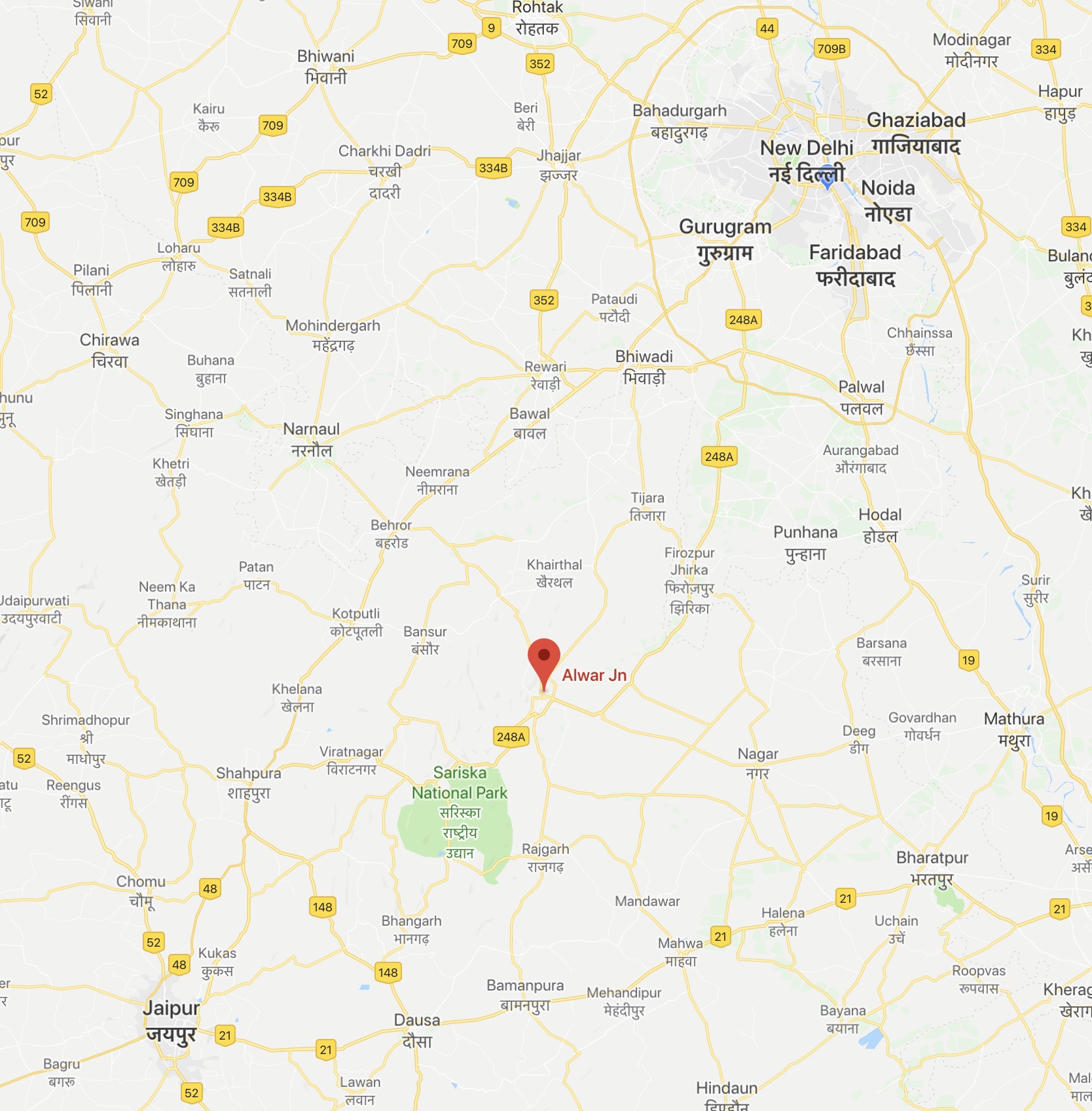
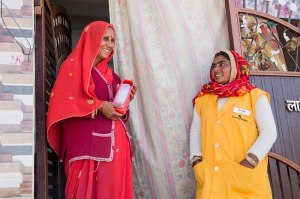
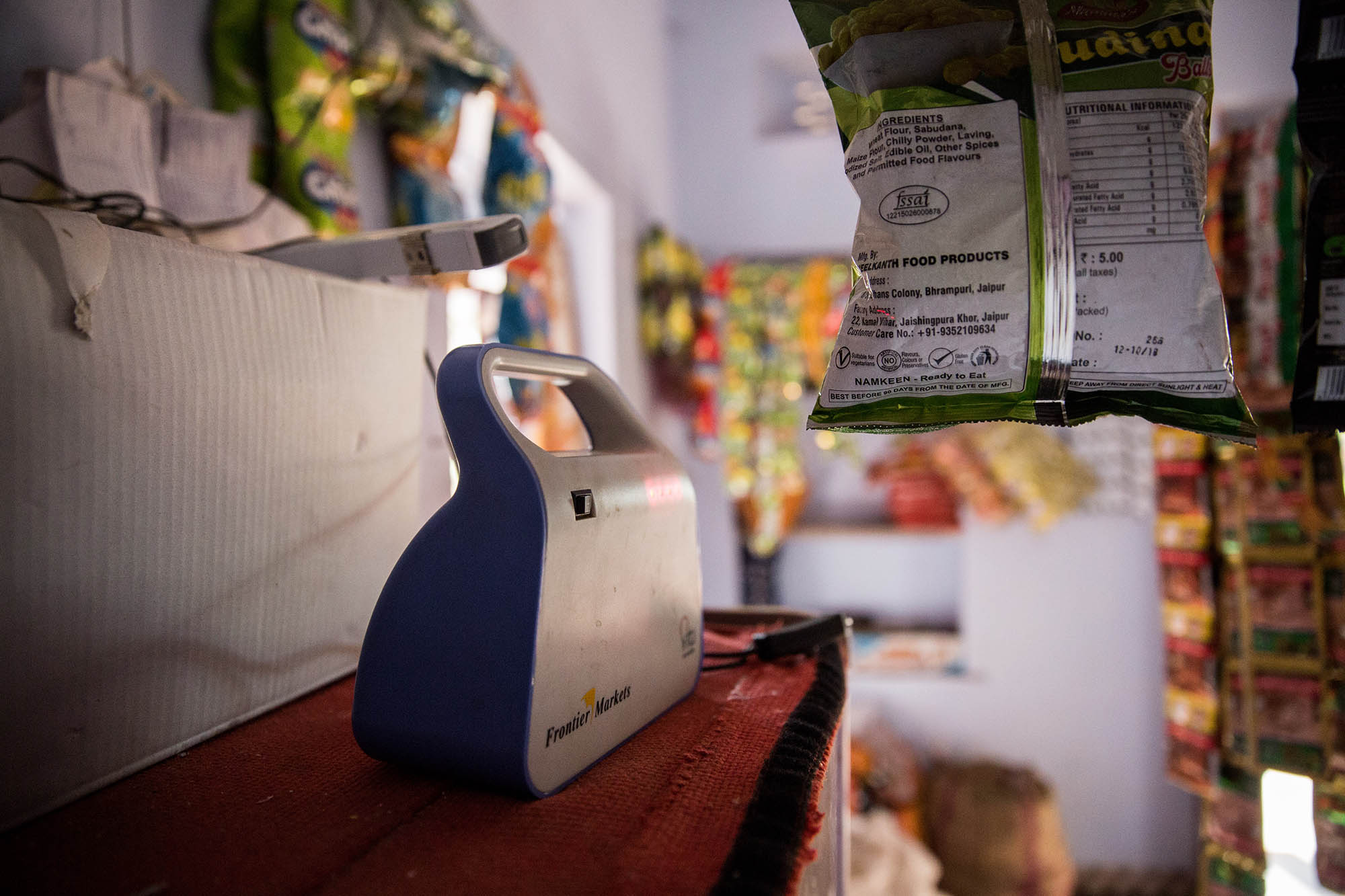
March 5th 5am, today we leave Delhi to visit small villages in between Alwar and Jaipur with the organization named Frontier Markets. Frontier Markets is a last-mile distribution company with a mission to create an ‘Easy Life’ for rural customers by providing them with access to quality clean energy solutions through a network of digitized rural entrepreneurs, with women at the center of the value chain!

STARTING THE FIRST MILES

A busy day was planned and we were expected at 8:30 in Alwar. According to Google it’s a 2 hours trip but since India is famous for its traffic we took some buffer. It’s was hard to wake up at 5am and I think the excitation about the project help us a lot!

Our driver was supposed to be at our home at 5:30, but at 6am nobody was in the street! By the way it was a really strange feeling to be in Delhi without any surrounding noise…quiet…the street was empty, no dogs, no horns, nothing.

I called the driver and big surprise he doesn’t speak English, not a single word…here I am, trying to explain where I am to someone who doesn’t speak English, who has received my GPS location and where you don’t have any special elements in the street to help you in describing your position!

Luckily a man, our savior, appeared in the street, I gave him the phone and within a minute our driver was there. Literally, he was at the corner not trying to find us. This was the act 1 of 100 with this driver, we could almost write a book based on our journey with this man 🙂

We finally reached Alwar at 10:30 where we met Amrit and Pallavi our contacts from Frontier Markets.

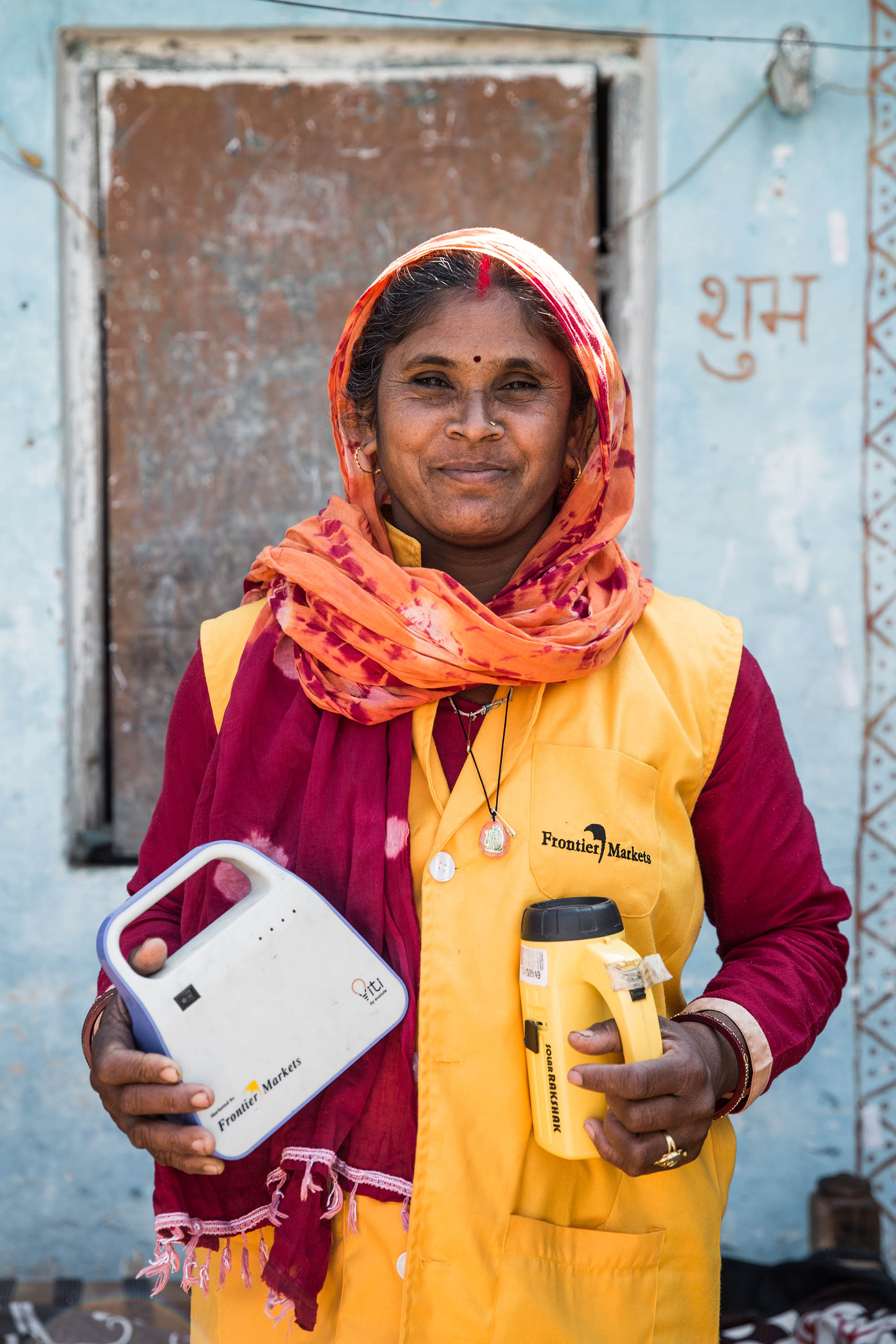
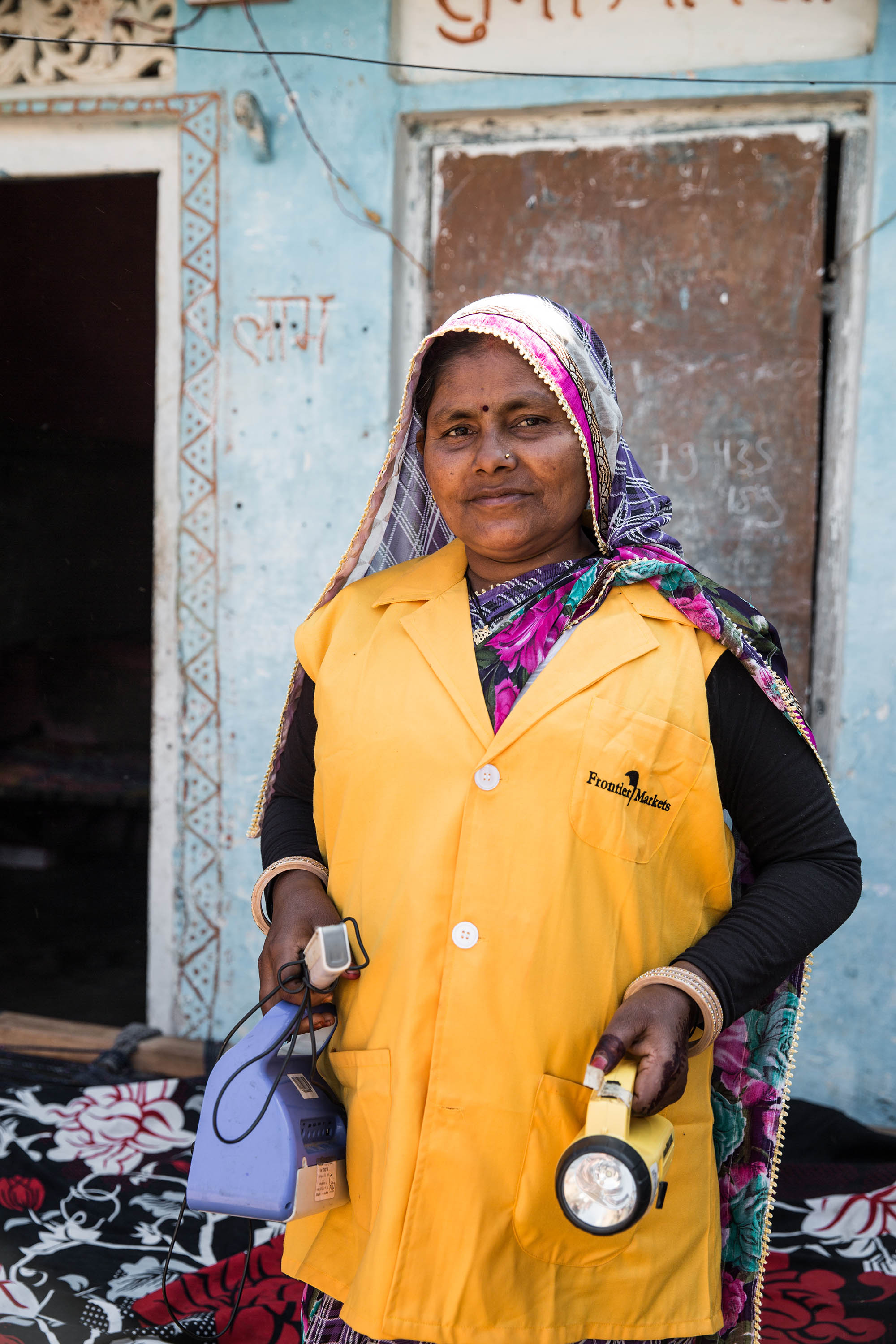
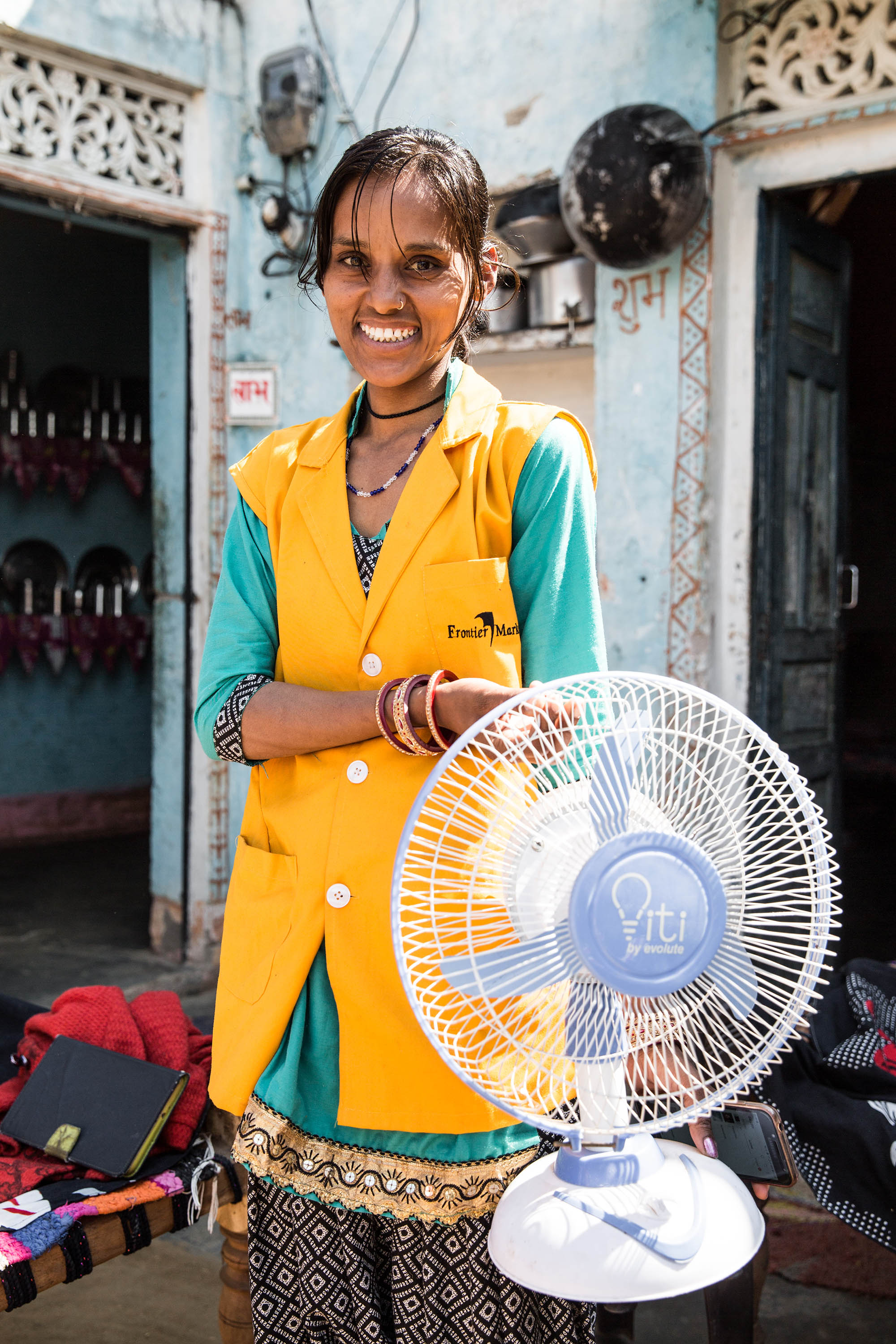
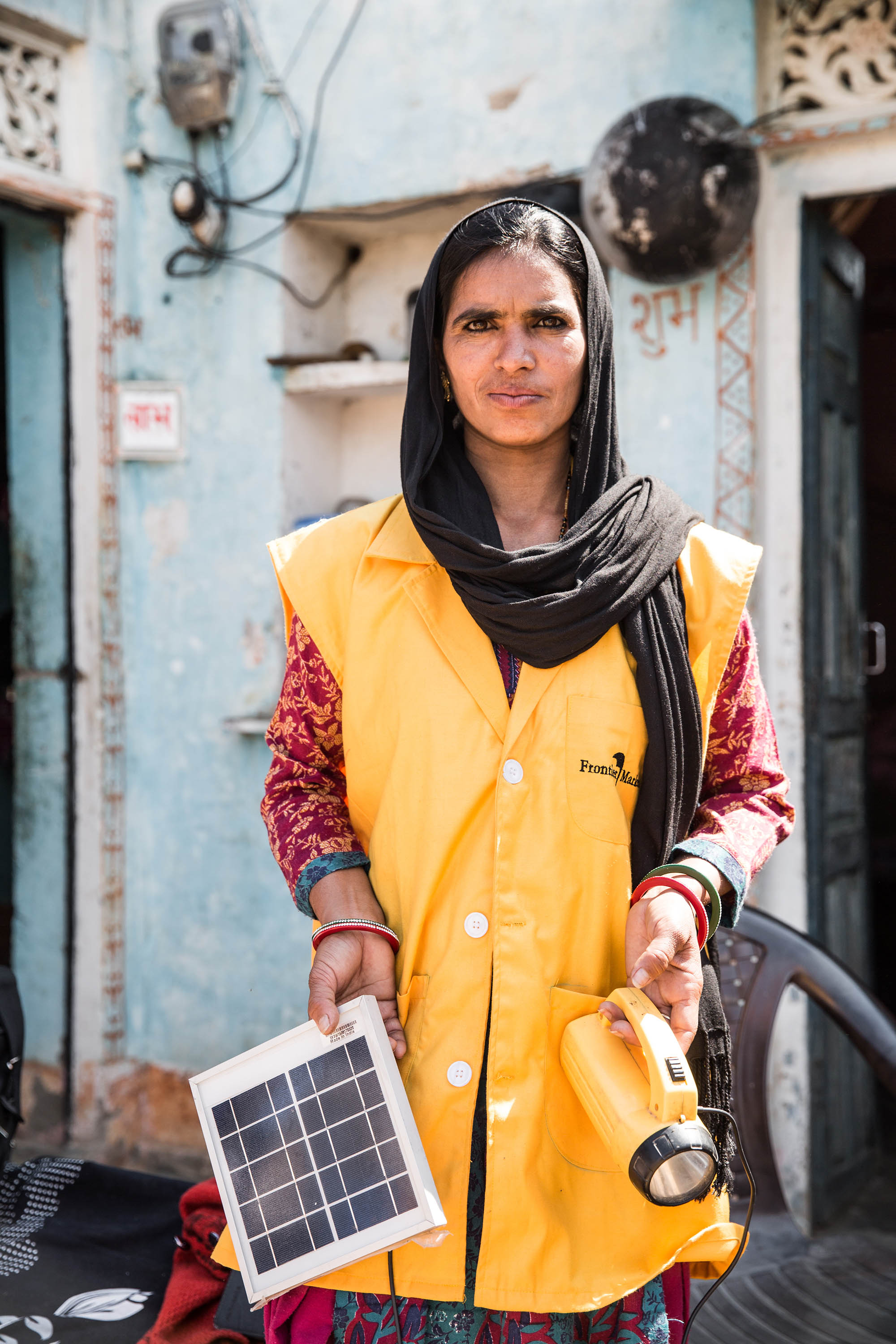
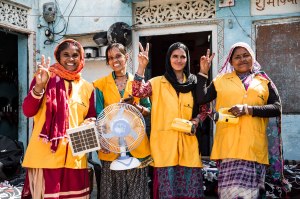
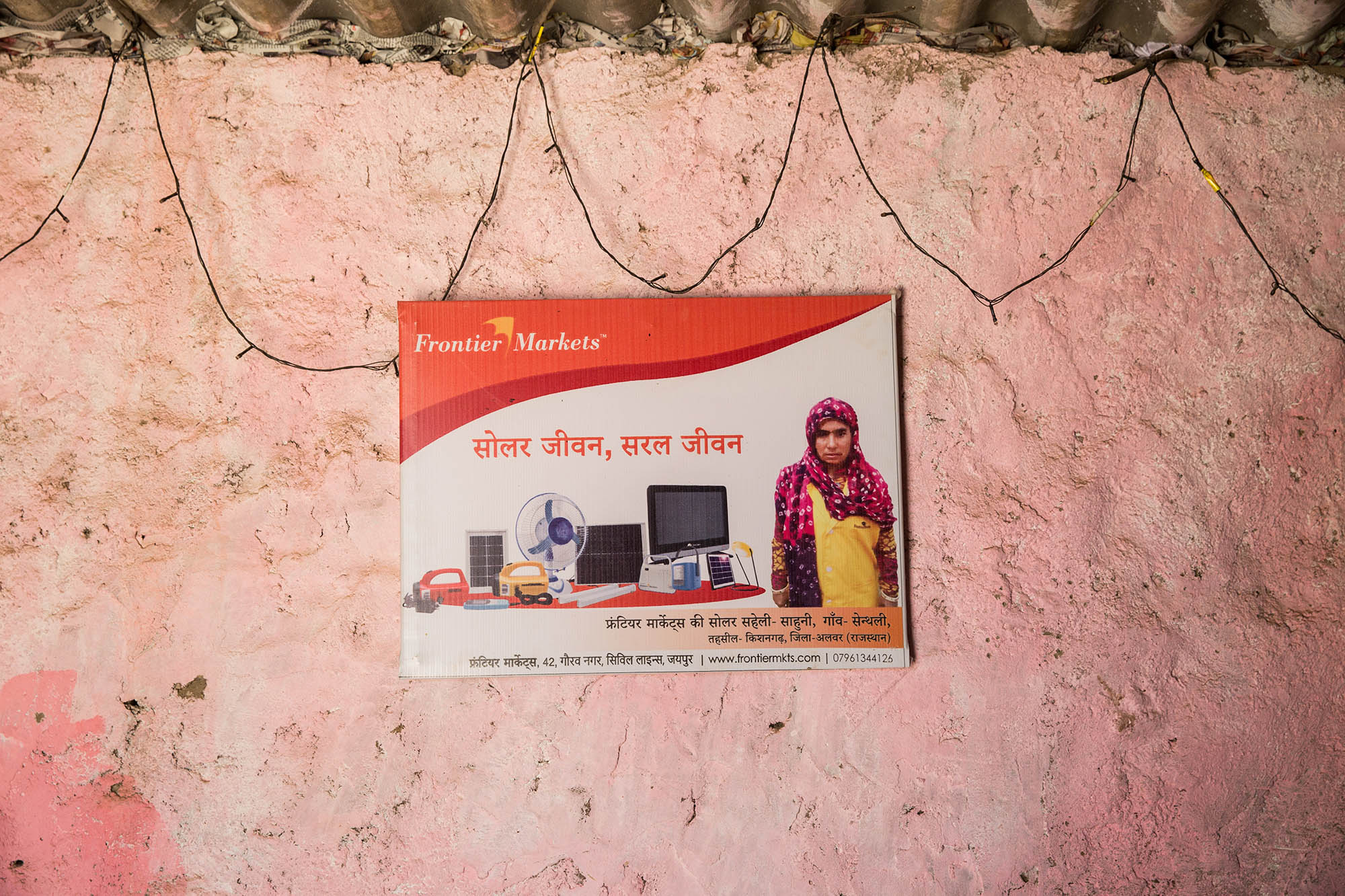
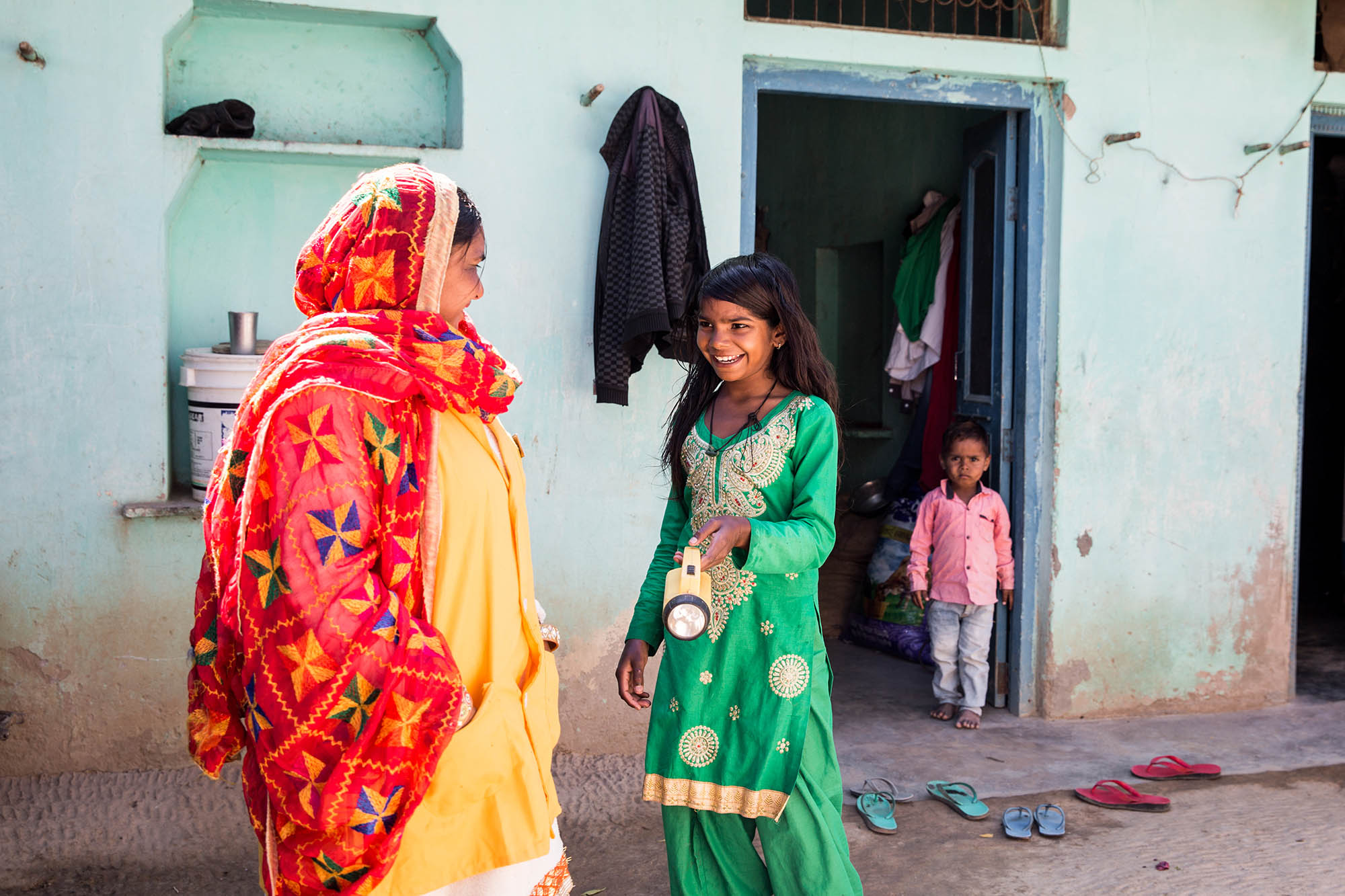
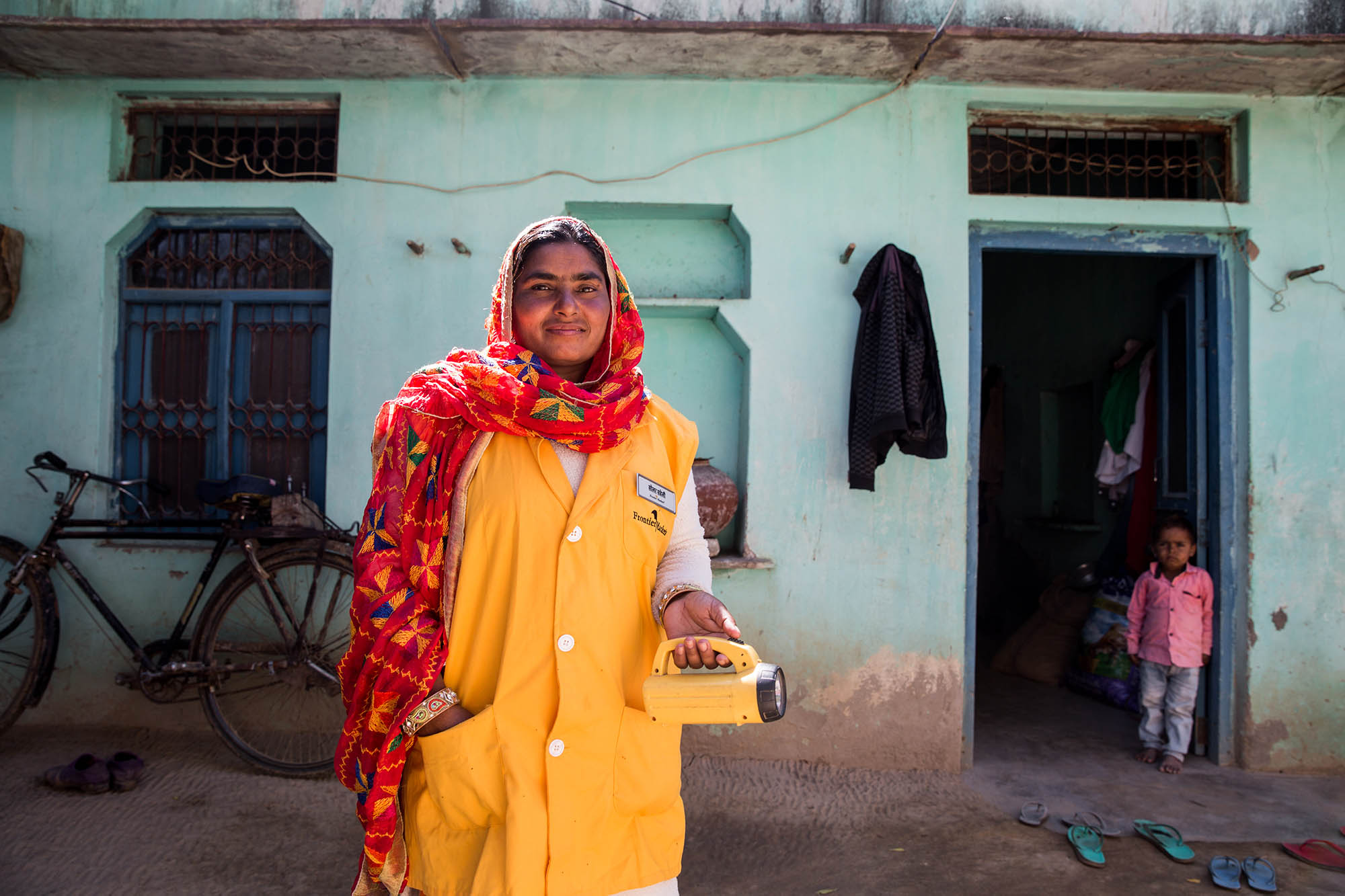
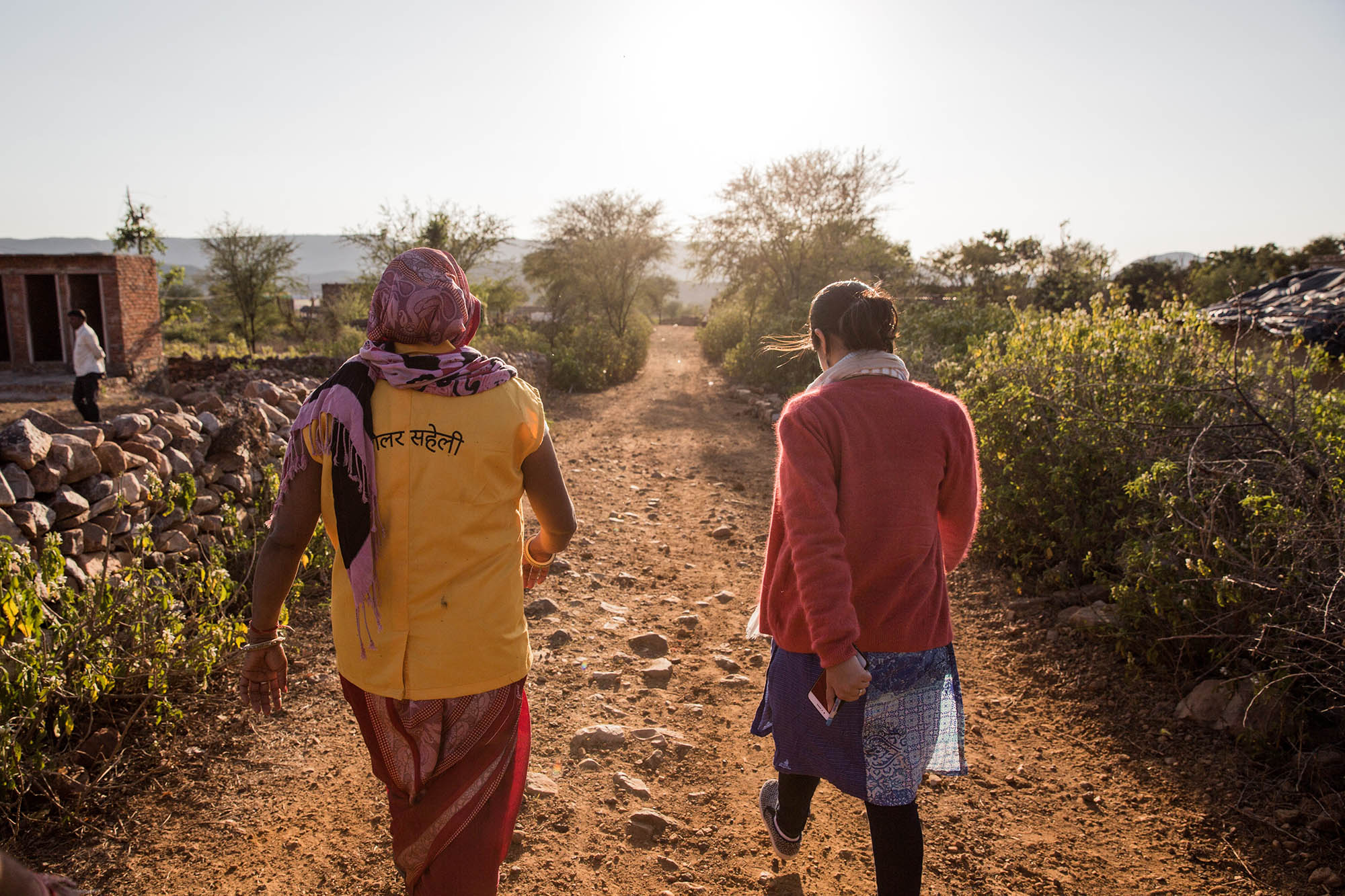
They explained us we’re going to visit 3 villages to meet several Solar Saheli. Solar Saheli means Solar Friends, they are woman who live in last miles villages, they all have received a training about electricity and solar energy to become solar champion and sales representatives in their villages. You’ll see that it goes far beyond sales for those woman thanks to interviews below.

First village : Nagli Megha

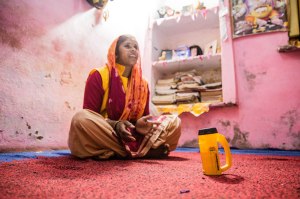
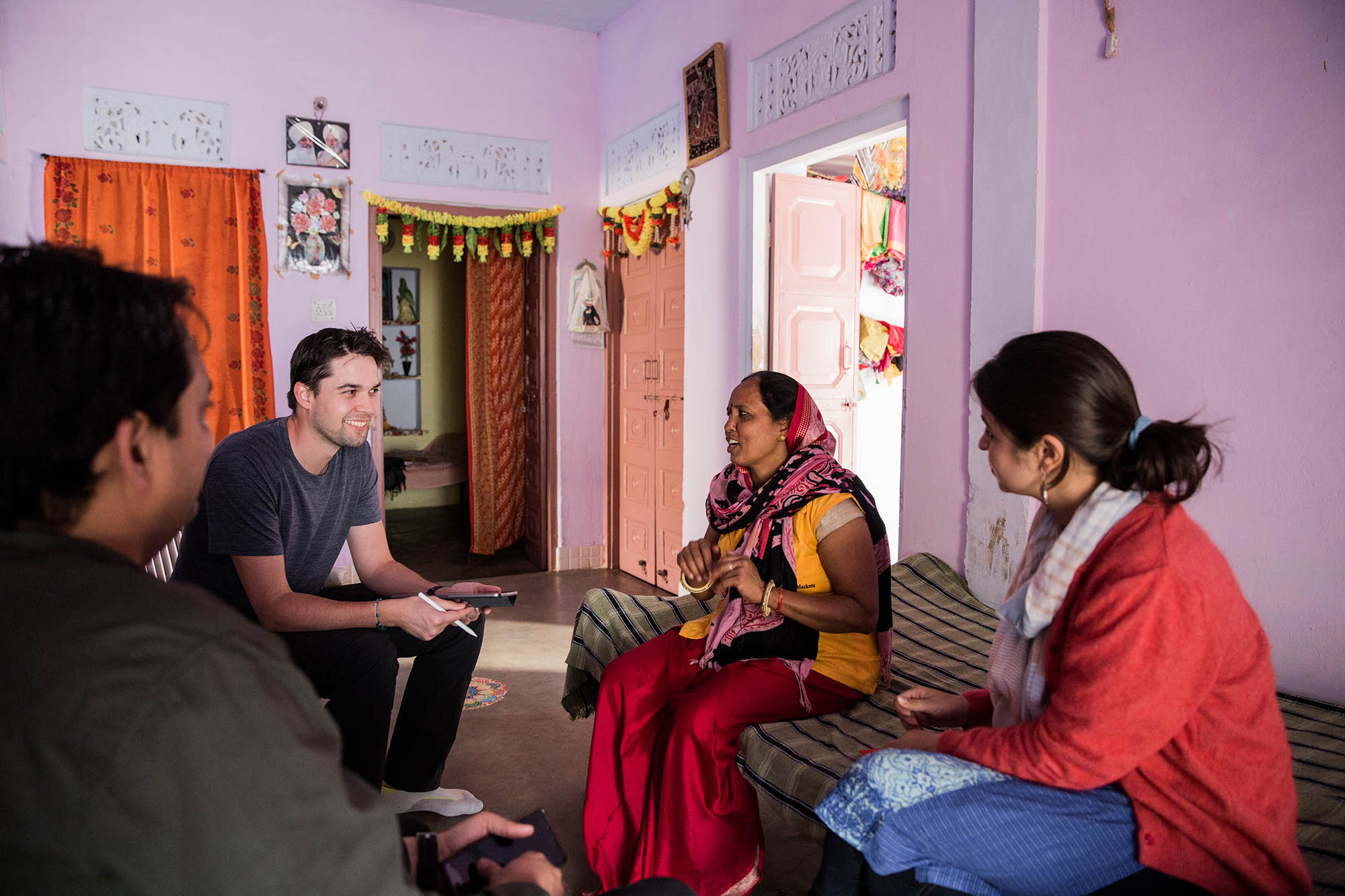
Our first stop was at Nagli Megha to meet Radha.
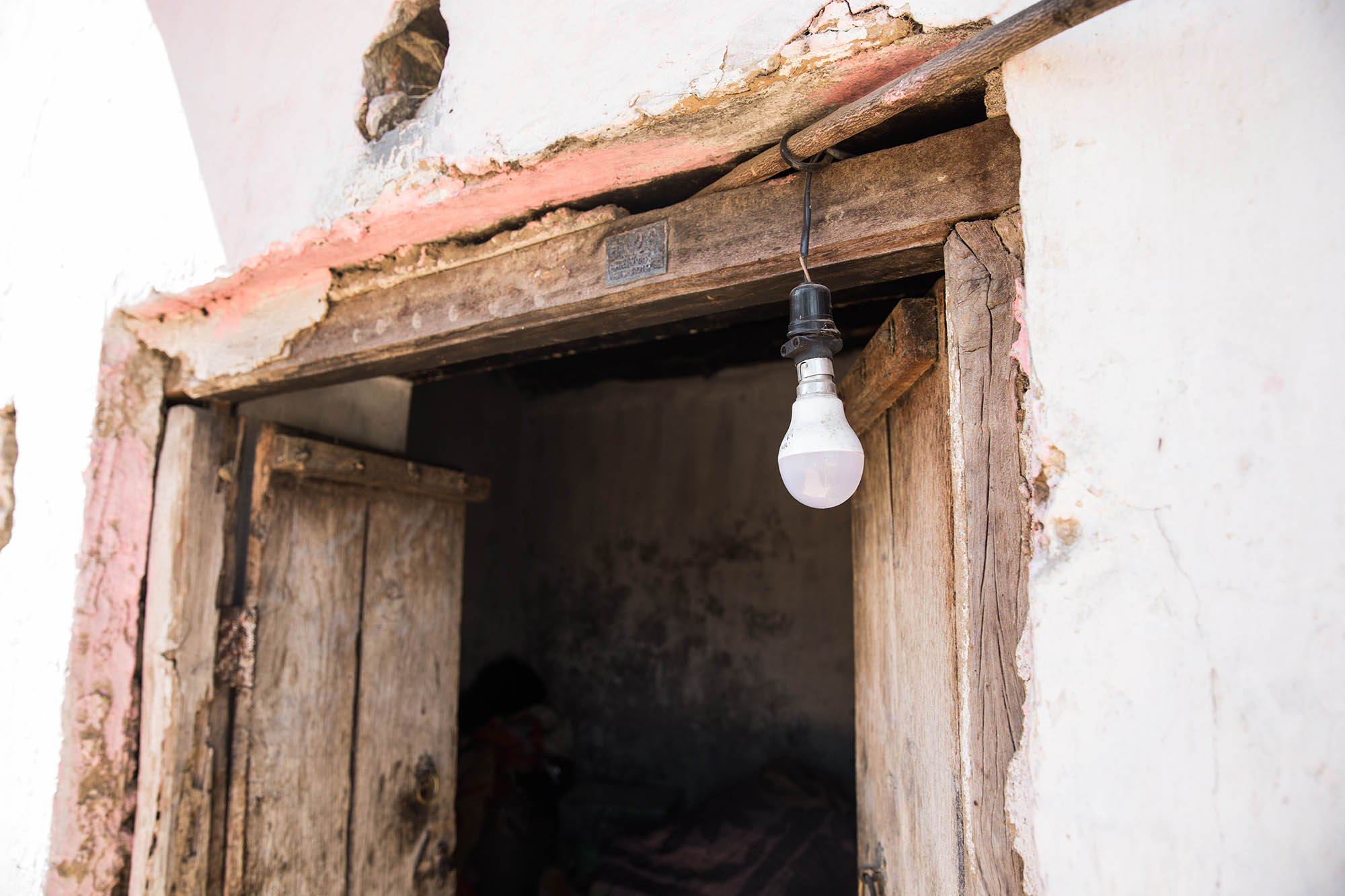
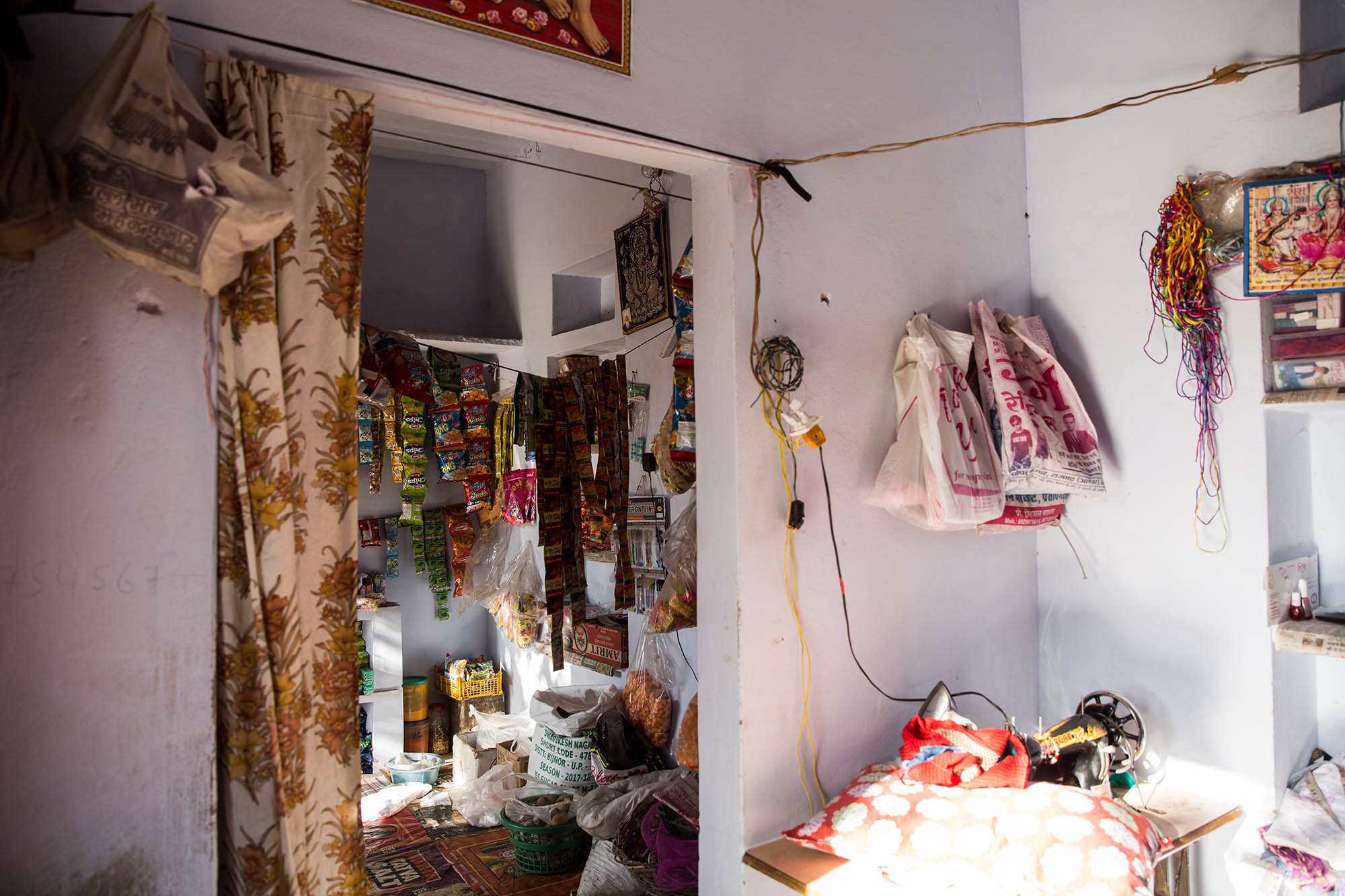
She lives in a village of 500 houses where access to electricity is limited and a huge issue. I mean it’s not like they are not connected to the grid, there is one electricity pole but it’s far from reliable, they only have electricity for a couple of hours per day but what is difficult is that they don’t know when and for how long, brief it’s hard to rely on it!

I started to question Radha to get an understanding about why she decided to become a Solar Saheli. Without any doubt she answered:

“I want to create impact and bring light to the community”

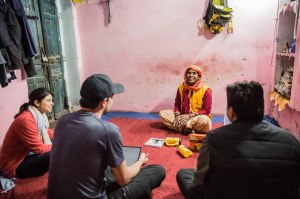
We discussed for roughly 30min, we were so glad to have this opportunity to meet her in her house and to get such an interview. I had so many questions but I felt she wanted to move on something else, like excited to share something with us. Indeed she wanted us to experience the dark room! The dark room is basically her sale pitch.

The dark room

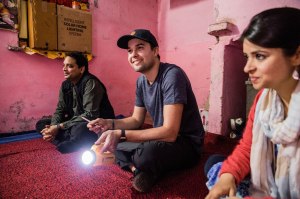
We went in a small room of her house, sat on the floor and she closed the door with a fully opaque dark curtain. I can tell you the dark room was as good as any optical labs we have at Signify.

After 1min of silence Radha asked us to close our eyes and to share our feelings. My first impression was: “we are in the dark so what?” I mean let’s be honest I don’t have any reasons to be scared about a dark room since at any moment, if needed I can use the torch on my phone, so nothing scary crossed my mind at that time.

But then, still in the dark, she explained us what it is to live in off grid rural villages. The entire family live in this room, children sleep on the floor and in the dark they have to continue their life such as cooking, feeding animals outside,…

Then I projected myself into those conditions – take 2min and try to do the same – I realized whatever happen: an insect bites me, I lost something, I want to move from one side of the room to the other,… I’ll be in the dark and nothing can change it.

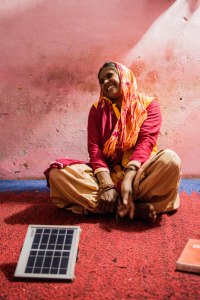
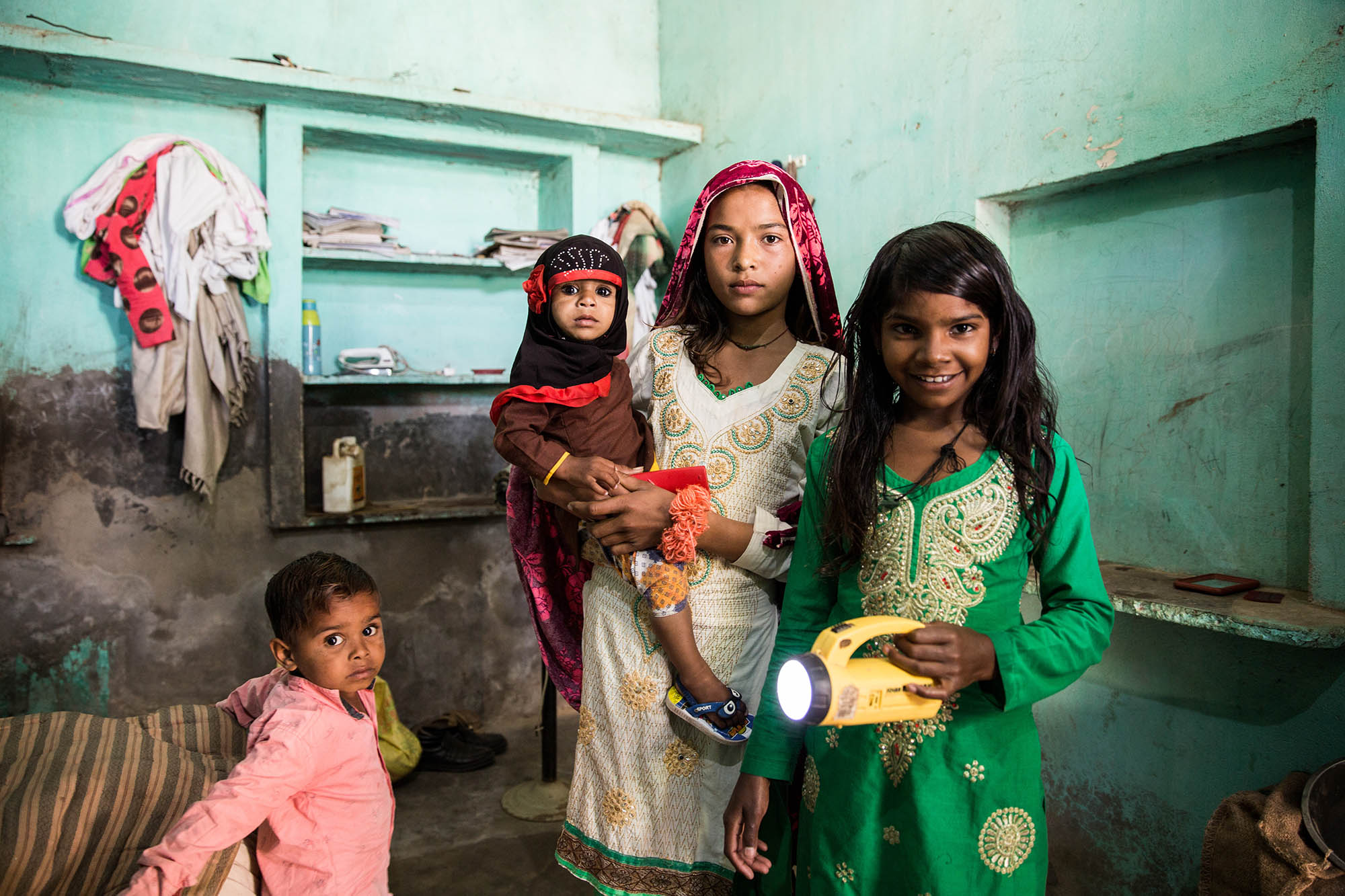
Suddenly she switched on the torch, what a relief! 2 demo kits (one torch and one home pack including 2 light bulbs and 1fan) were visible and both can be connected to a small solar panel.

She explained us this is “sun’s god staying in your house” because you capture sun’s god energy with the panel and then god is in your house to protect you.

To me the dark room is really a compelling story but to be sure to convert visitors, Radha offers them a kit to test for 1day, after that there is no hesitation anymore.

The only blocking point is the price 900INR (11€), it’s a budget for any family but even there she has arguments: reduce the electricity bills, reliable source of energy and more important there is a warranty and customer service. Those last miles villages are by definition far away from shops so after sales is a luxury.

Now people come to her home asking how is it possible that electricity never break down in her house. She became really popular in the village.

Becoming a Solar Saheli was a great decision, she can now save money, pay the scholarship of her kids and she was really proud to say that thanks to Frontier Market she also learned how to use a smartphone. She was really scared about phones before but now she has a WhatsApp with others Solar Saheli and she fills all request orders via a google form. I’ve to admit I was really impressed by how smartphones are part of their daily life.


Before we left she really insisted on how light change people life and she shared the example of one boy who borrowed a torch to prepare his exams, without it he couldn’t continue to learn during the night. Thanks to it, he became major and receive a laptop from his school as a reward. Now the boy wants to become a lawyer!

We heard a lot of hope from Radha. And we wish her all the best in her next step which is to open a electrician shop in the coming years.


Second village : Sinthli

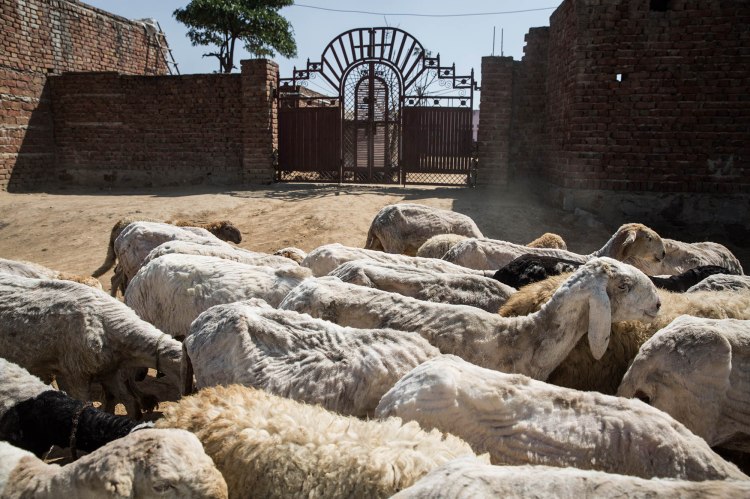
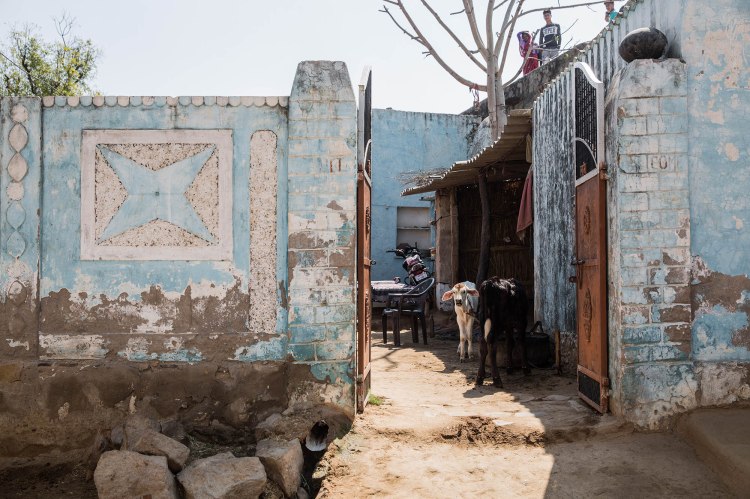
We took the road for roughly 45min of off-road to reach Sinthli, a village of 800 houses where Sahuni was waiting for us.

She has 5 kids and they are the reason she wanted to become a Solar Saheli, to improve her financial situation and provide a great education to her kids.

She likes the job so much that she would like to do the same in different countries.

But it wasn’t always easy for her, her husband was reluctant with the idea to let her join the program. But when incomes started to grow and he saw his wife becoming popular in the village he changed his mind.

It’s true Sahini is a kind of rockstar in the village as she said ” I drive away the darkness and bring light into the community”. It helped her to be known and trusted by everyone.

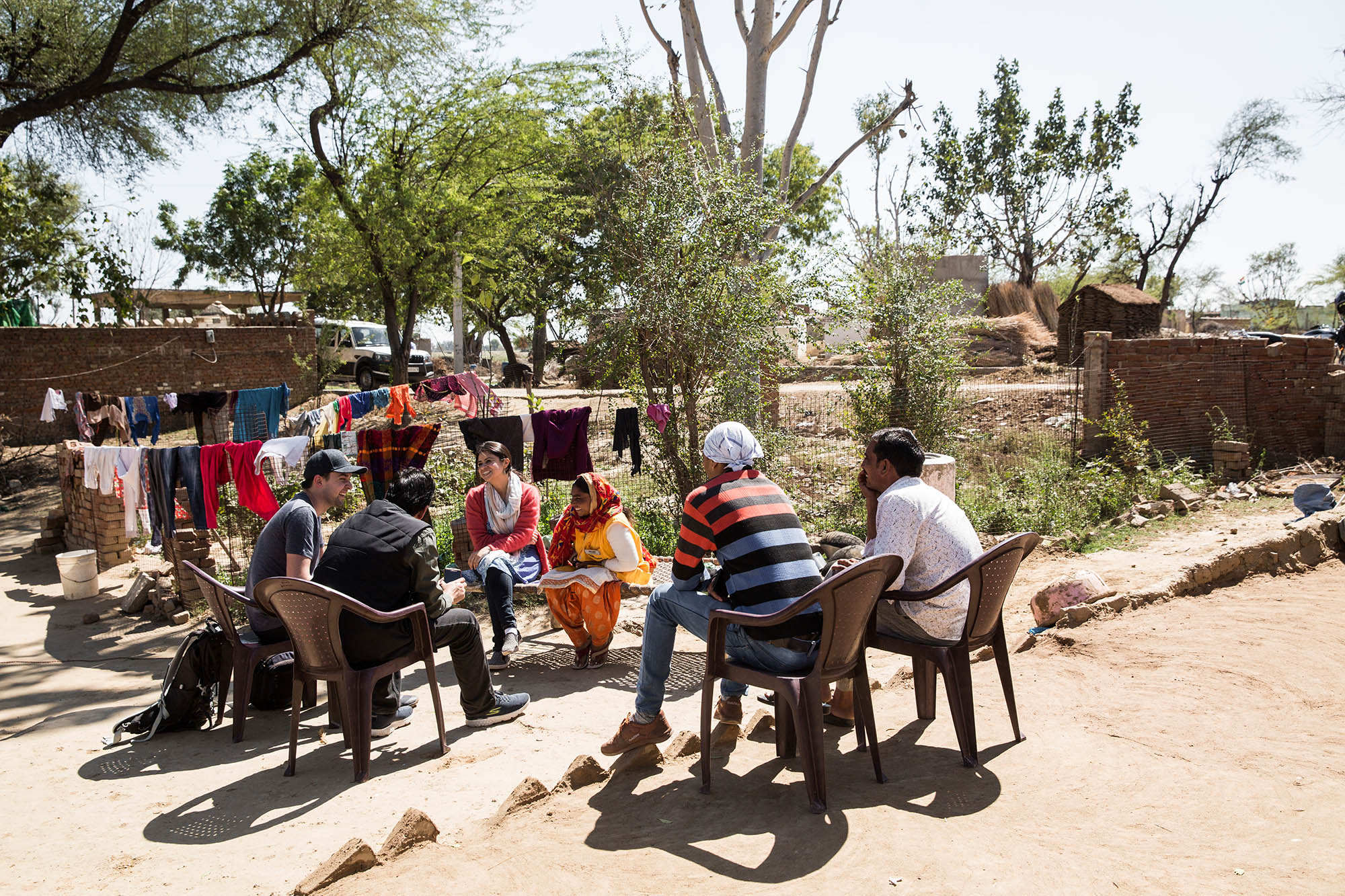
We couldn’t stop there, we wanted to check those words, we needed evidences and therefore we asked to have a walk into the village 🙂

Quickly we found one torch connected to a solar panel at the entrance of a field and then few meters later we found a customer.

She bought 1 torch 1 year ago and she likes its robustness and reliability. She most of the time uses it to cook at night or for going outside. She likes it so much that she bought another one for her father in another village and advise every friend who come to visit her to buy one torch.

Time is flying and Amrit wants to visit one more village which is more than 1hour away from Sinthli.

Third village : Seeli Baori

Arriving to Seeli Baori wasn’t an easy task but it was worth it, I mean the location is really beautiful: a 360° amazing landscape of mountains, dry ground with a couple of big trees. What made it even more beautiful was the light and the sun reflection on the pink stones which are so characteristics to this area.

Miina, the local Solar Saheli, is at the entrance of her house waiting for us and quickly she shared with us her story.

Miina has always been really active in the community: she’s part of a farmer working group to share experiences and help each other, she’s also part of the SHG group.
She has never received a proper education and becoming a Saheli was for her one way to receive one but also an additional opportunity to contribute and help the community.

Her decision has been accelerated after 2 tragic events: the first one is about one house which burned because of a candle when the family was asleep. And the second one is a group of woman who has been attacked by a panther meanwhile they were working in the field. They saw the panther but in the dark, instead of walking against they walked to the animal which killed all of them.

Those events were really an eye opener for Miina, she had to act!

Now she feels safe and the village is grateful and respect her even more. Her daughter who was there during the interview even added :

” I’m proud of what my mum is doing she was uneducated and she’s now educating the whole village”

Since the customer tour of the 2nd village was fruitful we decided to do the same with Miina. It was also a good pretext to get a tour and enjoy the view 🙂

We found couple of houses equipped with solar products and we stopped at one of them to discuss with the family. Like other customers they bought it to have reliable source of light but here it was interesting to hear from the wife she also uses the torch to work by night on a loom to make thick carpets.

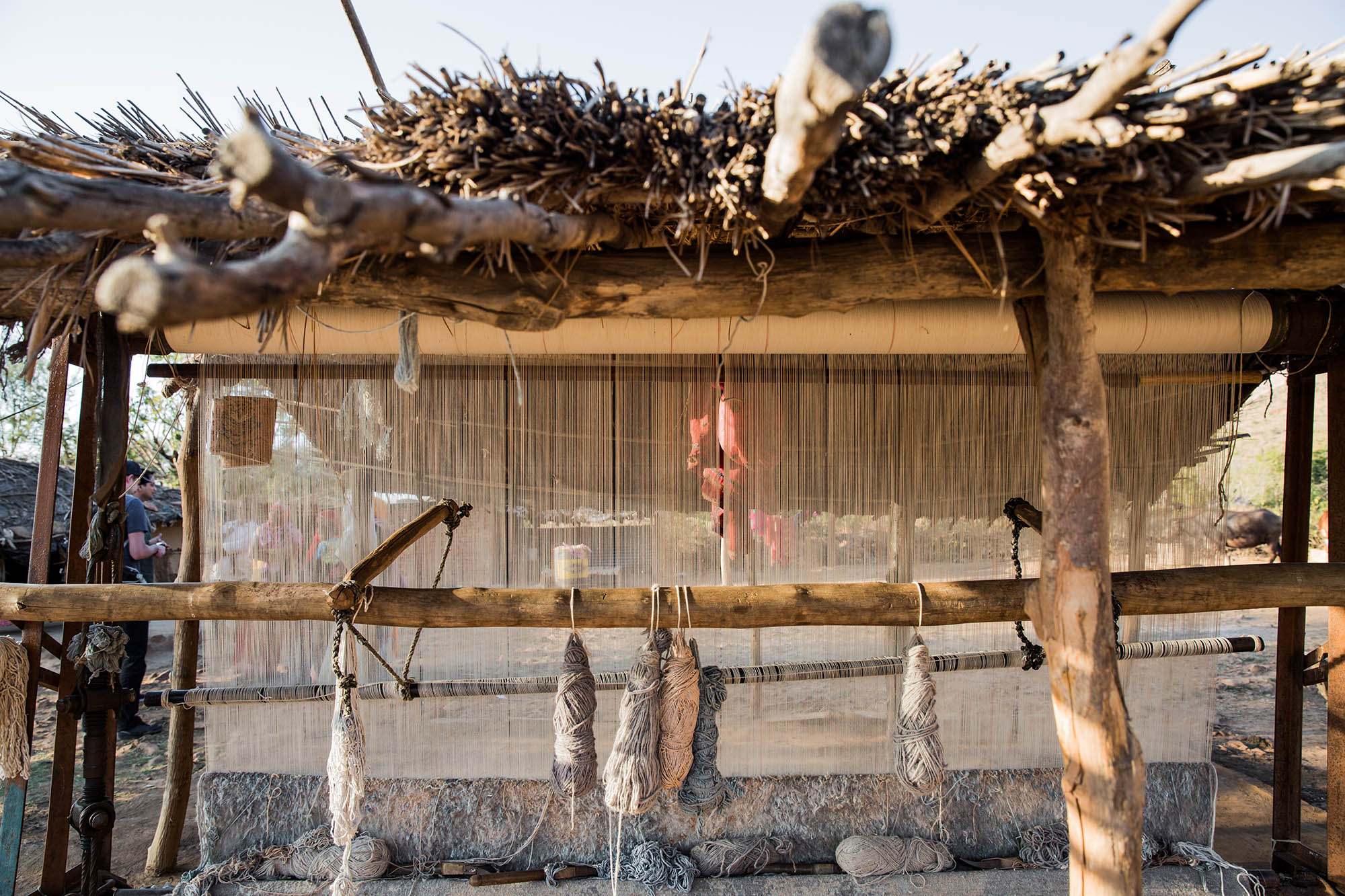
The Rajasthan is worldwide famous for its carpets. Some are made in factories but still a lot, and especially quality ones, are made by worker like this woman in tedious conditions and for a very small income. Not because the carpet is cheap, it probably worth 1000€, but because this is not a fair trade business and only intermediate dealers see the color of the money.

We then sat at the terrasse of another customer but unfortunately we couldn’t interview the person. First of all she spoke a different dialect than Hindi and both Amrit and Pallavi couldn’t understand (they are more than 1000 dialects in India).

Secondly, the message has been spread in the village: 2 Europeans are visiting and therefore within 5min we were surrounded by at least 20 persons, nothing aggressive, only excited to meet foreigners but our colleagues advised us to move on 🙂

This marks the end of the day, again what an experience, we left these villages full of hope. Listening to these women and seeing that simple actions can radically change people’s life was so inspiring.

What Frontier Markets is doing is simply amazing! They empower these women by providing education and skills which allow them to be impactful in their community and to be recognized as such and not anymore as a woman who should stick to housework!

Finally a big thank you to Amrit and Pallavi for the logistics, the translation and making that day possible!!!

Don Bosco : Skilling India

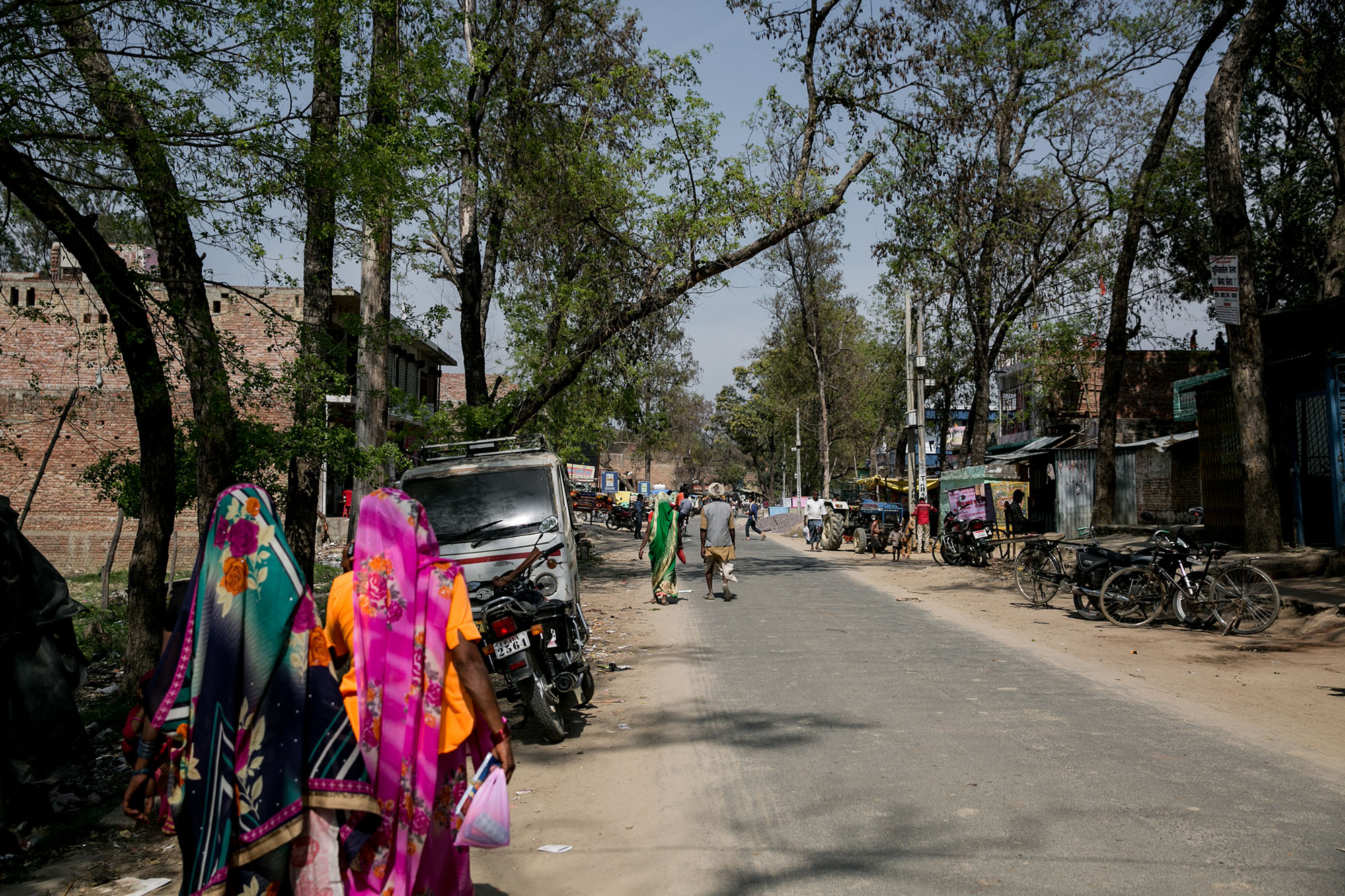
Don Bosco Technical Institute is a large campus in the south of Delhi. Its ambition is to teach youth 18-35, who are marginalized from the ‘new economy’ jobs, how to enhance their employability.

So on a sunny day at 9:30 we set out to pay a visit. Although India sometimes feels quite foreign by its traffic, getting to Don Bosco was just like I do it at home in Amsterdam: Uber. The driver was there in 5min and 20min later he dropped us in front of a big old iron portal.

VISITING DON BOSCO

The first thing I noticed after the quick security check-in was how beautiful the garden is. It’s kind of roundabout with a perfect green pitch and plenty of colorful flowers. Later on we discussed with the gardener who works here for 25years and we complimented him for the amazing garden he made.

Then I looked around and I saw an old but well maintained large building and a soccer field.

As I was distracted, Hitesh, our contact person at Don Bosco, approached, snappily dressed in a brightly colored patterned suit. Laura and I, expecting a less formal meeting, were dressed in T-shirts and jeans, and all of a sudden we felt quite underdressed! Nonetheless, he welcomes us warmly and escorted us to the door of a classroom.I immediately saw a big Philips poster and knew I was definitely in the right place! 🙂

A TEACHING MOMENT

This slideshow requires JavaScript.

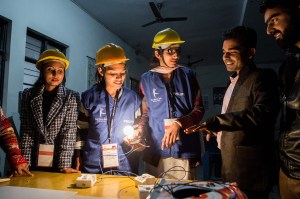
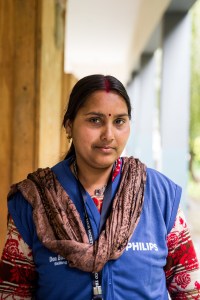
We were welcomed by 14 students between 20 and 36, all wearing nice blue Philips jacket.We walked to the stage to introduce ourselves and Laura explained that we wanted unposed photos, so asked them to behave naturally.

Immediately I felt everyone become nervous: “how to act natural!?!” Laura told me later that this is something she encounters a lot. I had no doubt that she’d be able to get them to relax, but also noticed that they dimmed the lights for the lesson, so they could use the beamer. That could make it tricky, I thought…!

I sat at the back of the room to listen to the course which was half English half Hindi. It reminded me my own electricity lessons. The teacher explained what electricity is,where it comes from, how it’s transported, and I’m happy to report there was a strong emphasis on green energy and safety.

After an hour we left the class to meet the Principal,He’d been leading the institute for 50 years, and his passionate eyes let us know just how strongly he felt about its purpose.

He gave us a tour and it was impressive to see the myriad programmes they propose: construction, electronics, mechanics, plumbing, power sector, printing – and more. His ambition is to train 8000 students a year and he was proud to share the new work in progress: a 7-floor building to host them all!


As we walked back through the courtyard, we saw students playing on the soccer field. They were laughing a lot, which was quite a change from the studious expressions and nerves of the morning’s lesson. We ended up quite busy posing for selfies.

The teacher explained me that they’re not used seeing foreigners, and they’ll all share the news of meeting us with their friends and family. We’re not much different, since I’m doing the exact same thing right now.

BACK TO CLASS

After lunch it was time for the experimental classroom. The funny thing is that the electricity of the room went down, so they had to fix it before the class 🙂

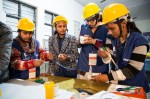
It was hands-on sessions where groups of students had to create serial and parallel electrical network including lamps and switches to explain the difference between those two options.

The atmosphere was really more relaxed than in the morning, we could ask questions right and left and we had again some selfies.

I used that opportunity to interview individually 3 students to get a better understanding of their stories. I felt again the stress in their voices but I quickly understood the challenge for them was actually to speak English. Luckily Hitesh was here to translate and then they relaxed and spoke freely.

Scroll down to find those portraits. To me it was a very great moment, it helped me understanding how tough culturally, socially and economically it can be to come from rural villages or disadvantaged families. Coming from Europe you easily forget how easy it is to access education — something that we take for granted others work very hard for.

The day is now over, it was a long day and we have our minds full of experiences but even so Indian’s hospitality reached us back : they invited us to have some snacks and lassi in the city before to say goodbye.

Portraits:

Shehnaz is a young woman of 21 years old and she’s in a family of 5 sisters and 2 brothers from a village near to Delhi.

She’s a strong person, she lost her father in 2011 and her mother completely disapproved the idea to have her daughter becoming electrician.

It’s important to understand that from certain regions and especially from rural villages girls should do the housework and the entire community is against the concept to have woman doing anything else including electrician.

So even if her mother and the community was against, thanks to her brothers she managed to join Don Bosco Tech. Since that time she got the buying from her mother because she’s the only person at home able to fix electrical issues.

Shehnaz is brave, she knows only 1% of electrician are woman, she wants to prove she can do it even better than men but she knows, to get a job, she will have to convince the interviewer who might not be ready yet for hiring a woman. Her answer:”I can’t handle the community but I can fix their electricity”

Vikalp is a man of 36 years old leaving in Delhi. He has a commuting time of more than 1h to reach the institute and he does it every day. Like others he’s in this program for 2 months and has done half already.

Vikalp has always been interested in electricity since his father has an electrician shop. Unfortunately he didn’t succeed his scholarship with public schools due to some personal obligations and joining Don Bosco is a second chance.

One of his key learning is there are units and tools to measure electricity. He now wants to know everything about electricity but what he likes the most is electrical wirings.

Obviously he wants to become electrician and he’s convinced to find a job in less than 6months preferably in Delhi.

San Dhwa Shukla is a woman of 34 years old and has 2 children: 7 and 11 years old. She has a master in political science but she stopped everything after her marriage to take care of the children and house.

Now that children are older she’d like to get a job but it’s too difficult to find in her branch especially farter such a break. Since she has always been an handy person, always fixing products when she heard about Don Bosco from a friend she decided to join with the ambition to later have her own shop.

Right now it’s difficult to deal with both lives but her husband is really supportive since he also don’t want her to do nothing. As she says “you can’t get anything by easy hands” and it’s only for a short period.